Reticulitermes Flavipes
Reticulitermes flavipes, commonly known as the eastern subterranean termite, is a highly social insect famed for its role as a major decomposer of wood and a significant structural pest in North America.
Reticulitermes flavipes, commonly known as the eastern subterranean termite, is a highly social insect famed for its role as a major decomposer of wood and a significant structural pest in North America.
First described by Kollar in 1837 from European specimens, Reticulitermes flavipes is actually native to North America. Its lineage is entirely natural, with no known domestication or hybridization, reflecting a wild species adapted over millennia to subterranean habitats.
This species belongs to the class Insecta, order Blattodea, family Rhinotermitidae, and genus Reticulitermes. It is part of a group of social insects characterized by caste-based colonies and wood-feeding habits.
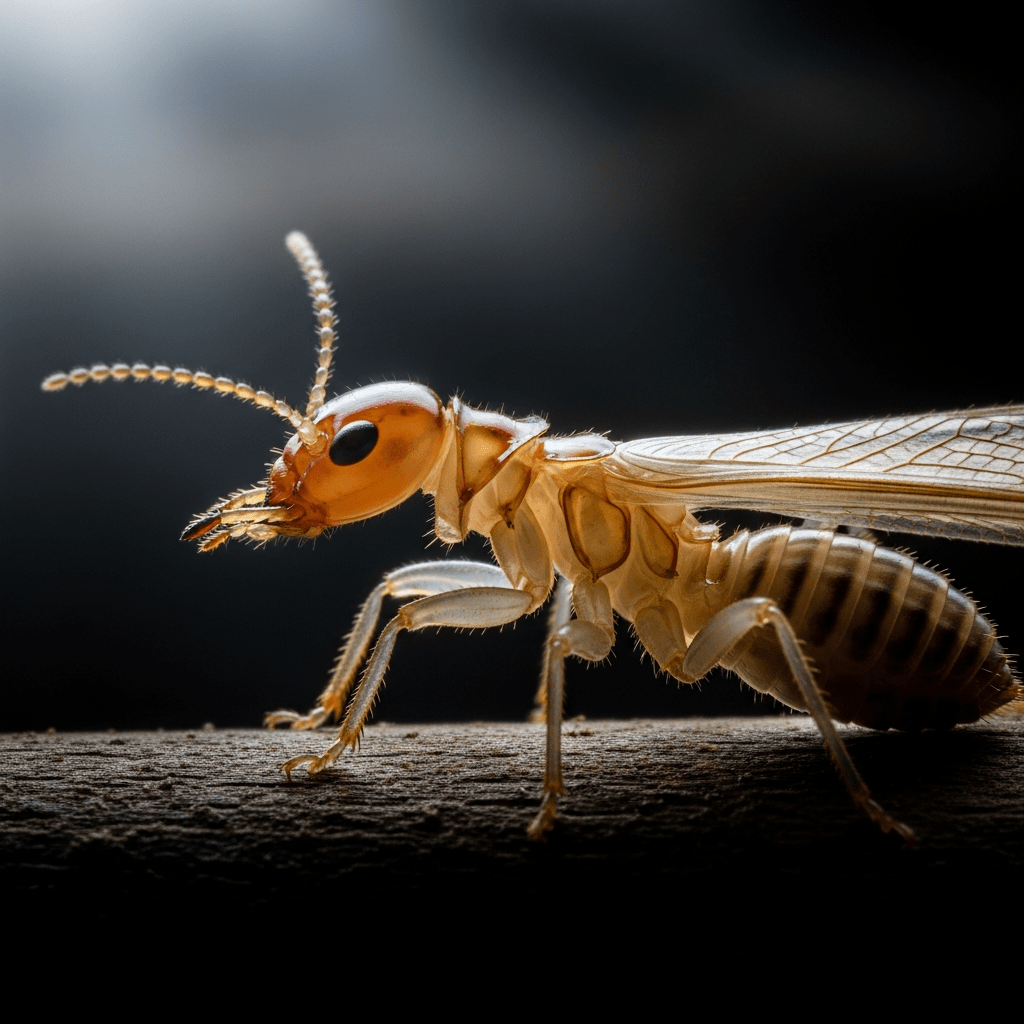
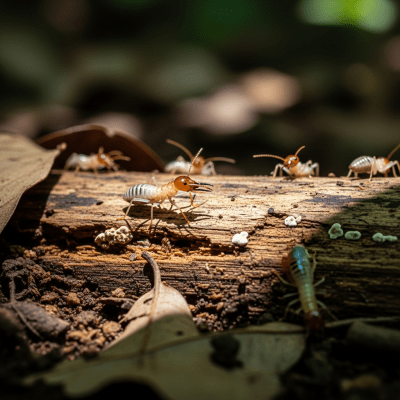
Adults measure between 4 and 6 millimeters, exhibiting a caste-based morphology: pale, wingless workers; soldiers with enlarged dark mandibles; and reproductives with darker bodies and wings used during dispersal flights. Like all insects, they have six legs, and their incomplete metamorphosis includes distinct stages from egg to reproductive adult.
Reticulitermes flavipes lives in subterranean colonies structured into workers, soldiers, and reproductive castes. They digest cellulose through symbiotic gut protozoa, enabling them to consume wood, leaf litter, and plant debris. Their colonies grow continuously over years, with reproductive swarming typically occurring in spring. While ecologically vital, they are notorious for damaging wooden structures, prompting extensive pest control efforts.
Bring this kind into your world illustrated posters, mugs, and shirts.
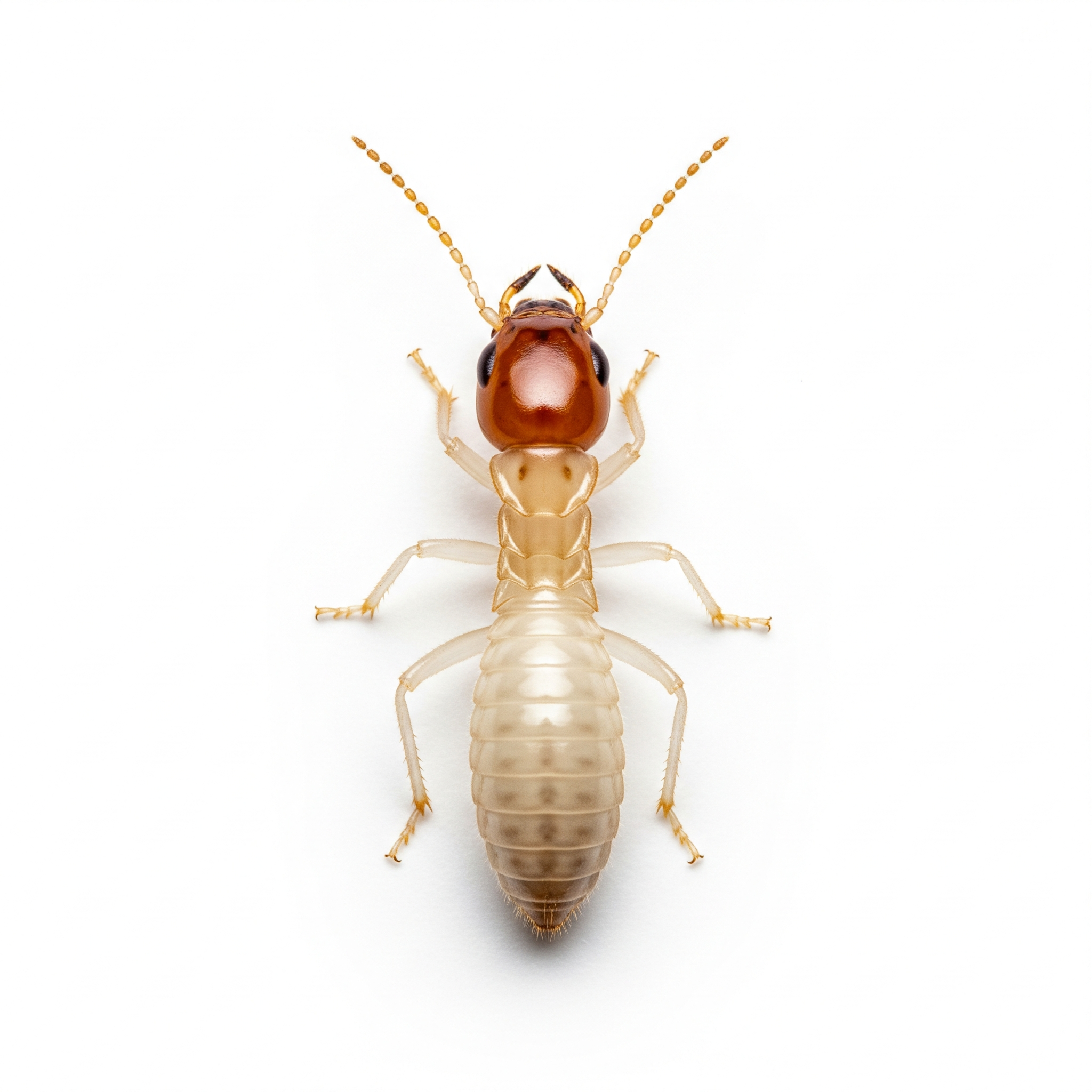
Archival print, museum-grade paper
Buy Poster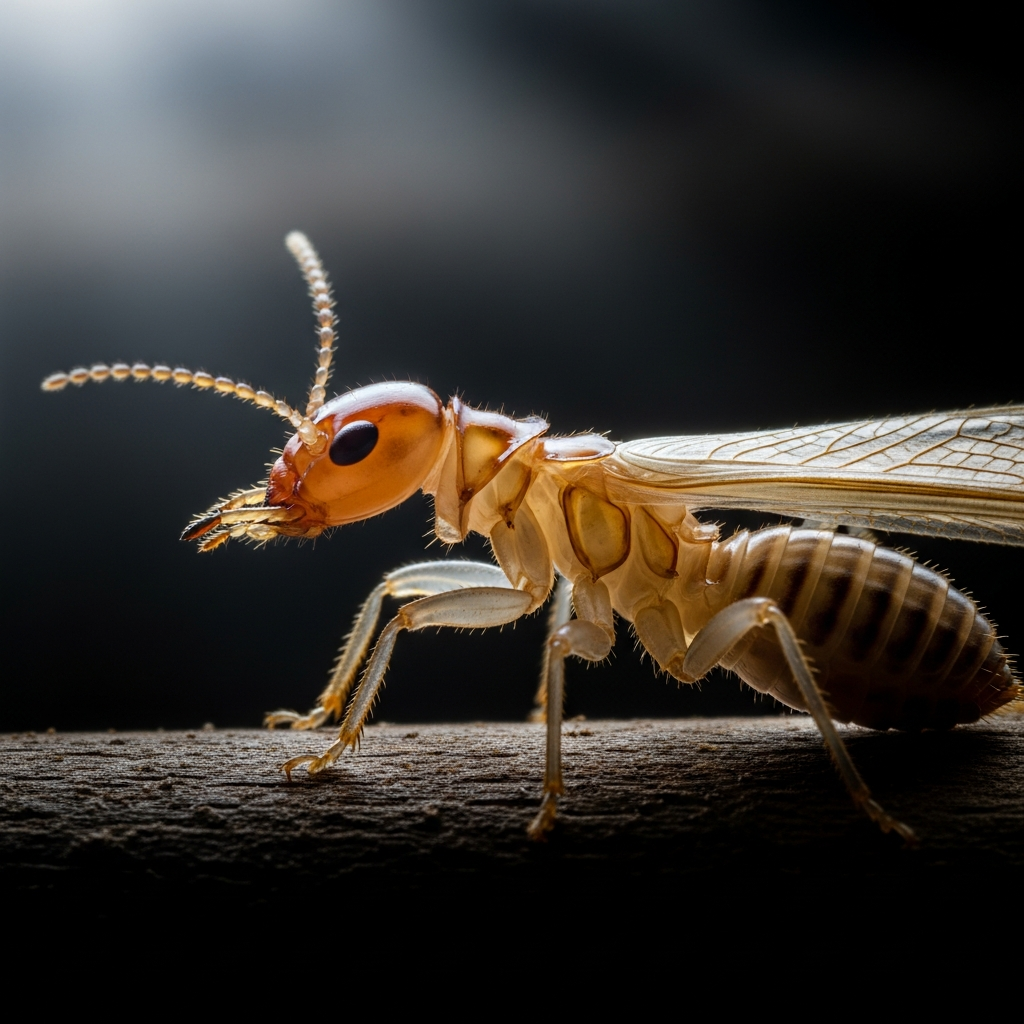
Stoneware mug, dishwasher safe
Buy Mug
Soft cotton tee, unisex sizes
Buy ShirtThough not widely featured in North American culture, termites serve as a protein source in some global cuisines. Their primary cultural presence is as a symbol of structural pest challenges, influencing building practices and pest management industries.
Reticulitermes flavipes inhabits subterranean environments across North America, often extending their colonies into wooden structures. They thrive in diverse soil types and climates, feeding on wood, leaf litter, and other plant detritus found in forests, urban areas, and rural settings.

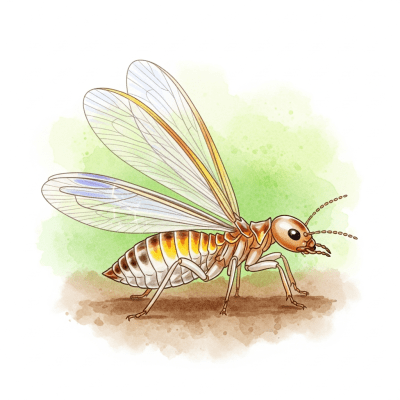
Their lifecycle follows incomplete metamorphosis, progressing through egg, nymph, worker, soldier, and reproductive stages. Colonies are founded by a king and queen, with workers and soldiers developing to support colony growth. Reproductive termites develop wings for dispersal flights, after which they establish new colonies.
As major decomposers, eastern subterranean termites recycle cellulose-rich plant material, facilitating nutrient cycling in ecosystems. Their wood consumption helps break down dead trees and leaf litter, supporting soil health and forest regeneration.
While not currently threatened, Reticulitermes flavipes faces natural pressures from predators like ants and environmental challenges such as desiccation. Their status as pests has led to widespread control efforts rather than conservation, focusing on minimizing economic damage while acknowledging their ecological importance.