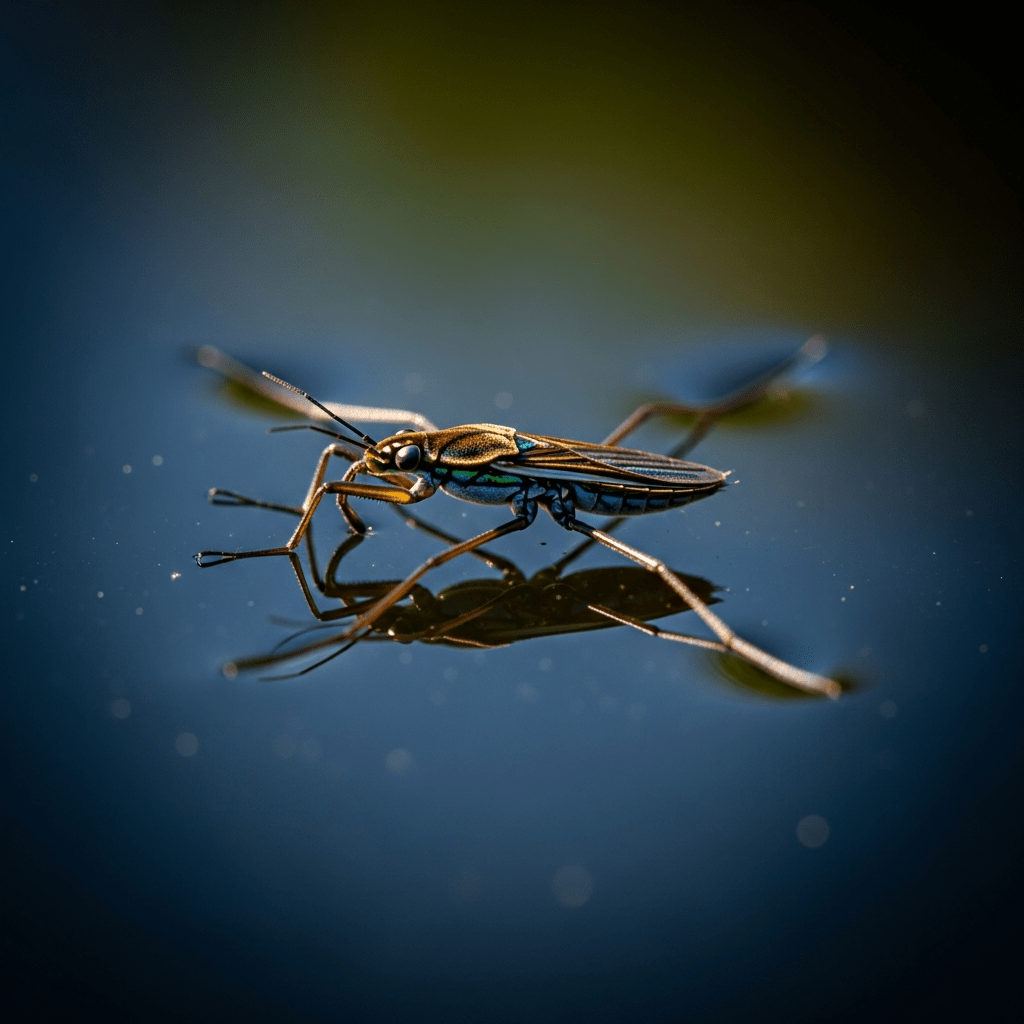
Gerris Lacustris
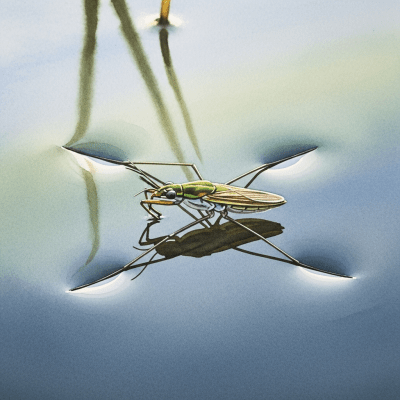
The water strider (Gerris lacustris) is an aquatic insect famed for its unique ability to walk on the surface of calm freshwater using specialized hydrophobic legs.
The water strider (Gerris lacustris) is an aquatic insect famed for its unique ability to walk on the surface of calm freshwater using specialized hydrophobic legs.
First described by Carl Linnaeus in 1758, Gerris lacustris has long been recognized as a wild species native to the Northern Hemisphere, with no domestication or breeding history.
This species belongs to the class Insecta, order Hemiptera, and family Gerridae, which encompasses the water striders known for their surface-skimming lifestyle.
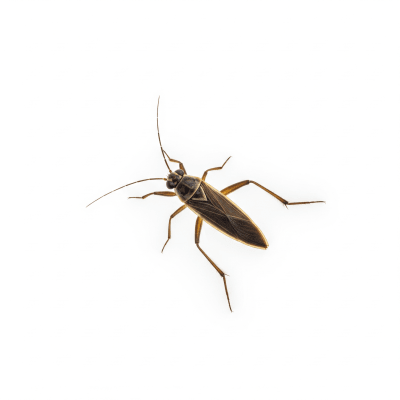
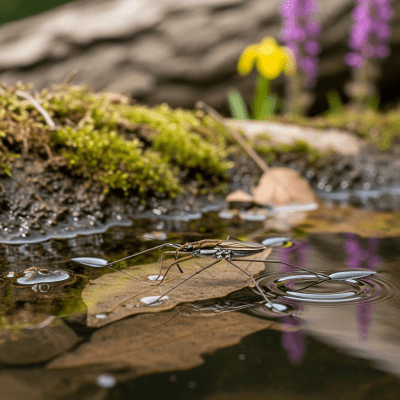
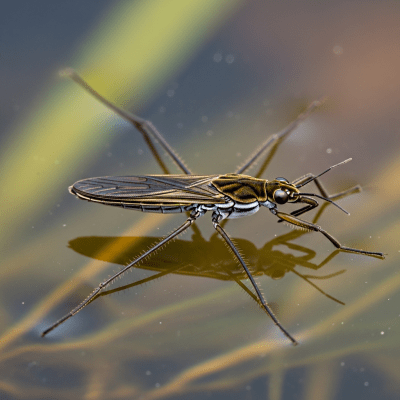
Measuring 8 to 10 millimeters in length, the water strider has an elongated body with dark brown to black dorsal coloring and lighter ventral surfaces. Its long, slender middle and hind legs are covered in microscopic hairs that repel water, enabling it to distribute its weight and glide effortlessly across water surfaces.
Water striders are predatory insects that feed on other insects and larvae trapped on the water surface. Their remarkable locomotion relies on hydrophobic legs that allow rapid movement atop water without sinking. They breed in spring and summer, laying eggs on submerged vegetation, and exhibit sexual dimorphism, with females typically larger than males.
Bring this kind into your world illustrated posters, mugs, and shirts.
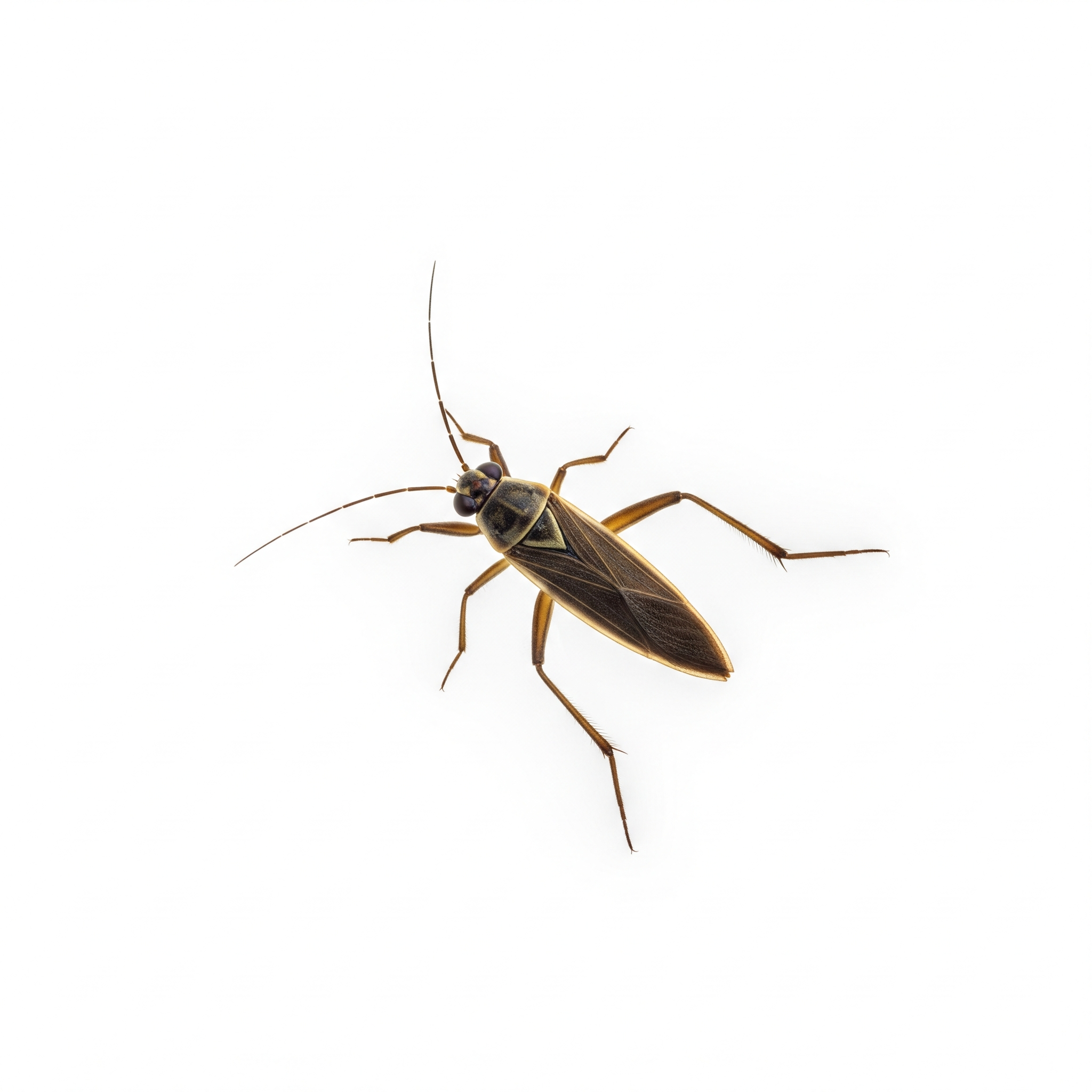
Archival print, museum-grade paper
Buy Poster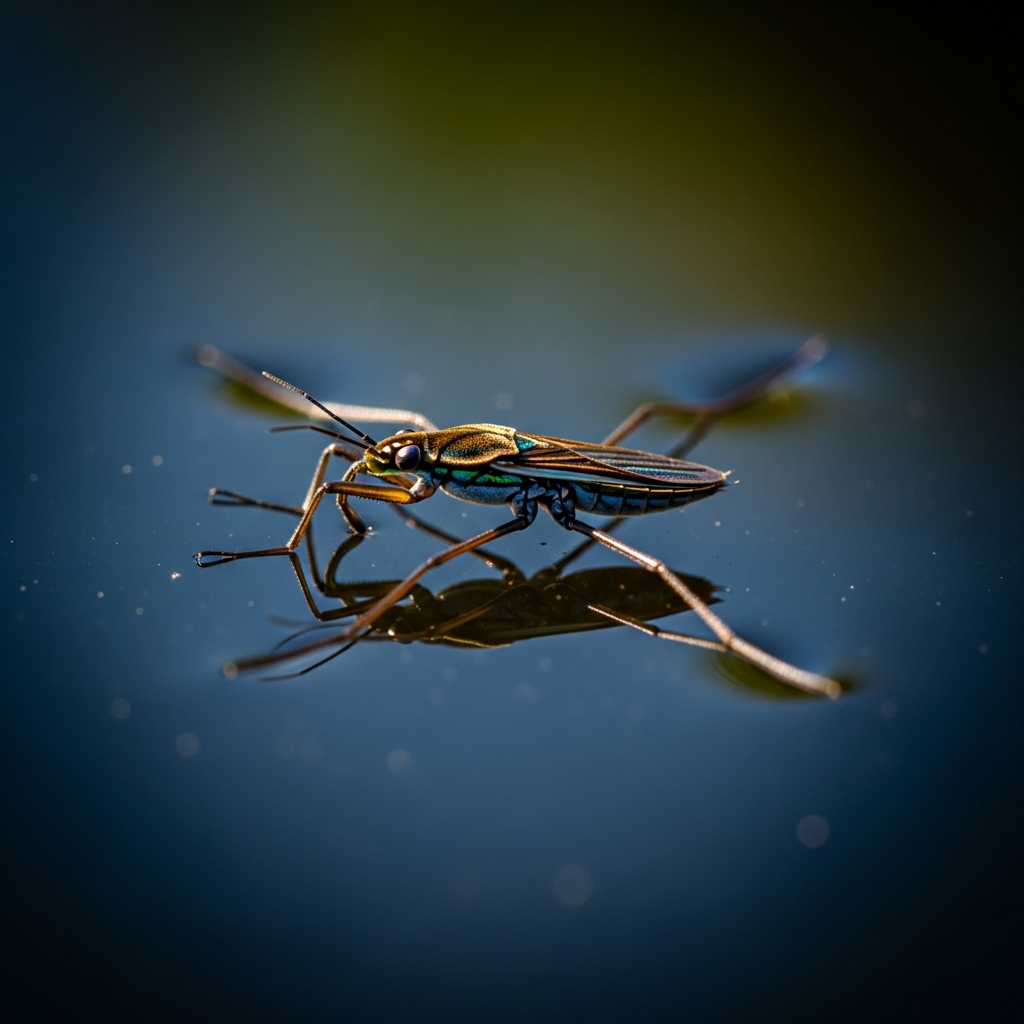
Stoneware mug, dishwasher safe
Buy Mug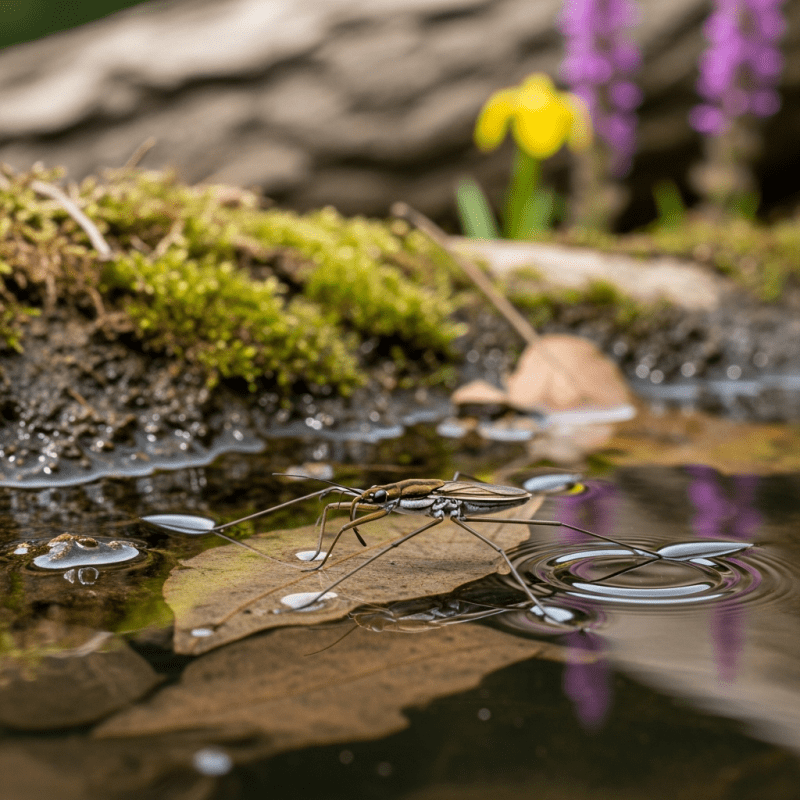
Soft cotton tee, unisex sizes
Buy ShirtWhile Gerris lacustris holds no notable place in culinary or commercial contexts, it serves as a valuable model organism in scientific studies exploring surface tension and aquatic locomotion, highlighting its subtle cultural and educational importance.
Gerris lacustris typically inhabits calm freshwater environments such as ponds, lakes, and slow-moving streams throughout much of the Northern Hemisphere, where it skims the water surface in search of prey.
The water strider undergoes incomplete metamorphosis, progressing through three main stages: egg, nymph, and adult. Eggs are laid on submerged vegetation, and nymphs resemble smaller versions of adults, gradually maturing into fully winged adults capable of surface locomotion.
As surface predators, water striders play an important ecological role by controlling populations of insects and larvae trapped on water surfaces. Their presence contributes to the balance of freshwater ecosystems and offers insight into the physics of surface tension.
Currently, Gerris lacustris faces no significant threats and is not considered endangered. Its widespread distribution and adaptability to freshwater habitats contribute to its stable conservation status, with no targeted conservation efforts required at this time.