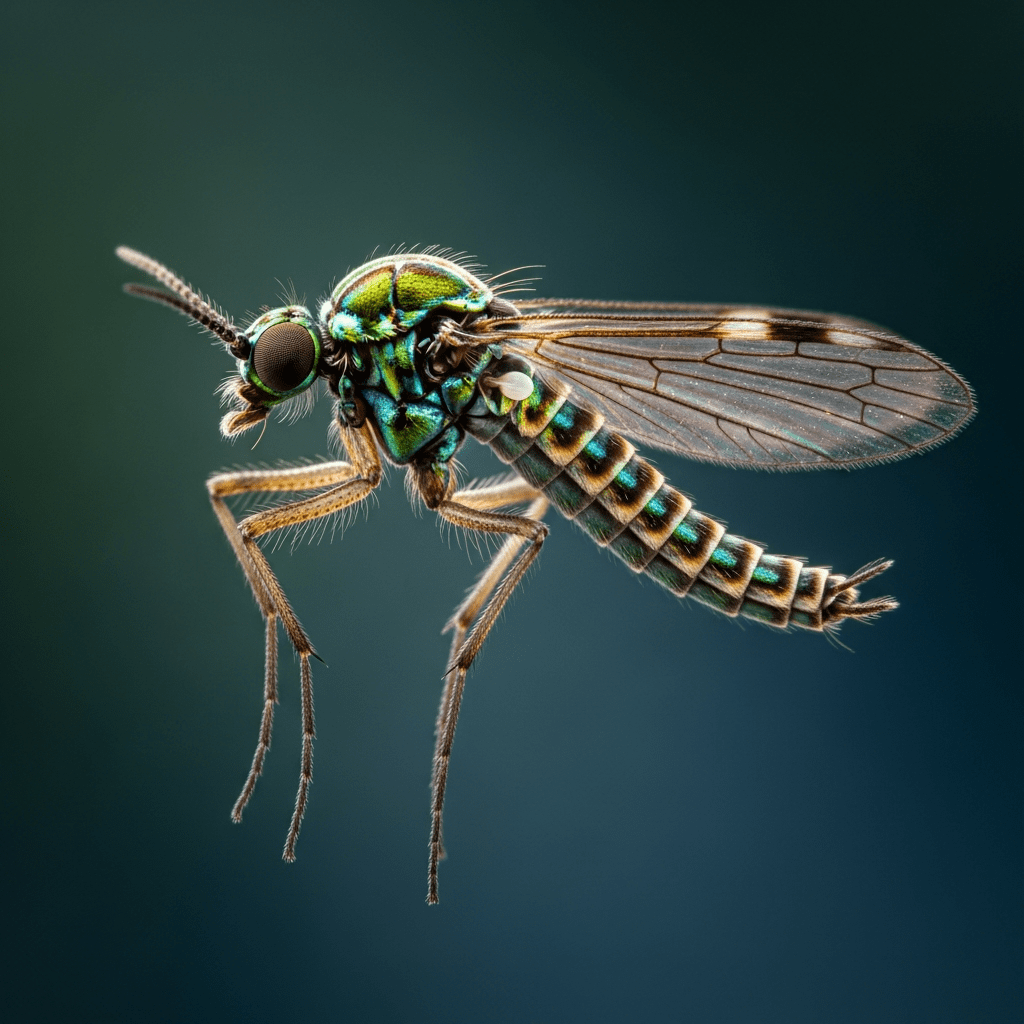
Chironomus Plumosus
The midge, Chironomus plumosus, is a small, non-biting aquatic fly known for its distinctive feather-like antennae in males and its vital role in freshwater ecosystems.
The midge, Chironomus plumosus, is a small, non-biting aquatic fly known for its distinctive feather-like antennae in males and its vital role in freshwater ecosystems.
Chironomus plumosus was first formally described by Carl Linnaeus in 1758, originating from Europe. This wild species has long been recognized within the Chironomidae family, reflecting a deep evolutionary lineage in freshwater habitats.
The midge belongs to the class Insecta, order Diptera, family Chironomidae, genus Chironomus, and species plumosus. It is part of a diverse group of flies distinguished by their two-winged form and aquatic larval stages.
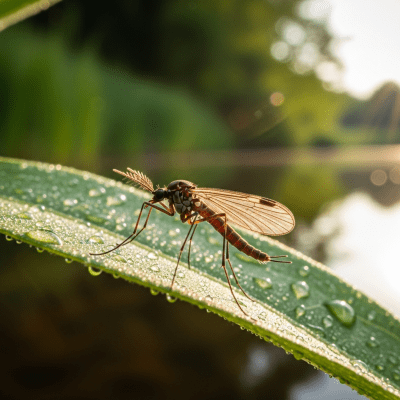
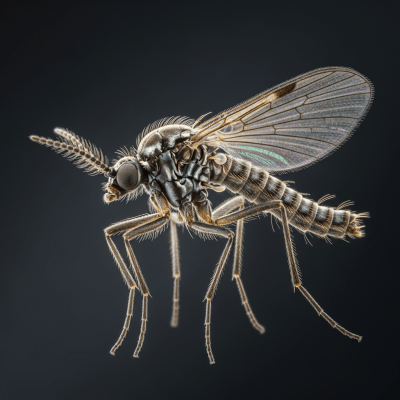
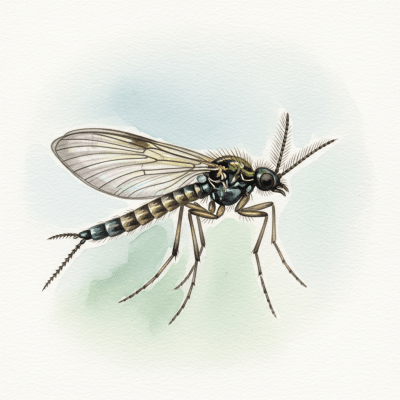
Adult midges measure about 10 to 12 millimeters in length, featuring slender grayish to brown bodies and long legs. Males are notable for their plumose, or feather-like, antennae, while females have simpler antennae. Their wings are typical of flies, with a single pair facilitating delicate flight. Larvae, known as bloodworms, are bright red due to hemoglobin, adapted for life in freshwater sediments.
Midges exhibit a complete metamorphosis lifecycle, progressing from egg to larva, pupa, and adult. Larvae dwell in freshwater sediments, thriving even in low-oxygen or eutrophic waters. Adults do not bite and serve primarily as prey for fish and birds. While midges themselves have no direct culinary use, their larvae are commercially harvested as fish food and bait in aquaculture and aquarium industries.
Bring this kind into your world illustrated posters, mugs, and shirts.
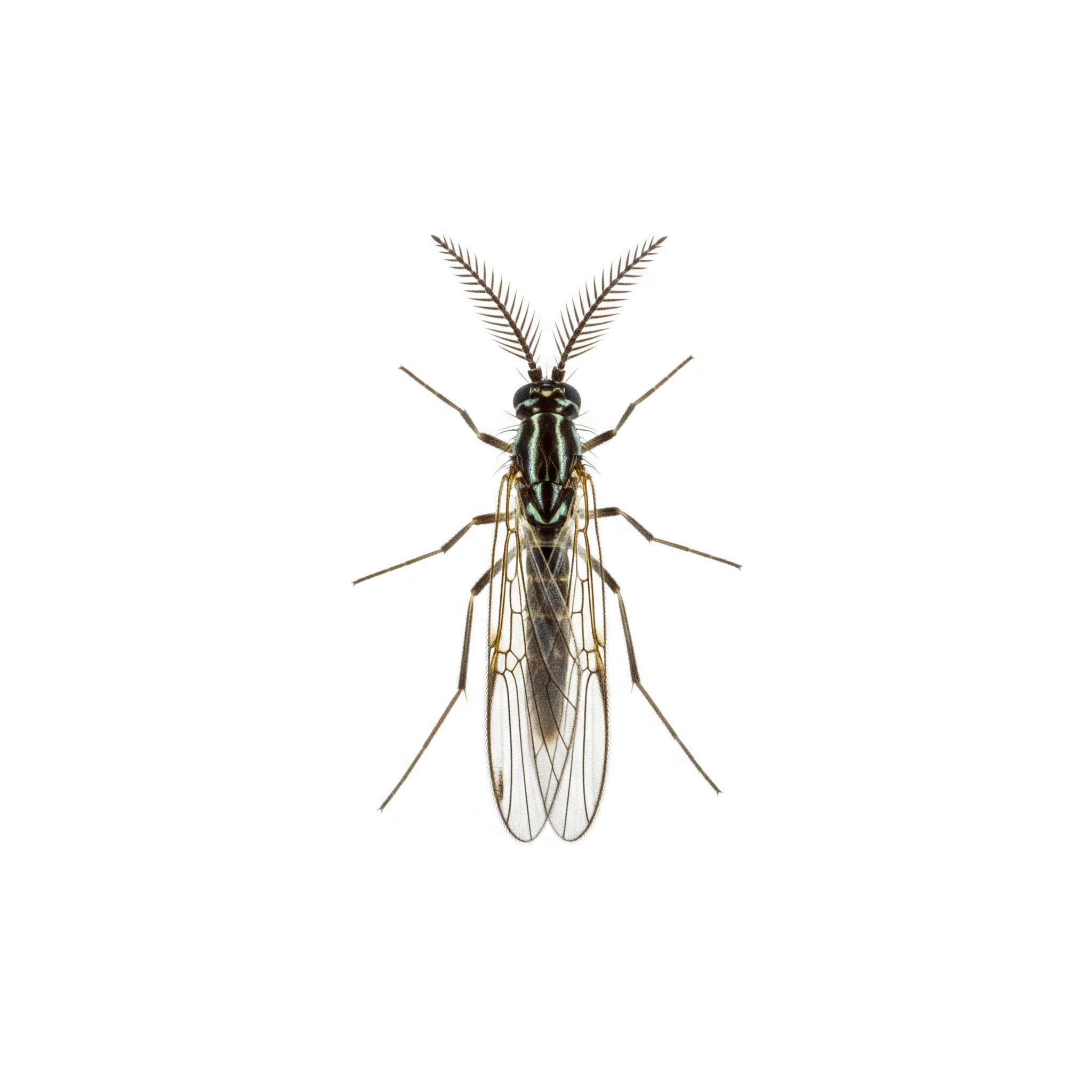
Archival print, museum-grade paper
Buy Poster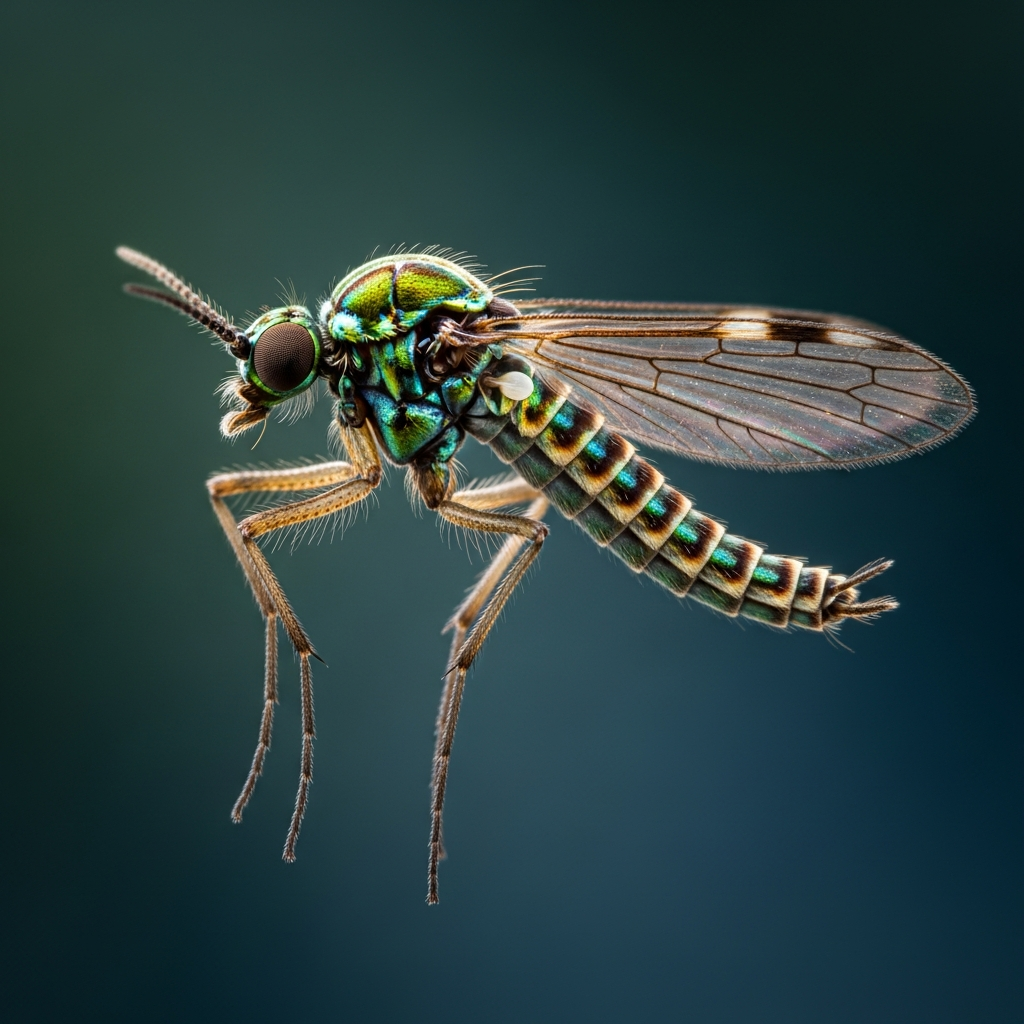
Stoneware mug, dishwasher safe
Buy Mug
Soft cotton tee, unisex sizes
Buy ShirtThough Chironomus plumosus lacks prominent cultural symbolism or traditional roles, its presence in freshwater environments indirectly supports fisheries and recreational fishing cultures through its importance as a natural food source.
Midges of the species Chironomus plumosus are widespread in freshwater habitats across Europe and other temperate regions. They thrive in lakes, ponds, and slow-moving waters, often in eutrophic or oxygen-poor environments where their larvae burrow into sediment.
The midge undergoes complete metamorphosis, beginning life as an egg laid in water. The larval stage, known as the bloodworm, lives in sediment and feeds on organic matter. After pupation, the adult emerges to mate and continue the cycle, typically completing development within weeks depending on environmental conditions.
Midges play a crucial role in freshwater ecosystems as a food source for fish and birds. Their larvae contribute to nutrient cycling by breaking down organic material in sediments. This species’ tolerance to low oxygen conditions allows it to persist in environments where other organisms struggle, maintaining ecological balance.
Currently, Chironomus plumosus faces no major conservation threats due to its wide distribution and adaptability. However, degradation of freshwater habitats and pollution could impact local populations. Conservation efforts focus on maintaining healthy aquatic ecosystems that support diverse insect life, including midges.