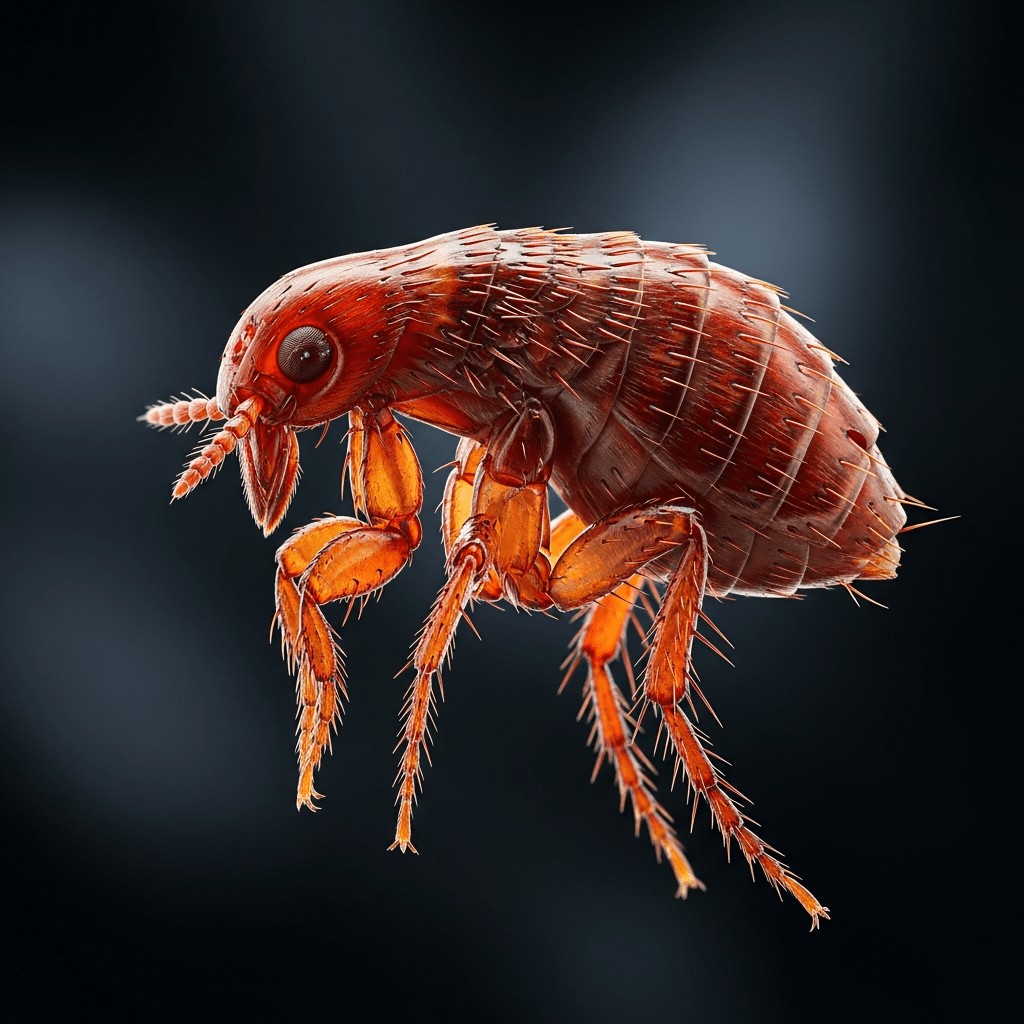
Pulex Irritans
The flea (Pulex irritans) is a small, wingless insect known for its remarkable jumping ability and its role as a parasitic blood feeder on mammals, including humans.
The flea (Pulex irritans) is a small, wingless insect known for its remarkable jumping ability and its role as a parasitic blood feeder on mammals, including humans.
Pulex irritans was first formally described by Carl Linnaeus in 1758. This species has a long-standing association with humans and domesticated animals, with historical records tracing its presence back to antiquity. Fleas are wild insects and have not undergone domestication or breeding.
Fleas belong to the class Insecta and the order Siphonaptera, which encompasses all wingless, parasitic insects adapted for blood feeding. Within this order, Pulex irritans represents the human flea, distinguished from other flea species by its specific host preferences and morphology.
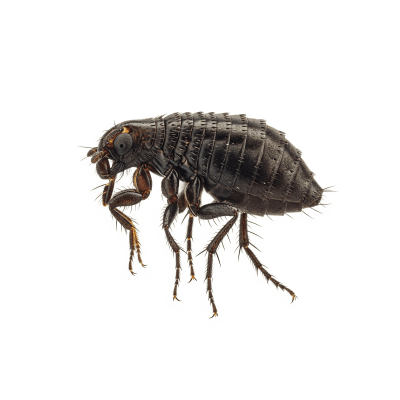
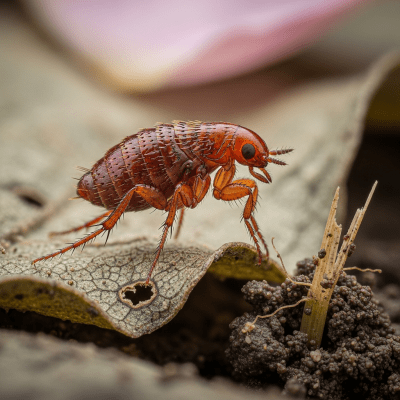
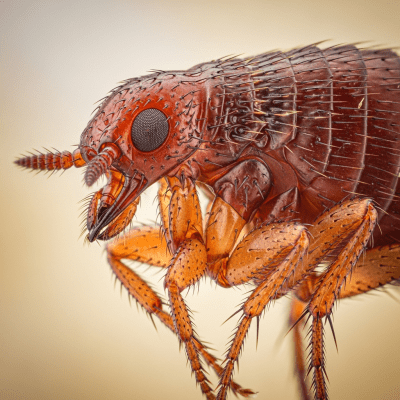
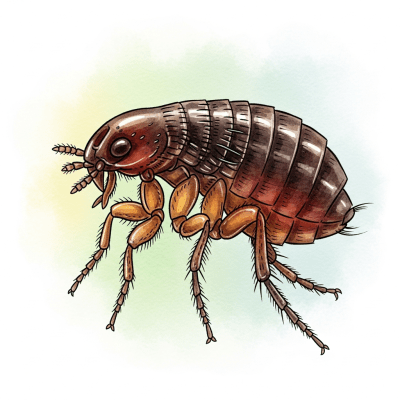
Fleas are small insects measuring between 1.5 and 4 millimeters in length. Their bodies are laterally compressed and covered with hard plates called sclerites and bristles, which help them navigate through the hair or fur of their hosts. They lack wings and have powerful hind legs specialized for jumping great distances relative to their size. Their coloration is typically reddish-brown.
Adult fleas are obligate blood feeders, relying exclusively on the blood of mammals, including humans, for nutrition. Their behavior centers on locating hosts, feeding, and reproducing. While they have no direct beneficial uses, flea control products such as insecticides and repellents form an important commercial market aimed at managing their populations and reducing their impact on humans and animals.
Bring this kind into your world illustrated posters, mugs, and shirts.
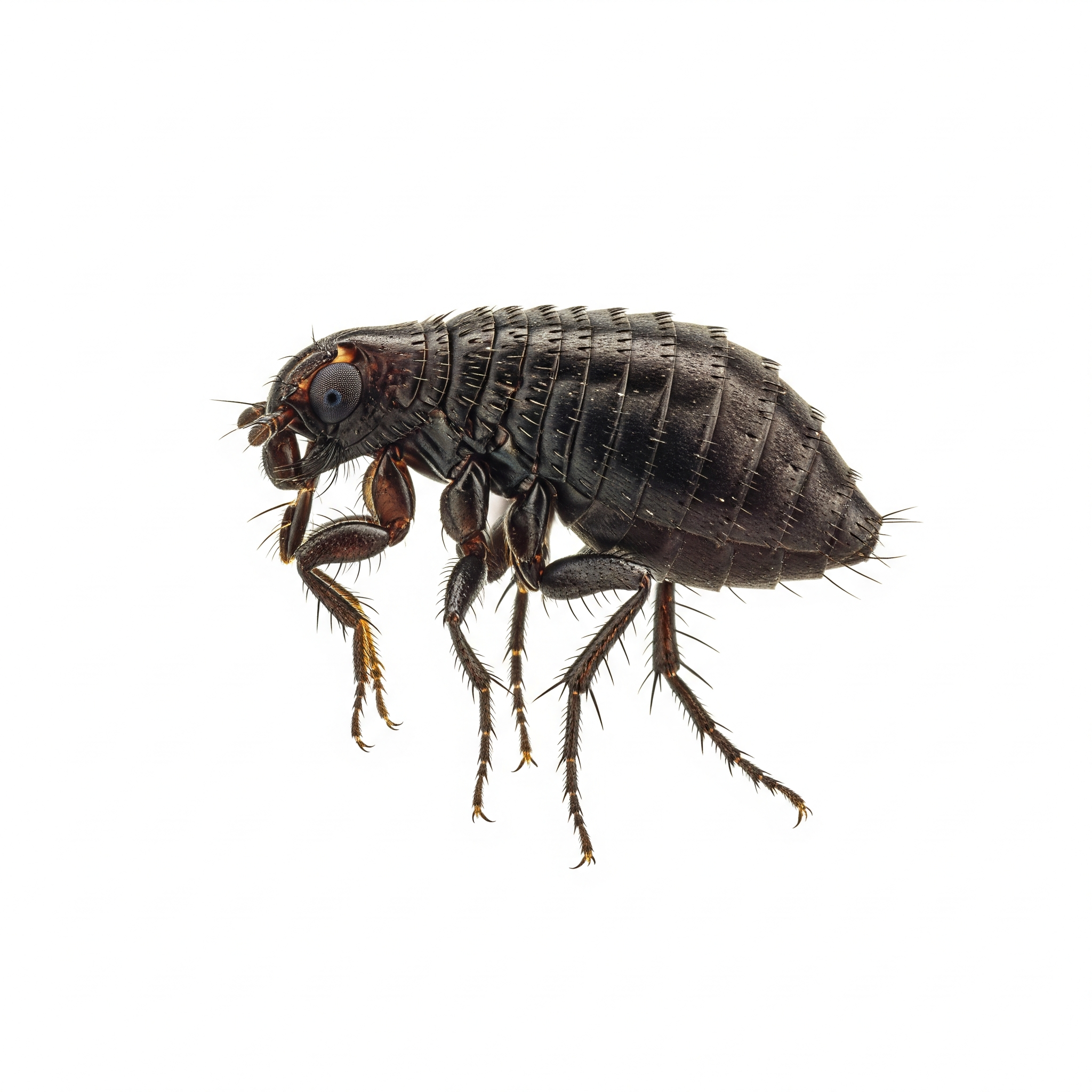
Archival print, museum-grade paper
Buy Poster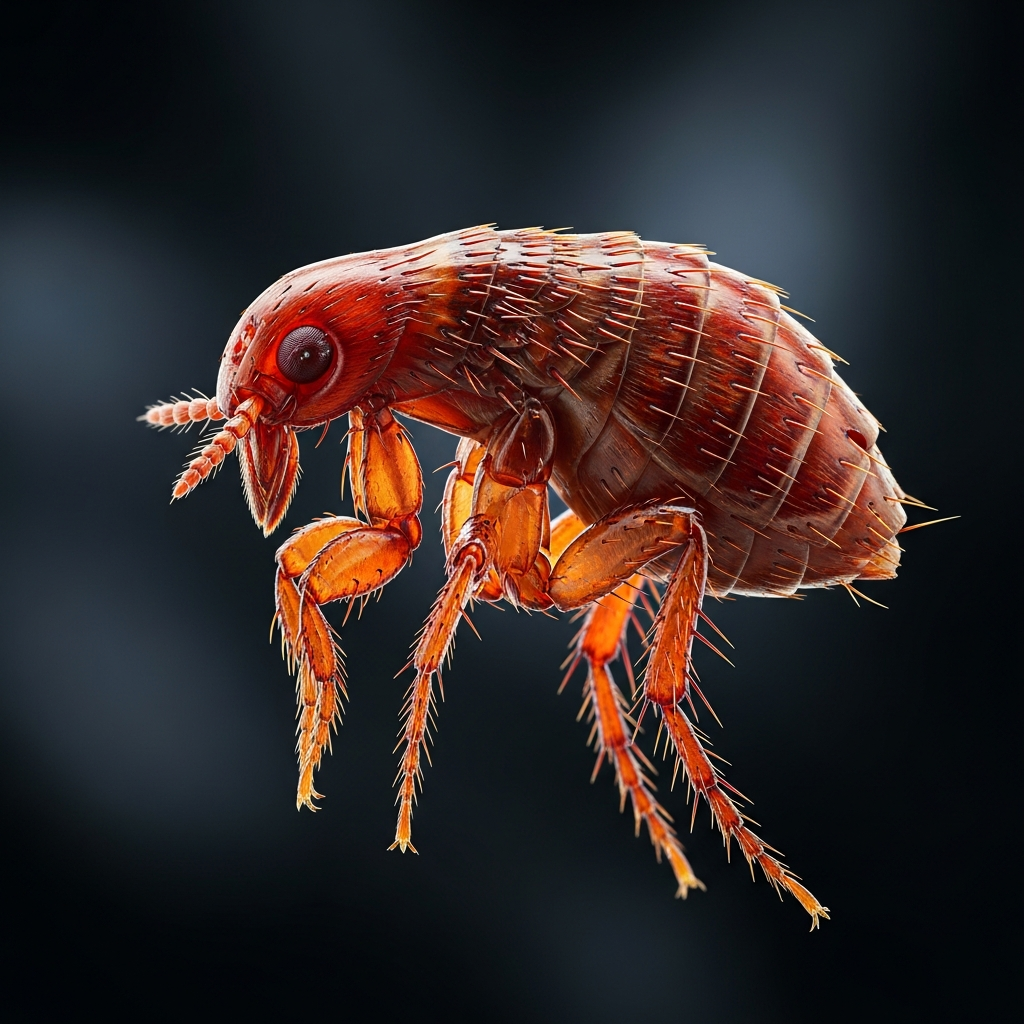
Stoneware mug, dishwasher safe
Buy Mug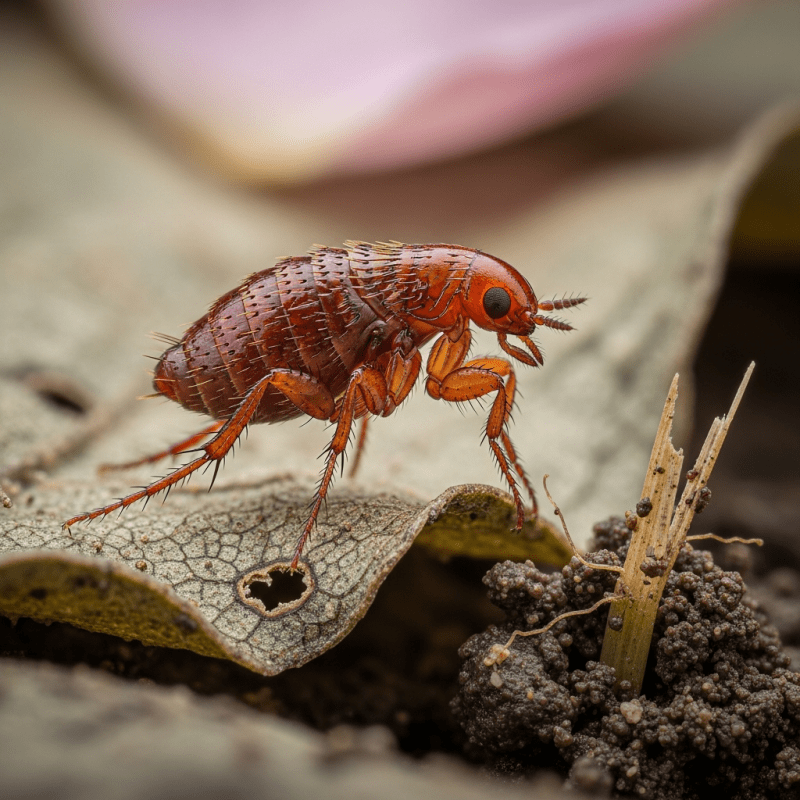
Soft cotton tee, unisex sizes
Buy ShirtAlthough fleas are primarily regarded as pests, they have influenced human culture indirectly through their role as vectors of diseases such as the plague and typhus. This association has made them symbols of nuisance and danger in historical texts and folklore, though they lack prominent symbolic or artistic representation.
Fleas are globally distributed parasites found wherever suitable mammalian hosts exist. They thrive in environments where hosts live or frequent, including human dwellings, animal shelters, and wild habitats. Their ability to survive in varied climates contributes to their cosmopolitan presence.
The flea undergoes complete metamorphosis with four stages: egg, larva, pupa, and adult. Eggs are laid on the host or in the environment, hatching into larvae that feed on organic debris. After pupation, adults emerge ready to seek hosts for blood meals. Environmental conditions strongly influence development speed and survival.
As ectoparasites, fleas play a role in regulating host populations and serve as vectors for pathogens, impacting ecosystem health and disease dynamics. While they do not provide pollination or decomposition services, their presence influences predator-prey relationships and host behavior.
Fleas face threats primarily from pest control efforts, including insecticides and host grooming behaviors. They have developed some resistance to chemical controls but remain vulnerable to integrated management strategies. Conservation is not a concern for fleas due to their pest status and widespread abundance.