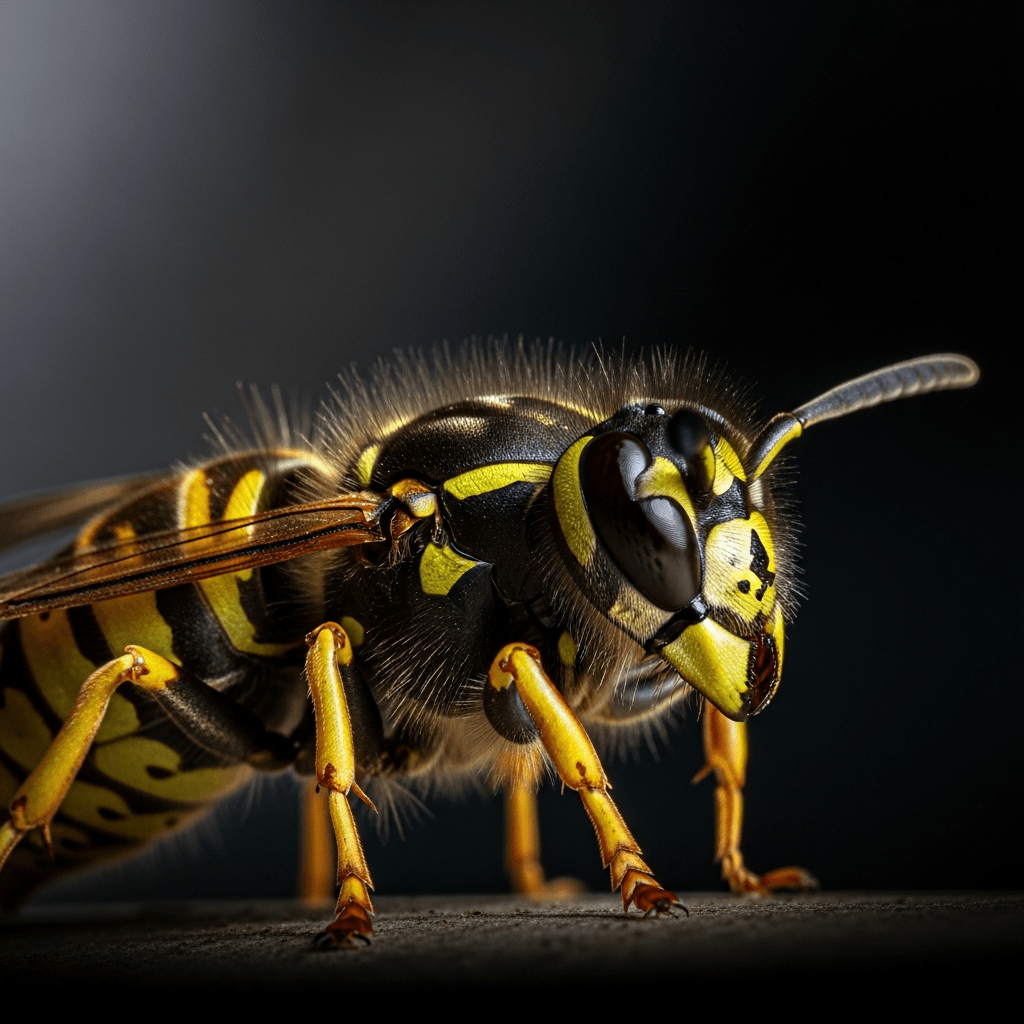
Vespula Vulgaris
Wasps are a diverse group of insects known for their slender bodies, narrow waists, and striking black-and-yellow coloration, playing vital roles as both predators and pollinators.
Wasps are a diverse group of insects known for their slender bodies, narrow waists, and striking black-and-yellow coloration, playing vital roles as both predators and pollinators.
The species Vespula vulgaris, commonly known as the common wasp, was first described by Carl Linnaeus in 1758. Wasps as a lineage trace their evolutionary origins back to the Cretaceous period, encompassing multiple families and genera that have diversified over millions of years.
Wasps belong to the class Insecta and the order Hymenoptera, within the family Vespidae. The genus Vespula includes many social species such as the common wasp, distinguished from other Hymenoptera by their characteristic body form and behaviors.
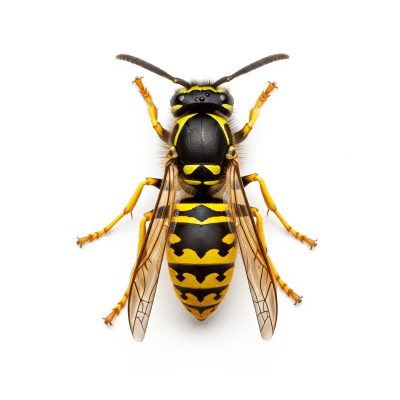
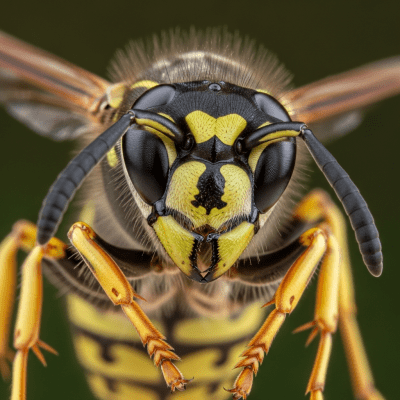
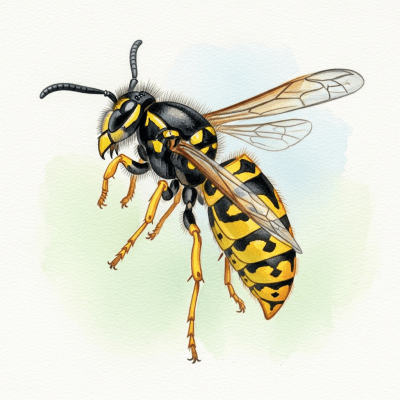
Adult wasps typically measure between 12 and 17 millimeters in length. Their bodies are segmented into three parts: head, thorax, and abdomen, connected by a narrow waist. They display vivid black and yellow banded coloration, two pairs of membranous wings, and three pairs of jointed legs. Their agile flight and sharp stingers are notable sensory and defensive traits.
Wasps exhibit a range of behaviors from solitary to highly social lifestyles. Social species form colonies with a queen, workers, and males, constructing papery nests from chewed wood fibers. They are agile predators, feeding on other insects, and also contribute to pollination. Their stingers serve both for defense and prey capture, making them effective natural pest controllers.
Bring this kind into your world illustrated posters, mugs, and shirts.
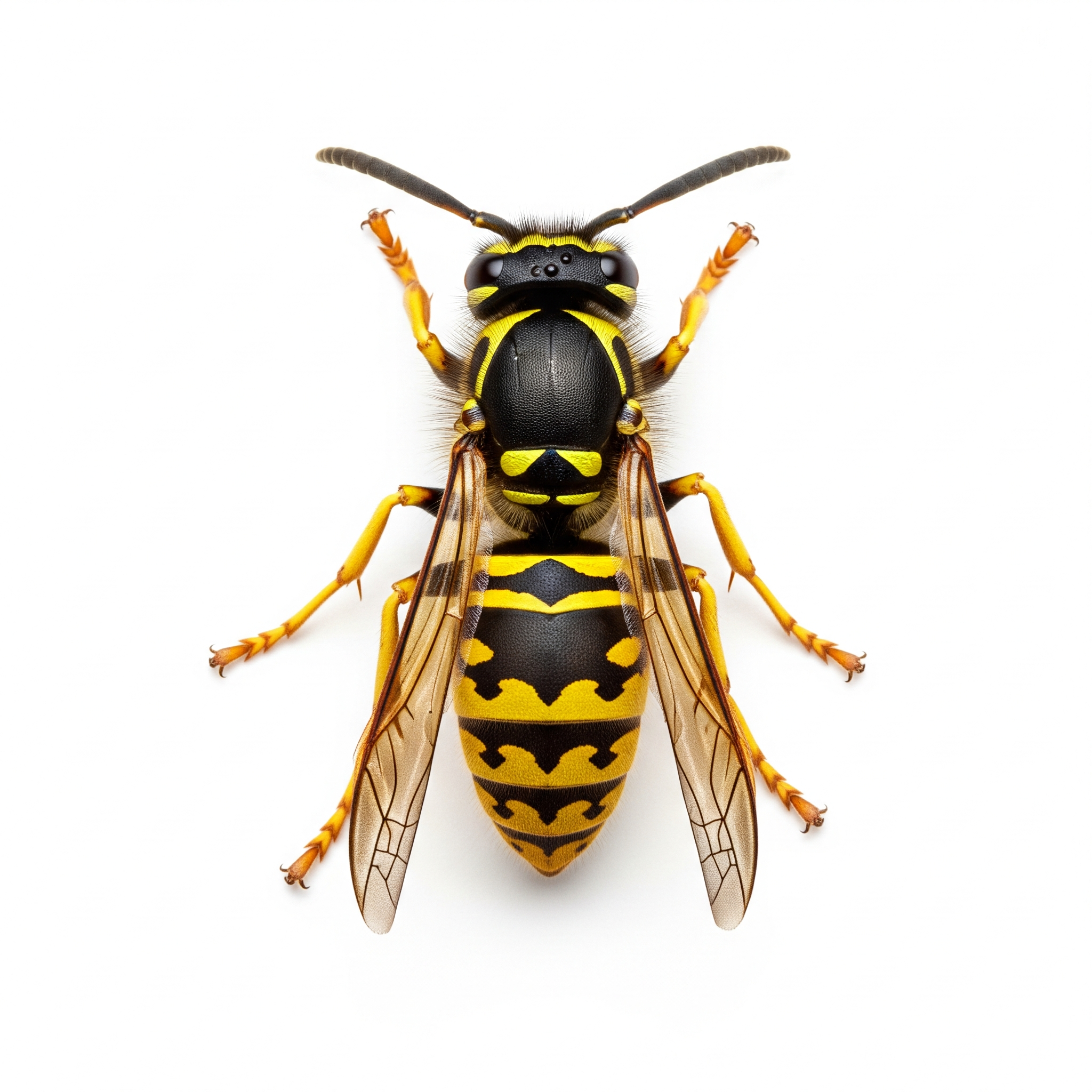
Archival print, museum-grade paper
Buy Poster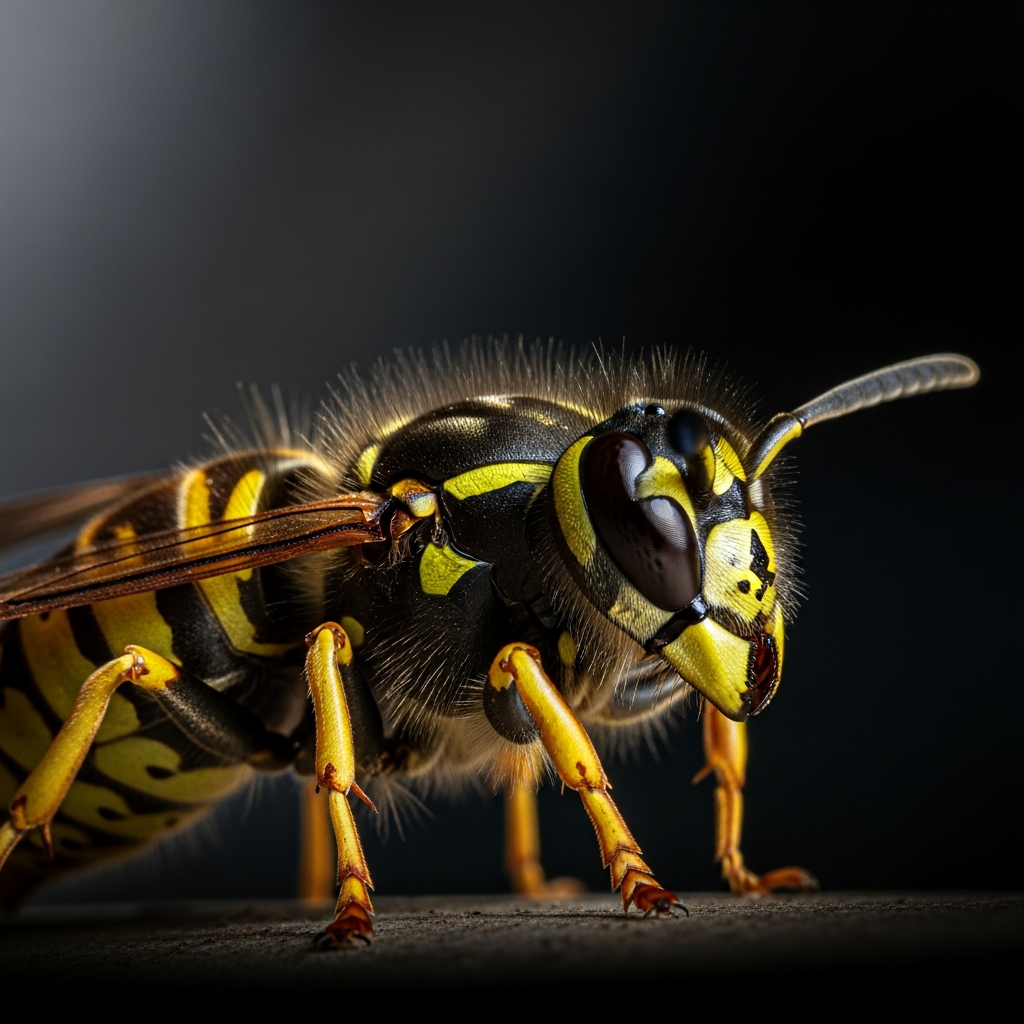
Stoneware mug, dishwasher safe
Buy Mug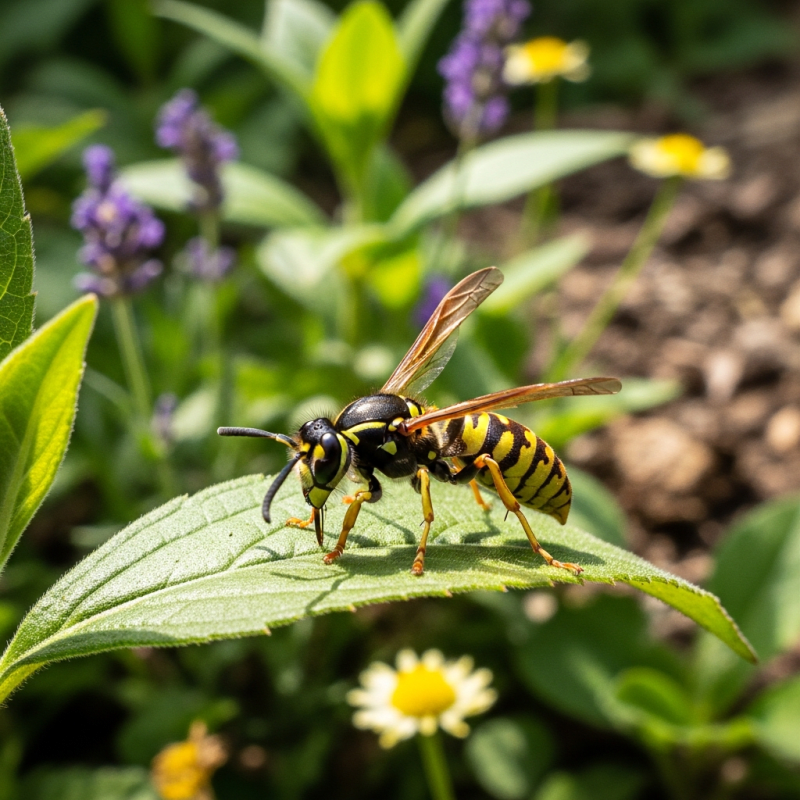
Soft cotton tee, unisex sizes
Buy ShirtWhile wasps are not widely celebrated culturally, they appear in various regional vernaculars such as "yellowjacket" in North America and "hornet" in Europe and Asia. In some cultures, certain wasp species are harvested for food, notably in parts of Japan, and their venom and nest materials have been subjects of scientific and commercial interest.
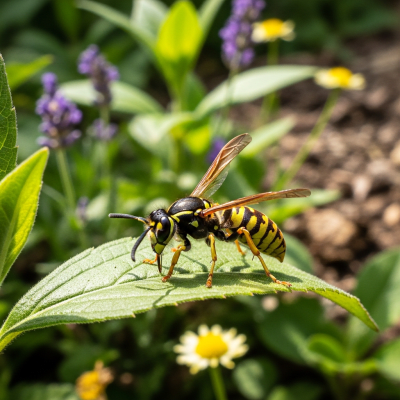
Wasps inhabit a wide variety of environments worldwide, thriving in forests, meadows, urban areas, and gardens. The common wasp, Vespula vulgaris, is widespread across Europe and has been introduced to other regions. Their adaptability allows them to occupy diverse ecological niches.
Wasps undergo complete metamorphosis, beginning life as eggs laid by the queen. These hatch into larvae, which develop within the nest before pupating. After metamorphosis, adults emerge to take on roles within the colony or live solitary lives, depending on species. The lifecycle stages include egg, larva, pupa, and adult.
Wasps play essential ecological roles as predators controlling populations of other insects and as pollinators supporting plant reproduction. Social wasps’ nests provide microhabitats for various organisms, and their predation helps maintain ecological balance by limiting pest species.
While many wasp species are abundant and resilient, habitat loss, pesticide use, and climate change pose risks to some populations. Conservation efforts focus on habitat preservation and reducing chemical impacts to maintain their ecological functions as pollinators and natural pest controllers.