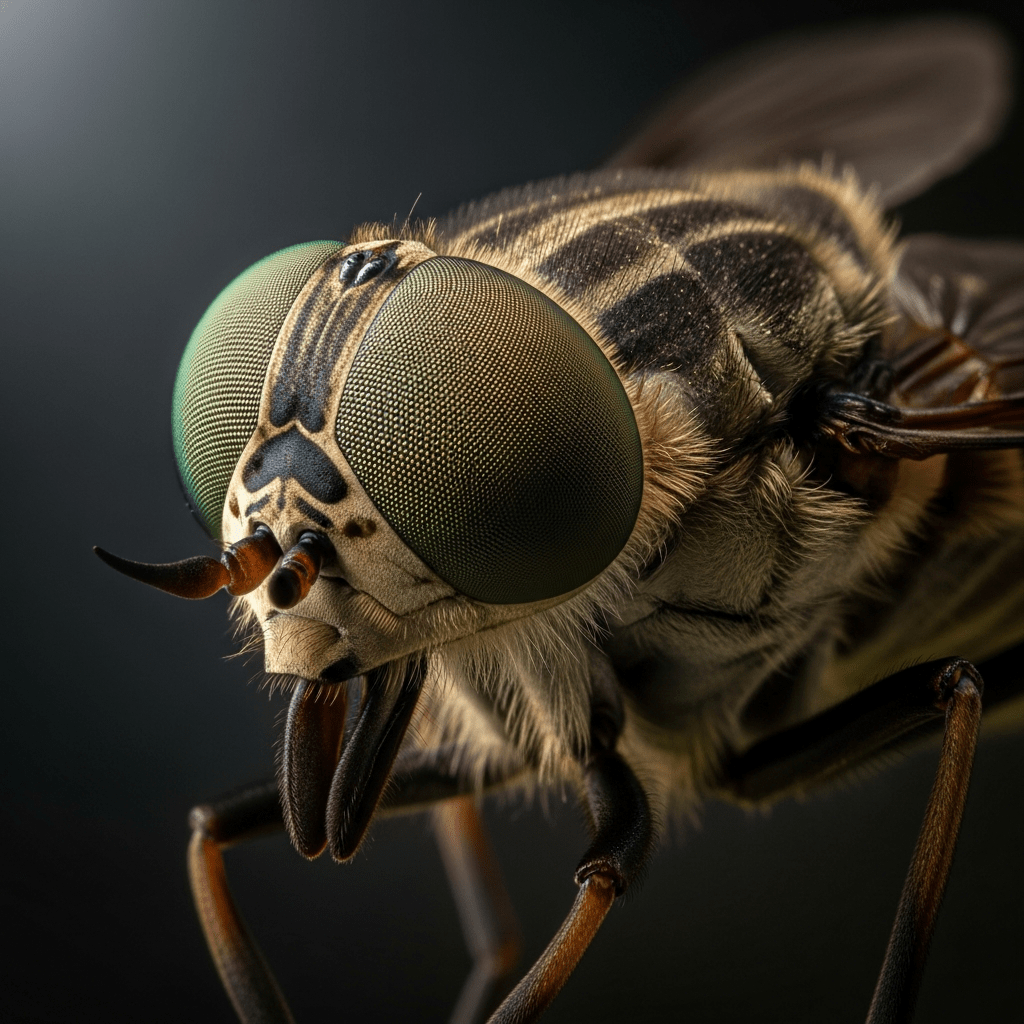
Tabanus Bovinus
The horsefly (Tabanus bovinus) is a large, robust blood-feeding fly known for its painful bite and significant impact as a persistent pest of livestock.
The horsefly (Tabanus bovinus) is a large, robust blood-feeding fly known for its painful bite and significant impact as a persistent pest of livestock.
Tabanus bovinus was first formally described by Carl Linnaeus in 1758, establishing its place within the family Tabanidae. This species has a long-recognized lineage rooted in classical morphological taxonomy and remains a wild insect native to various regions.
The horsefly belongs to the class Insecta, order Diptera, family Tabanidae, genus Tabanus, and species bovinus. This classification situates it among true flies characterized by a single pair of wings and specialized mouthparts.
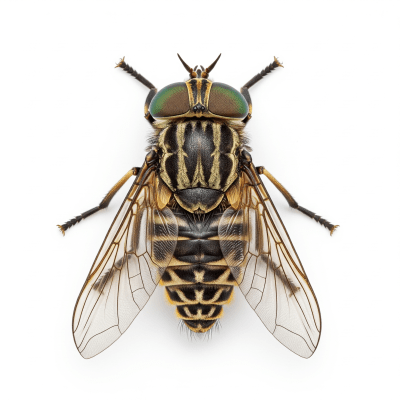
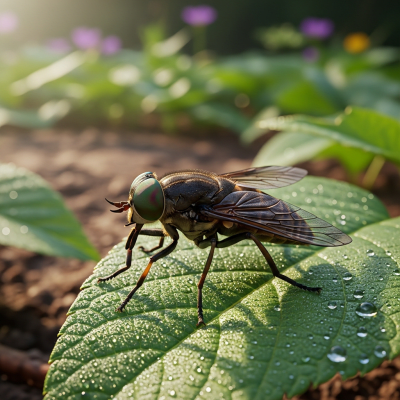
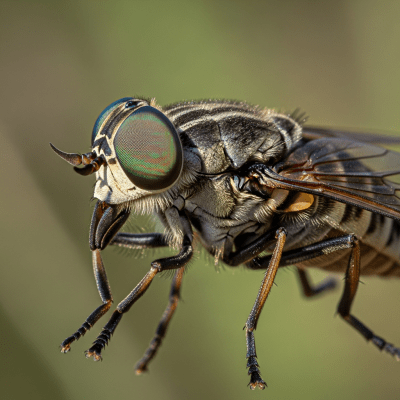
Adult horseflies measure between 20 and 25 millimeters in length, featuring a stout body colored dark brown to black. Their wings are clear or slightly smoky, and they possess large, iridescent compound eyes that are visually striking. Females have blade-like mouthparts designed for piercing skin and drawing blood, while males primarily feed on nectar.
Horseflies are known for their strong, fast flight and persistent host-seeking behavior. Females actively seek out mammals to feed on blood, which is essential for reproduction, whereas males feed on nectar. Adults are active during warm months and can travel considerable distances in search of hosts. Their biting behavior makes them notable pests, especially for livestock, causing stress and potential disease transmission.
Bring this kind into your world illustrated posters, mugs, and shirts.
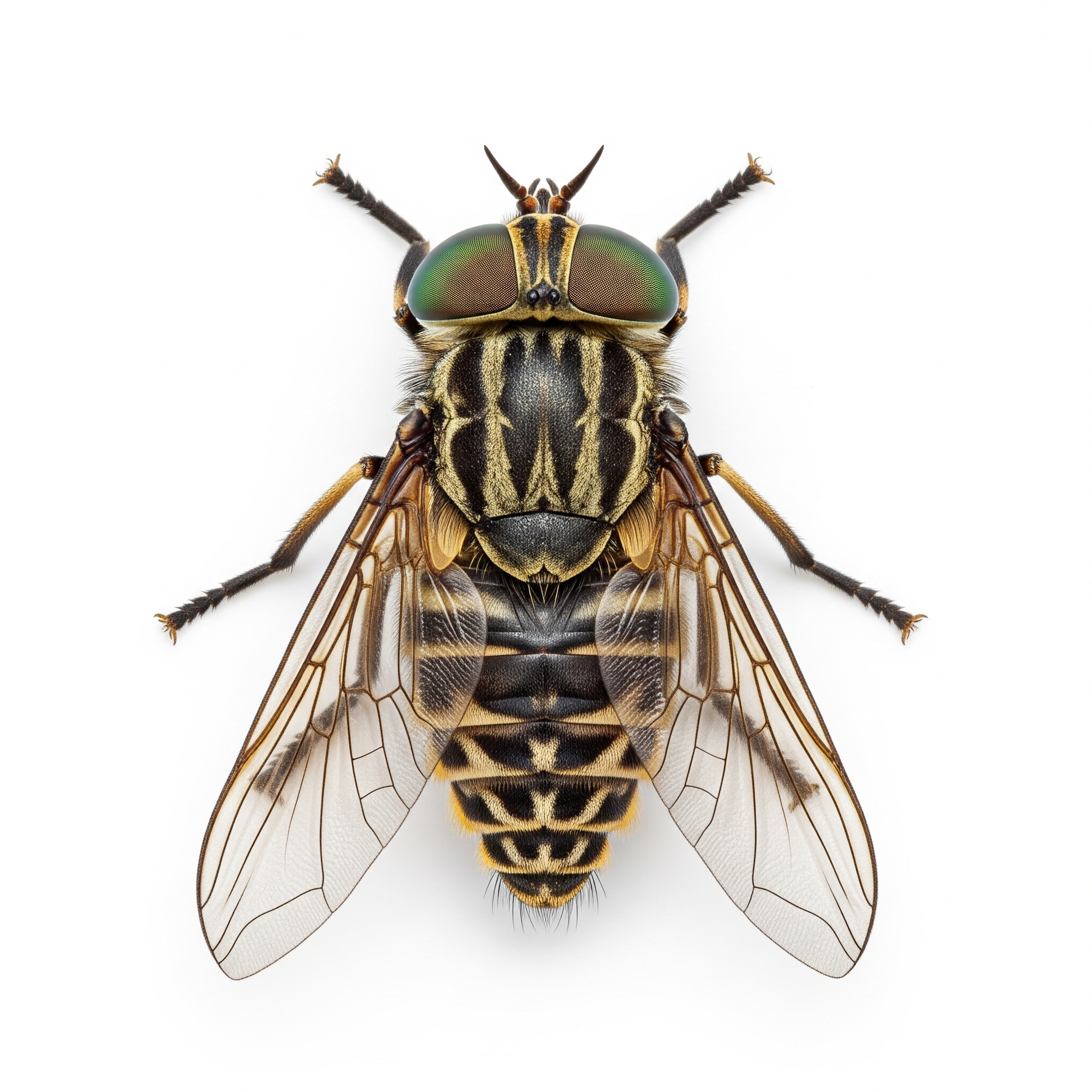
Archival print, museum-grade paper
Buy Poster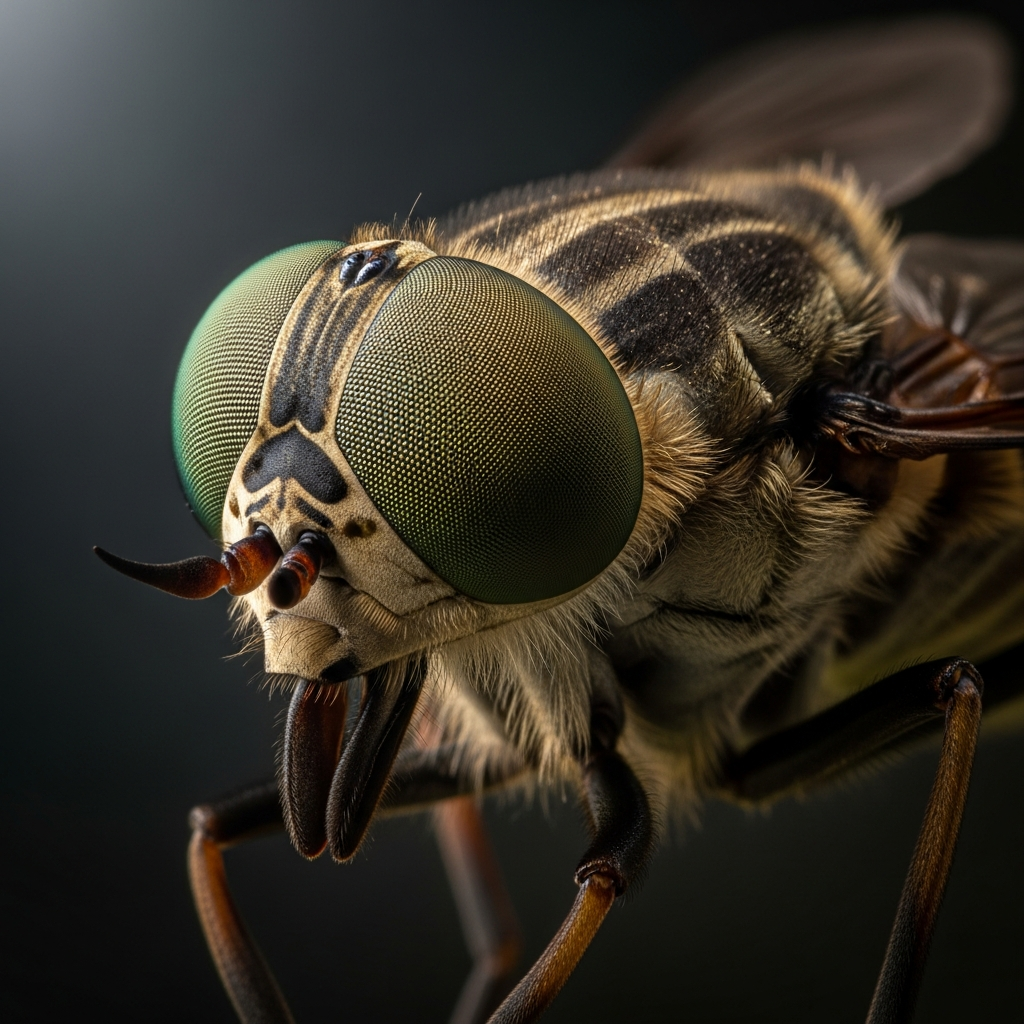
Stoneware mug, dishwasher safe
Buy Mug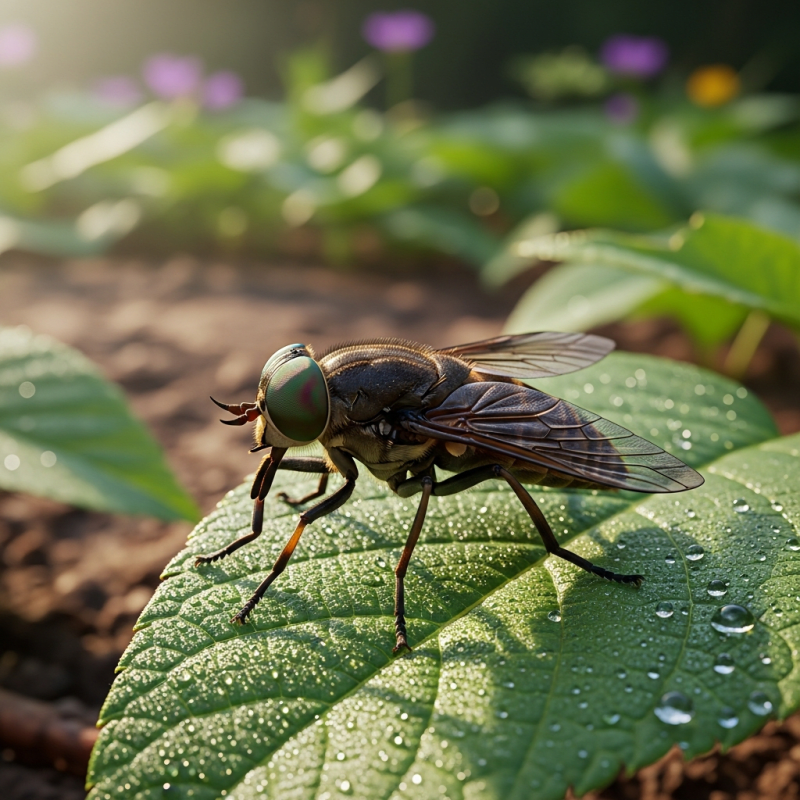
Soft cotton tee, unisex sizes
Buy ShirtWhile the horsefly does not hold significant cultural or symbolic roles, it is widely recognized in agricultural communities as a troublesome pest. Its painful bite and impact on livestock productivity have made it a subject of concern rather than celebration in human culture.
Horseflies inhabit a variety of environments where moist soil or aquatic conditions support larval development. They are widespread across Europe and other temperate regions, thriving in warm months when adults are active. Their habitats typically include wetlands, riverbanks, and areas near livestock where hosts are abundant.
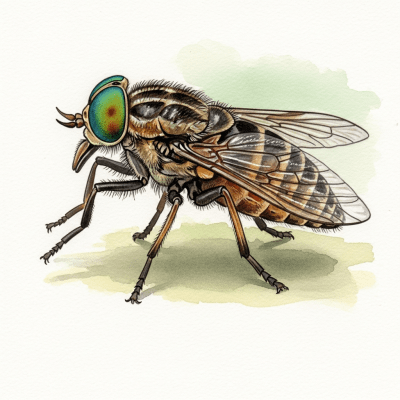
The horsefly undergoes complete metamorphosis, progressing through distinct stages: larva, pupa, and adult. Eggs are laid near moist or aquatic habitats where larvae feed on organic debris and small invertebrates. After pupation, adults emerge to seek hosts for blood meals (females) or nectar (males), continuing the cycle.
Horseflies contribute to ecosystems by participating in food webs at multiple stages. Larvae help decompose organic matter and control small invertebrate populations in soil and aquatic habitats. Adults, especially males, can act as pollinators when feeding on nectar, while females influence host animal behavior and health through their blood-feeding.
Horseflies face threats primarily from environmental changes that degrade larval habitats, such as wetland drainage and pollution. They are susceptible to insecticides used in pest control, which can reduce populations. Currently, there are no targeted conservation efforts, as horseflies are generally considered pests rather than species of concern.