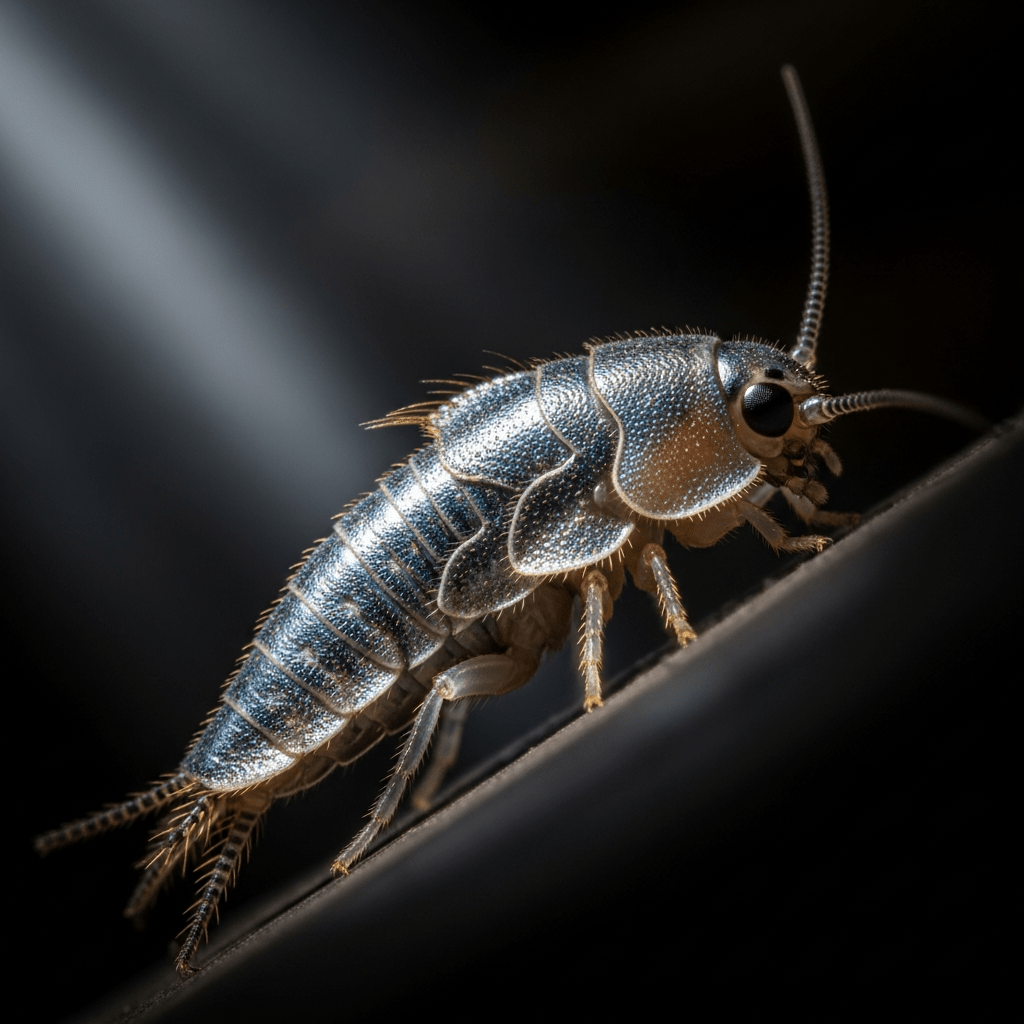
Lepisma Saccharina
Silverfish (Lepisma saccharina) are small, wingless insects known for their silvery, metallic sheen and swift, fish-like movements, commonly found in damp indoor environments where they feed on starchy materials.
Silverfish (Lepisma saccharina) are small, wingless insects known for their silvery, metallic sheen and swift, fish-like movements, commonly found in damp indoor environments where they feed on starchy materials.
First described by Carl Linnaeus in 1758, the silverfish represents one of the most ancient lineages within the insect order Zygentoma. This wild species has existed naturally for millions of years, retaining primitive traits that link it to early insect evolution.
Silverfish belong to the class Insecta and are classified within the order Zygentoma. Their genus is Lepisma, with the species name saccharina. As basal insects, they stand apart from more derived groups by lacking wings and undergoing no metamorphosis.
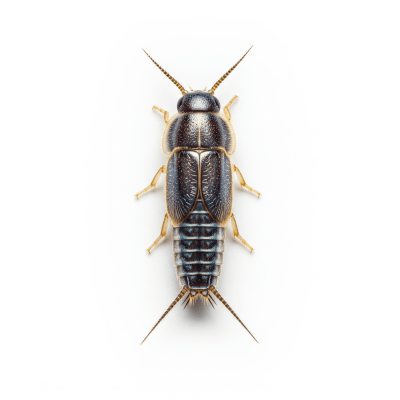
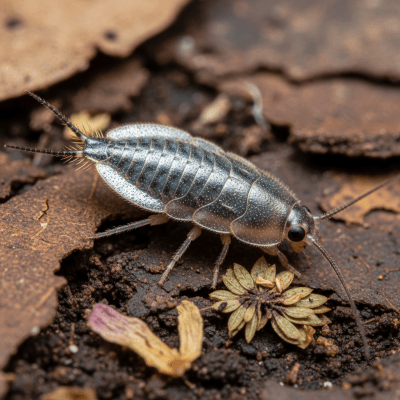
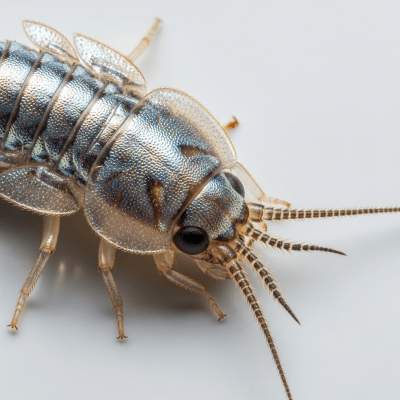
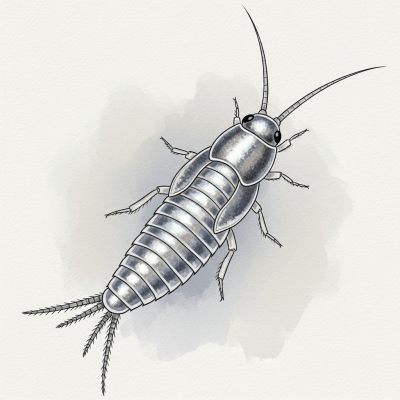
Silverfish have elongated, flattened bodies measuring 12 to 19 millimeters long, covered in fine silvery scales that give them a metallic sheen. They possess three long, slender filaments at the tip of their abdomen and two lengthy antennae. Their wingless form and smooth, tapered shape contribute to their swift, fish-like movements.
Nocturnal and highly agile, silverfish move quickly to avoid threats. They thrive in humid environments with 75–95% relative humidity and feed primarily on carbohydrates such as sugars and starches found in paper, glue, textiles, and food debris. Though resilient to starvation, they are sensitive to dryness and extreme temperatures. Silverfish are considered household pests due to their destructive feeding habits.
Bring this kind into your world illustrated posters, mugs, and shirts.
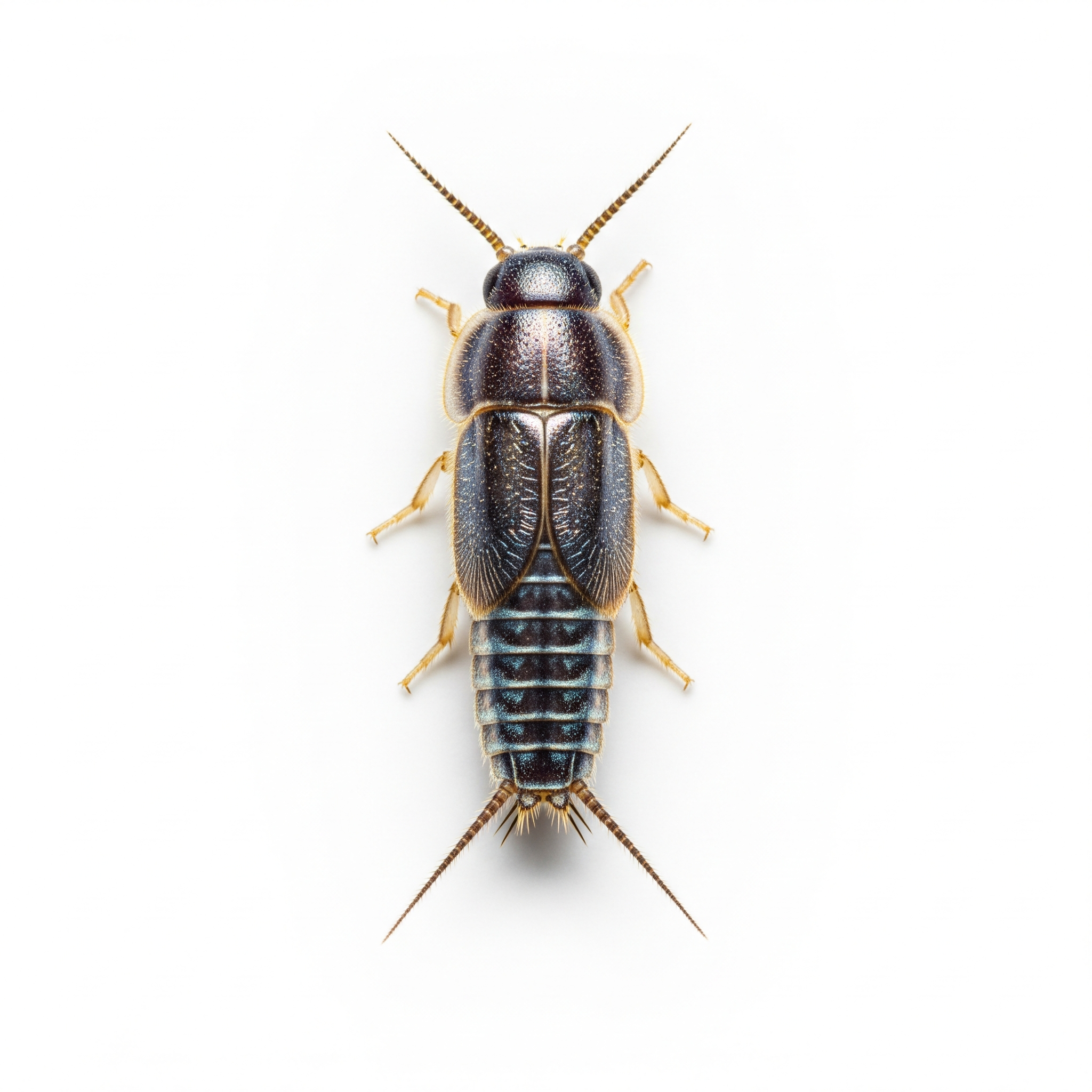
Archival print, museum-grade paper
Buy Poster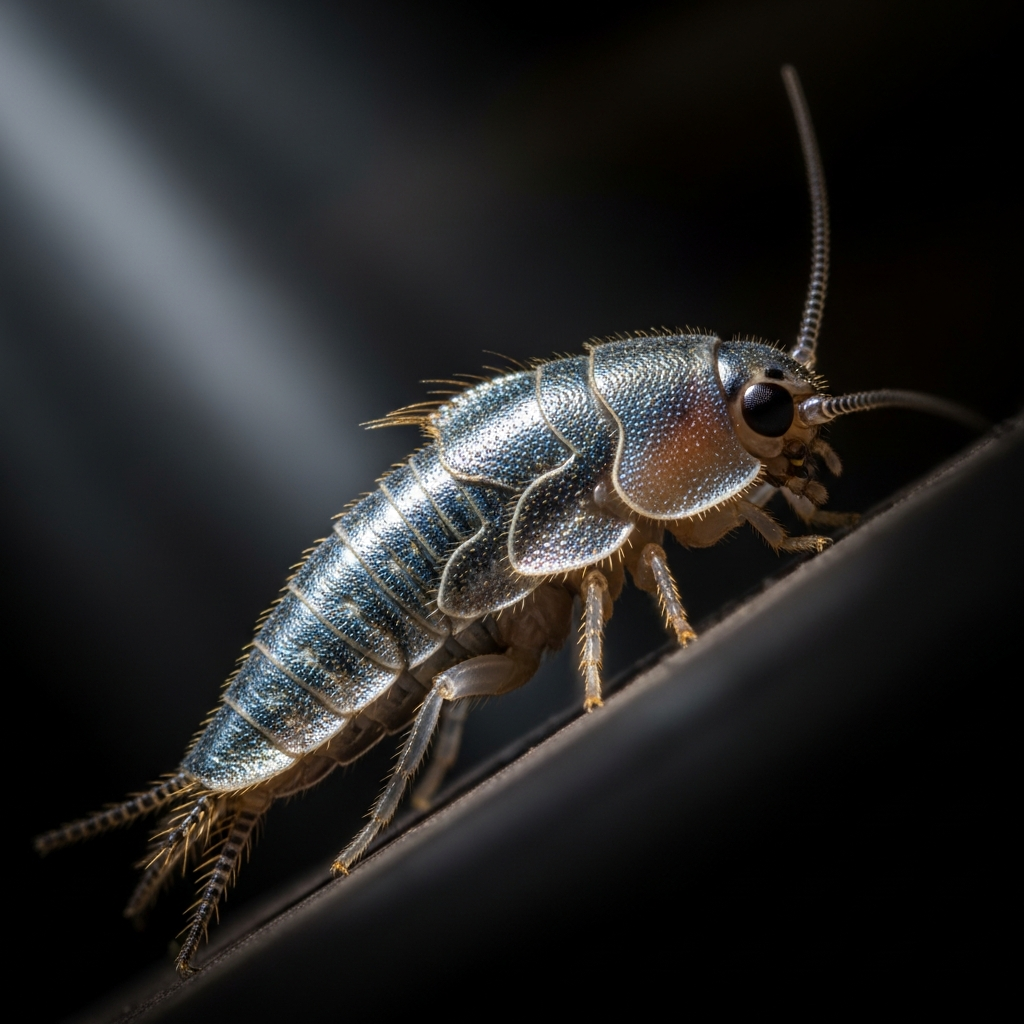
Stoneware mug, dishwasher safe
Buy Mug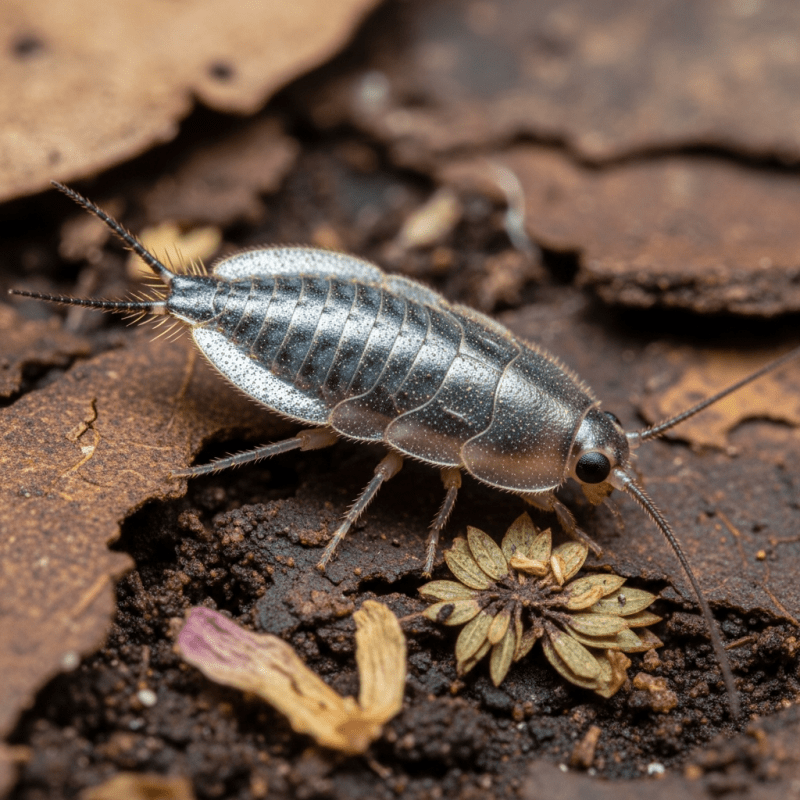
Soft cotton tee, unisex sizes
Buy ShirtSilverfish have limited cultural significance and do not feature prominently in art, mythology, or commerce. They are primarily recognized as common household pests rather than symbols or subjects of cultural expression.
Silverfish prefer damp, humid environments such as bathrooms, basements, and kitchens where relative humidity ranges between 75% and 95%. They are cosmopolitan in distribution, commonly found worldwide in human dwellings and other sheltered locations that provide moisture and food sources.
Silverfish undergo ametabolous development, meaning they hatch from eggs into juveniles that closely resemble adults. Their lifecycle includes the stages of egg, juvenile, and adult, without a pupal stage or metamorphosis. This primitive development reflects their ancient evolutionary lineage.
In their ecosystems, silverfish act as decomposers by feeding on starchy organic materials, aiding in the breakdown of detritus. While they have no known role in pollination or predation, their presence contributes to nutrient cycling within indoor and natural habitats.
Silverfish face few natural threats due to their resilience and adaptability. However, they are sensitive to desiccation and extreme temperatures. As common household pests, they are often targeted by pest control measures. There are no conservation concerns or efforts related to silverfish, given their widespread abundance and pest status.