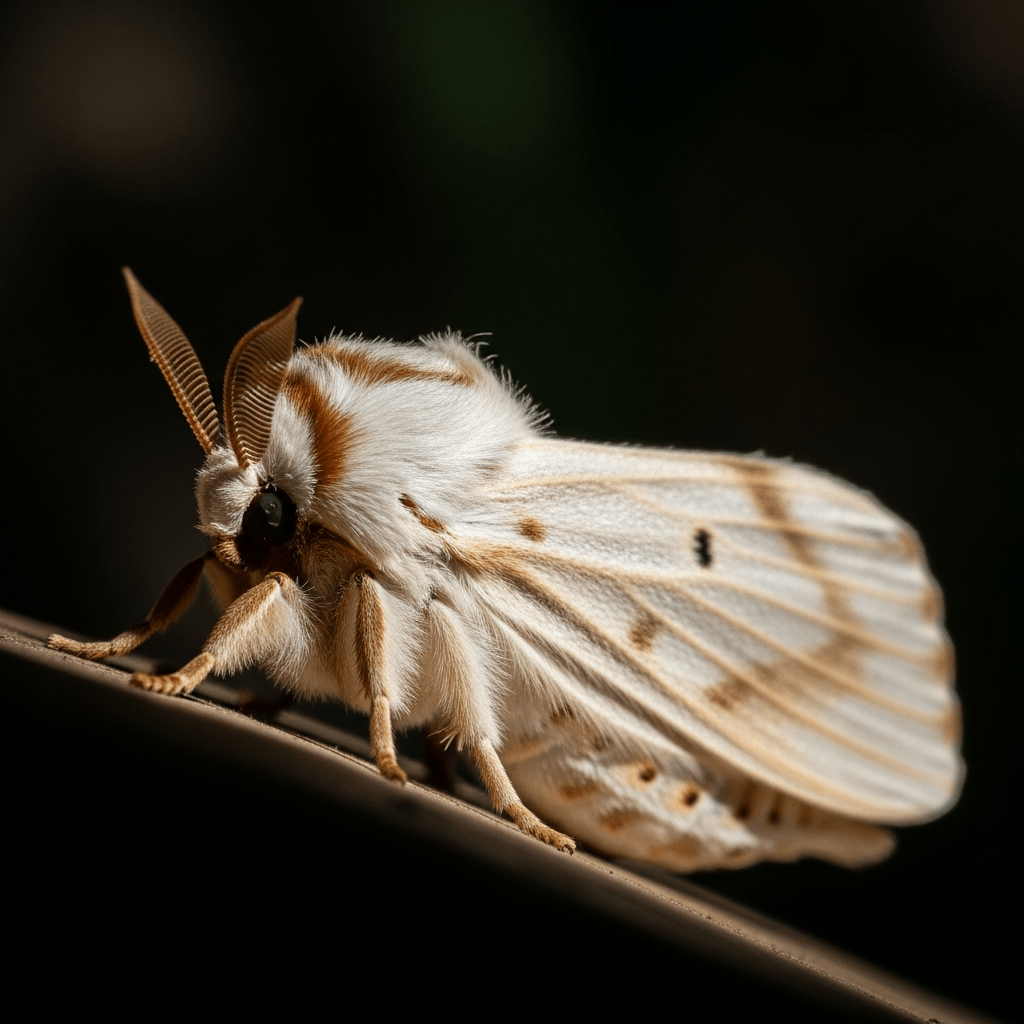
Bombyx Mori
Moths are a vast and diverse group of insects within the order Lepidoptera, primarily recognized for their nocturnal activity and distinctive antennae, setting them apart from their butterfly relatives.
Moths are a vast and diverse group of insects within the order Lepidoptera, primarily recognized for their nocturnal activity and distinctive antennae, setting them apart from their butterfly relatives.
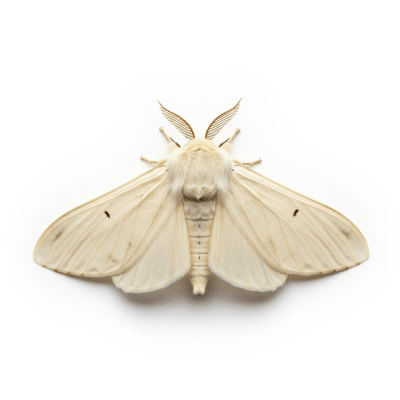
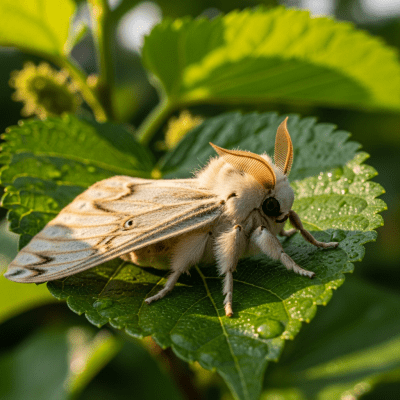
With origins tracing back to the Jurassic period, moths boast an ancient evolutionary history. Among them, the domesticated silkworm moth (Bombyx mori) was bred over 5,000 years ago in China from its wild ancestor Bombyx mandarina, marking one of humanity's earliest ventures into insect domestication.
Moths belong to the class Insecta and the order Lepidoptera, which they share with butterflies. Within this order, they encompass numerous families such as Bombycidae (silkworm moths), Noctuidae (owlet moths), and Sphingidae (hawk moths), each representing distinct evolutionary lineages and ecological roles.
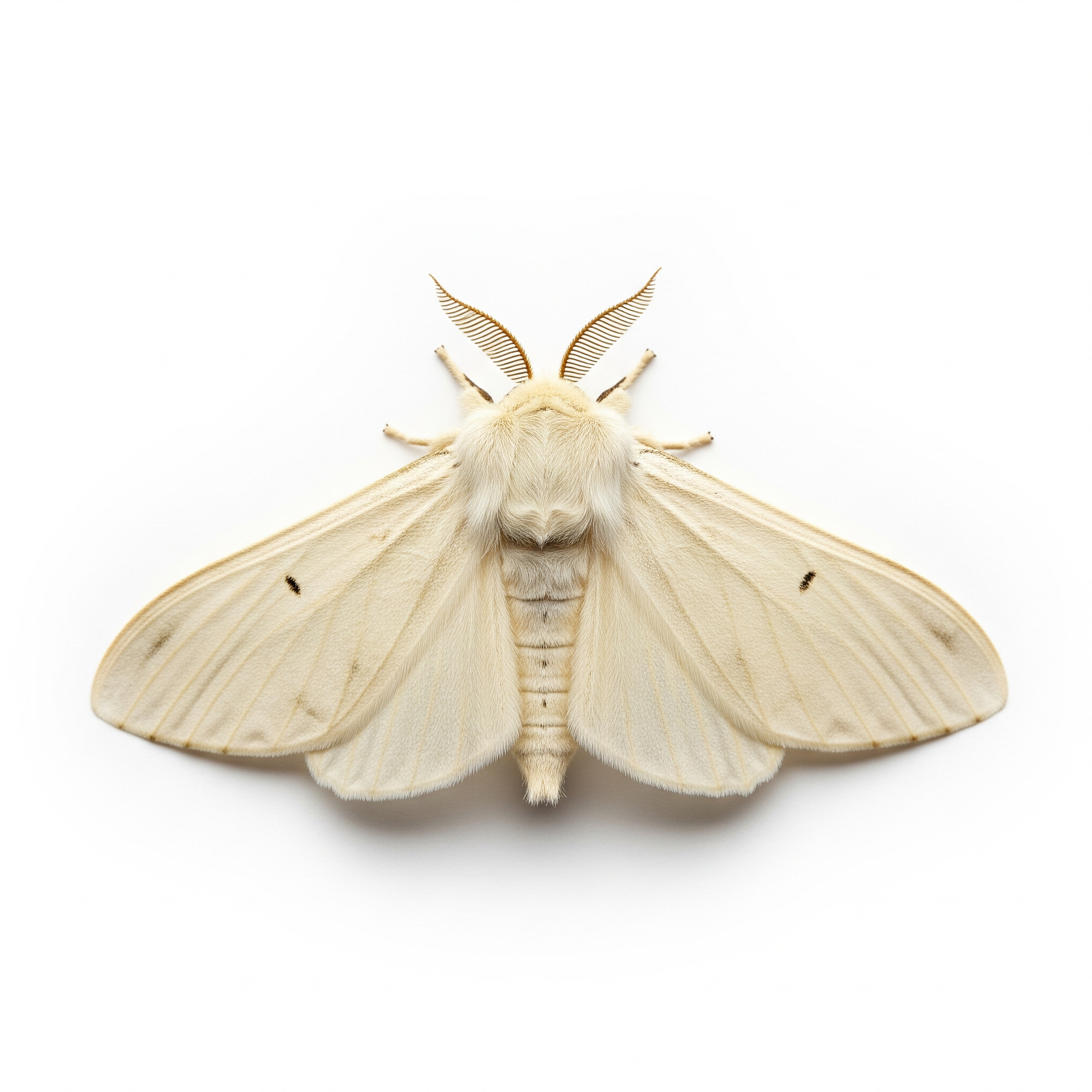
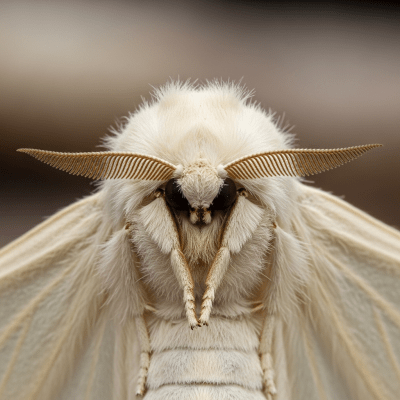
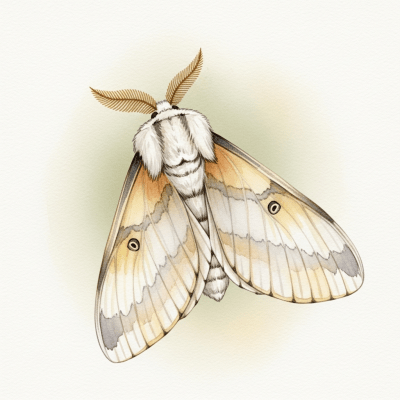
Moths typically feature a three-part body comprising the head, thorax, and abdomen, adorned with two pairs of scaled wings. Their antennae vary from feathery to filamentous forms, a key trait distinguishing them from butterflies. Sizes range dramatically, from tiny micro-moths with wingspans under 5 mm to giants like the Atlas moth reaching up to 25 cm. Coloration spans cryptic browns and grays to vivid, intricate patterns, often adapted for camouflage or signaling.
Most moths are nocturnal, drawn to artificial lights at night. Their larvae, commonly known as caterpillars, exhibit diverse feeding habits, with some species acting as significant agricultural pests. The silkworm moth stands out for its role in silk production, where larvae are reared under controlled conditions to harvest valuable silk fibers. Beyond this, moths contribute to pollination and serve as ecological indicators.
Bring this kind into your world illustrated posters, mugs, and shirts.
Archival print, museum-grade paper
Buy Poster
Stoneware mug, dishwasher safe
Buy Mug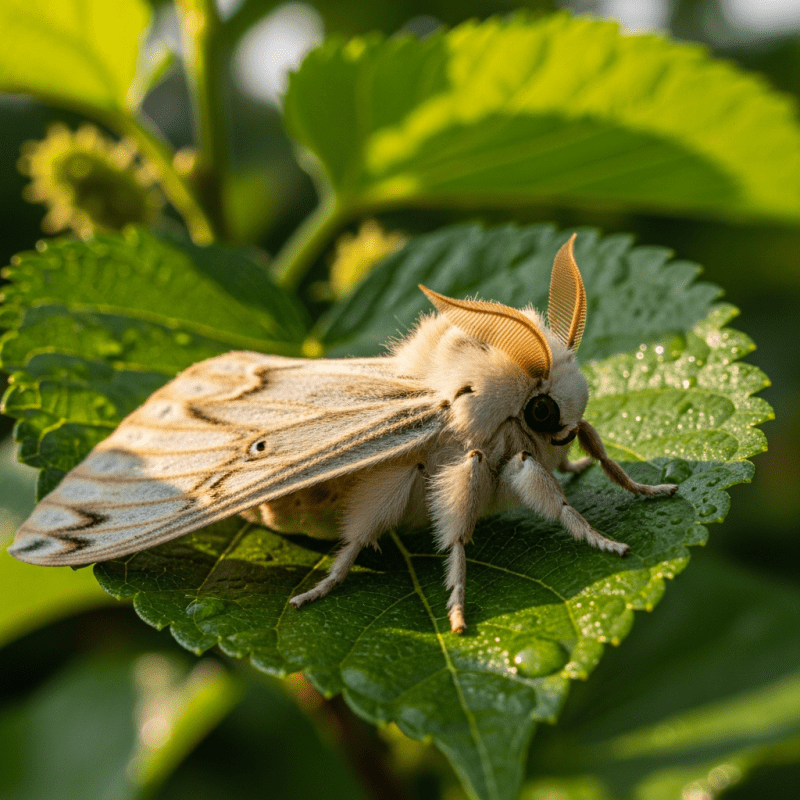
Soft cotton tee, unisex sizes
Buy ShirtMoths have woven themselves into human culture through their economic importance and symbolic presence. The silkworm moth underpins the historic and ongoing silk industry, especially in Asia. Moths also appear in art, literature, and folklore, often symbolizing transformation, mystery, or the nocturnal world.
Moths inhabit a wide range of environments worldwide, from dense forests and grasslands to urban areas. While many species are nocturnal forest dwellers, others thrive in deserts or mountainous regions. The domesticated silkworm moth is typically reared in controlled environments, whereas wild relatives occupy forested habitats across Asia and beyond.
Moths undergo complete metamorphosis, progressing through four distinct stages: egg, larva (caterpillar), pupa, and adult. The larval stage is primarily focused on feeding and growth, often causing notable impacts on vegetation. Pupation occurs within cocoons, after which the adult moth emerges, ready to reproduce and continue the cycle.
Moths play vital roles in ecosystems as pollinators, especially during nighttime when many flowers rely on them. Their larvae serve as important herbivores, influencing plant community dynamics, while also providing food for a variety of predators such as birds and bats. Additionally, moths act as bioindicators, reflecting environmental health and biodiversity.
Moth populations face threats from habitat loss, pesticide use, light pollution, and climate change. While some species like the silkworm moth are bred in captivity, many wild moths suffer from declining numbers due to environmental pressures. Conservation efforts focus on habitat preservation, reducing chemical impacts, and raising awareness of moths' ecological importance.