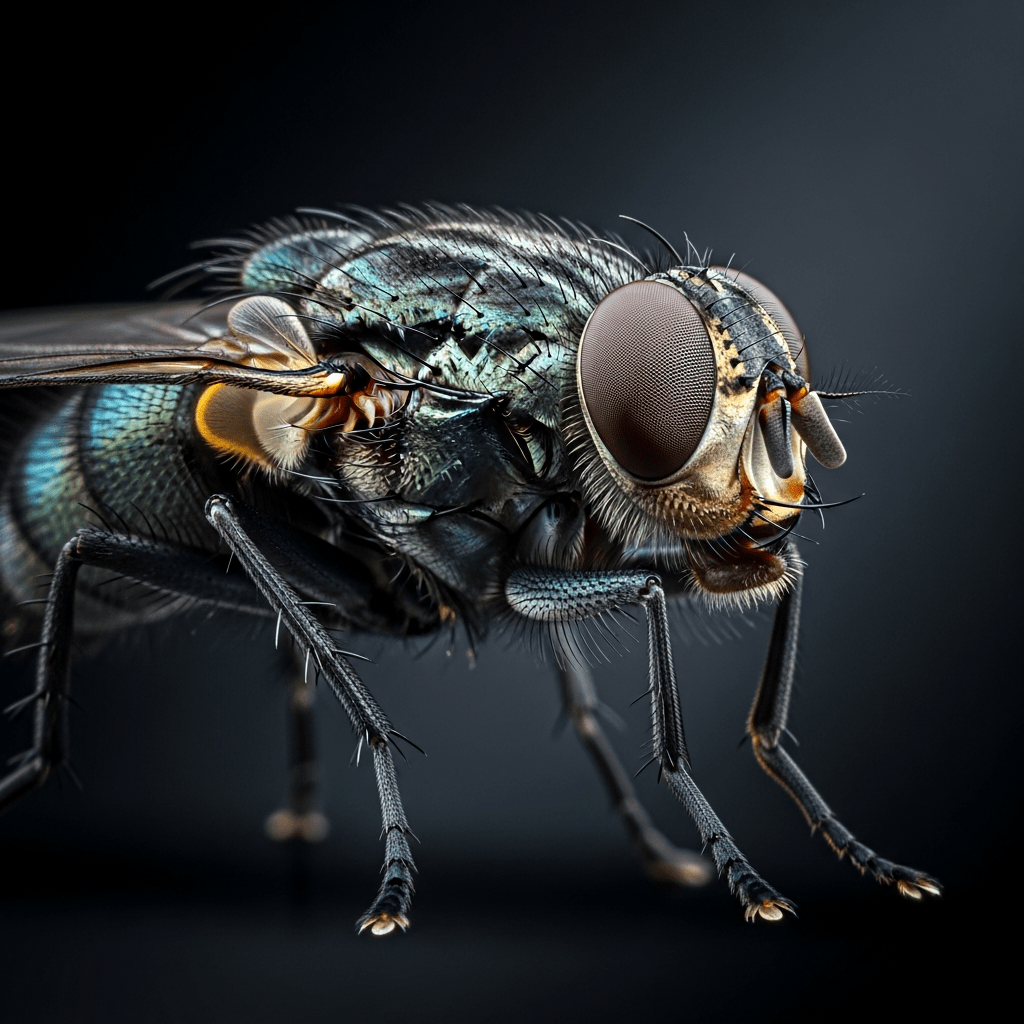
Musca Domestica
The housefly (Musca domestica) is a small, widespread insect known for its close association with human environments and its role as a common household pest.
The housefly (Musca domestica) is a small, widespread insect known for its close association with human environments and its role as a common household pest.
First described by Carl Linnaeus in 1758, the housefly originated in the temperate regions of Eurasia. Over time, it has spread globally, thriving alongside human settlements due to its adaptability and synanthropic nature.
The housefly belongs to the class Insecta, order Diptera, and family Muscidae. Its genus is Musca, with the species name domestica, placing it firmly within the diverse group of true flies characterized by a single pair of wings.
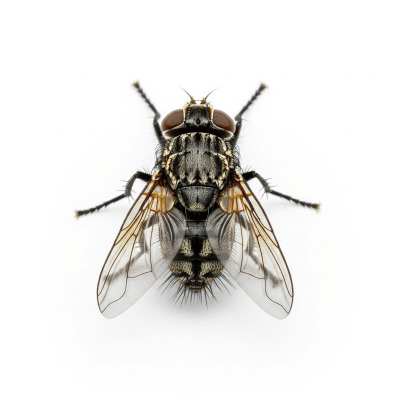
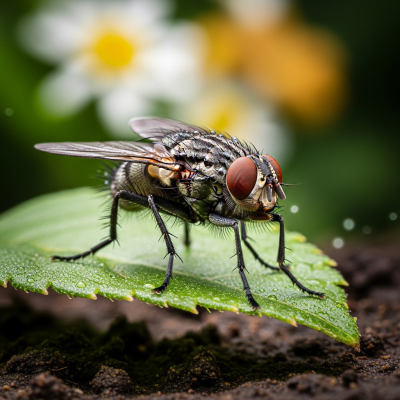
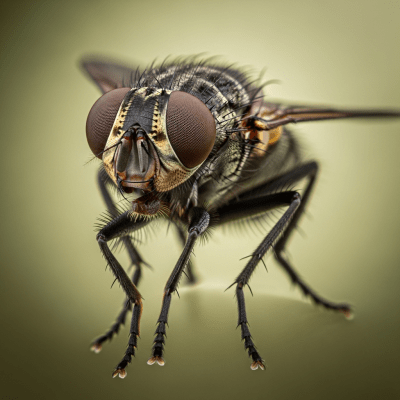
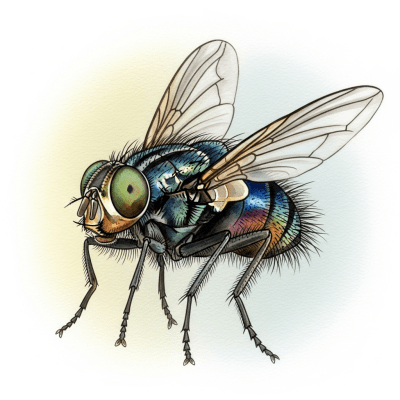
Adult houseflies measure between 5 and 8 millimeters in length. They feature a gray thorax marked by four distinct longitudinal dark stripes and a slightly yellowish abdomen. Their large reddish compound eyes provide keen vision, while a single pair of membranous wings enables agile flight. Equipped with sponging mouthparts, they feed primarily on liquids. Like all insects, they have six legs.
Houseflies are highly mobile and prolific breeders, with females capable of laying up to 500 eggs in decaying organic matter such as manure and garbage. Their rapid life cycle, completing metamorphosis from egg to adult in as little as 7 to 10 days under optimal conditions, allows them to quickly colonize environments. While they are considered pests due to their role in mechanical transmission of pathogens, houseflies are also extensively used in scientific research, particularly in genetics, physiology, and toxicology studies.
Bring this kind into your world illustrated posters, mugs, and shirts.
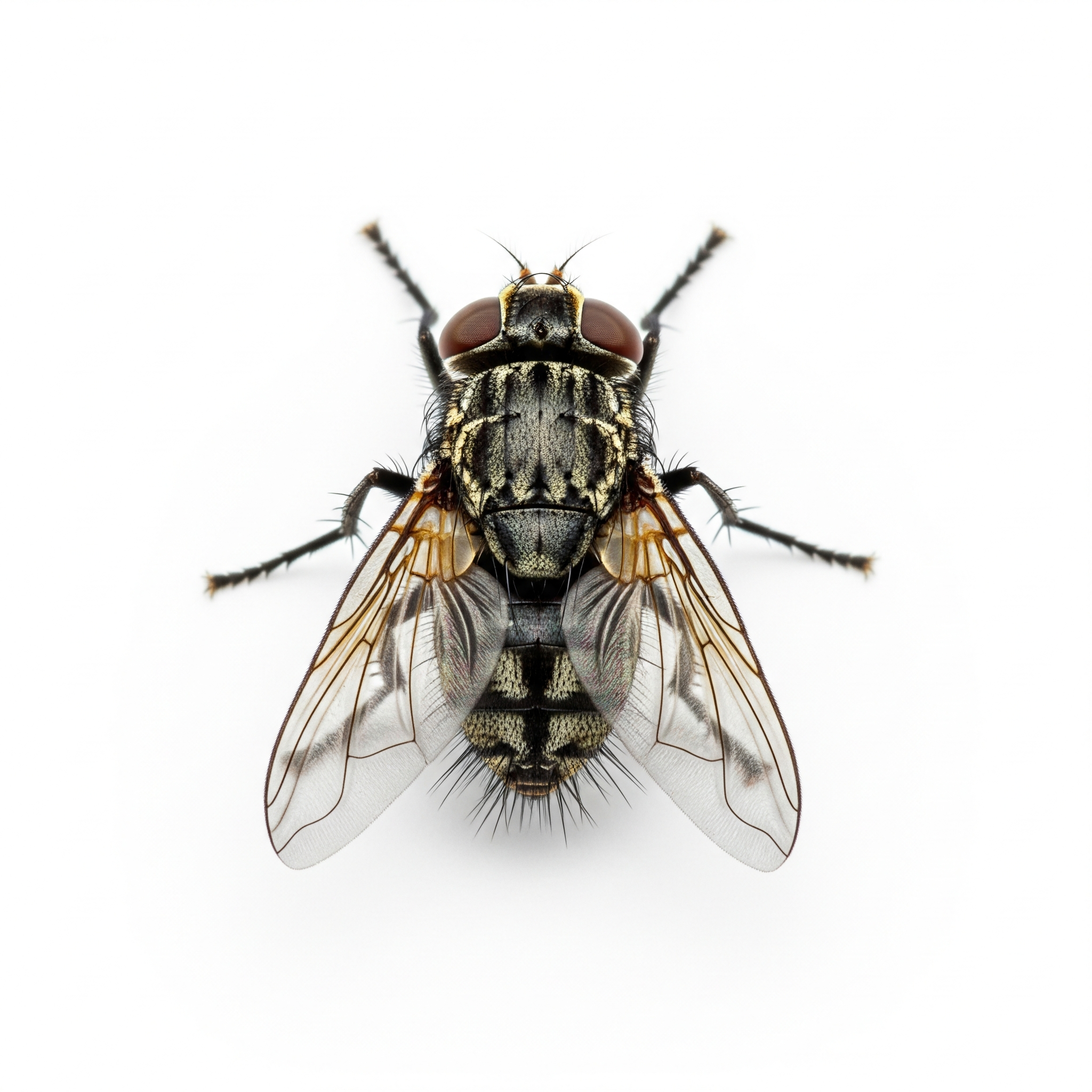
Archival print, museum-grade paper
Buy Poster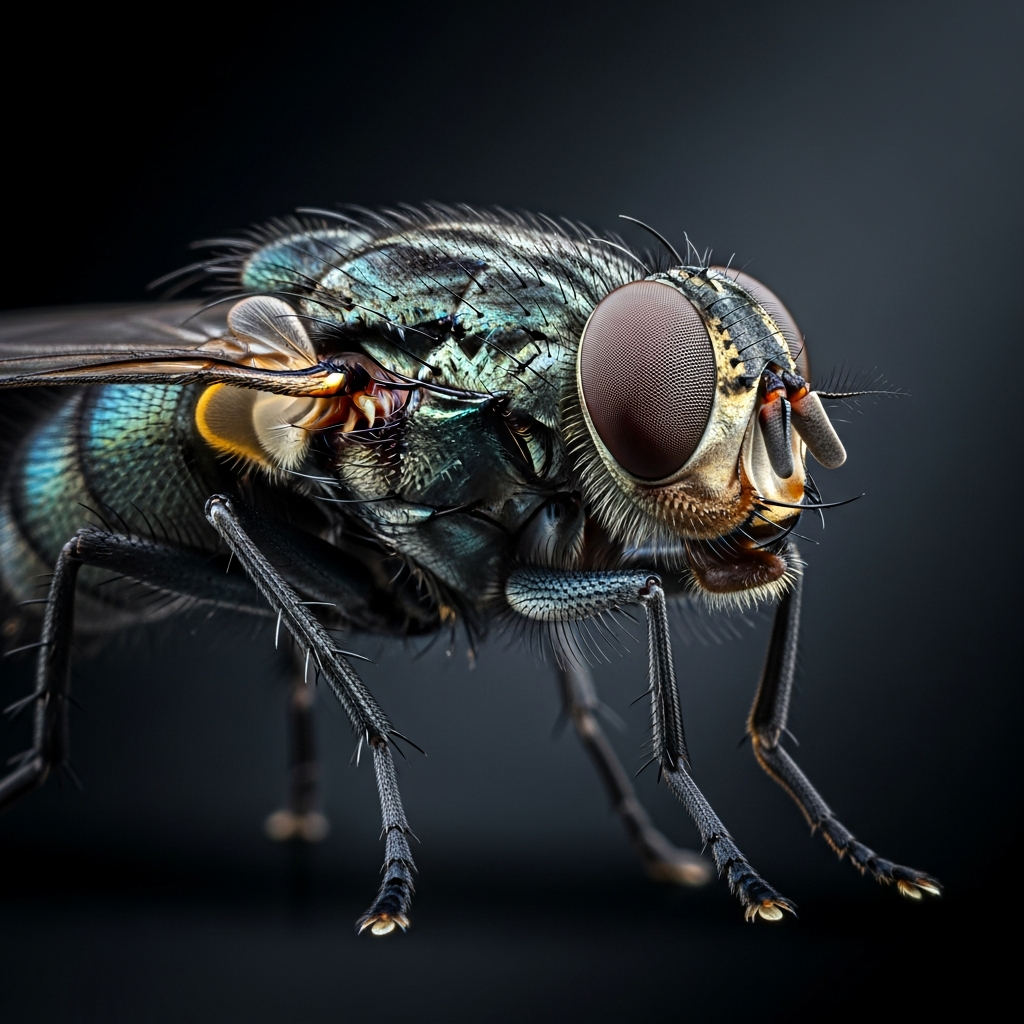
Stoneware mug, dishwasher safe
Buy Mug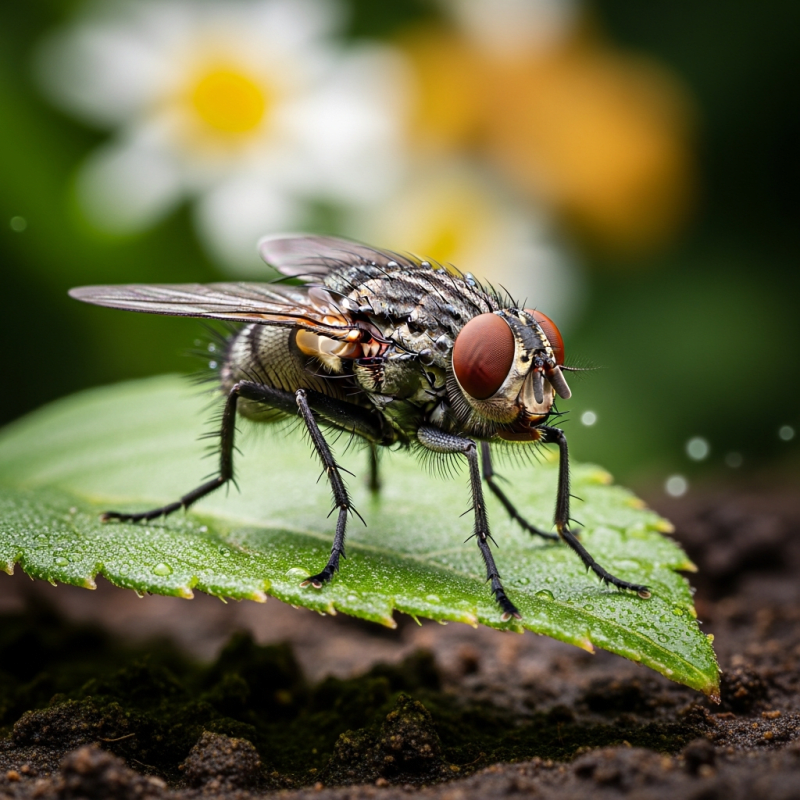
Soft cotton tee, unisex sizes
Buy ShirtAlthough the housefly holds little positive cultural symbolism, it frequently appears in art and literature as a representation of nuisance, decay, or disease. Its pervasive presence in human environments has made it a familiar figure in folklore and metaphor, often embodying themes of persistence and contamination.
Houseflies thrive in synanthropic habitats closely linked to humans, including homes, farms, garbage sites, and other areas rich in decaying organic matter. Originally native to temperate Eurasia, they now have a cosmopolitan distribution, found worldwide wherever humans live.
The housefly undergoes complete metamorphosis, progressing through four distinct stages: egg, larva (commonly called maggot), pupa, and adult. Females deposit eggs in moist, decaying organic material, where larvae hatch and feed before pupating. The entire development cycle can be as brief as one week in warm conditions, enabling rapid population growth.
Houseflies play a role as decomposers by consuming and breaking down organic waste, thereby contributing to nutrient recycling. However, their tendency to spread pathogens makes them vectors of disease rather than beneficial pollinators or predators. In some experimental contexts, their larvae are utilized in waste bioconversion and animal feed production.
As a widespread and adaptable species, the housefly faces few natural threats and is not considered endangered. Control efforts focus on managing populations due to their pest status and disease transmission potential. Resistance to insecticides poses challenges for pest management, prompting ongoing research into effective control methods rather than conservation.