Anax Junius
The dragonfly Anax junius, commonly known as the Common Green Darner, is a swift and skilled predatory insect recognized for its vibrant colors, multifaceted eyes, and mastery of agile flight.
The dragonfly Anax junius, commonly known as the Common Green Darner, is a swift and skilled predatory insect recognized for its vibrant colors, multifaceted eyes, and mastery of agile flight.
Anax junius was first formally described by the entomologist Drury in 1773. This species is wild and naturally occurring, with a well-established lineage within the family Aeshnidae and the order Odonata, reflecting a long evolutionary history as an aquatic and aerial predator.
The Common Green Darner belongs to the class Insecta, order Odonata, family Aeshnidae, and genus Anax. It is part of the suborder Anisoptera, which encompasses dragonflies known for their powerful flight and aquatic nymph stages.
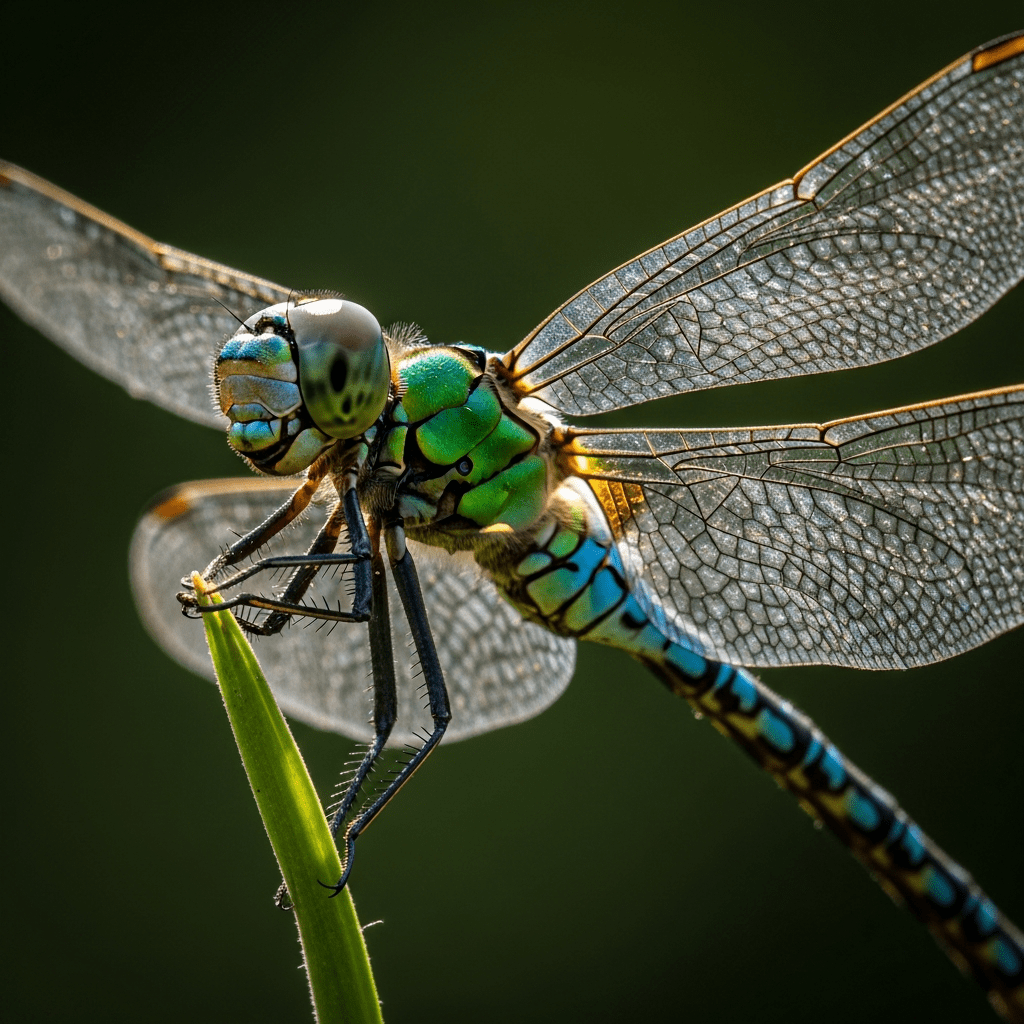
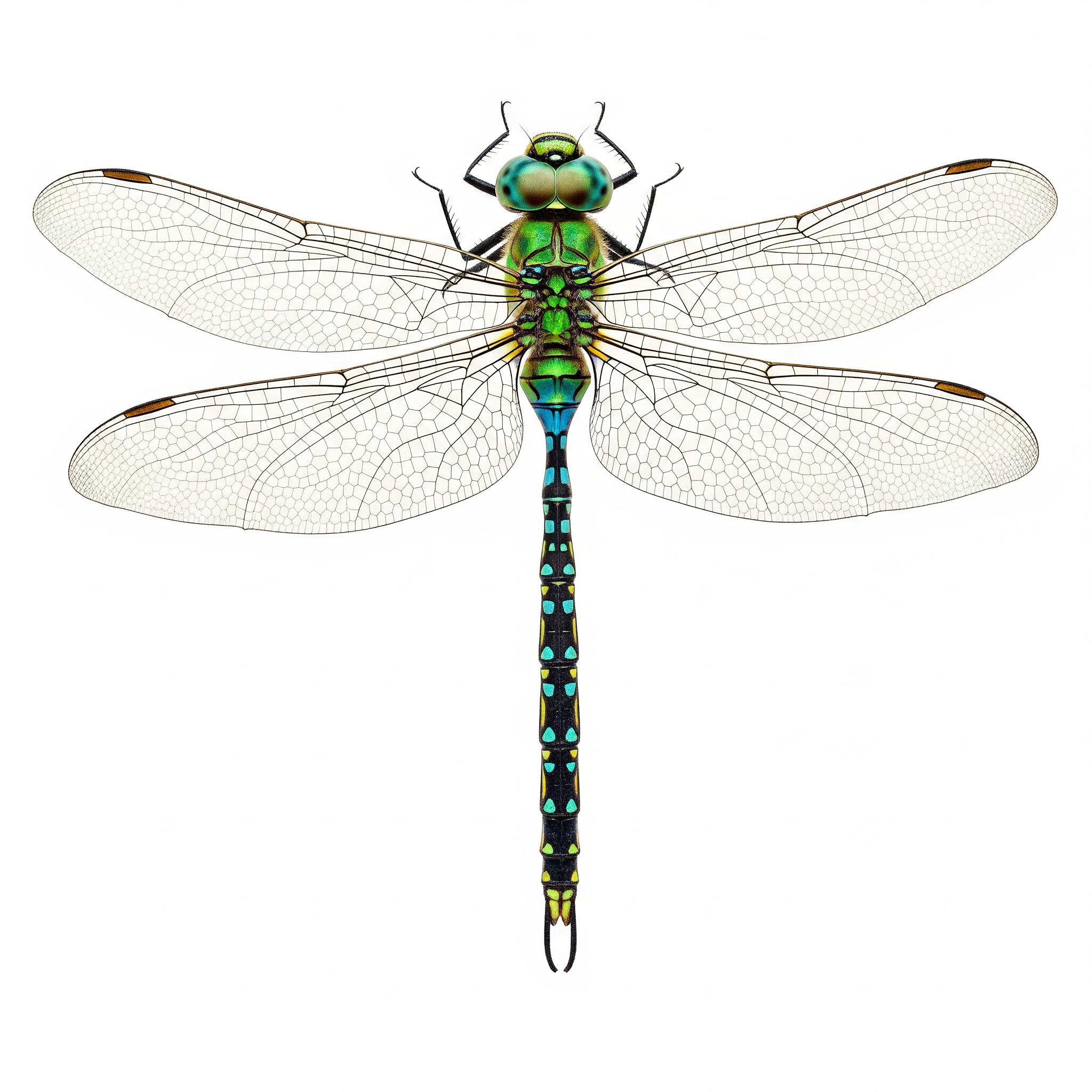
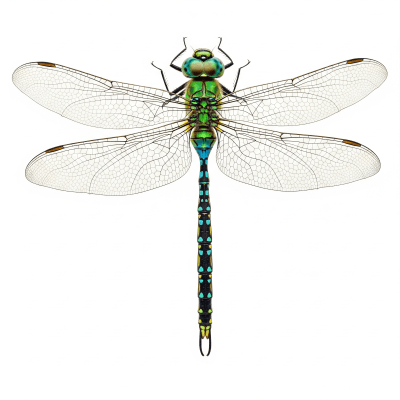
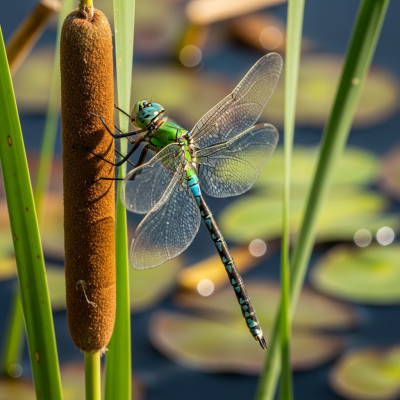
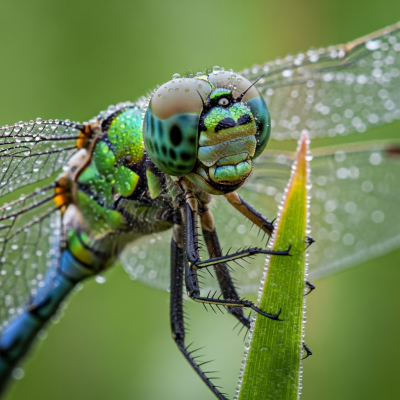
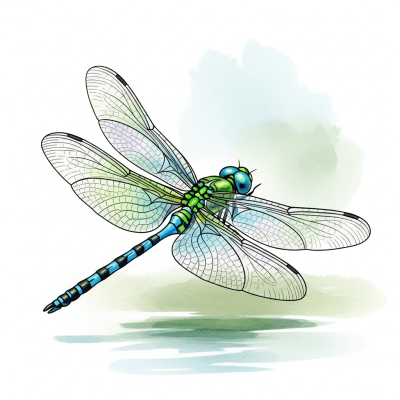
Anax junius features an elongated body measuring 70 to 80 millimeters in length, with a wingspan ranging from 90 to 120 millimeters. Its thorax shines with vivid green hues, contrasted by a blue abdomen. The two pairs of transparent wings bear a distinctive dark spot called a pterostigma near their tips. Large, multifaceted compound eyes dominate its head, granting exceptional vision essential for hunting and navigation.
Known for its agile and rapid flight, the Common Green Darner is a formidable predator of mosquitoes, flies, and other small insects. Its aquatic nymphs are equally predatory, using extendable jaws to capture prey underwater. While not cultivated or bred for agricultural purposes, this species plays a vital role in natural pest control and is appreciated in ecotourism, education, and artistic endeavors.
Bring this kind into your world illustrated posters, mugs, and shirts.
Archival print, museum-grade paper
Buy Poster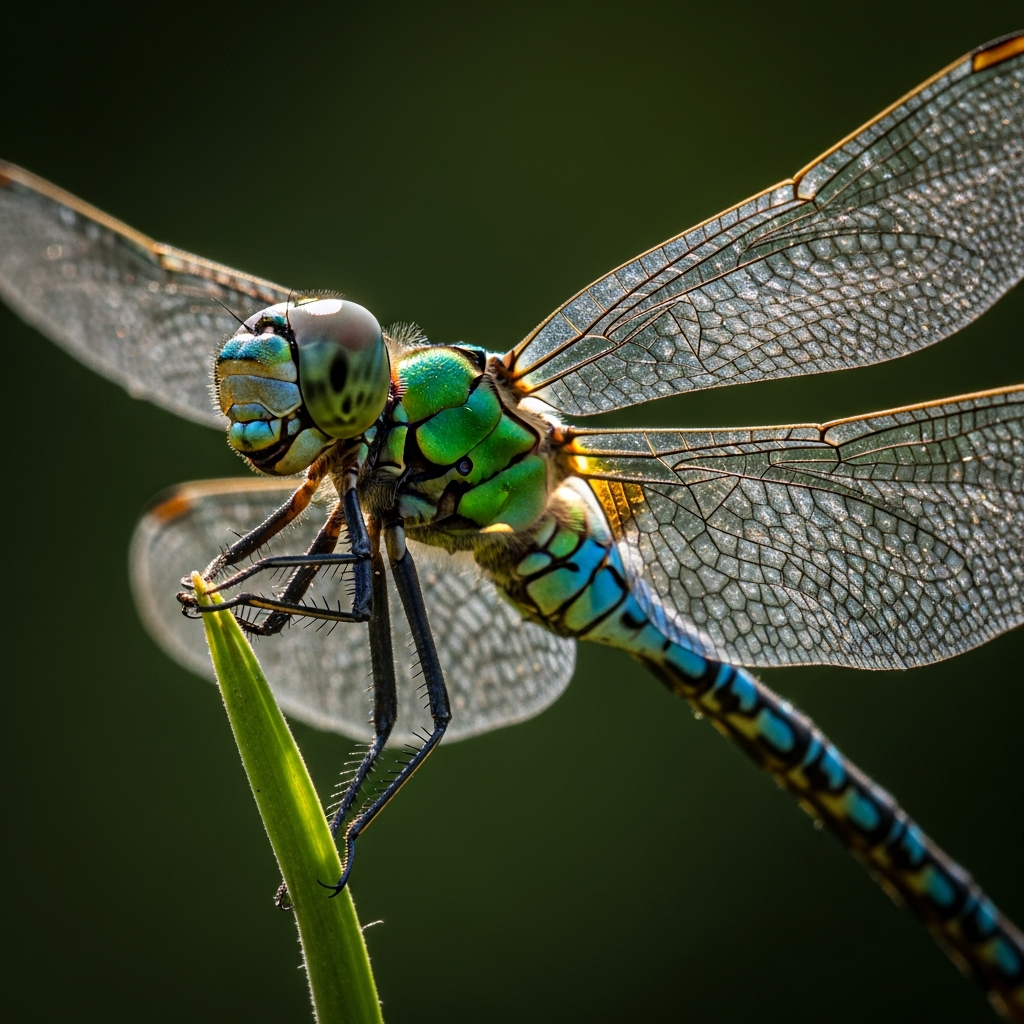
Stoneware mug, dishwasher safe
Buy Mug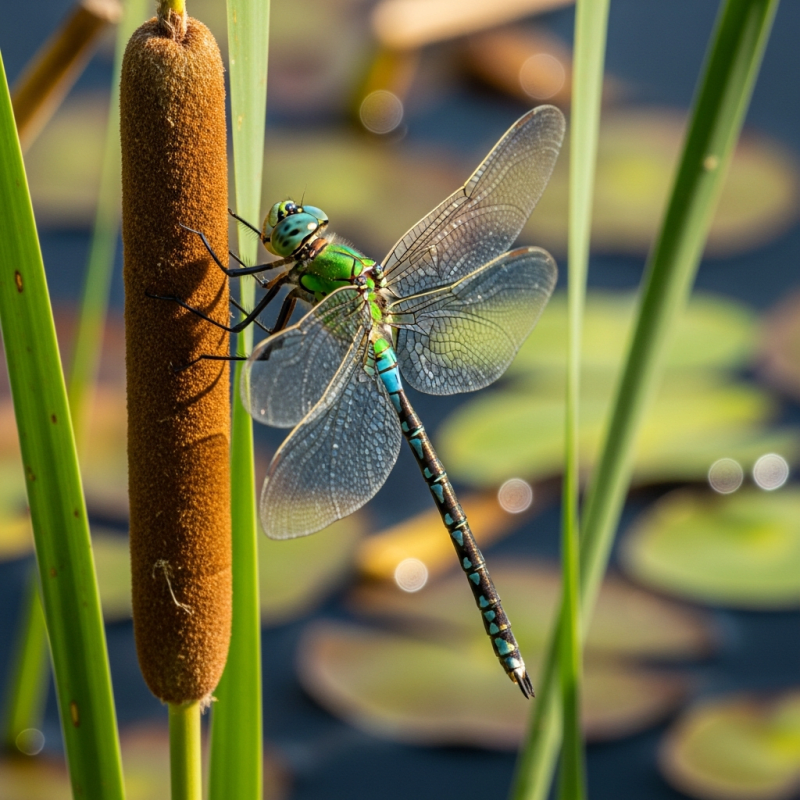
Soft cotton tee, unisex sizes
Buy ShirtDragonflies like Anax junius hold symbolic value in various cultures, often representing transformation, agility, and the vitality of freshwater ecosystems. They appear in art, photography, and educational materials, celebrated for their ecological importance and striking beauty.
Anax junius inhabits freshwater environments such as ponds, lakes, and slow-moving streams across North America, Central America, and the Caribbean. Its migratory populations can travel from southern Canada down to Panama, favoring aquatic habitats where its nymphs thrive and adults hunt.
The lifecycle of the Common Green Darner follows incomplete metamorphosis, beginning with eggs laid in water. These hatch into aquatic nymphs that undergo multiple molts while preying on other aquatic organisms. After sufficient growth, the nymph emerges from the water and molts one final time to become a winged adult, capable of flight and reproduction.
As top insect predators in freshwater ecosystems, both the nymph and adult stages of Anax junius help regulate populations of mosquitoes and other small insects. Their presence indicates healthy aquatic environments, and they contribute to natural pest control, supporting biodiversity and ecosystem balance.
Currently, the Common Green Darner maintains stable populations without major global threats. However, habitat degradation, water pollution, and climate change pose risks to freshwater habitats essential for their lifecycle. Conservation efforts focus on preserving clean aquatic environments to support their continued ecological role.