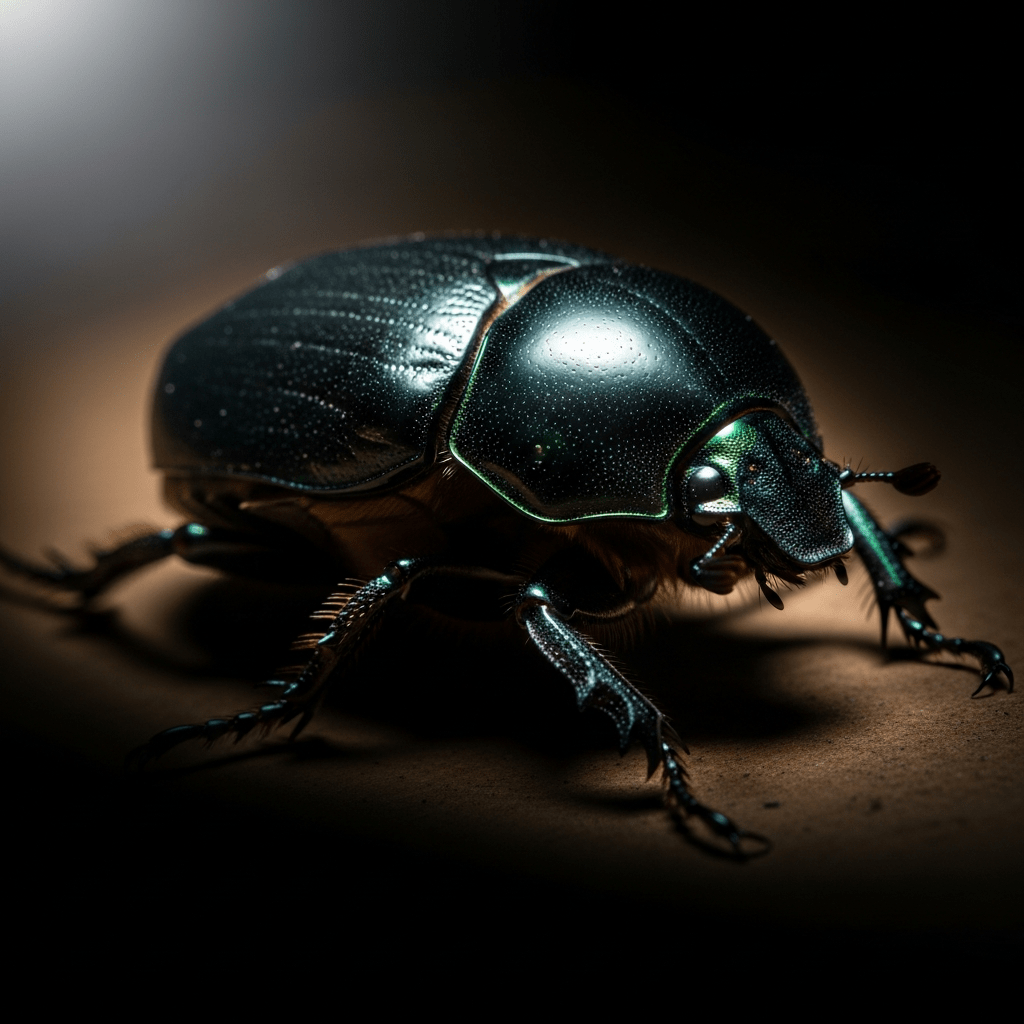
Scarabaeus Sacer
The scarab beetle, Scarabaeus sacer, is a distinctive insect known for its rounded, robust body and its iconic role in ancient Egyptian culture as a symbol of rebirth and the sun.
The scarab beetle, Scarabaeus sacer, is a distinctive insect known for its rounded, robust body and its iconic role in ancient Egyptian culture as a symbol of rebirth and the sun.
Scarabaeus sacer was first formally described by Carl Linnaeus in 1758. This wild species belongs to the order Coleoptera and family Scarabaeidae, with a lineage deeply rooted in natural history rather than domestication or breeding.
The scarab beetle is classified within the class Insecta, order Coleoptera, family Scarabaeidae, and genus Scarabaeus. It serves as the type species of its genus, anchoring its taxonomic identity among dung beetles.
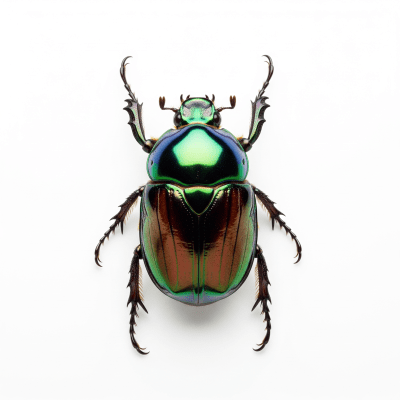
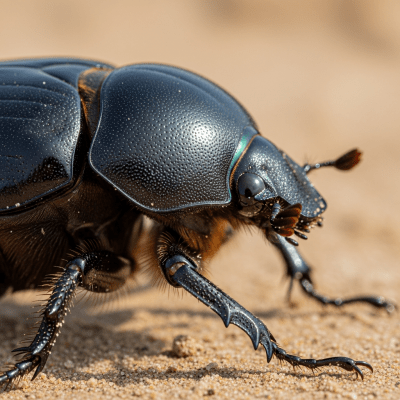
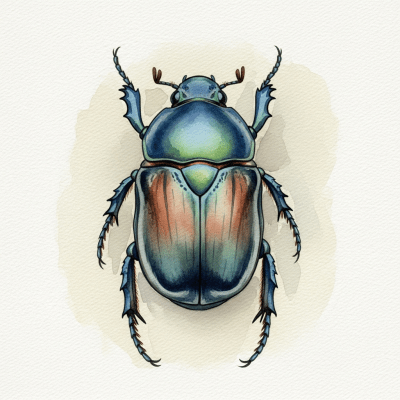
Scarabaeus sacer features a compact, oval-shaped body measuring between 25 and 37 millimeters. Its exoskeleton is typically black or dark brown, sometimes exhibiting a subtle metallic sheen. The beetle has six legs adapted for digging and rolling dung, clubbed antennae sensitive to odors, and two pairs of wings: hard, protective forewings (elytra) and membranous hindwings used for flight.
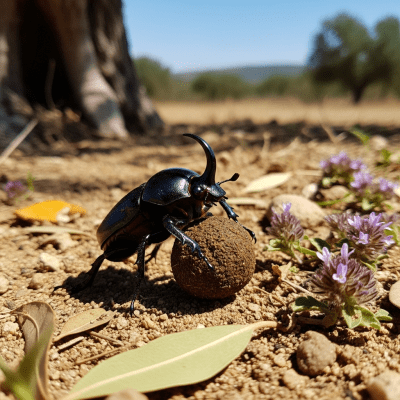
Known for its remarkable dung-rolling behavior, the scarab beetle forms balls of dung which it rolls away and buries. These dung balls serve as both a food source and a reproductive chamber. This behavior not only sustains the beetle but also plays a vital role in nutrient recycling within its environment.
Bring this kind into your world illustrated posters, mugs, and shirts.
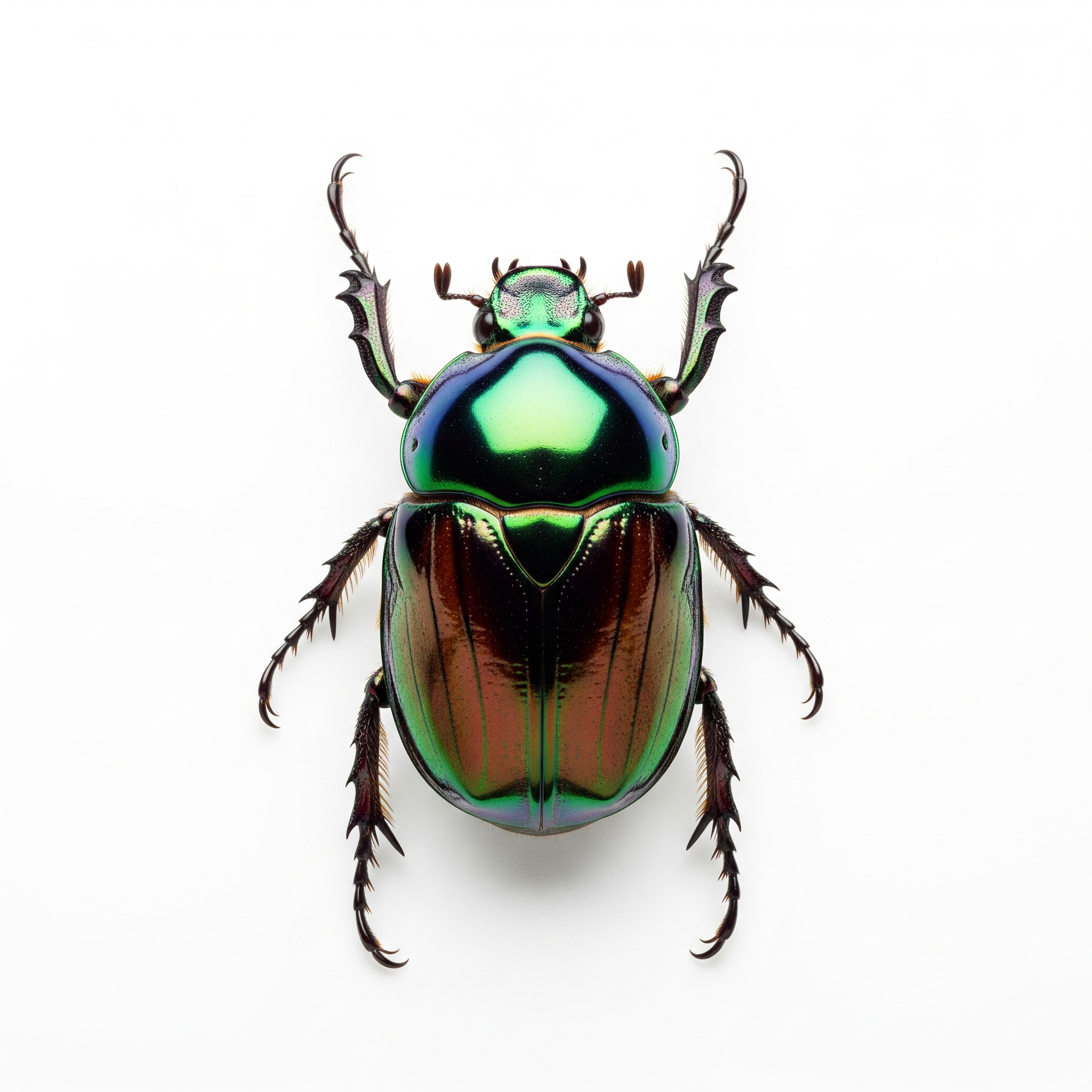
Archival print, museum-grade paper
Buy Poster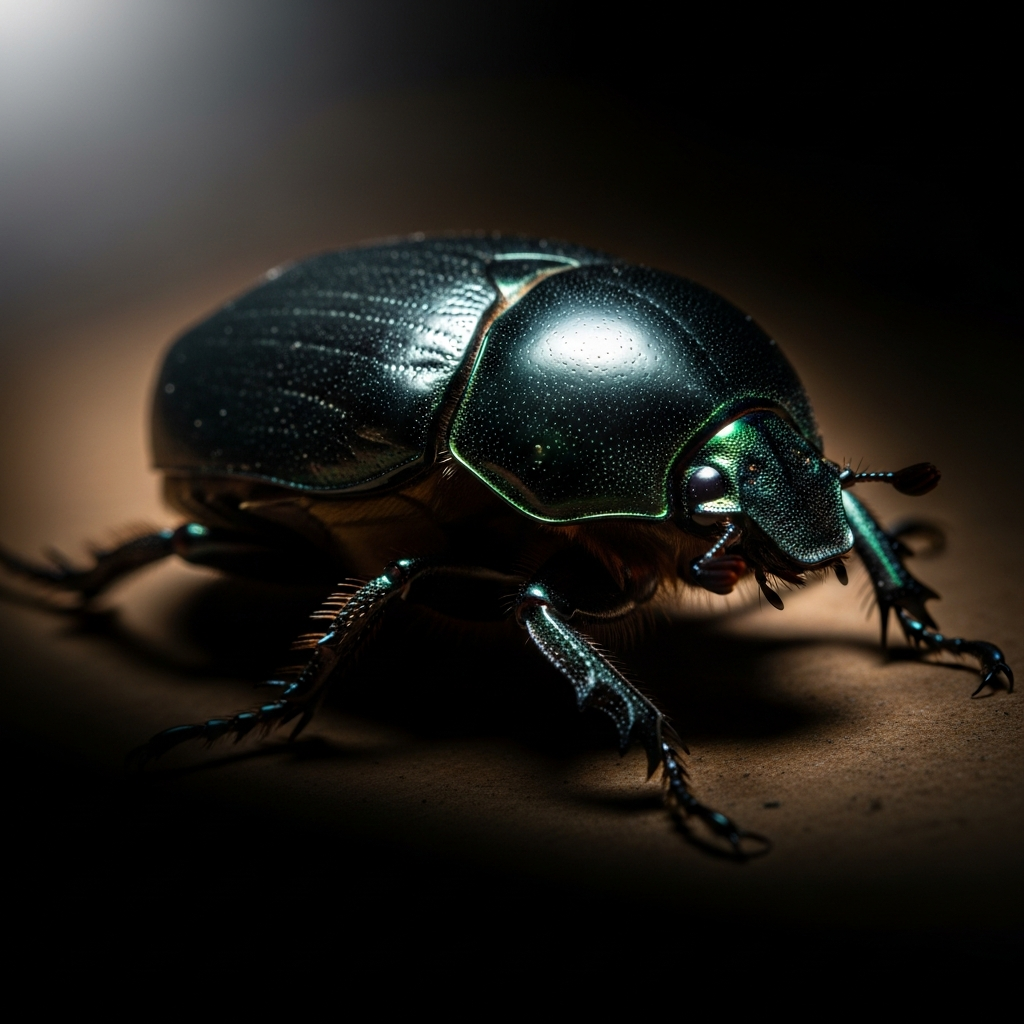
Stoneware mug, dishwasher safe
Buy Mug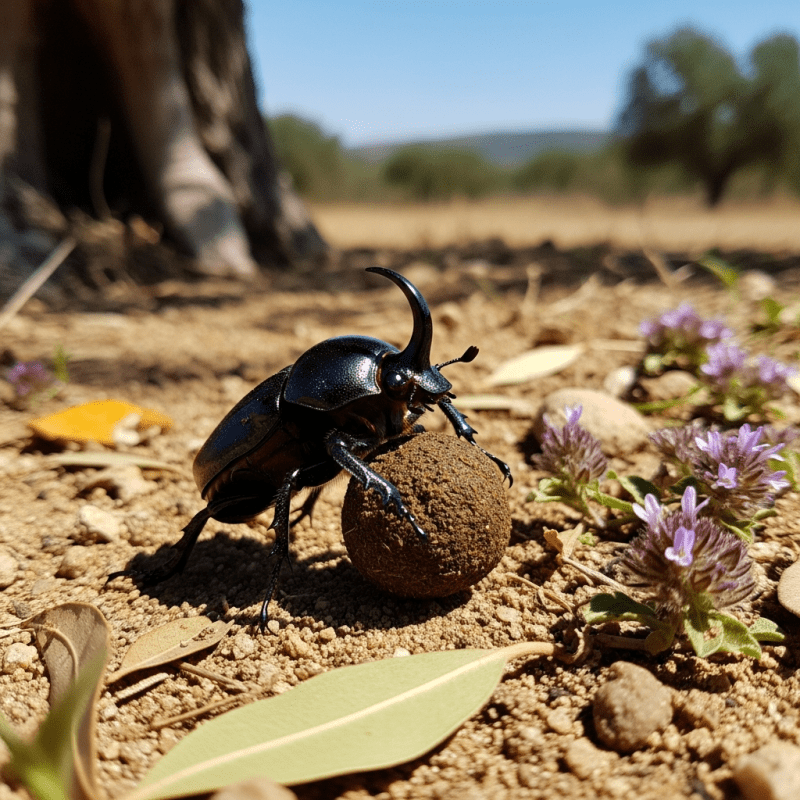
Soft cotton tee, unisex sizes
Buy ShirtThe scarab beetle holds profound cultural importance, especially in ancient Egypt where it was revered as the symbol "Kheper," representing rebirth and the sun. Its image was widely used in jewelry, amulets, and art, embodying protection and transformation.
The scarab beetle thrives in arid and semi-arid environments where it can find ample dung to sustain its lifecycle. It is adapted to withstand habitat disturbances but remains sensitive to pesticide use and habitat loss, which can impact its populations.
The scarab beetle undergoes complete metamorphosis, progressing through four distinct stages: egg, larva, pupa, and adult. After the female buries a dung ball, eggs are laid inside, providing nourishment for the developing larvae until they mature into adults.
As a key decomposer, the scarab beetle contributes significantly to nutrient cycling and soil aeration. By burying dung, it enriches the soil and promotes plant growth, making it an important ally in agricultural ecosystems.
While resilient to some habitat disturbances, the scarab beetle faces threats from pesticide exposure and habitat loss. Conservation efforts focus on preserving natural habitats and reducing chemical impacts to maintain healthy populations.