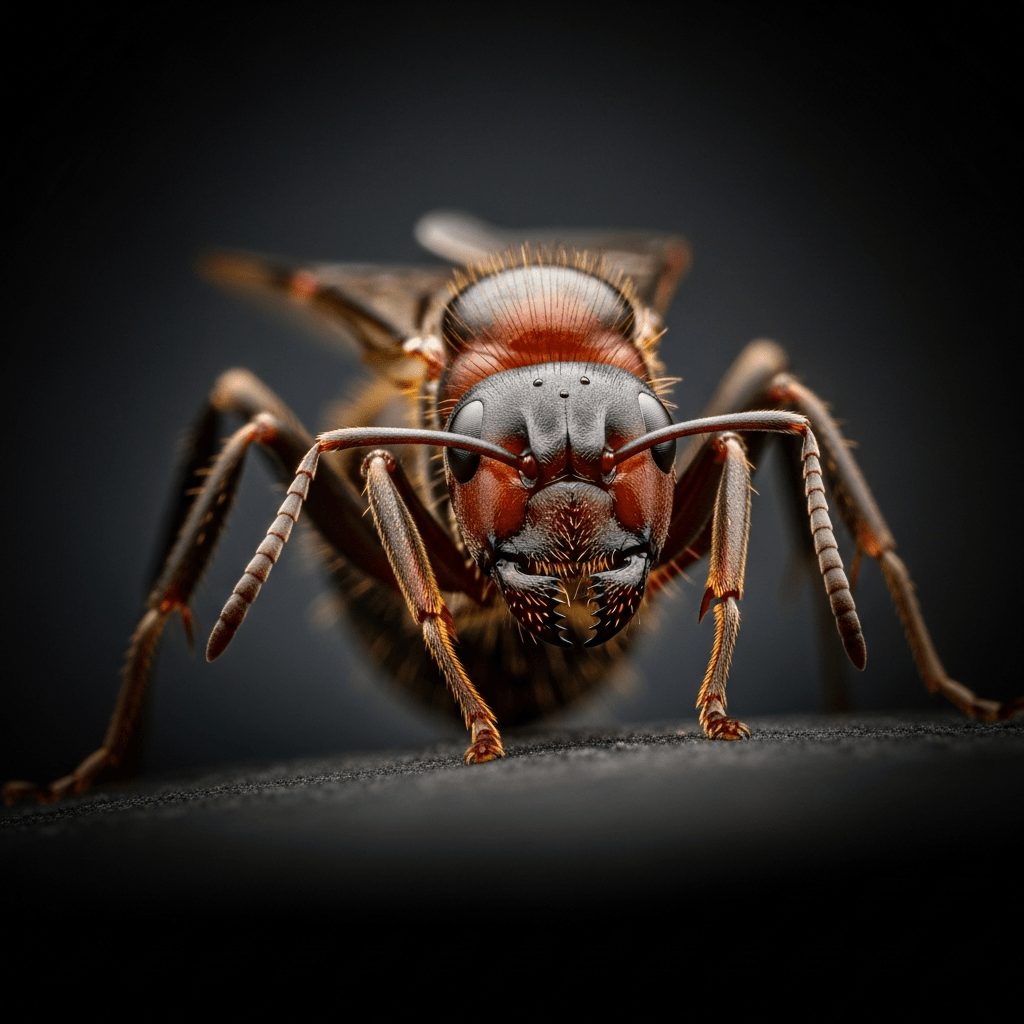
Formica Rufa
Ants are eusocial insects of the family Formicidae, renowned for their complex colonies, division of labor, and adaptability across diverse terrestrial habitats worldwide.
Ants are eusocial insects of the family Formicidae, renowned for their complex colonies, division of labor, and adaptability across diverse terrestrial habitats worldwide.
The genus Formica was first formally described by Carl Linnaeus in 1758, with Formica rufa among the earliest recognized species. Ants trace their evolutionary roots back over 100 million years to the Cretaceous period, emerging as a monophyletic group closely related to wasps and bees within the order Hymenoptera.
Ants belong to the kingdom Animalia, phylum Arthropoda, and class Insecta. Within this class, they are classified under the order Hymenoptera and family Formicidae. The genus Formica includes species such as Formica rufa, commonly known as wood ants or formicine ants.
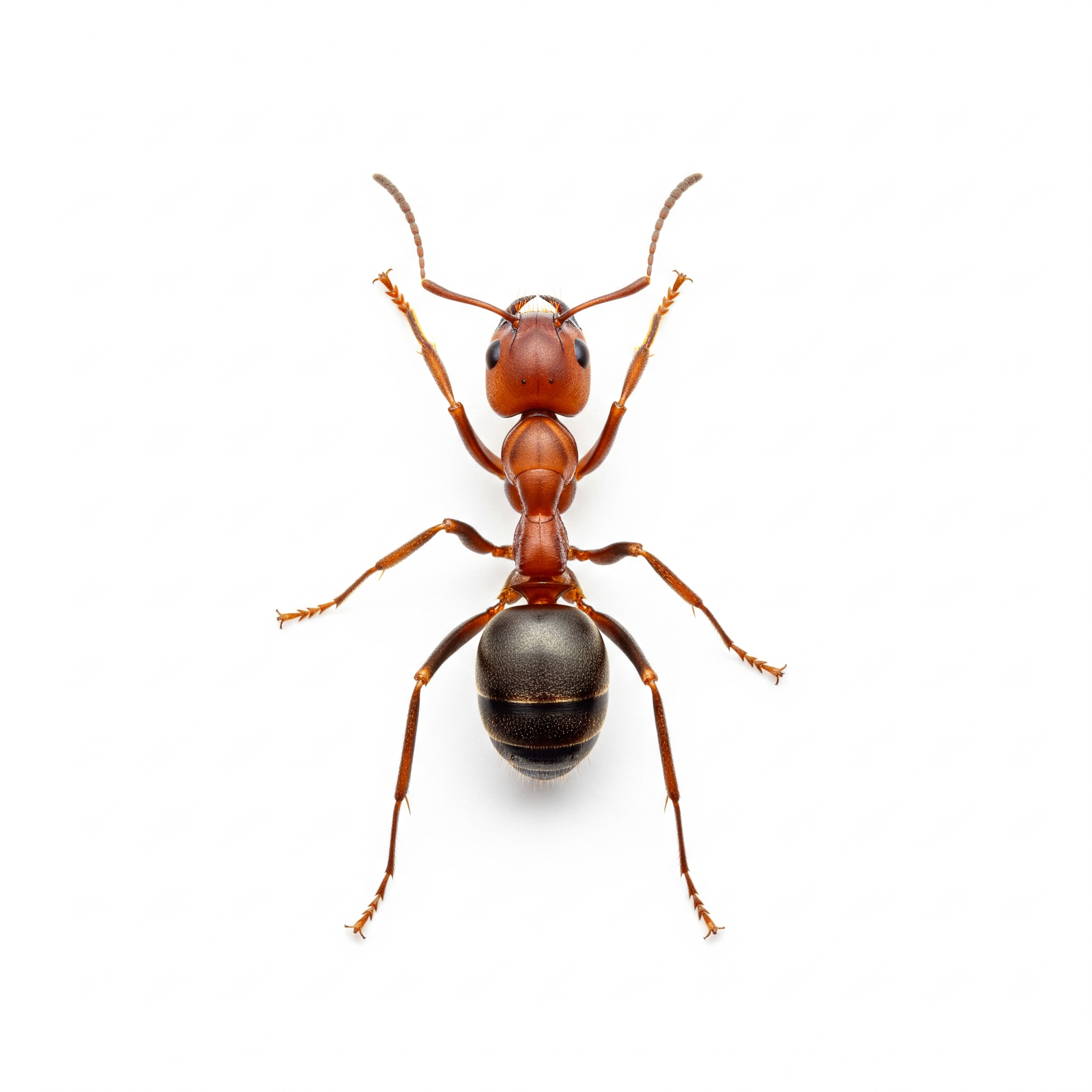
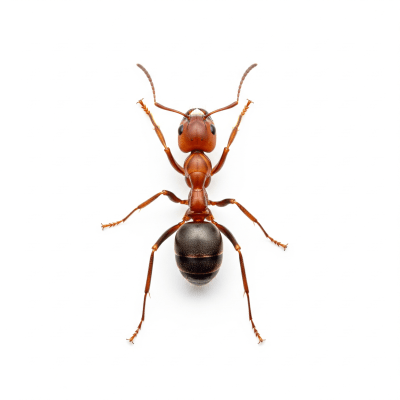
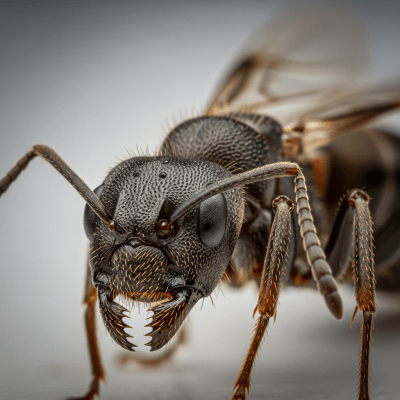
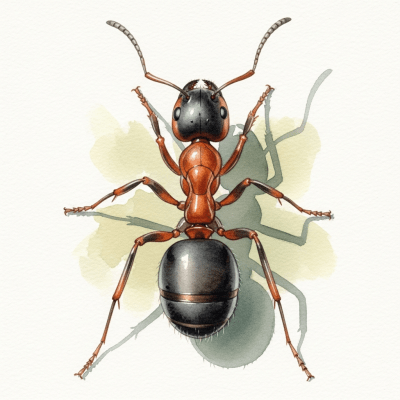
Formica rufa ants measure between 4.5 and 9 millimeters in length and display a three-part body structure comprising the head, thorax, and abdomen. They possess distinctive elbowed antennae and a narrow waist called the petiole. Their coloration is typically reddish-brown with a darker gaster. Colonies feature polymorphic castes, including reproductive queens, males, and sterile female workers, each varying in size and morphology.
Ants exhibit eusocial behavior with highly organized colonies marked by division of labor. They build elaborate nests such as mounds and subterranean chambers, defend territories aggressively, and engage in food storage and farming behaviors, including tending aphids. Their interactions with humans range from beneficial roles in pest control and soil aeration to being considered pests themselves in some contexts.
Bring this kind into your world illustrated posters, mugs, and shirts.
Archival print, museum-grade paper
Buy Poster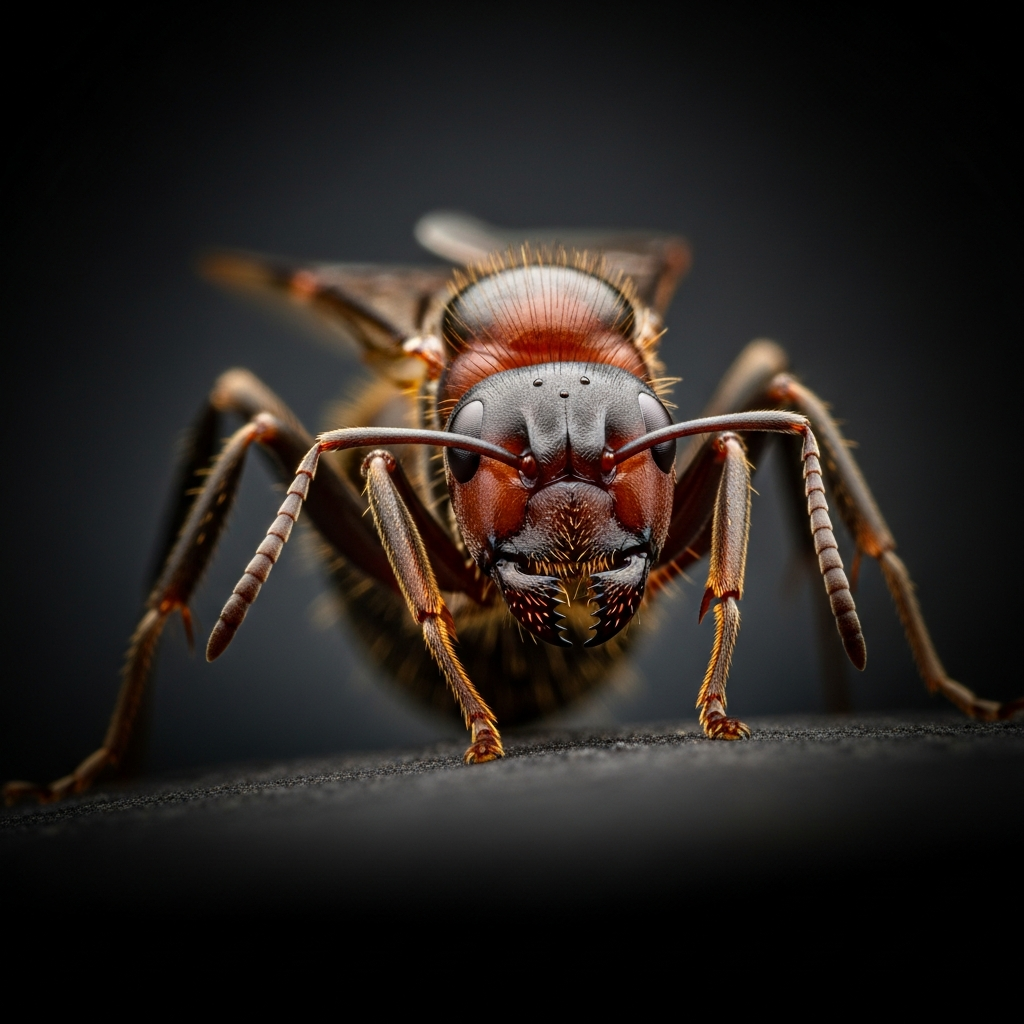
Stoneware mug, dishwasher safe
Buy Mug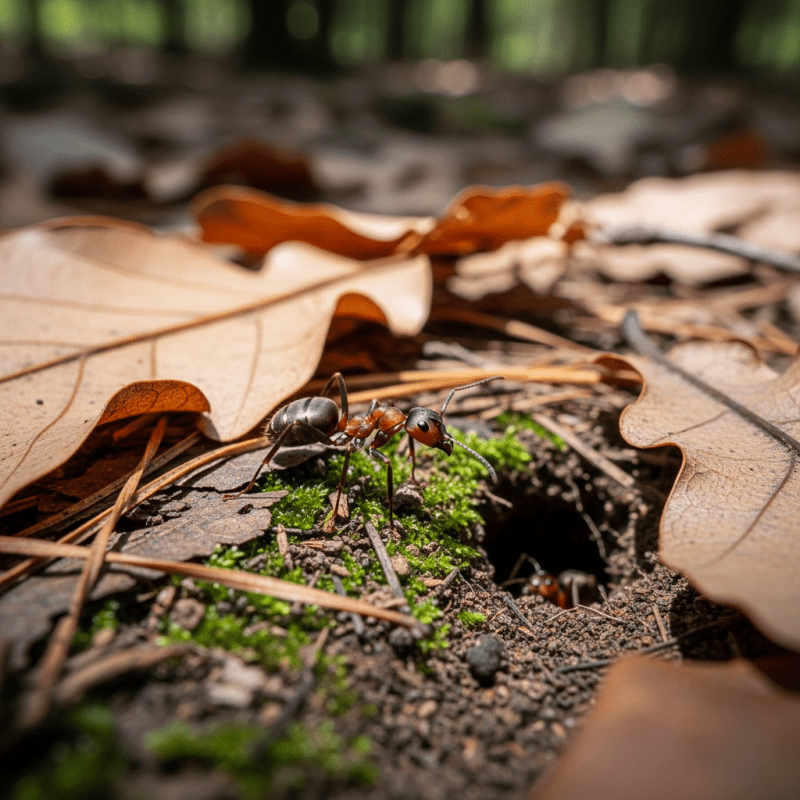
Soft cotton tee, unisex sizes
Buy ShirtAnts hold a prominent place in education, ecology, and culture. They are featured in biological research, ant farms, and serve as symbols of industriousness and cooperation in various traditions. Their presence in folklore and modern culture underscores their enduring symbolic and educational value.
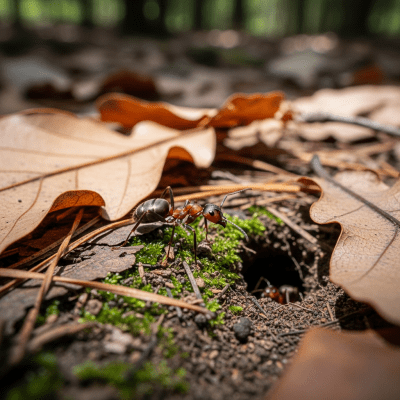
Ants inhabit diverse terrestrial environments worldwide except Antarctica. Formica rufa is commonly found in forest ecosystems where it builds large mounds. Their adaptability allows them to thrive in a wide range of climates and habitats, from woodlands to grasslands.
Ants undergo complete metamorphosis, passing through four stages: egg, larva, pupa, and adult. Colonies consist of reproductive queens and males alongside sterile female workers. Polymorphism within castes reflects specialized roles, with queens focused on reproduction and workers on colony maintenance and defense.
Ants play vital ecological roles including soil aeration, nutrient cycling, and pest control. They influence plant health by tending aphids and dispersing seeds. Their aggressive territorial behavior helps regulate populations of other insects, contributing to ecosystem balance.
While ants are resilient to many environmental stresses, they face threats from habitat destruction and certain pathogens. Conservation efforts focus on preserving natural habitats and monitoring species vulnerable to ecological changes. Due to their vast diversity, many ant species remain unassessed for conservation status.