Origin Story

Megachile rotundata was first formally described by Johan Christian Fabricius in 1787. Originally a wild species, it has since been bred and widely distributed by humans, becoming a cosmopolitan pollinator through managed propagation, particularly in North America starting in the mid-20th century.

Classification

This species belongs to the class Insecta, within the genus Megachile. Though its precise order and family classifications are sometimes unspecified, it is firmly placed among solitary bees known for their leaf-cutting nesting behavior.

Appearance or Form

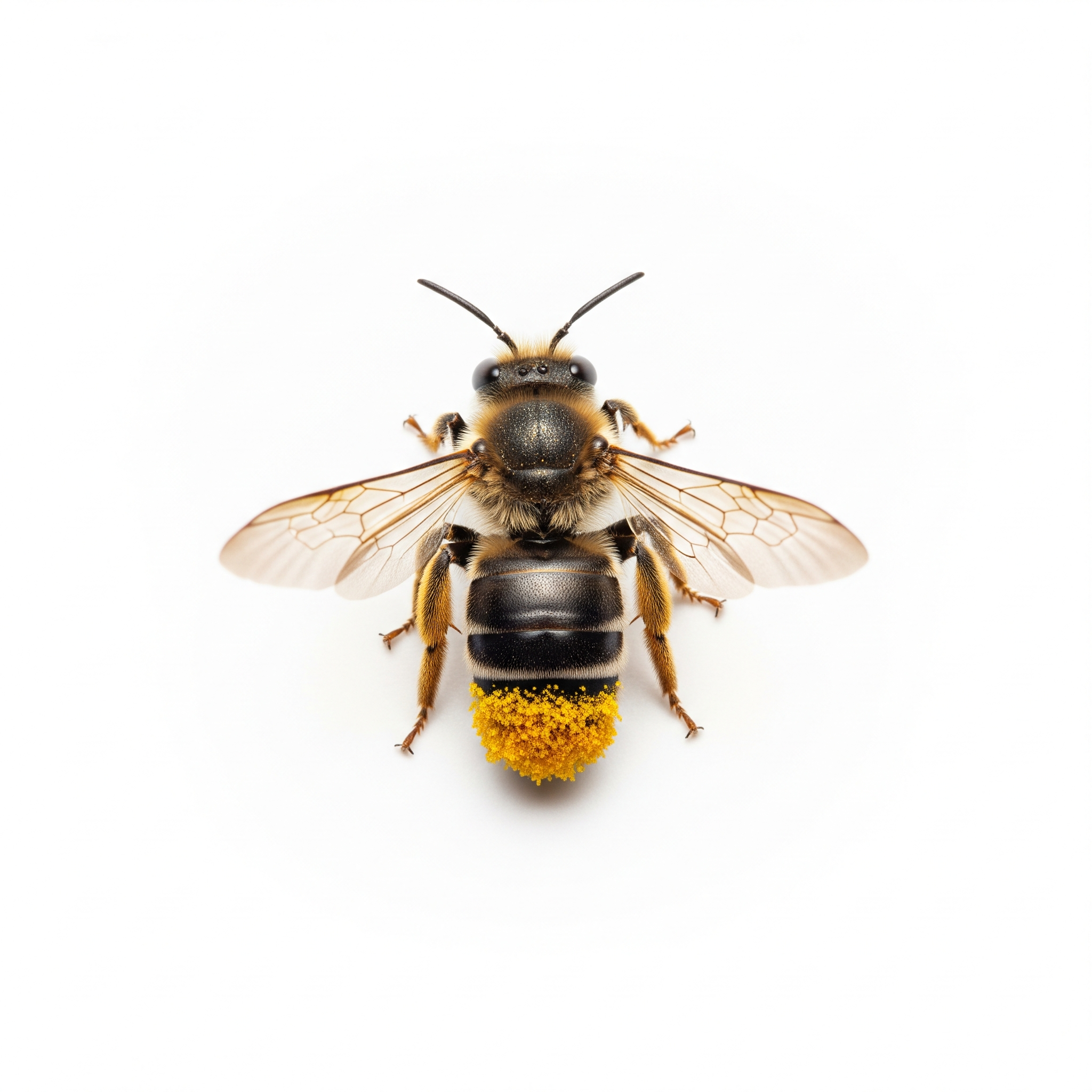
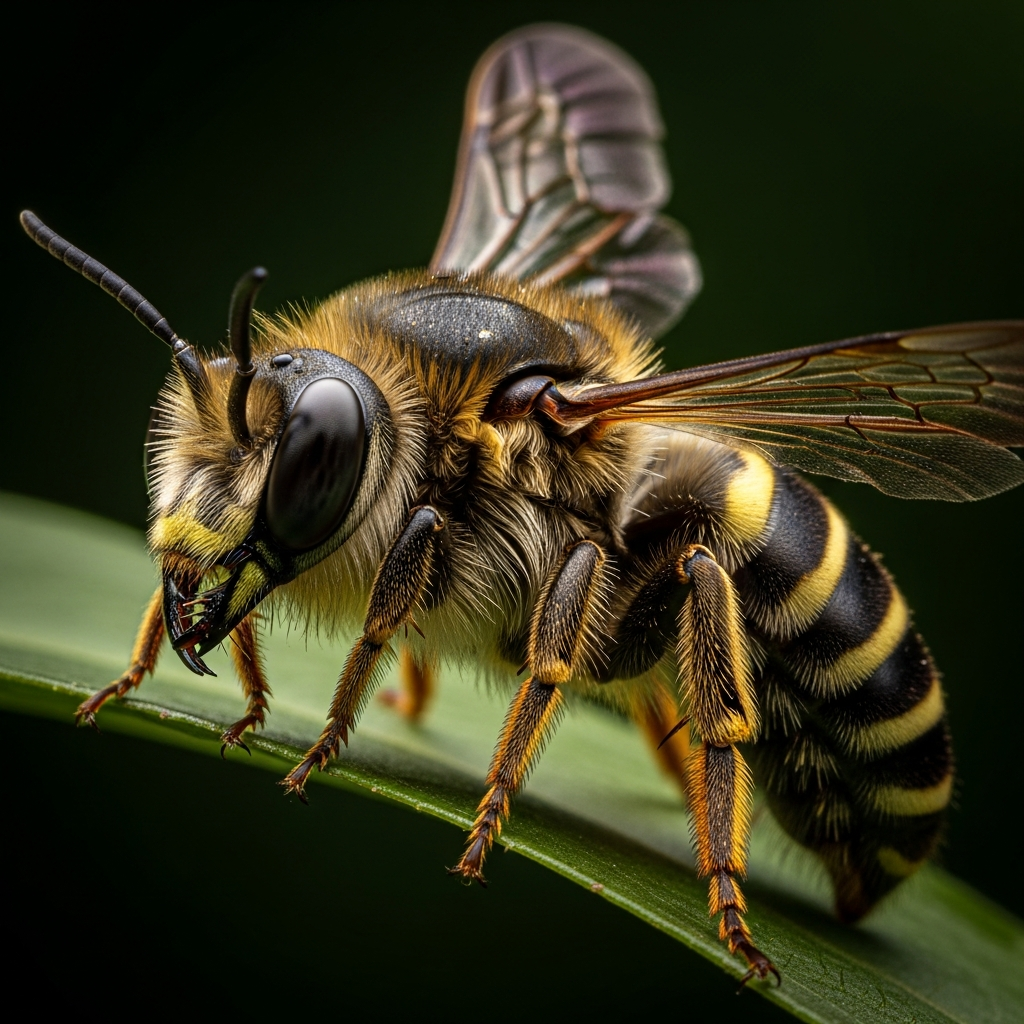
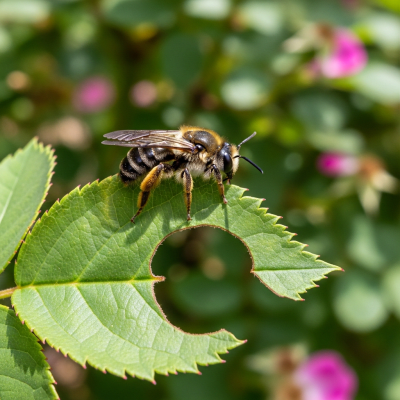
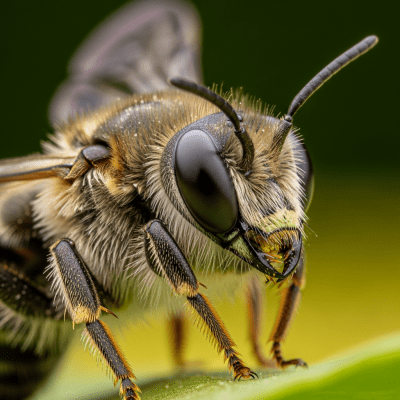
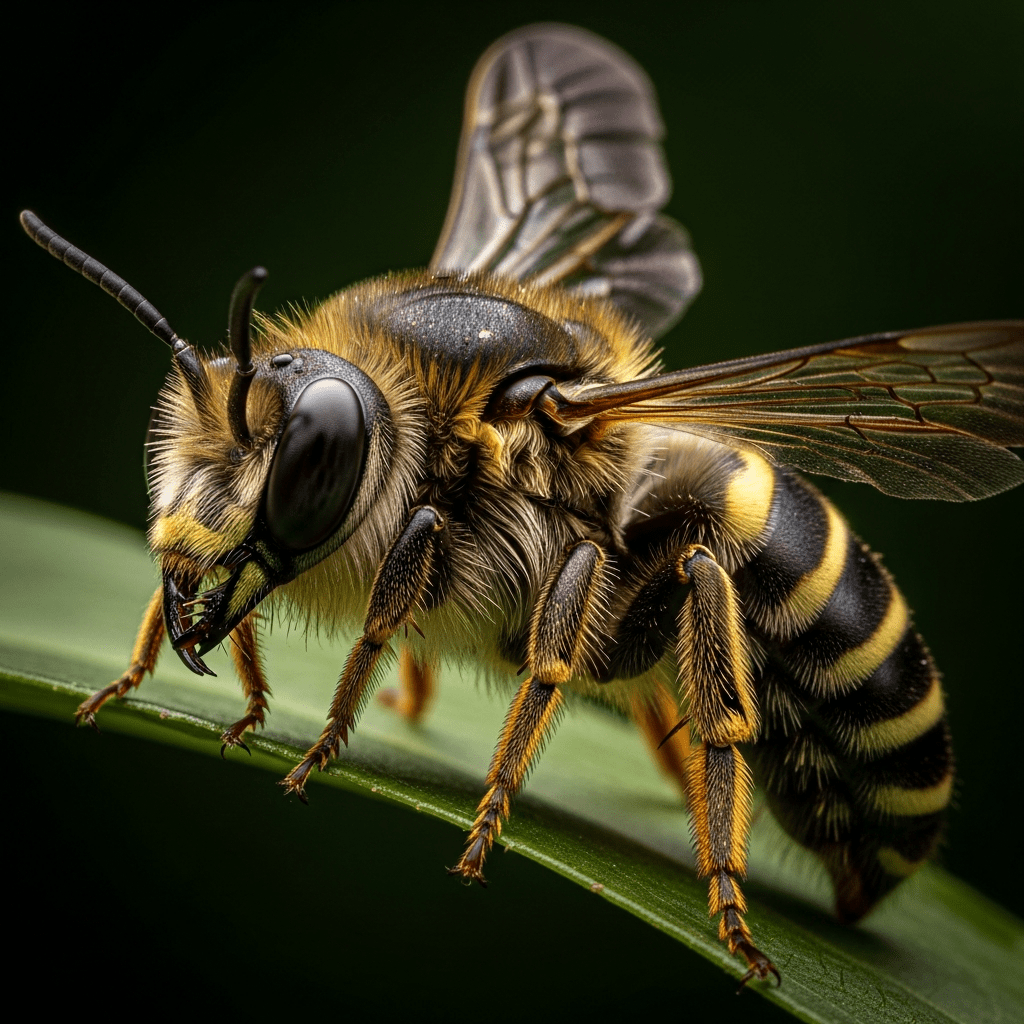
Leafcutter bees are medium-sized and robust, measuring about 6 to 8 millimeters in length. Their bodies are predominantly black with pale hair bands decorating the abdomen. Females are equipped with strong mandibles designed to cut neat, circular leaf fragments used to line their brood cells.

Behavior or Usage

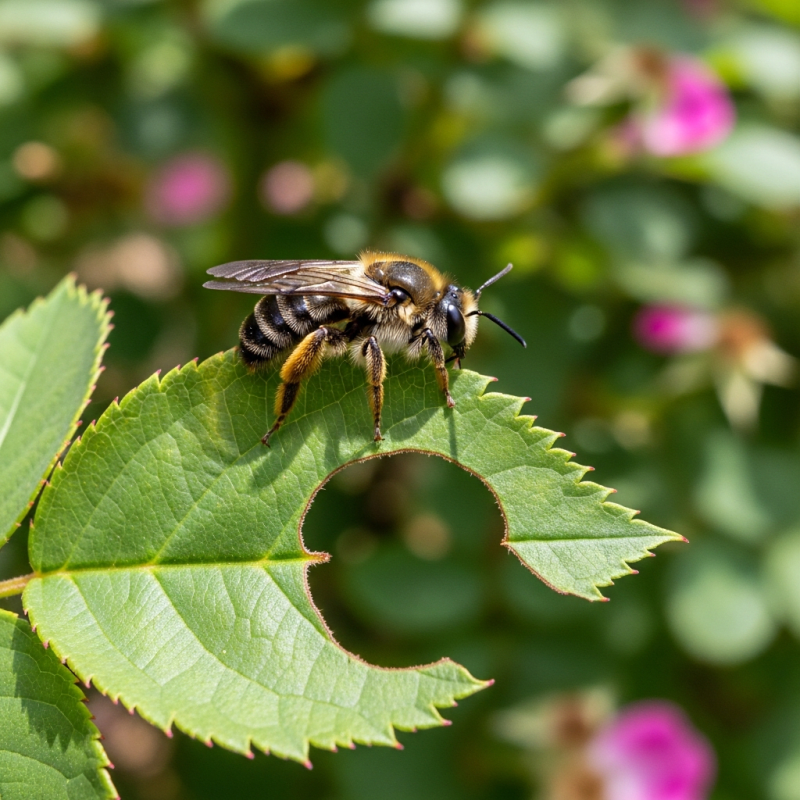
Unlike social bees, M. rotundata leads a solitary life where each female independently constructs and provisions her nest. They skillfully cut circular pieces from leaves to build protective cells within tubular cavities. Highly valued in agriculture, these bees are managed commercially for their exceptional ability to pollinate legumes such as alfalfa, enhancing seed production. Their activity and lifecycle can vary with climate, producing one or multiple generations annually.

Merchandise & Prints

Bring this kind into your world � illustrated posters, mugs, and shirts.

Megachile rotundata Megachile rotundata Poster

Megachile rotundata Poster

Archival print, museum-grade paper

Megachile rotundata Megachile rotundata Mug

Megachile rotundata Mug

Stoneware mug, dishwasher safe

Megachile rotundata Megachile rotundata Shirt

Megachile rotundata Shirt

Soft cotton tee, unisex sizes

Attributes & Insights

Taxon-Specific Insights

🌍Cultural Significance

While not used in culinary traditions, leafcutter bees hold cultural importance in agricultural communities where they contribute economically through pollination services. They are often featured in educational programs highlighting the diversity and ecological value of solitary bees.

📌Notable Facts

  • Leafcutter bees cut nearly perfect circular leaf pieces to build their nests.
  • They are solitary, with no hive or colony structure.
  • M. rotundata is commercially reared and distributed as live pollinators, especially for alfalfa seed production.
  • They show resilience to certain pesticides compared to honey bees.
  • Despite their robustness, they remain vulnerable to fungal infections and parasitic wasps.

🌍Habitat And Distribution

Leafcutter bees thrive in environments where suitable nesting sites, such as tubular cavities, and abundant forage plants are available. Originally native to certain regions, M. rotundata now has a cosmopolitan distribution due to human-assisted dispersal and commercial management, particularly across North America and Europe.

Visual Variations

High quality studio photograph of a single Leafcutter Bee, belonging to the taxonomy insects
Detailed image showing a Leafcutter Bee in its natural environment
Macro photograph of a Leafcutter Bee
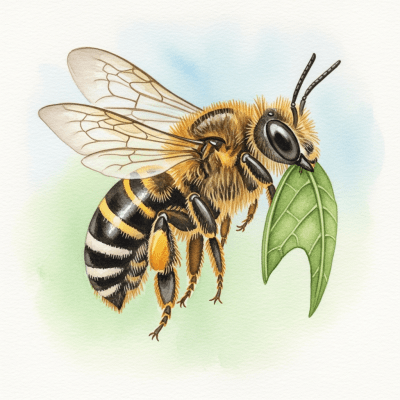
Artistic depiction of a single Leafcutter Bee, belonging to the taxonomy insects

Composition & Context

Taxon-Specific Insights

🐛➡️🦋Lifecycle And Development

The leafcutter bee undergoes complete metamorphosis, progressing through egg, larva, pupa, and adult stages. Females construct nests lined with cut leaf pieces, where they lay eggs and provision each cell with pollen and nectar. Depending on climate, the species can produce one or multiple generations per year, with development accelerated in warmer conditions.

🌱🐝Ecological Roles

Megachile rotundata plays a crucial ecological role as an efficient pollinator, particularly of leguminous plants like alfalfa. By facilitating fertilization, it supports plant reproduction and agricultural productivity. Its solitary nesting habits also contribute to biodiversity by occupying ecological niches distinct from social bees.

⚠️🛡️Threats And Conservation

Leafcutter bees face threats from fungal pathogens and parasitic wasps that can damage nests and reduce populations. While they show some resilience to pesticides, environmental extremes such as excessive moisture or temperature fluctuations pose risks. Conservation efforts focus on habitat management and careful commercial rearing practices to sustain healthy populations.

Faq

Q: Are leafcutter bees social like honey bees?
A: No, leafcutter bees are solitary; each female builds and cares for her own nest.

Q: What plants do leafcutter bees pollinate?
A: They are especially effective at pollinating legumes, such as alfalfa.

Q: Can leafcutter bees sting humans?
A: They can sting but are generally non-aggressive and rarely do so.