Mantis Religiosa
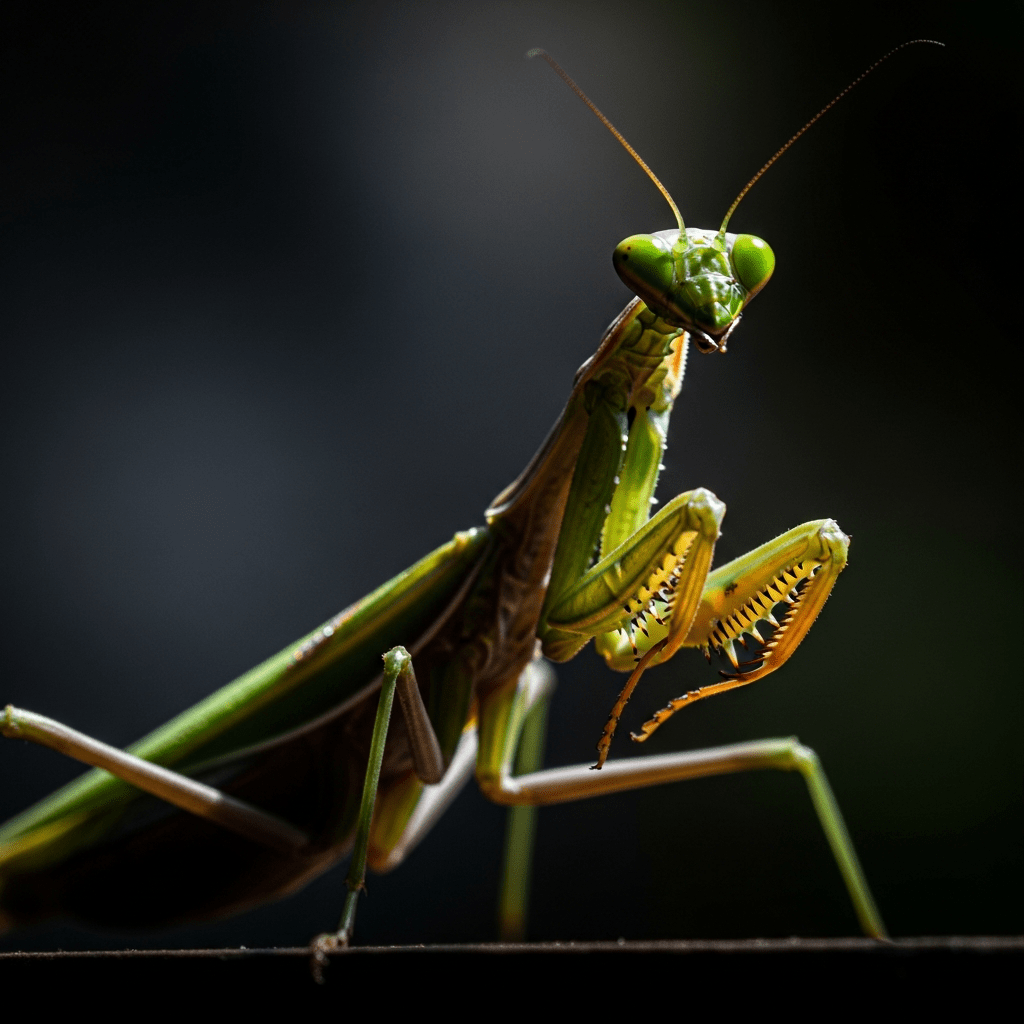
The praying mantis (Mantis religiosa) is a predatory insect famed for its distinctive "praying" posture, where it folds its raptorial forelegs as if in prayer, making it a skilled ambush hunter of insects and small vertebrates.
The praying mantis (Mantis religiosa) is a predatory insect famed for its distinctive "praying" posture, where it folds its raptorial forelegs as if in prayer, making it a skilled ambush hunter of insects and small vertebrates.
Mantis religiosa was first formally described by Carl Linnaeus in 1758. This species is naturally occurring with a broad lineage within the family Mantidae, well-established in classical entomological records. It is wild and has no history of domestication or breeding.
The praying mantis belongs to the class Insecta within the phylum Arthropoda. It is classified in the family Mantidae, genus Mantis, and species religiosa. This taxonomy places it among the diverse group of predatory insects known for their raptorial forelegs and distinctive hunting behaviors.
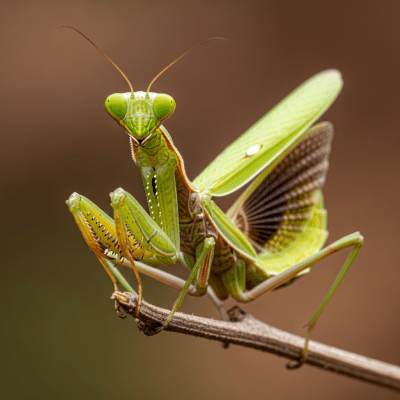
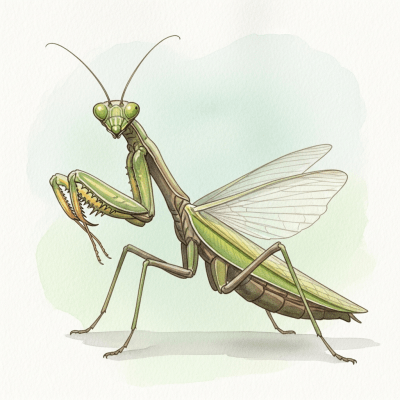
The praying mantis has a slender, elongated body typically measuring 60 to 80 millimeters in length. Its coloration ranges from green to brown, providing excellent camouflage among foliage. It features a triangular head capable of rotating 180 degrees, large compound eyes for keen vision, and six legs—most notably the raptorial forelegs adapted for grasping prey. Adults possess two pairs of wings: leathery forewings and membranous hindwings. The thorax is elongated, and the abdomen is flexible, aiding in swift movements and ambush tactics.
The praying mantis is a solitary and highly predatory insect that employs ambush tactics to capture a variety of insects and occasionally small vertebrates. It is known for folding its forelegs in a posture resembling prayer, which aids in stealth and surprise attacks. Females exhibit sexual cannibalism during mating, a notable reproductive behavior. While not cultivated commercially, mantids are sometimes utilized in biological pest control due to their natural predation of agricultural pests.
Bring this kind into your world illustrated posters, mugs, and shirts.

Archival print, museum-grade paper
Buy Poster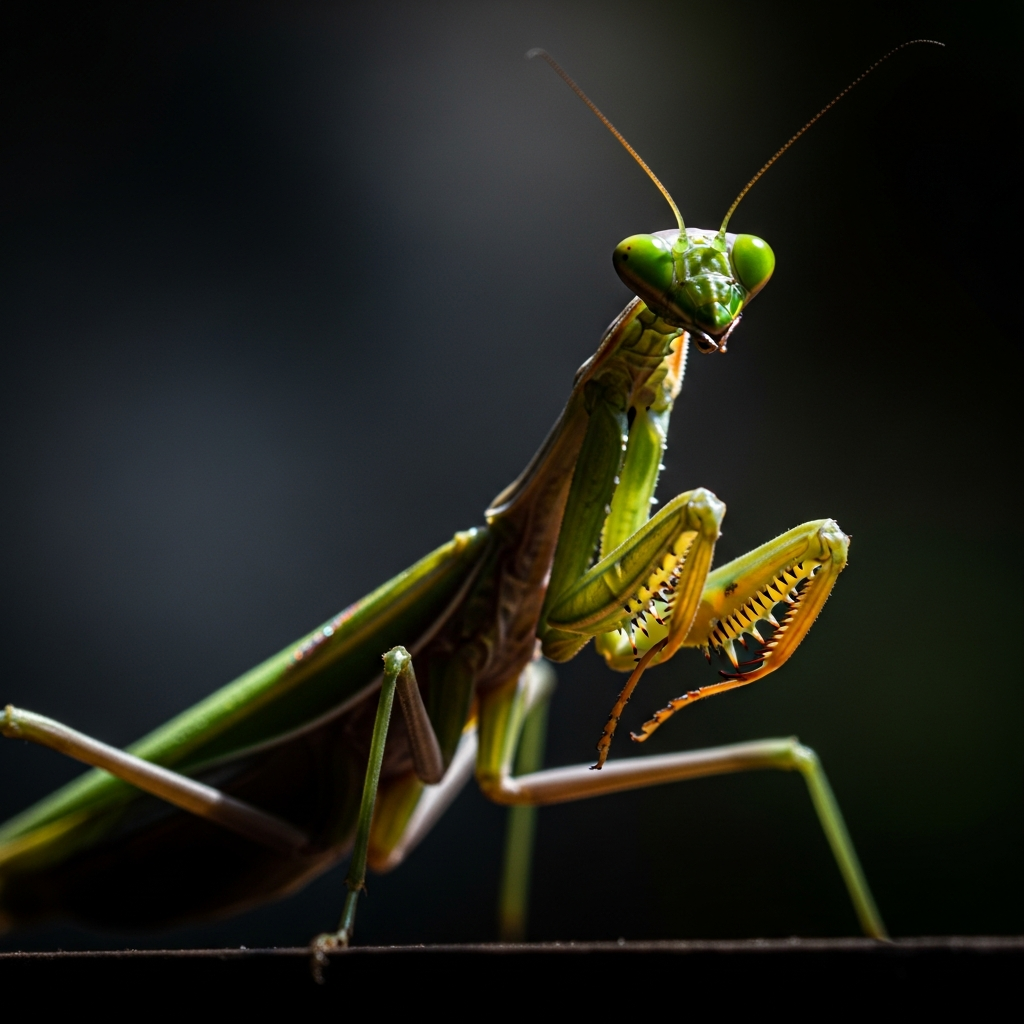
Stoneware mug, dishwasher safe
Buy Mug
Soft cotton tee, unisex sizes
Buy ShirtThe praying mantis has fascinated cultures worldwide, symbolizing patience, stillness, and precision. It appears in art, folklore, and symbolism across various societies, often admired for its unique posture and predatory prowess. Though rarely used in culinary or medicinal contexts, its cultural presence endures as a subject of fascination and inspiration.
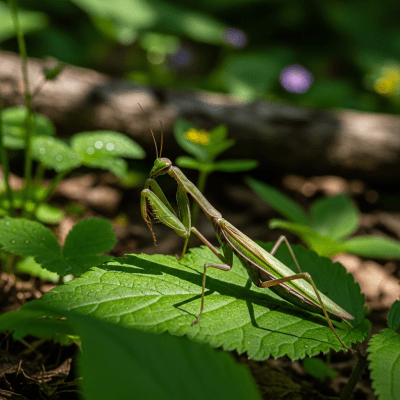
The praying mantis thrives in various temperate habitats across Europe and Asia and has been introduced to North America. It typically inhabits gardens, grasslands, shrubs, and forest edges where vegetation provides camouflage and abundant prey. Its adaptability allows it to survive in diverse environments, from rural to suburban areas.
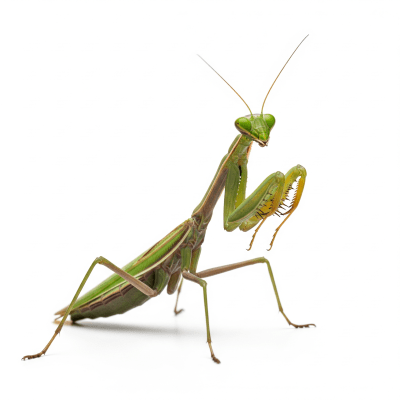
The lifecycle of Mantis religiosa follows incomplete metamorphosis, progressing through three main stages: egg, nymph, and adult. Eggs are laid in foam-like cases called oothecae, which protect them through winter. Nymphs hatch resembling miniature adults but without wings, undergoing several molts before reaching maturity. Adults develop fully formed wings and reproductive capabilities.
As an ambush predator, the praying mantis plays a vital ecological role by controlling populations of insects and small vertebrates. This natural pest control helps maintain ecological balance in gardens and agricultural settings. Its predation contributes to biodiversity regulation and supports healthy ecosystems.
The praying mantis faces threats primarily from habitat loss and pesticide use, which reduce its natural prey and living spaces. While not currently assessed by the IUCN, maintaining pesticide-free environments and preserving natural habitats are essential for its conservation. Its adaptability offers some resilience, but ongoing environmental pressures warrant attention.