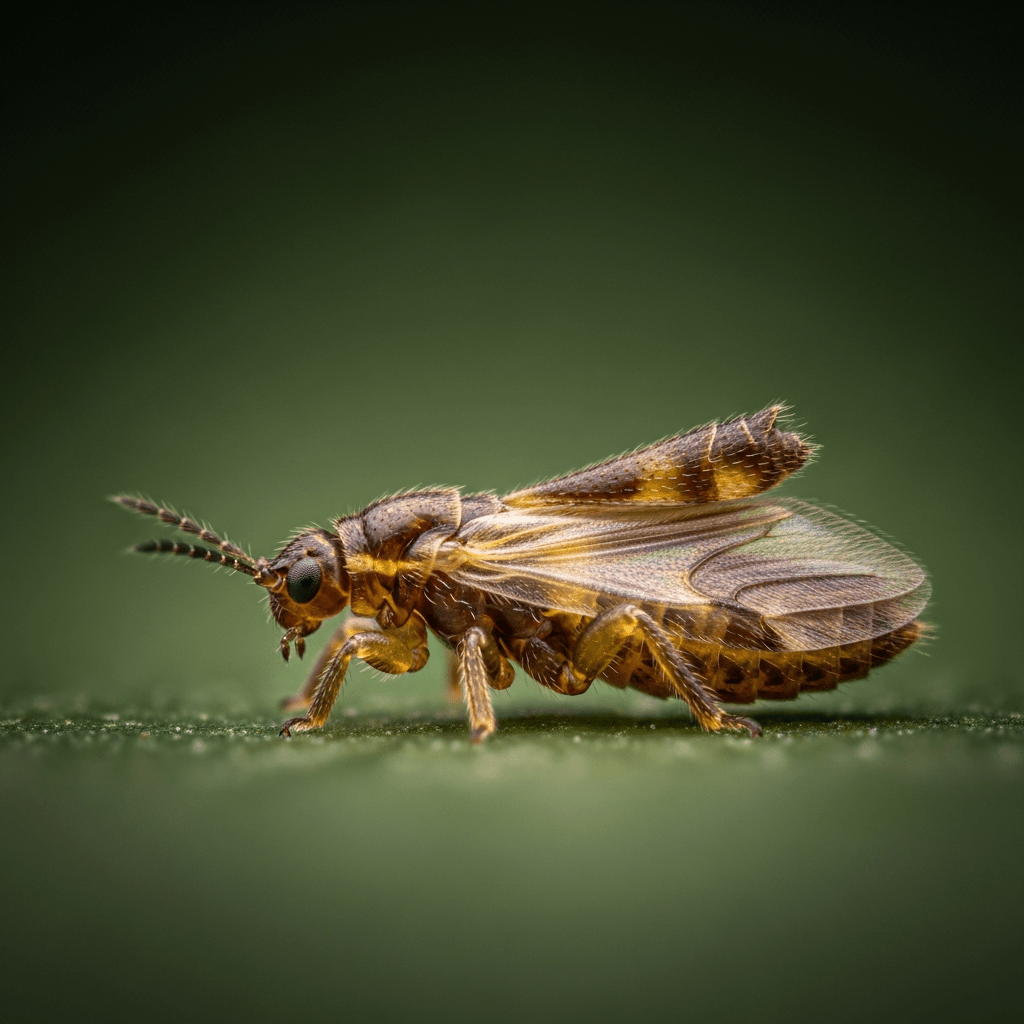
Frankliniella Occidentalis
Frankliniella occidentalis, commonly known as the Western flower thrips, is a tiny insect species recognized worldwide for its impact as an agricultural pest and vector of plant viruses.
Frankliniella occidentalis, commonly known as the Western flower thrips, is a tiny insect species recognized worldwide for its impact as an agricultural pest and vector of plant viruses.
First described by Pergande in 1895, Frankliniella occidentalis originated in North America as a wild species within the order Thysanoptera. Its natural lineage has since expanded globally, often through accidental human-mediated dispersal.
This species belongs to the class Insecta, order Thysanoptera, family Thripidae, and genus Frankliniella. It is one of many thrips species characterized by slender bodies and fringed wings, fitting within the diverse insect taxonomy.
Adult Western flower thrips measure between 1 and 1.5 millimeters long, featuring a narrow, elongated body colored pale yellow to brown, sometimes with darker markings. They possess two pairs of delicate fringed wings and exhibit incomplete metamorphosis through egg, larval, pupal, and adult stages.
Thrips feed by piercing plant tissues and extracting cell contents, which damages leaves, flowers, and fruits. Their rapid reproduction and high mobility, combined with cryptic behavior, make them challenging pests. They also transmit plant viruses, notably Tospoviruses, amplifying their agricultural impact. While not used commercially or culinarily, they are central to integrated pest management efforts.
Bring this kind into your world illustrated posters, mugs, and shirts.
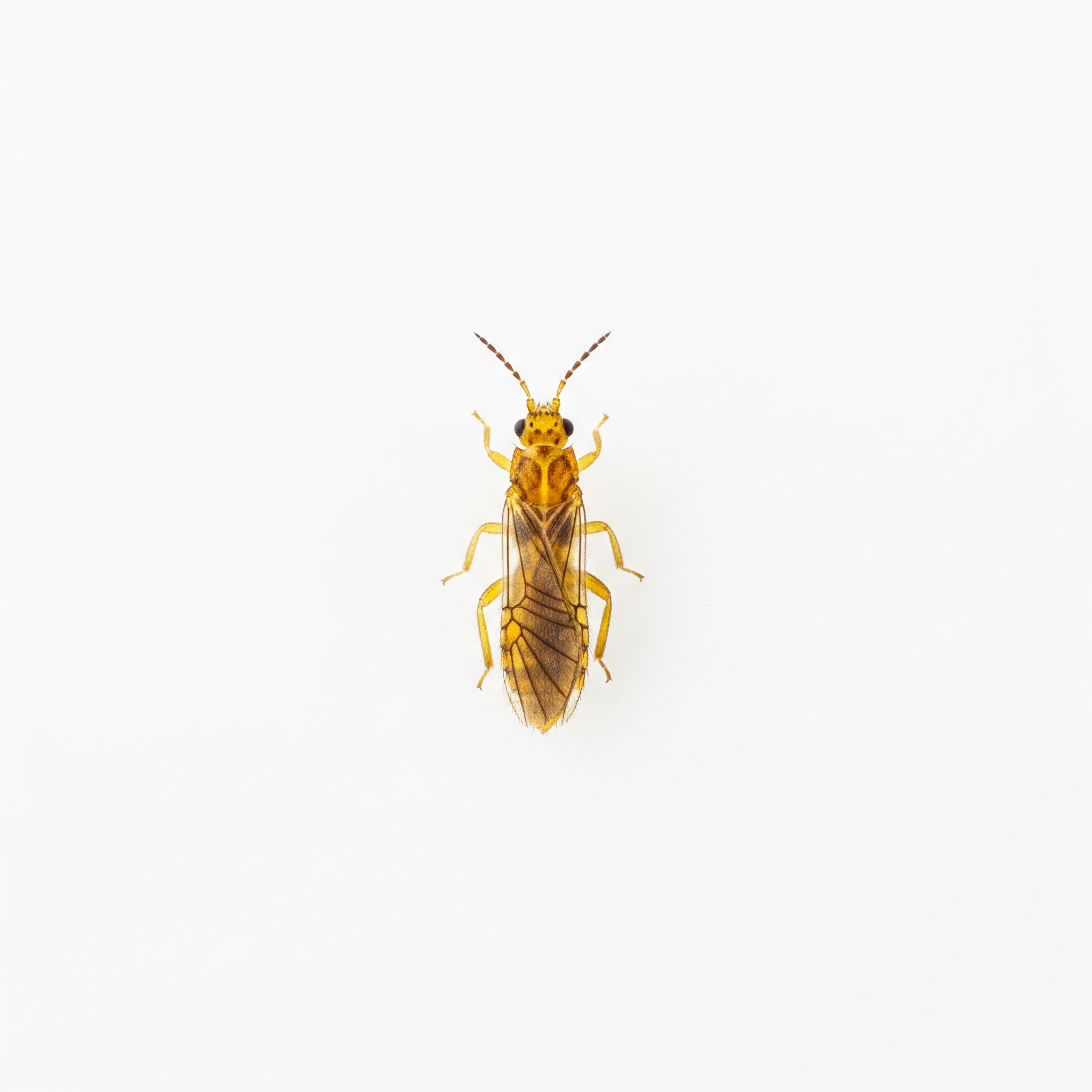
Archival print, museum-grade paper
Buy Poster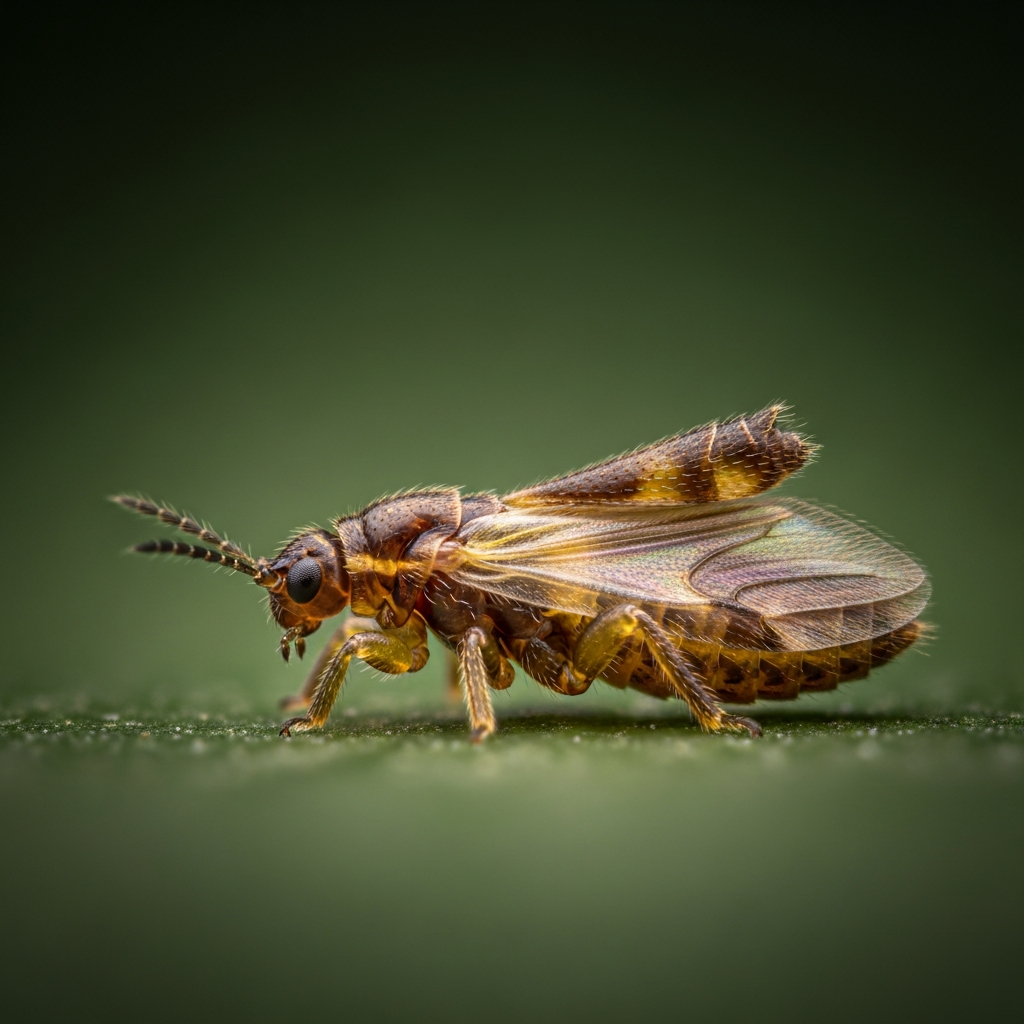
Stoneware mug, dishwasher safe
Buy Mug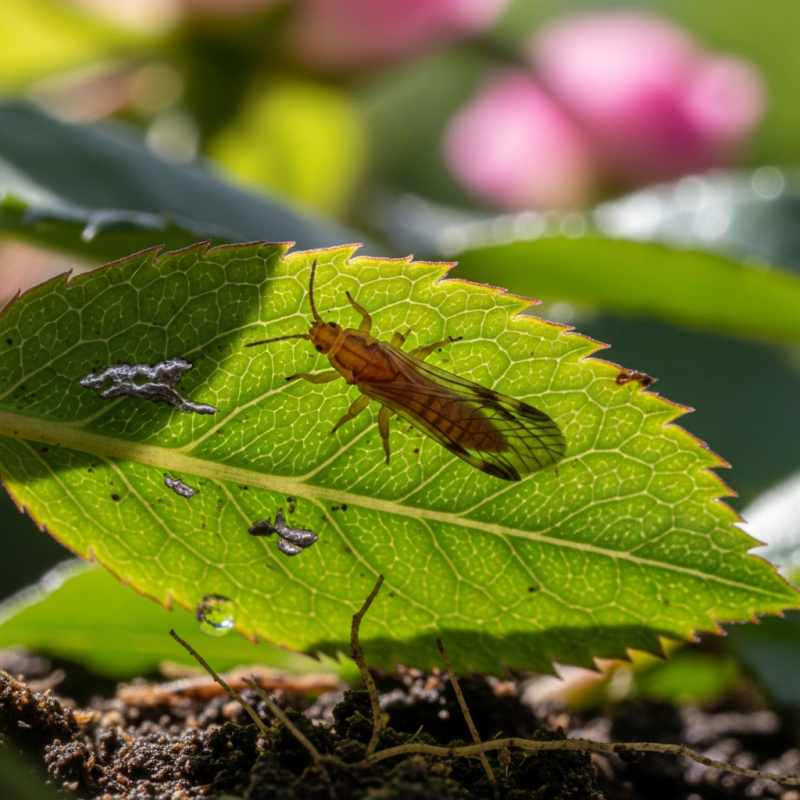
Soft cotton tee, unisex sizes
Buy ShirtThough Frankliniella occidentalis lacks notable cultural or symbolic significance, its presence profoundly influences agricultural practices and pest management worldwide, shaping human interactions with crop production.
Originally native to North America, Frankliniella occidentalis now inhabits diverse regions worldwide, including Europe, Asia, and Australasia, often invading greenhouses and agricultural fields. They thrive in environments where host plants like tomatoes, peppers, and ornamentals are cultivated.
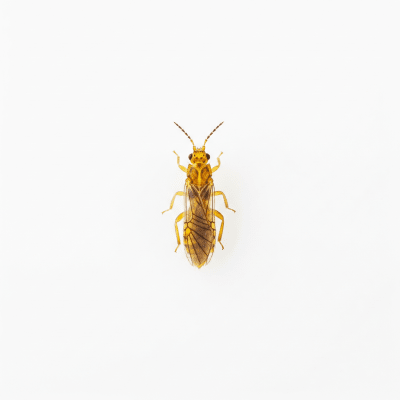
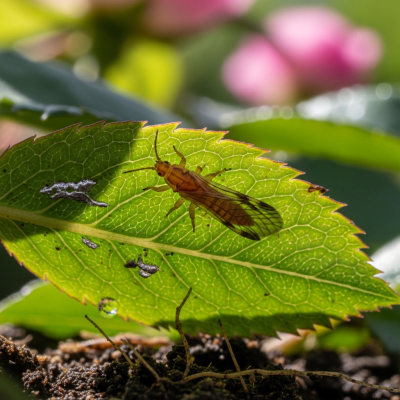
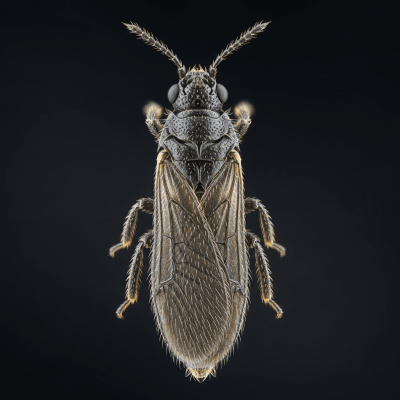
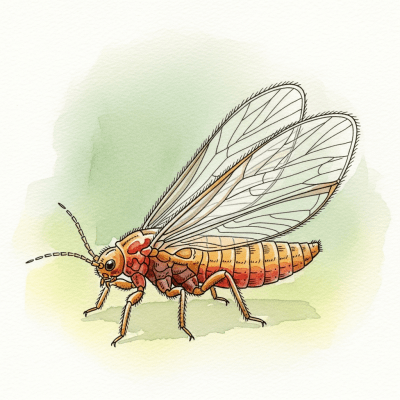
Western flower thrips undergo incomplete metamorphosis with four main stages: egg, larval, pupal, and adult. Eggs are laid on plant tissues, larvae feed and develop rapidly, followed by a brief pupal stage before emerging as adults capable of flight and reproduction.
While primarily known as pests, thrips also play roles in ecosystems by feeding on plant material and occasionally acting as prey for other insects. Their virus transmission affects plant community dynamics, indirectly influencing ecological balance.
As a widespread pest, Frankliniella occidentalis faces few natural threats but is challenged by pest control measures. Conservation is not a concern due to its invasive status and negative agricultural impact. Management focuses on mitigating damage and limiting spread.