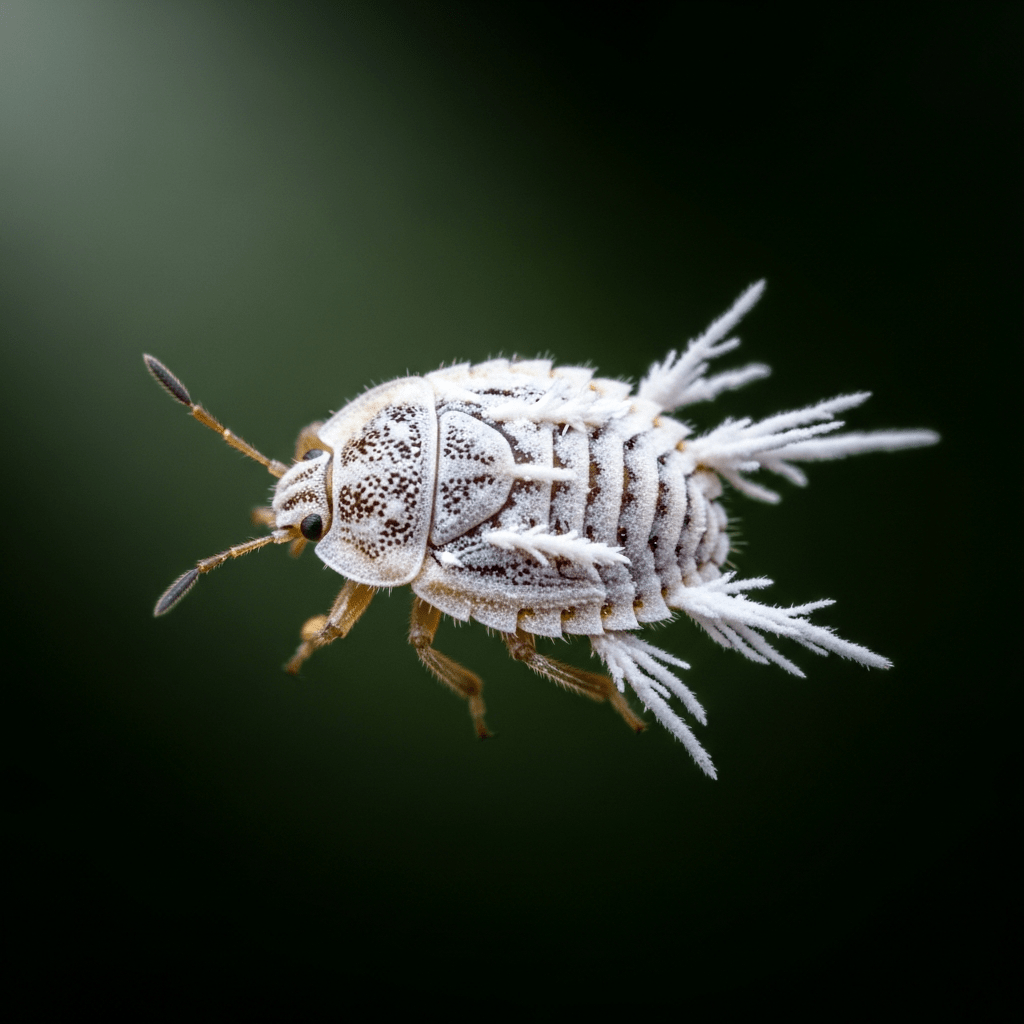
Planococcus Citri
The mealybug (Planococcus citri) is a small, soft-bodied insect known for its distinctive white, powdery wax coating and its role as a widespread agricultural pest, especially on citrus and ornamental plants.
The mealybug (Planococcus citri) is a small, soft-bodied insect known for its distinctive white, powdery wax coating and its role as a widespread agricultural pest, especially on citrus and ornamental plants.
First described by Risso in 1813, the mealybug is a naturally occurring species within the family Pseudococcidae. It has no domesticated or bred lineage, originating as a wild insect that has adapted to a variety of environments worldwide.
The mealybug belongs to the class Insecta, order Hemiptera, and family Pseudococcidae. Its genus and species are Planococcus citri, placing it among true bugs characterized by piercing-sucking mouthparts.
Mealybugs are oval-shaped, soft-bodied insects measuring between 2 and 4 millimeters in length. They are covered in a distinctive white, powdery wax secretion that gives them a characteristic mealy appearance. Their piercing-sucking mouthparts enable sap extraction from plants.
Mealybugs feed by sucking sap from a wide range of host plants, including citrus, grapes, and ornamentals. Their feeding causes leaf yellowing, stunted growth, and the secretion of honeydew, which fosters sooty mold. They reproduce both sexually and through parthenogenesis, enabling rapid population growth. Their waxy coating and habit of hiding in plant crevices and roots make them resistant to some pesticides, complicating control efforts.
Bring this kind into your world illustrated posters, mugs, and shirts.
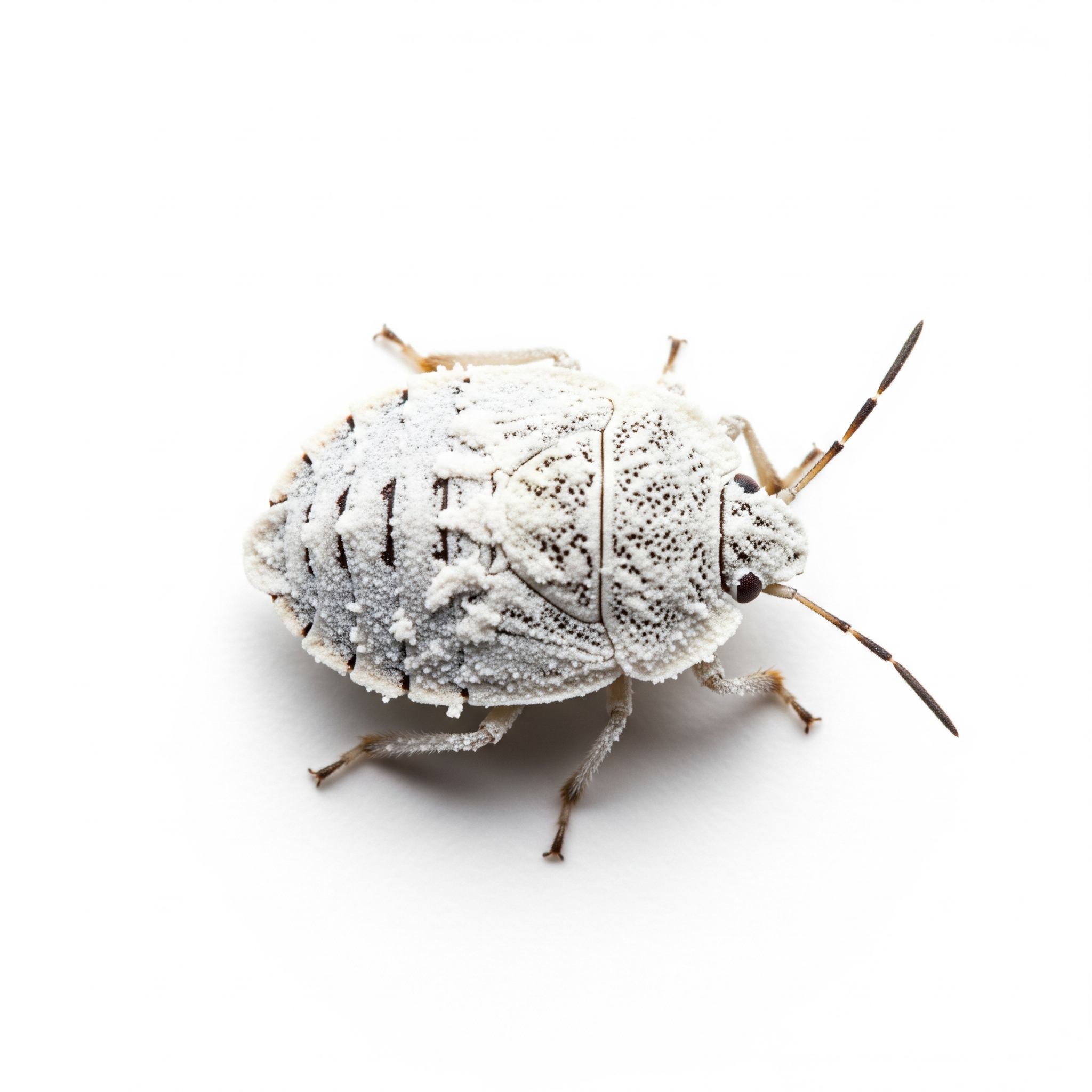
Archival print, museum-grade paper
Buy Poster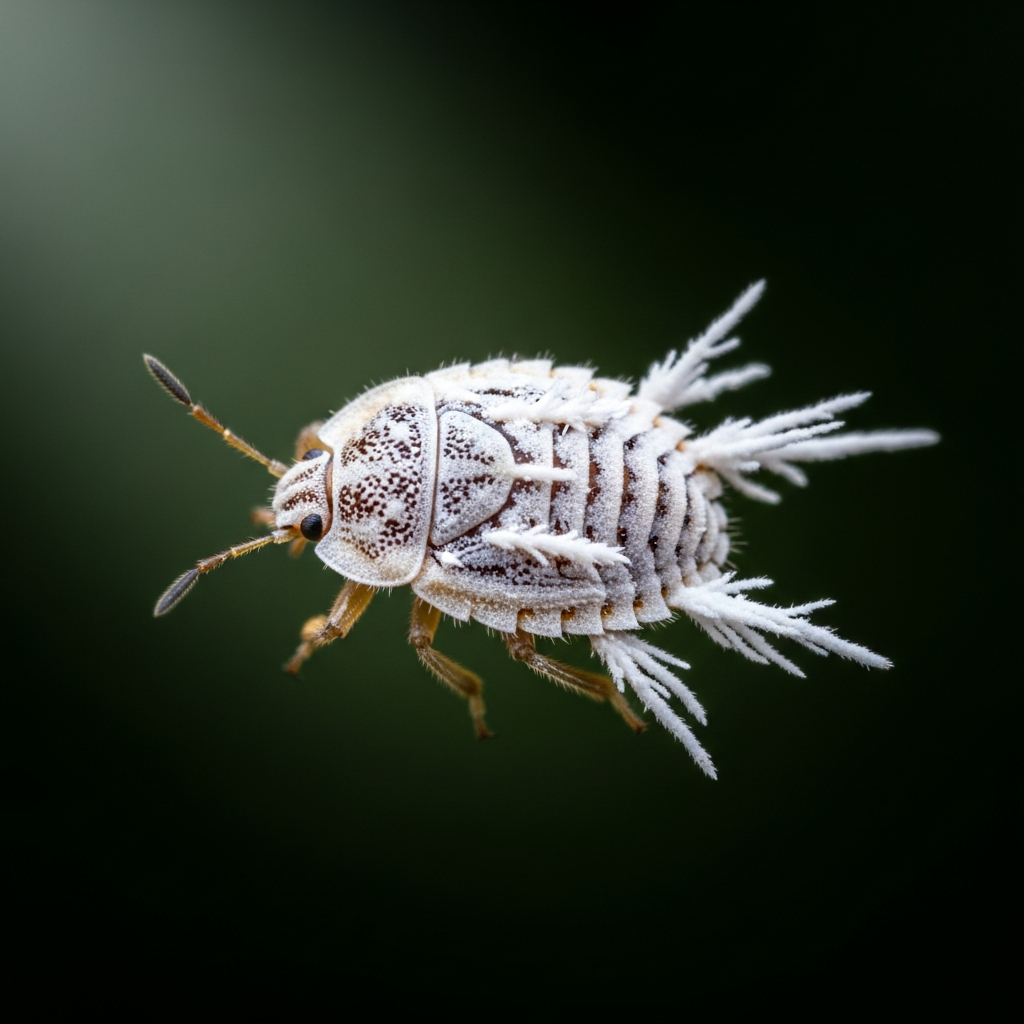
Stoneware mug, dishwasher safe
Buy Mug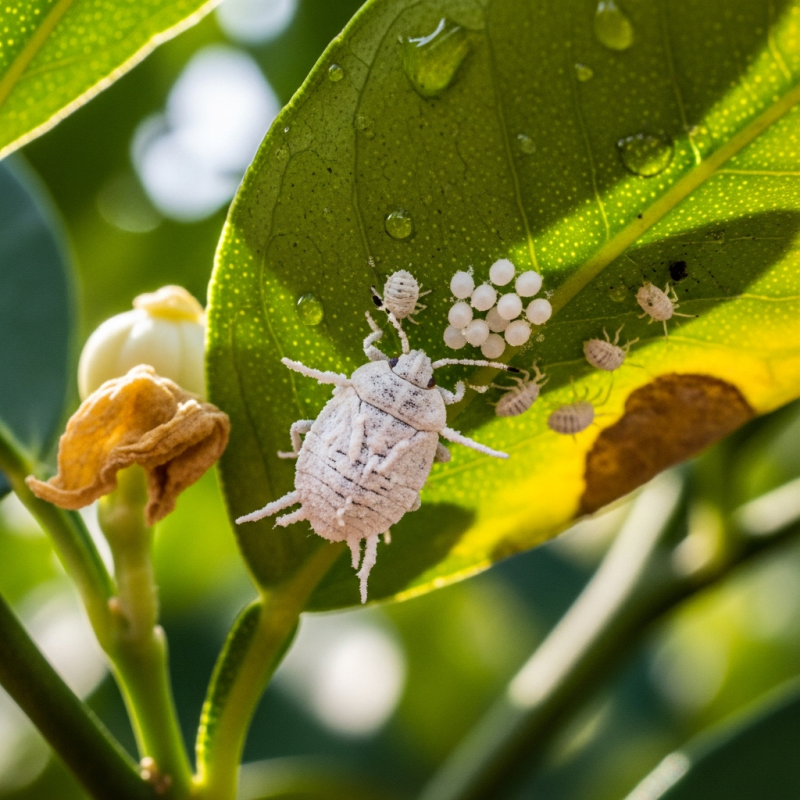
Soft cotton tee, unisex sizes
Buy ShirtWhile mealybugs have no direct cultural or culinary significance, their impact as agricultural pests influences economic and regulatory practices worldwide, particularly in regions dependent on affected crops.
Mealybugs inhabit a wide variety of environments, primarily infesting citrus orchards, grapevines, ornamental plants, and greenhouse crops across many regions worldwide. Their adaptability allows them to thrive in both outdoor and protected cultivation settings.
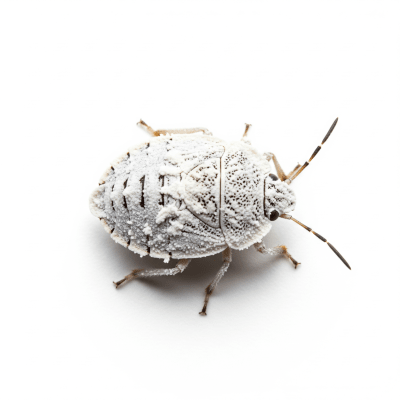

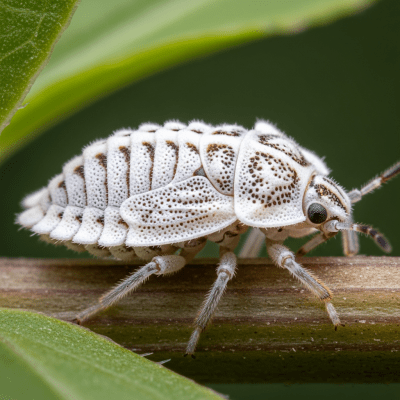
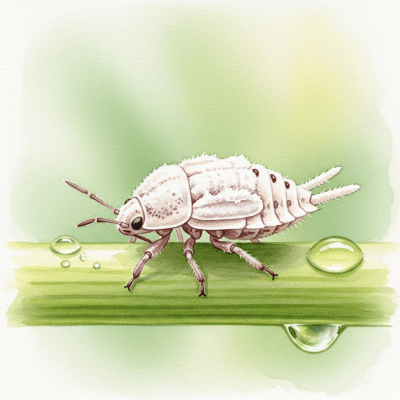
The mealybug undergoes incomplete metamorphosis, progressing through three main stages: egg, nymph, and adult. Females lay eggs in waxy sacs, and nymphs resemble smaller adults. Their rapid reproductive cycle supports swift population expansion under favorable conditions.
Ecologically, mealybugs act primarily as plant sap feeders and pests. Their honeydew secretion supports sooty mold growth, which can alter plant health and local microhabitats. While they do not provide pollination or predation services, they form part of the food web, serving as prey for certain predatory insects.
As a pest species, mealybugs face control efforts rather than conservation. Their waxy coating and cryptic behavior confer resistance to many insecticides, posing challenges for management. No conservation measures are in place or needed, given their abundance and impact on agriculture.