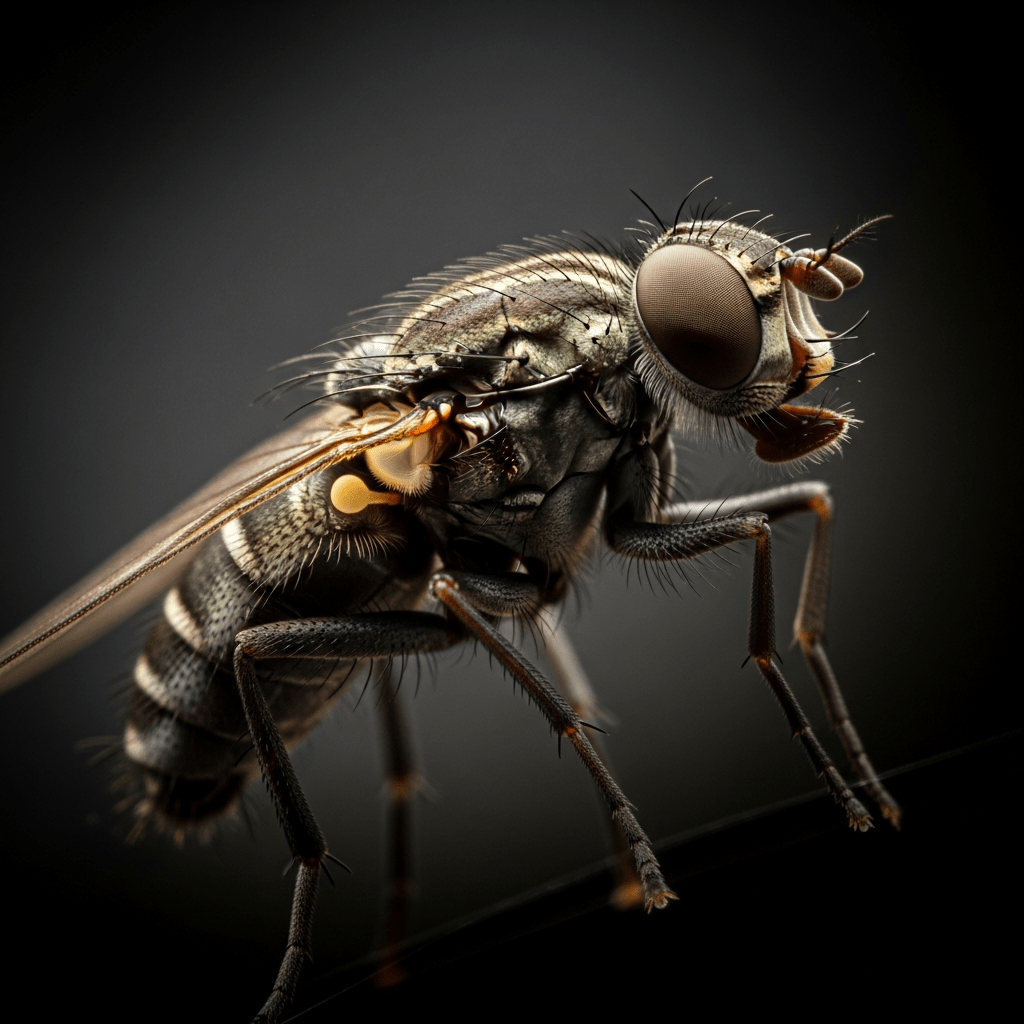
Sciaridae
Gnats are small, delicate flies primarily from the family Sciaridae, recognized for their slender bodies, long legs, and swarming behavior that often makes them common nuisances in homes and agricultural settings.
Gnats are small, delicate flies primarily from the family Sciaridae, recognized for their slender bodies, long legs, and swarming behavior that often makes them common nuisances in homes and agricultural settings.
The Sciaridae family, to which many gnats belong, was first formally described by the entomologist Meigen in 1803. This lineage is ancient within the order Diptera, with fossil evidence tracing back to the Cretaceous period, underscoring their long evolutionary history as wild insects.
Gnats fit within the class Insecta, order Diptera, and chiefly the family Sciaridae. While the term "gnat" is used broadly for several small fly families, Sciaridae—also known as fungus gnats—are the most commonly referenced group, distinguished taxonomically by their unique morphological and ecological traits.
Typically measuring between 1 and 7 millimeters, gnats have slender, dark bodies with long antennae and legs. Their translucent wings are often held roof-like over the body when at rest. Larvae are legless, slender, and white, inhabiting moist soil or decaying organic matter.
Adult gnats are weak fliers attracted to light and moisture, frequently forming swarms. Their larvae feed on roots and organic matter in soil, which can cause damage in horticultural and agricultural environments. While gnats have no direct commercial or culinary use, their presence is significant as pests, especially in greenhouses and mushroom cultivation.
Bring this kind into your world illustrated posters, mugs, and shirts.
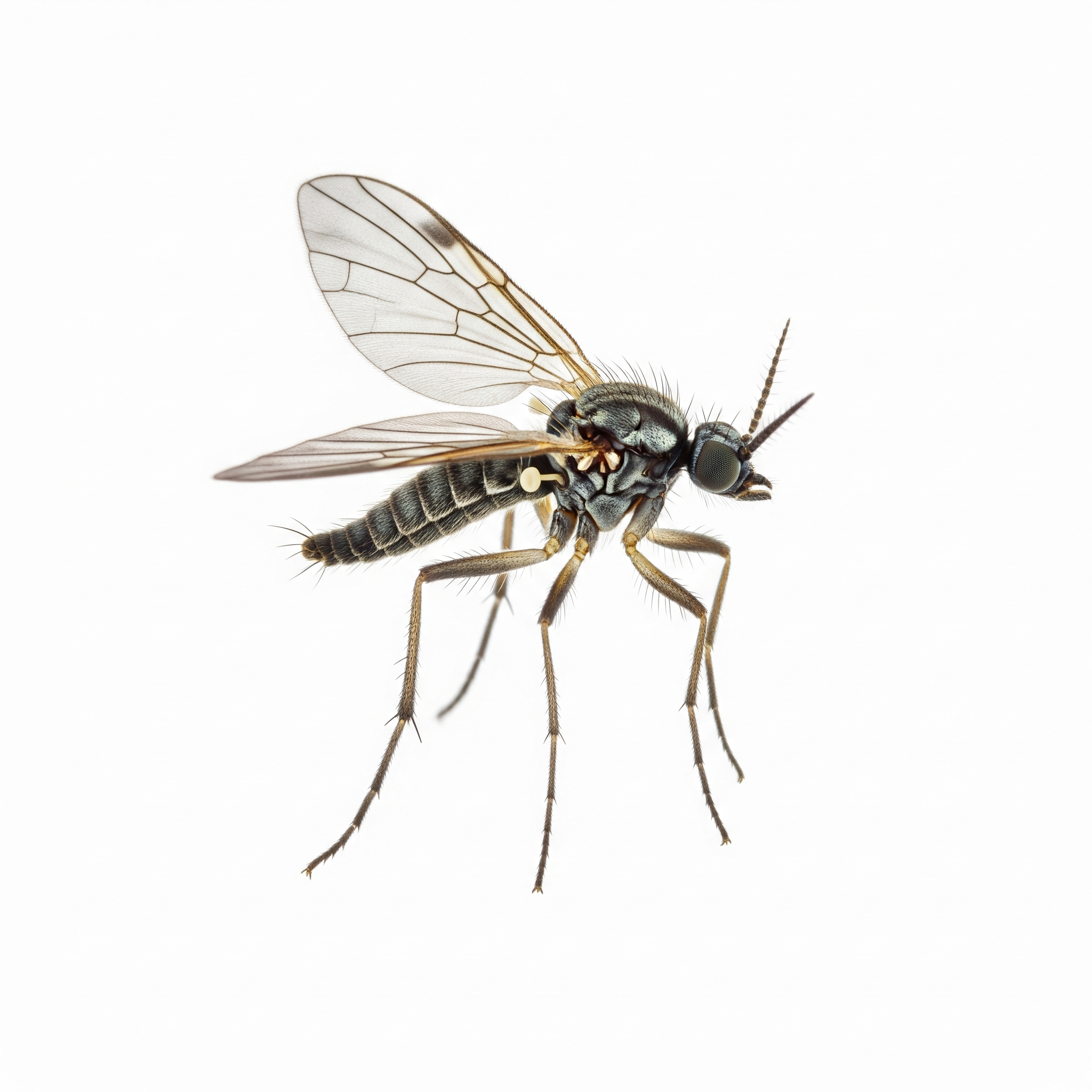
Archival print, museum-grade paper
Buy Poster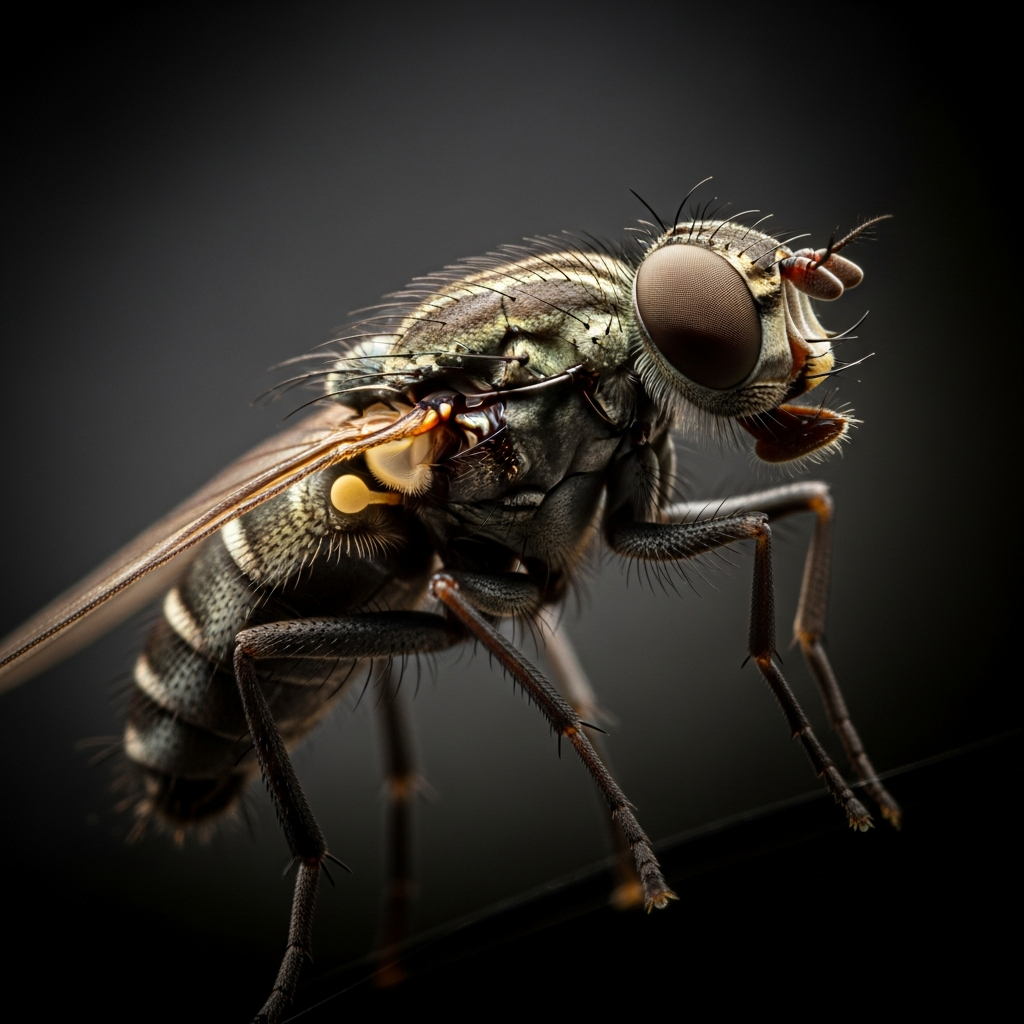
Stoneware mug, dishwasher safe
Buy Mug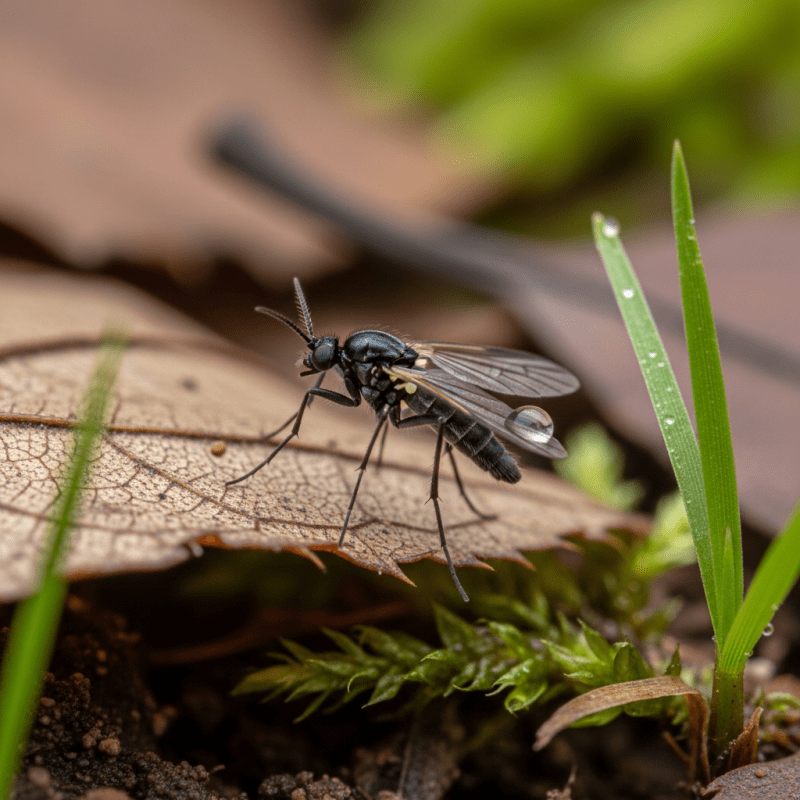
Soft cotton tee, unisex sizes
Buy ShirtGnats have limited cultural significance and rarely appear in art or folklore. Their primary recognition is as minor pests rather than symbolic or cultural icons, reflecting their nuisance status rather than any traditional or symbolic role.
Gnats thrive in moist environments rich in decaying organic matter, such as soil in greenhouses, gardens, and homes. They are widespread geographically, commonly found wherever suitable damp habitats exist, including temperate and tropical regions.
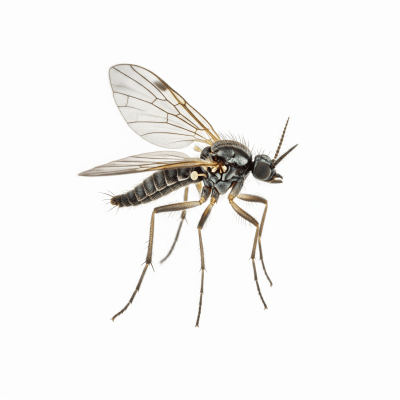
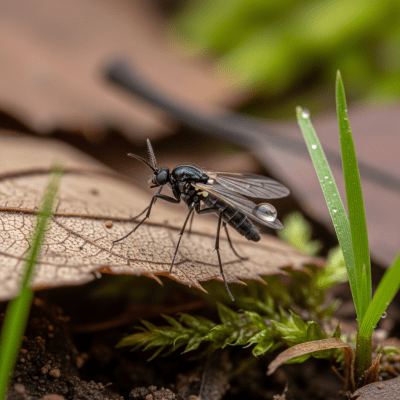
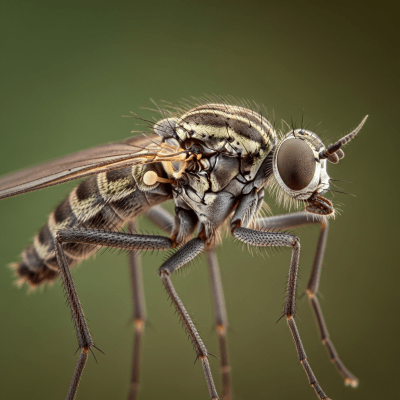

Gnats undergo complete metamorphosis, progressing through four stages: egg, larva, pupa, and adult. Eggs are laid in moist soil, where larvae feed on fungi and organic material before pupating and emerging as adults, which then seek mates and suitable sites to continue the cycle.
In ecosystems, gnats contribute to decomposition by feeding on fungi and organic matter during their larval stage, aiding nutrient cycling. Although some species are pests, they also serve as prey for various predators, supporting food webs in soil and aboveground habitats.
Gnats face few direct conservation threats due to their abundance and adaptability. However, habitat destruction and pesticide use can impact local populations. Conservation efforts focus on sustainable pest management to balance agricultural needs with ecological health.