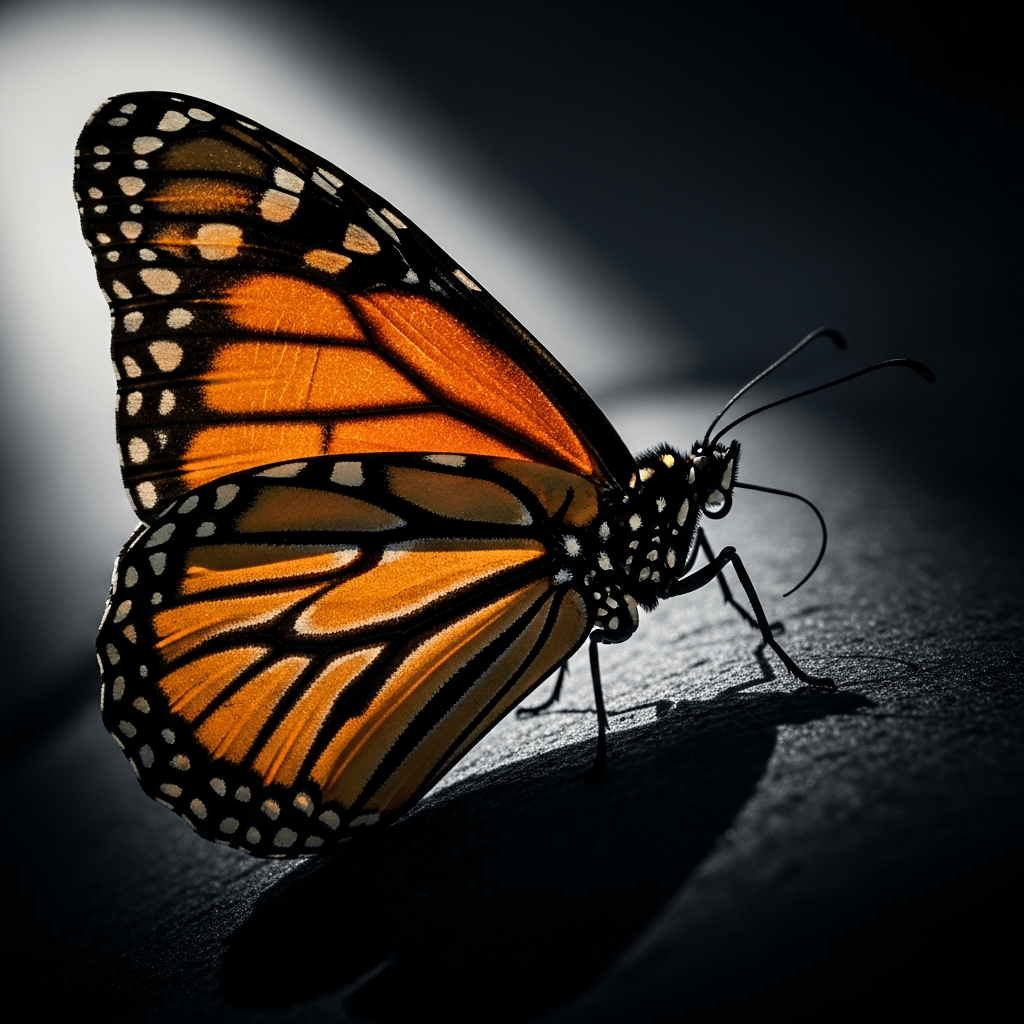
Danaus Plexippus
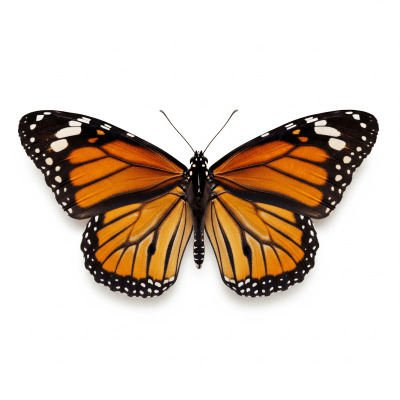
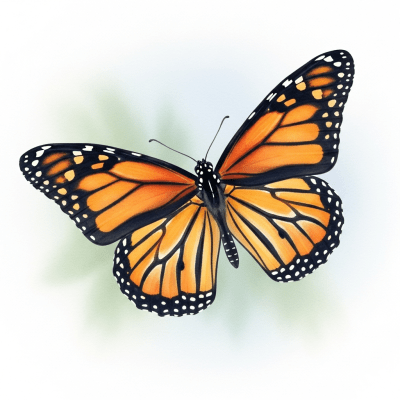
Butterflies are vibrant, winged insects known for their scaled wings, slender bodies, and distinctive clubbed antennae, celebrated worldwide as symbols of beauty and ecological vitality.
Butterflies are vibrant, winged insects known for their scaled wings, slender bodies, and distinctive clubbed antennae, celebrated worldwide as symbols of beauty and ecological vitality.
The butterfly lineage dates back to the Jurassic period, emerging from the evolutionary divergence of Lepidoptera among holometabolous insects. The Monarch butterfly (Danaus plexippus), a globally iconic species, was first formally described by Carl Linnaeus in 1758, anchoring the scientific recognition of this diverse group.
Butterflies belong to the class Insecta and the order Lepidoptera, which they share with moths. Within this order, butterflies are grouped in the superfamily Papilionoidea, encompassing thousands of species including the Monarch, classified under the genus Danaus.
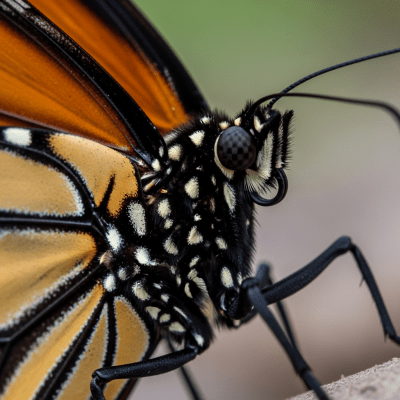
Butterflies possess a three-part body structure—head, thorax, and abdomen—with six jointed legs and two pairs of delicate membranous wings covered in microscopic scales. Their coloration varies widely, often vibrant and patterned, serving roles in mate attraction, camouflage, and warning. Typical wingspans range from under 10 mm in the smallest species to over 300 mm in giants like the Queen Alexandra's birdwing, with the Monarch averaging 90 to 100 mm.
Mostly active during the day, butterflies exhibit flight and feeding behaviors finely tuned to their environments. While their caterpillars can occasionally be minor agricultural pests, adult butterflies primarily serve ecological functions such as pollination. Humans engage with butterflies through ecotourism, educational butterfly farming, and symbolic cultural events, including breeding certain species for release at celebrations or research.
Bring this kind into your world illustrated posters, mugs, and shirts.
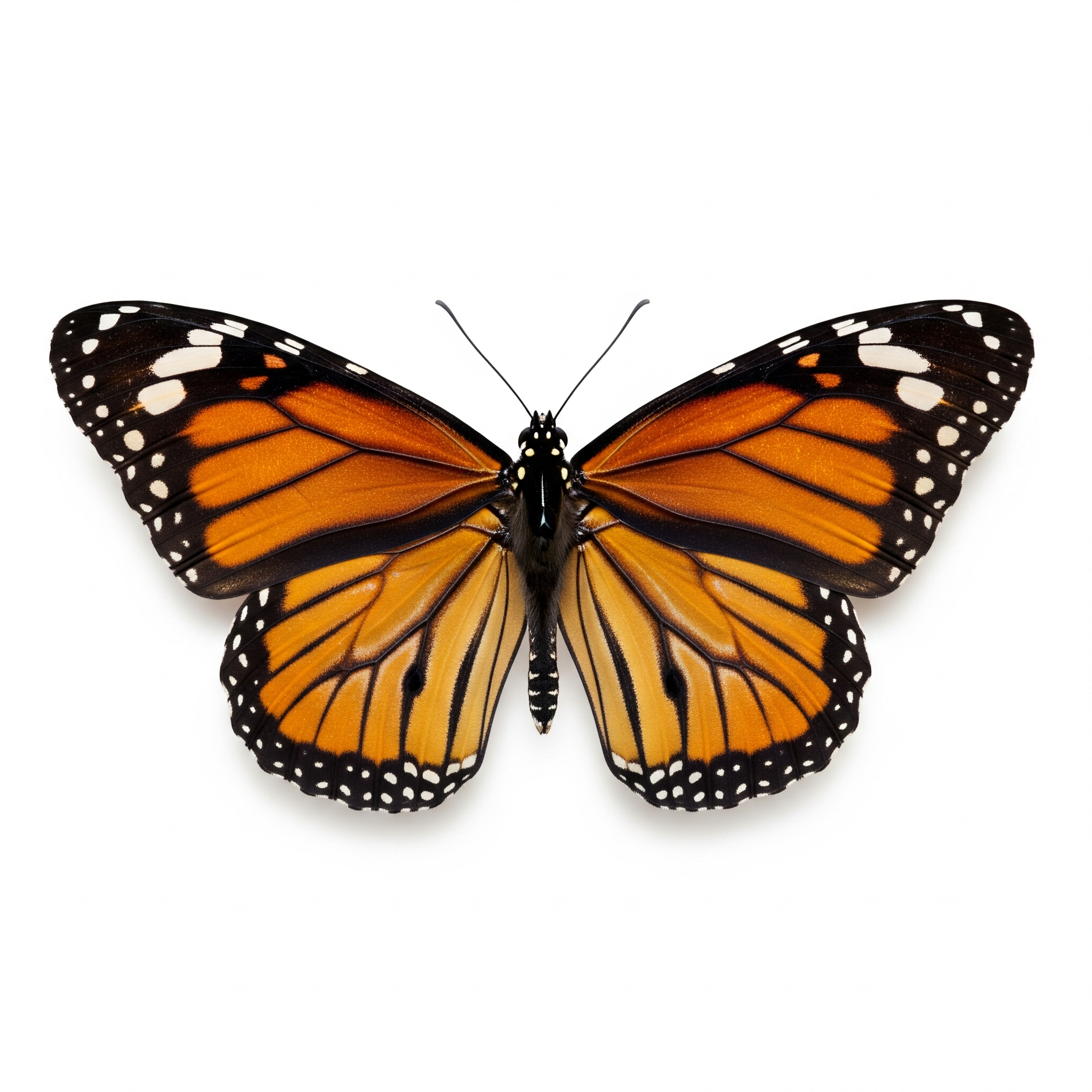
Archival print, museum-grade paper
Buy Poster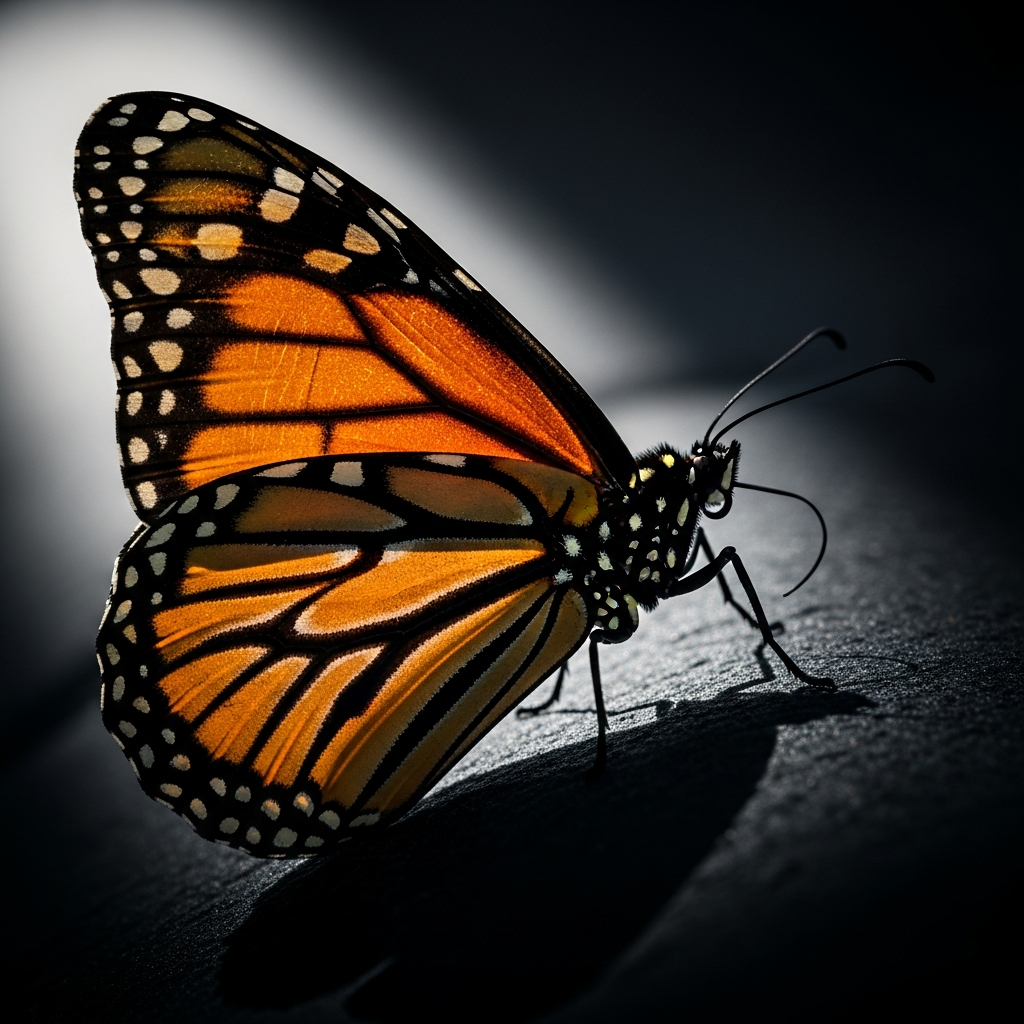
Stoneware mug, dishwasher safe
Buy Mug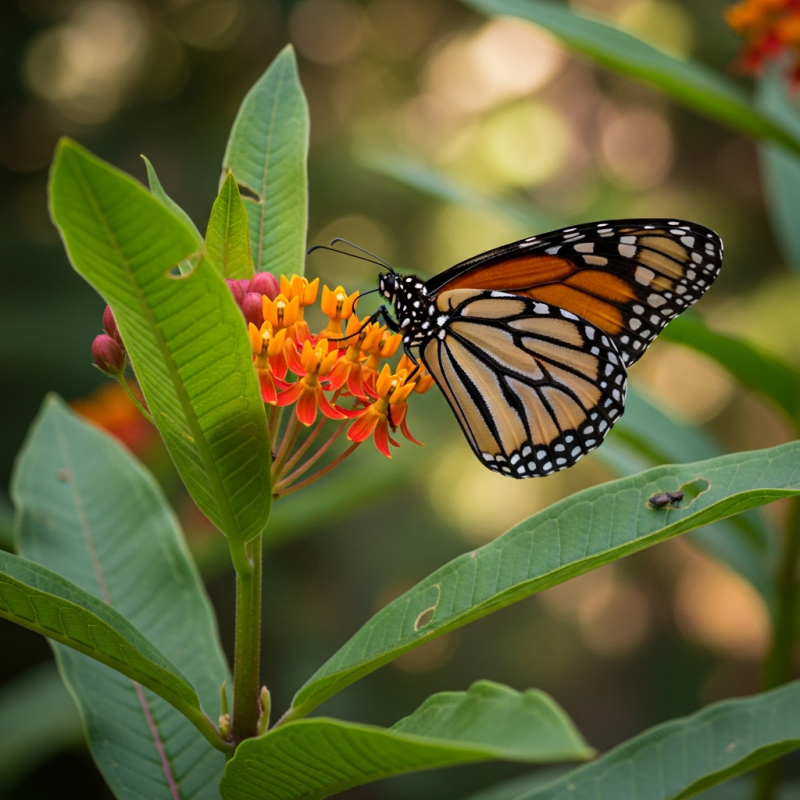
Soft cotton tee, unisex sizes
Buy ShirtButterflies hold a cherished place in art, mythology, and modern culture worldwide. They symbolize transformation, beauty, and renewal, inspiring countless works of art and conservation efforts. Their presence in cultural programs and environmental education underscores their enduring symbolic and ecological importance.
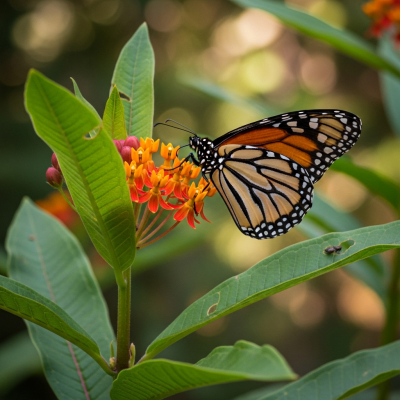
Butterflies inhabit a wide range of environments worldwide, from tropical rainforests and temperate meadows to deserts and alpine regions. Their distribution is global, with species adapted to diverse climates and ecological niches. They thrive in habitats rich in flowering plants, which provide nectar sources essential for adult feeding.
Butterflies undergo complete metamorphosis, beginning life as eggs laid on host plants. These hatch into larvae, known as caterpillars, which feed voraciously before forming a chrysalis (pupa). Inside the chrysalis, the transformation into the adult butterfly occurs, culminating in emergence with fully developed wings ready for flight.
Butterflies play vital roles as pollinators, facilitating the reproduction of many flowering plants. Their sensitivity to environmental changes makes them valuable indicators of ecosystem health. Additionally, they serve as prey for various predators, contributing to food web dynamics and biodiversity.
Butterflies face threats from habitat loss, climate change, pesticide use, and pollution, which can disrupt their life cycles and reduce populations. Conservation efforts focus on habitat preservation, creating butterfly-friendly gardens, and monitoring populations to safeguard these delicate insects and the ecological services they provide.