
Cicadella Viridis
Cicadella viridis, commonly known as the Green Leafhopper, is a small, agile insect recognized for its plant-feeding habits and remarkable jumping ability.
Cicadella viridis, commonly known as the Green Leafhopper, is a small, agile insect recognized for its plant-feeding habits and remarkable jumping ability.
First described by Carl Linnaeus in 1758, Cicadella viridis is a wild species native to a broad range of habitats. Its formal scientific recognition dates back to the foundational era of taxonomy, with no domestication or breeding history, reflecting its natural occurrence across temperate regions.
The Green Leafhopper belongs to the class Insecta, order Hemiptera, and family Cicadellidae. Within this framework, it is classified under the genus Cicadella and species viridis, situating it among thousands of related leafhopper species known for their plant-sap feeding.
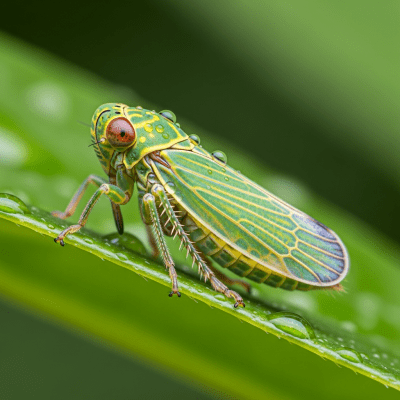
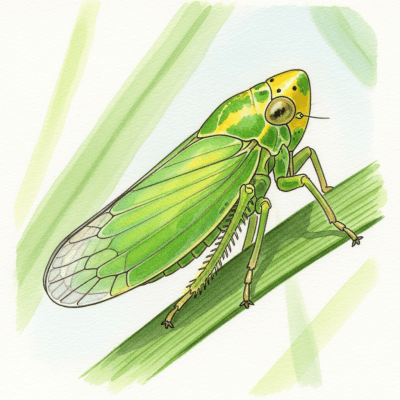
Cicadella viridis measures approximately 6 to 8 millimeters in length, featuring a slender, wedge-shaped body. Its bright green coloration is accented with subtle bluish or yellowish hues. Adults possess two pairs of wings held roof-like over the body, while nymphs are wingless and paler. Prominent compound eyes enhance its keen vision, and its six legs enable rapid jumps and short flights.
This species is highly mobile, using its powerful legs to leap swiftly from plant to plant. It feeds by piercing plant tissues with specialized mouthparts to extract sap, a behavior that can cause leaf damage and facilitate the transmission of plant pathogens. While not used directly by humans, its role as a vector of phytopathogenic organisms makes it significant in agricultural contexts where pest control is necessary.
Bring this kind into your world illustrated posters, mugs, and shirts.

Archival print, museum-grade paper
Buy Poster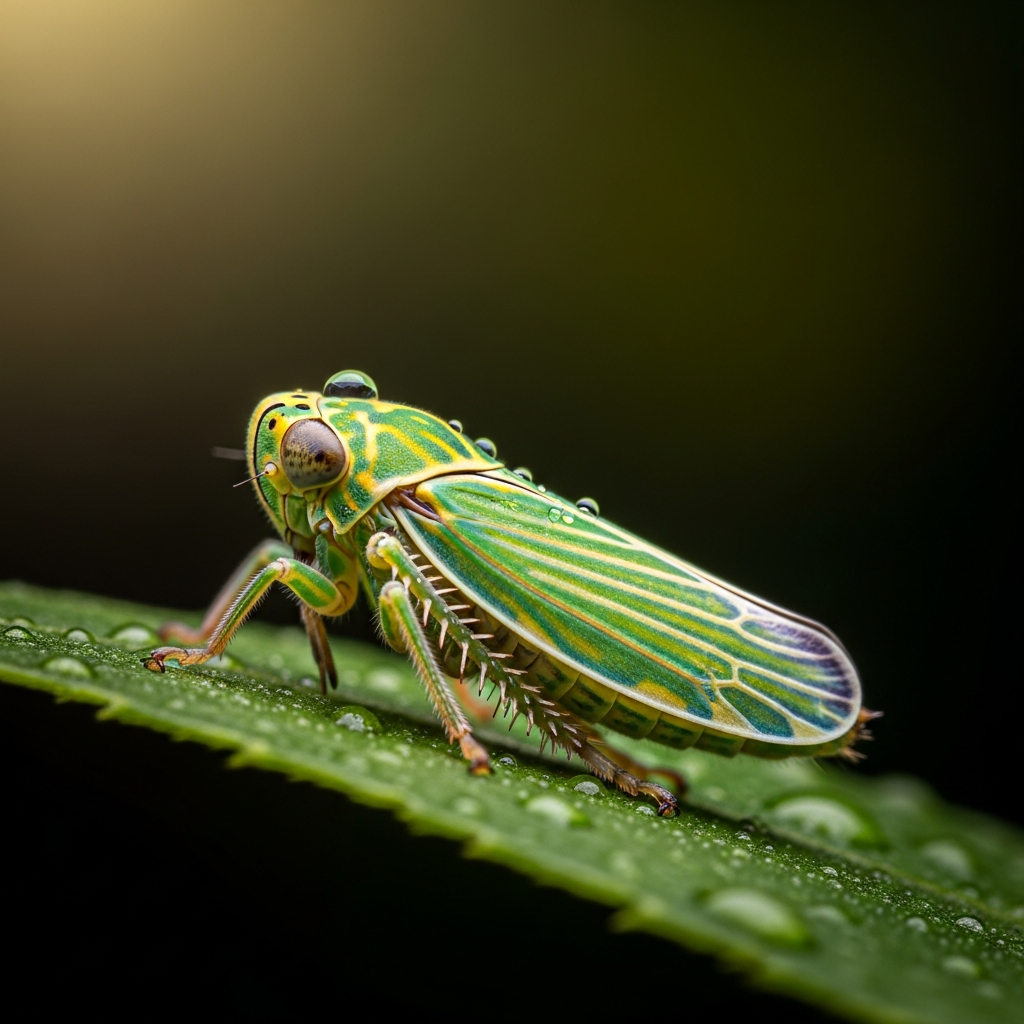
Stoneware mug, dishwasher safe
Buy Mug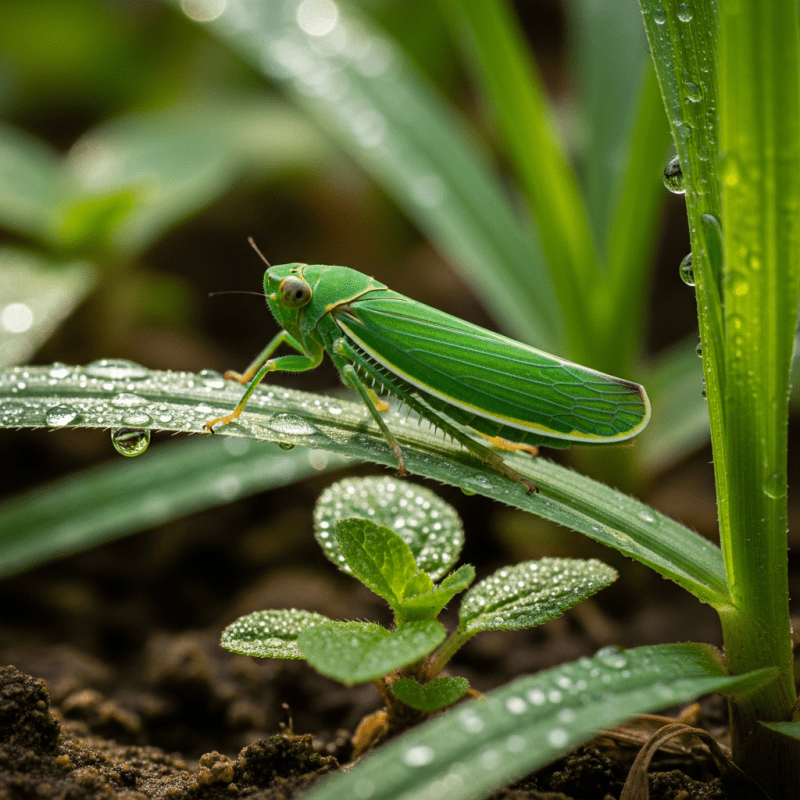
Soft cotton tee, unisex sizes
Buy ShirtThough Cicadella viridis holds little direct cultural or culinary significance, leafhoppers in general appear in regional vernacular names and occasionally feature in naturalist art and folklore as emblematic small creatures of the plant world. Their presence underscores the intricate connections between insects and human agricultural practices.
Cicadella viridis is widespread across temperate regions, inhabiting a variety of plant-rich environments. It thrives in meadows, gardens, and agricultural fields where host plants are abundant, reflecting its adaptability and broad ecological niche.
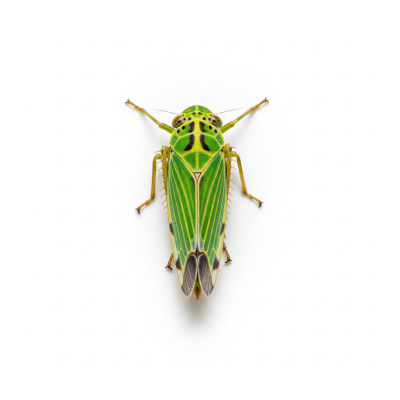
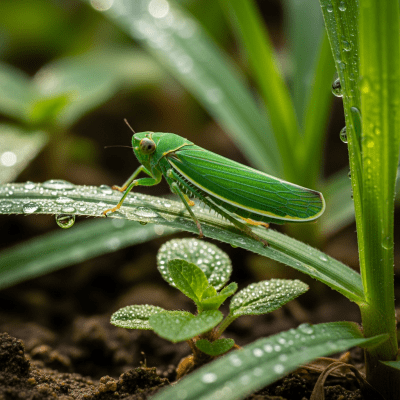
The lifecycle of the Green Leafhopper follows incomplete metamorphosis, progressing through three stages: egg, nymph, and adult. Nymphs resemble smaller, wingless versions of adults and undergo several molts before reaching maturity. Multiple generations can occur annually in favorable climates.
As plant sap feeders, leafhoppers like Cicadella viridis play a role in shaping plant community dynamics. They serve as prey for various predators and contribute to the transmission of phytopathogenic organisms, influencing ecosystem health and agricultural productivity.
Currently, Cicadella viridis faces no significant conservation threats and is considered a common wild species. However, some populations exhibit resistance to insecticides used in pest management, which can complicate control efforts. Maintaining balanced ecosystems helps regulate their populations naturally.