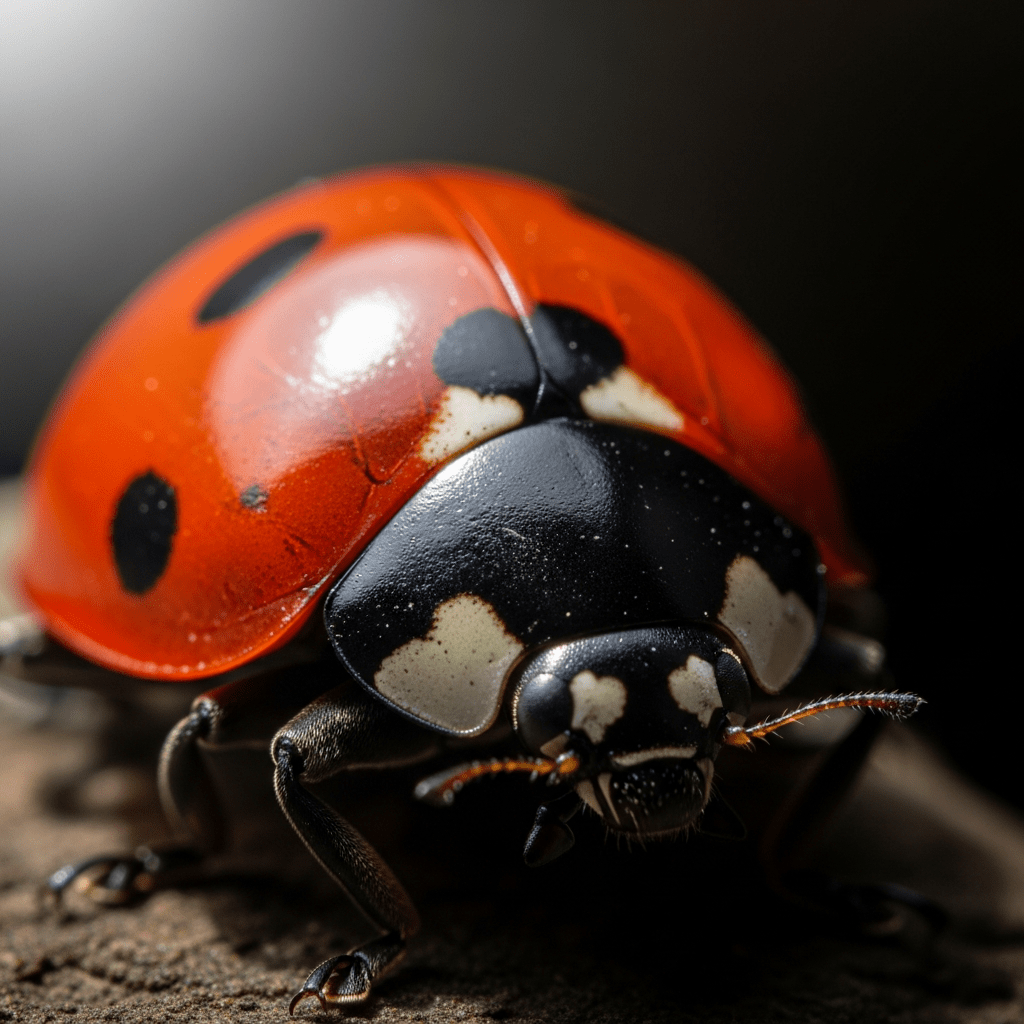
Coccinella Septempunctata
The ladybug, scientifically known as Coccinella septempunctata, is a small, brightly colored beetle famed for its seven black spots and vital role as a natural predator of garden pests.
The ladybug, scientifically known as Coccinella septempunctata, is a small, brightly colored beetle famed for its seven black spots and vital role as a natural predator of garden pests.
First described by Carl Linnaeus in 1758, the ladybug belongs to a lineage within the beetle order Coleoptera and has long existed as a wild species native to temperate regions.
The ladybug is classified within the class Insecta, order Coleoptera, family Coccinellidae, genus Coccinella, and species septempunctata, placing it among the diverse group of beetles known for their hardened wing covers.
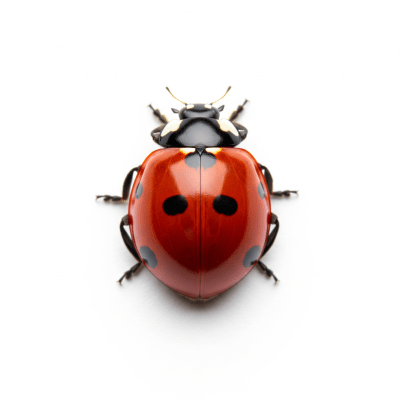
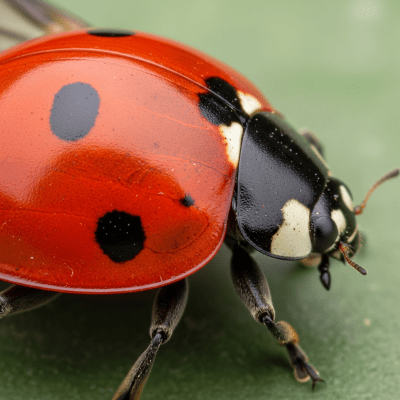
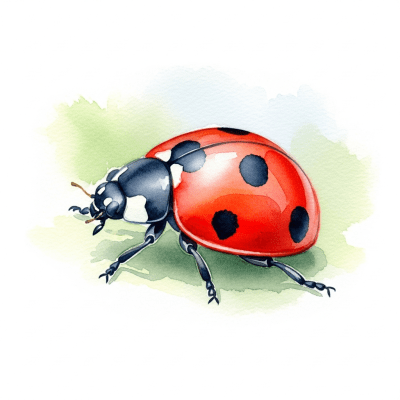
Measuring 7 to 10 millimeters, the ladybug has a rounded, dome-shaped body with bright red or orange wing covers marked by seven distinct black spots. Its head and pronotum are black with white markings, while the larvae appear elongated, dark, and spiny.
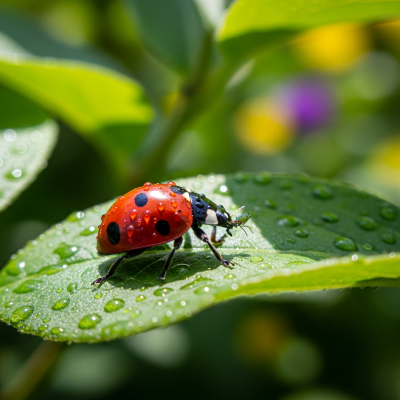
Ladybugs are voracious predators, feeding primarily on aphids and other soft-bodied pests. They are highly mobile, capable of flight, and widely valued for their natural pest control abilities in agricultural and garden environments.
Bring this kind into your world illustrated posters, mugs, and shirts.
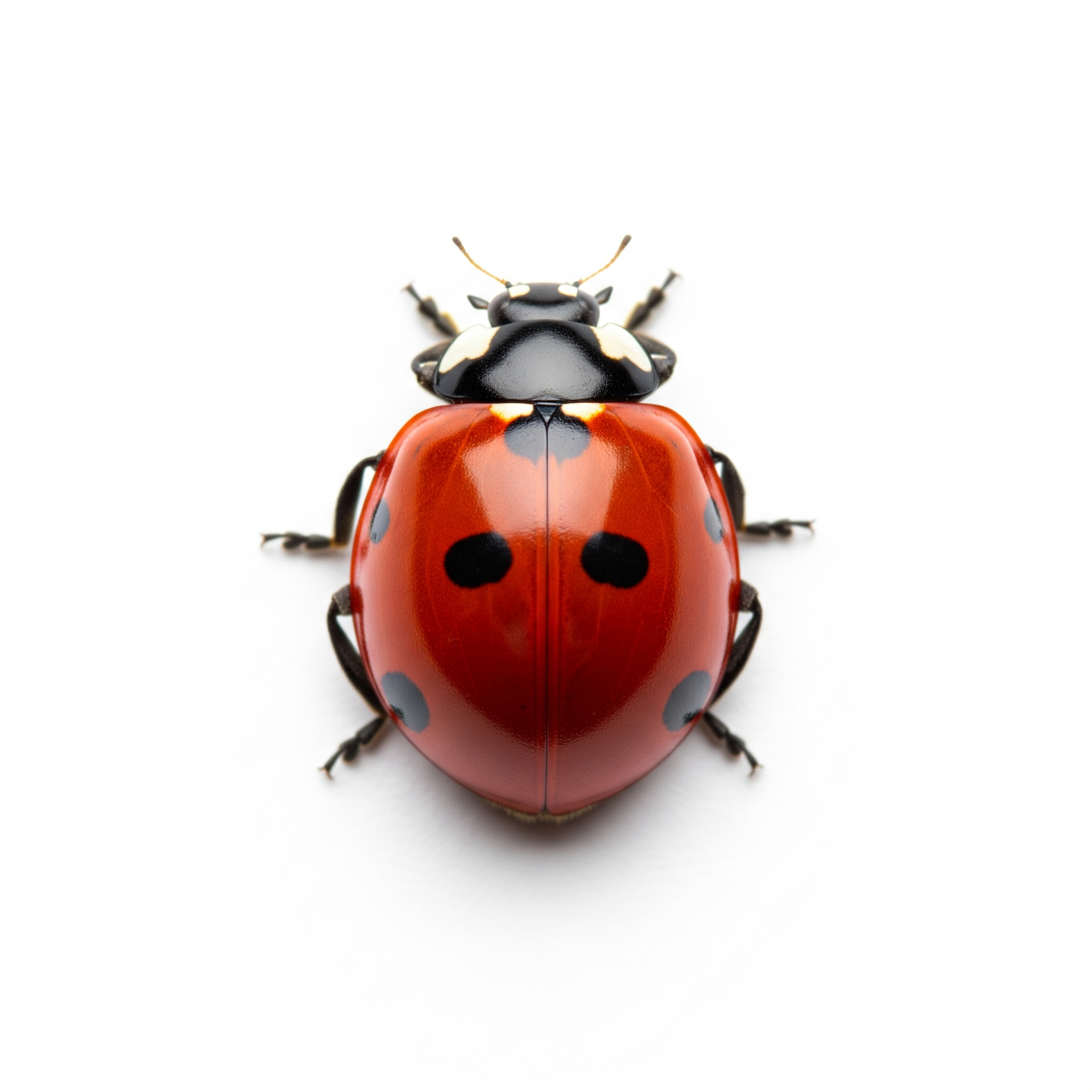
Archival print, museum-grade paper
Buy Poster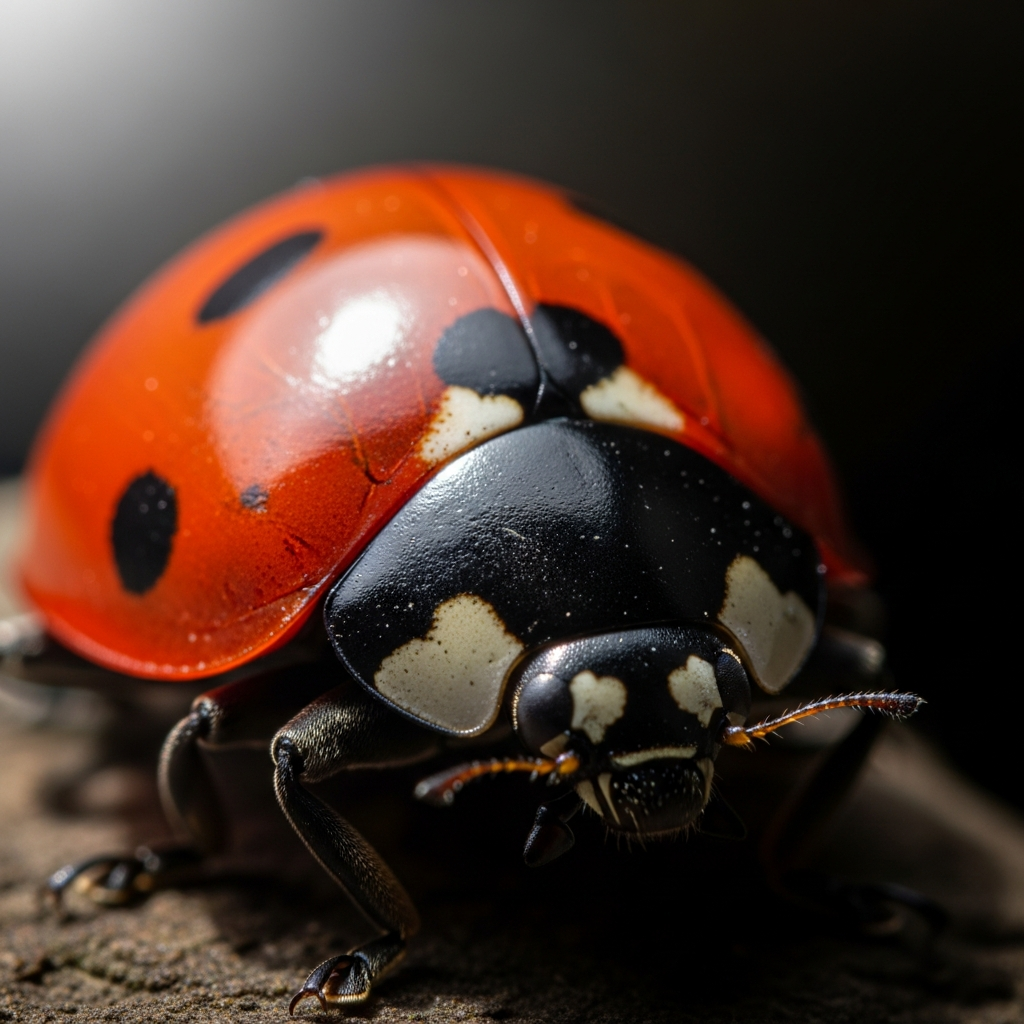
Stoneware mug, dishwasher safe
Buy Mug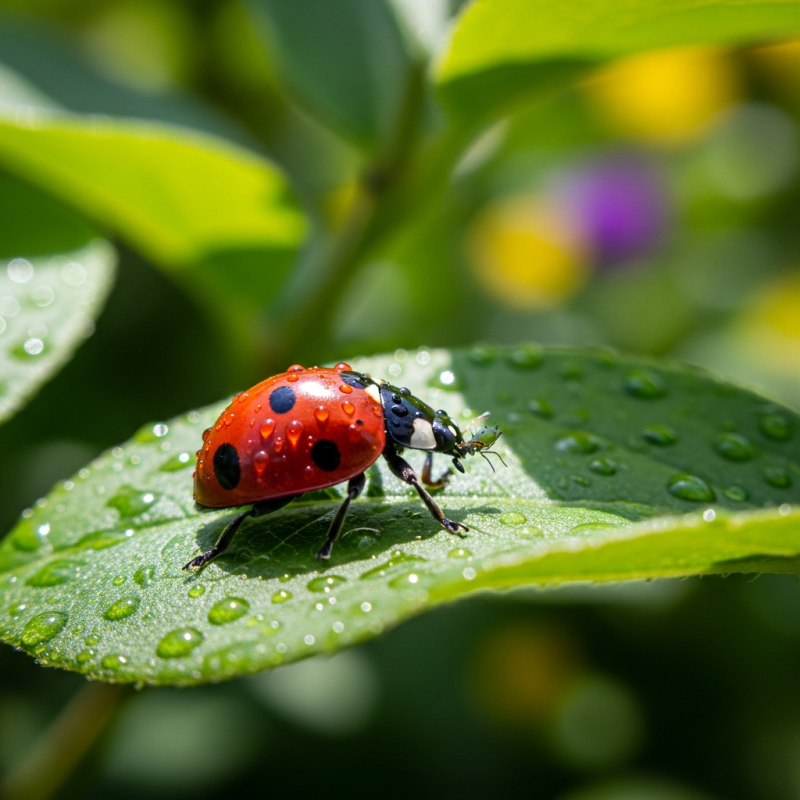
Soft cotton tee, unisex sizes
Buy ShirtThough not extensively documented in cultural symbolism, ladybugs are popularly regarded as beneficial insects and often feature in folklore and children’s stories as harbingers of good luck and natural pest control.
Ladybugs thrive in temperate environments worldwide, commonly inhabiting gardens, agricultural fields, and natural vegetation where their prey, such as aphids, are abundant.
Ladybugs undergo complete metamorphosis with four distinct stages: egg, larva, pupa, and adult. Eggs are laid near aphid colonies, larvae actively hunt pests, then pupate before emerging as winged adults.
As natural predators, ladybugs play a crucial ecological role by controlling populations of aphids and other soft-bodied insects, thereby supporting plant health and reducing the need for chemical pesticides.
While not globally threatened, ladybugs face risks from habitat loss, pesticide use, and environmental changes. Conservation efforts focus on promoting habitat diversity and reducing harmful insecticide applications to support their populations.