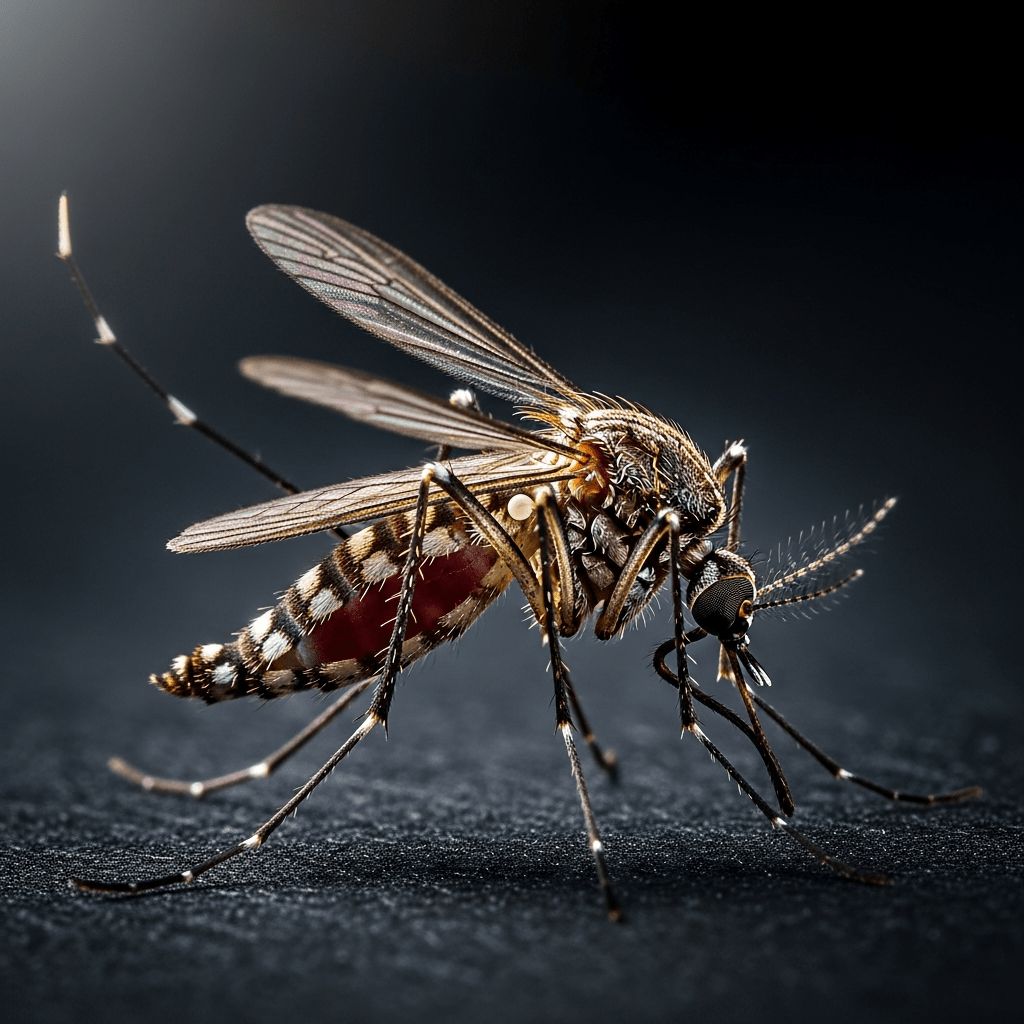
Culex Pipiens
Culex pipiens, commonly known as the mosquito, is a small, slender insect renowned for its role as a widespread vector of human and animal diseases.
Culex pipiens, commonly known as the mosquito, is a small, slender insect renowned for its role as a widespread vector of human and animal diseases.
Culex pipiens was first formally described by Carl Linnaeus in 1758. It serves as the type species for the genus Culex and has a complex lineage with several recognized subspecies and forms, reflecting its long-established presence and evolutionary history.
The mosquito belongs to the class Insecta, order Diptera, family Culicidae, genus Culex, and species pipiens. This taxonomic placement situates it among true flies, characterized by a single pair of wings and specialized mouthparts.
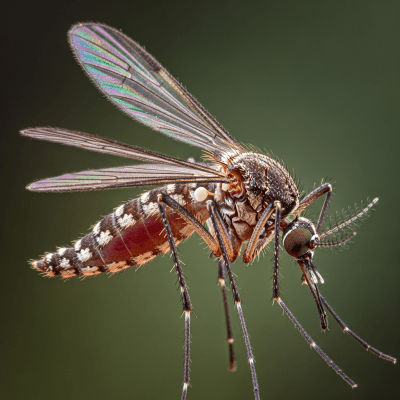
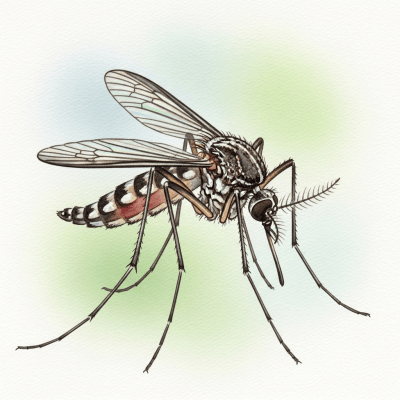
Culex pipiens measures between 3 and 7 millimeters in length, featuring a slender body with long legs and one pair of scaled wings. Its coloration ranges from brown to gray, marked by pale banding on the abdomen and legs. Females possess elongated proboscises adapted for piercing and blood-feeding, while males primarily feed on nectar.
Females of Culex pipiens are blood-feeders, targeting vertebrates to obtain nutrients necessary for egg development, whereas males feed on nectar. The species thrives in diverse environments, including urban, suburban, and rural areas. Larvae develop in stagnant water, showing tolerance to polluted conditions, and adults exhibit rapid generational turnover, contributing to their adaptability and persistence.
Bring this kind into your world illustrated posters, mugs, and shirts.

Archival print, museum-grade paper
Buy Poster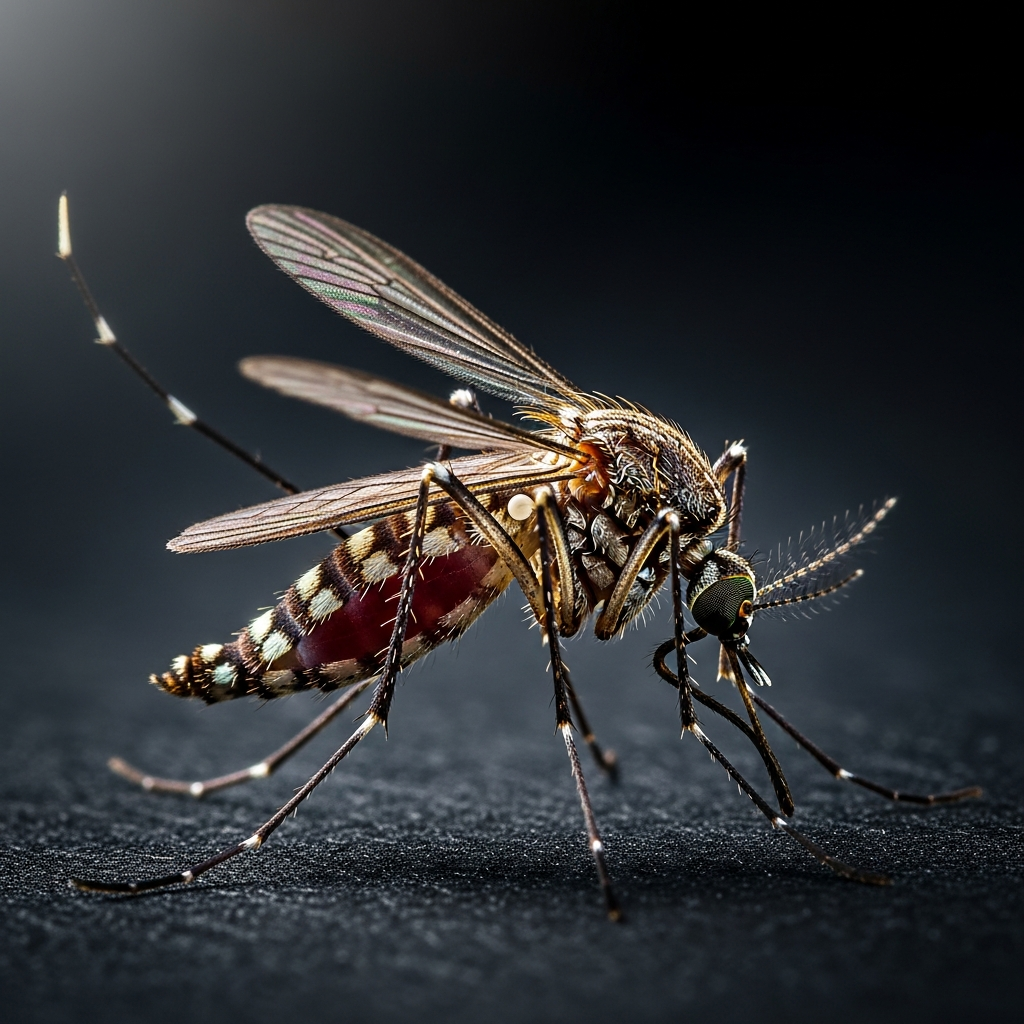
Stoneware mug, dishwasher safe
Buy Mug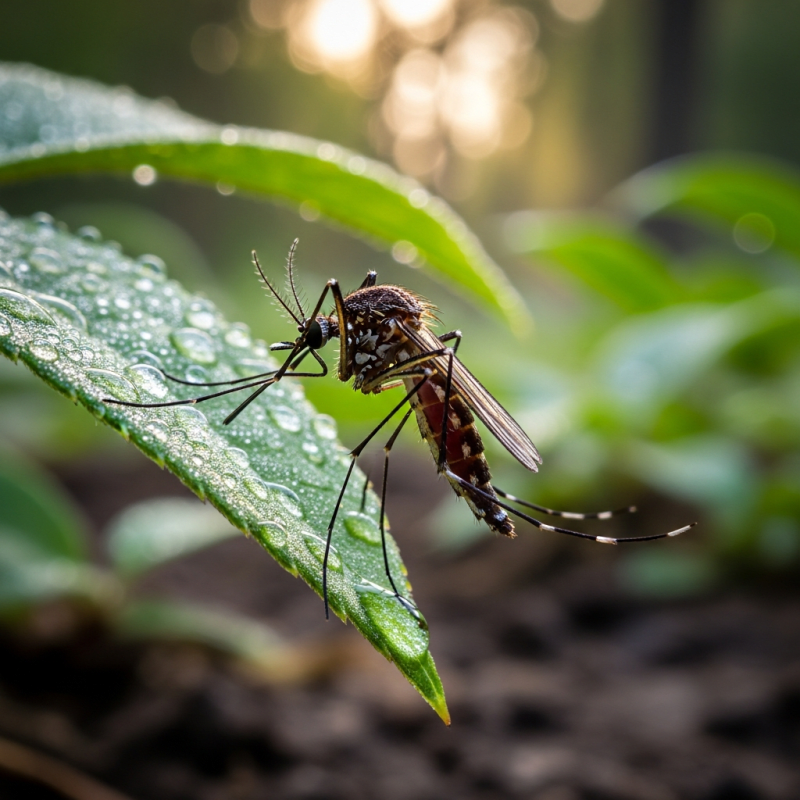
Soft cotton tee, unisex sizes
Buy ShirtWhile mosquitoes are primarily regarded as pests due to their biting behavior and role in disease transmission, they appear in various cultural contexts as symbols of nuisance and persistence. However, Culex pipiens itself lacks notable positive cultural or symbolic significance.
Culex pipiens is cosmopolitan, found worldwide across temperate and tropical regions. It inhabits urban, suburban, and rural environments, with larvae developing in stagnant water bodies such as ponds, ditches, and artificial containers. Its tolerance to polluted water allows survival in diverse and often human-altered habitats.

The mosquito undergoes complete metamorphosis, progressing through four stages: egg, larva, pupa, and adult. Eggs are laid on or near stagnant water, where larvae hatch and feed before pupating. Adults emerge to mate, with females seeking blood meals to nourish developing eggs, completing rapid generational cycles.
Despite their notoriety as pests, Culex pipiens mosquitoes play important ecological roles. Larvae contribute to aquatic food webs by filtering organic matter, while adults serve as prey for birds, bats, and other insectivores. Their interactions help sustain biodiversity and energy flow within ecosystems.
As a widespread and abundant species, Culex pipiens faces few conservation concerns and is generally considered of least concern. However, control efforts target it due to its role in disease transmission. Some populations have developed resistance to insecticides, posing challenges for management. Conservation efforts focus primarily on balancing public health needs with ecological impacts.