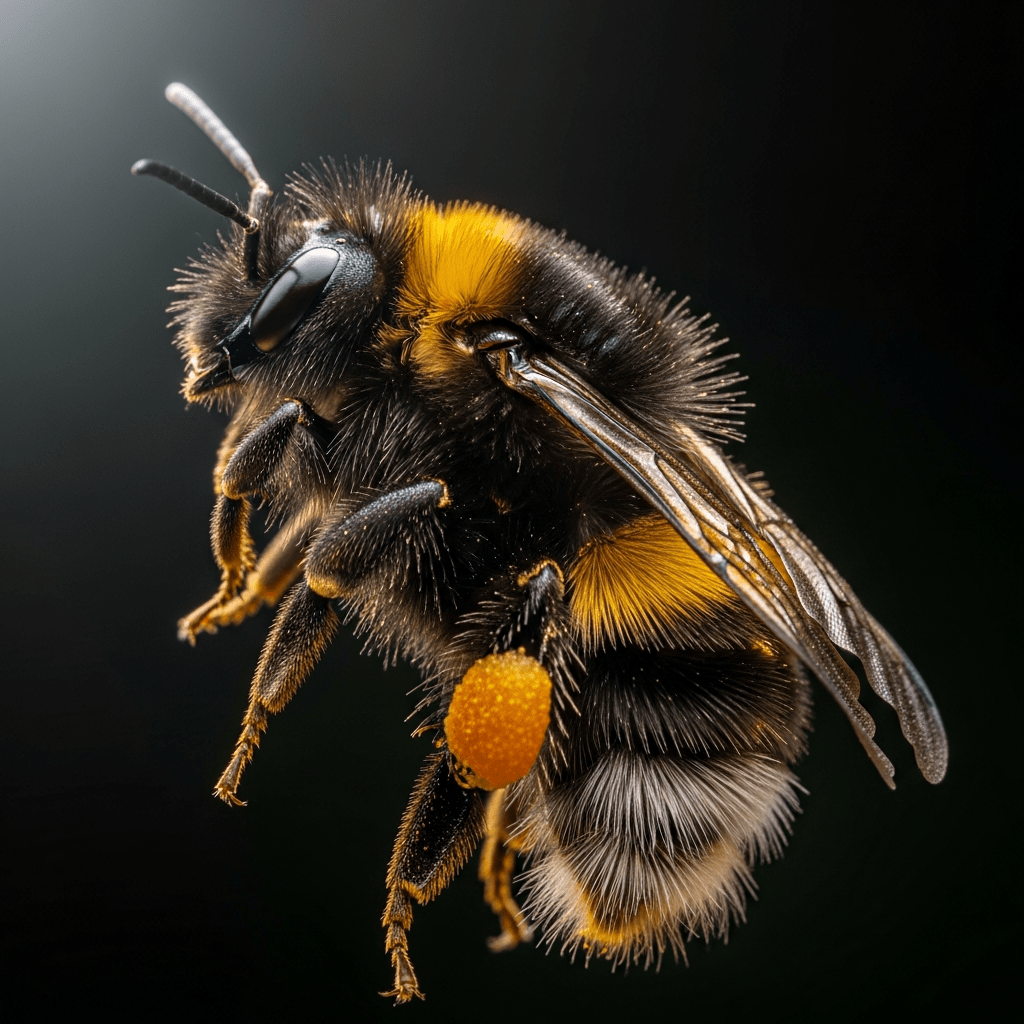
Bombus Terrestris
The bumblebee, Bombus terrestris, is a large, fuzzy bee species known for its distinctive black and yellow bands and its essential role as a highly effective pollinator in both natural and agricultural ecosystems.
The bumblebee, Bombus terrestris, is a large, fuzzy bee species known for its distinctive black and yellow bands and its essential role as a highly effective pollinator in both natural and agricultural ecosystems.
Bombus terrestris was first formally described by Carl Linnaeus in 1758. As a wild species native to Europe and surrounding regions, it belongs to the genus Bombus within the family Apidae, with no domestication or breeding origin beyond its natural lineage.
This species is classified within the class Insecta, order Hymenoptera, family Apidae, and genus Bombus. It is one of the most recognized members of the bumblebee group, which comprises robust, social bees distinguished from honeybees by their size, hairiness, and pollination behaviors.
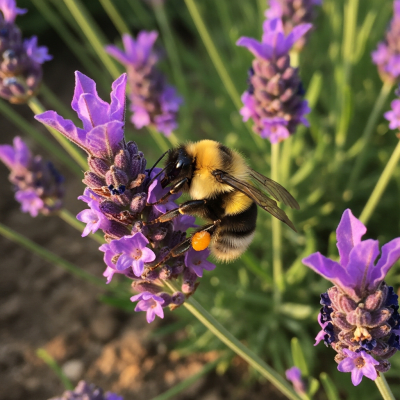
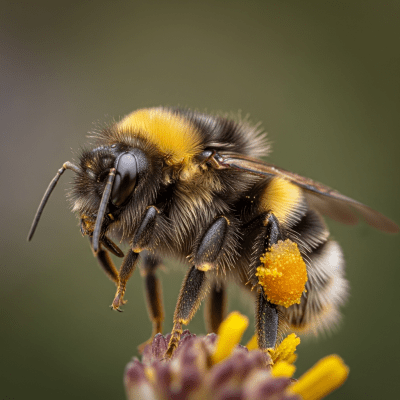
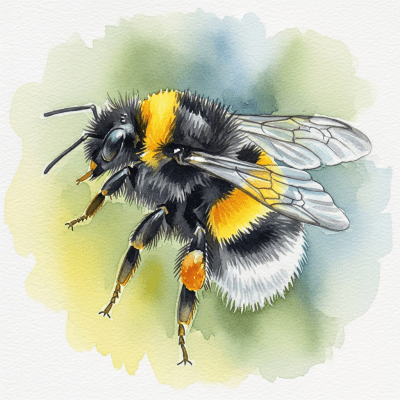
Bombus terrestris is a robust bee measuring between 11 and 23 millimeters in length. Its body is densely covered in hair, featuring striking black and yellow bands across the thorax and abdomen, capped with a characteristic white tip at the abdomen’s end. This fuzzy appearance not only aids in pollen collection but also gives it a distinctive, tactile presence.
This species exhibits eusocial behavior, forming annual colonies led by a single queen and supported by numerous worker bees. Colonies typically begin in spring and can grow to several hundred individuals. Bumblebees like Bombus terrestris are renowned for their buzz pollination technique, vibrating flowers to release pollen efficiently. They forage on a wide variety of flowering plants and are more tolerant of cooler temperatures than many other bees, allowing them to remain active in conditions unsuitable for honeybees. Commercially, they are bred and managed globally to pollinate greenhouse crops such as tomatoes, peppers, and berries, significantly enhancing agricultural productivity.
Bring this kind into your world illustrated posters, mugs, and shirts.

Archival print, museum-grade paper
Buy Poster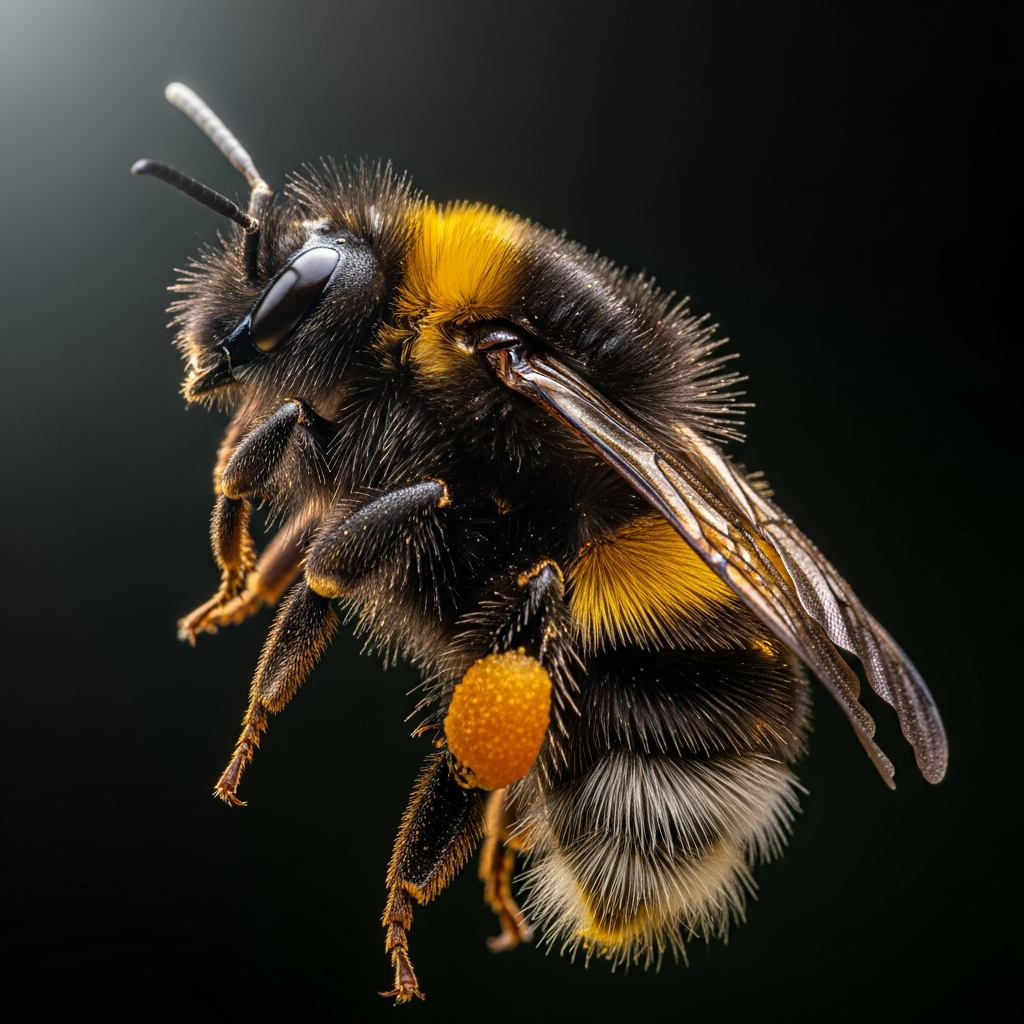
Stoneware mug, dishwasher safe
Buy Mug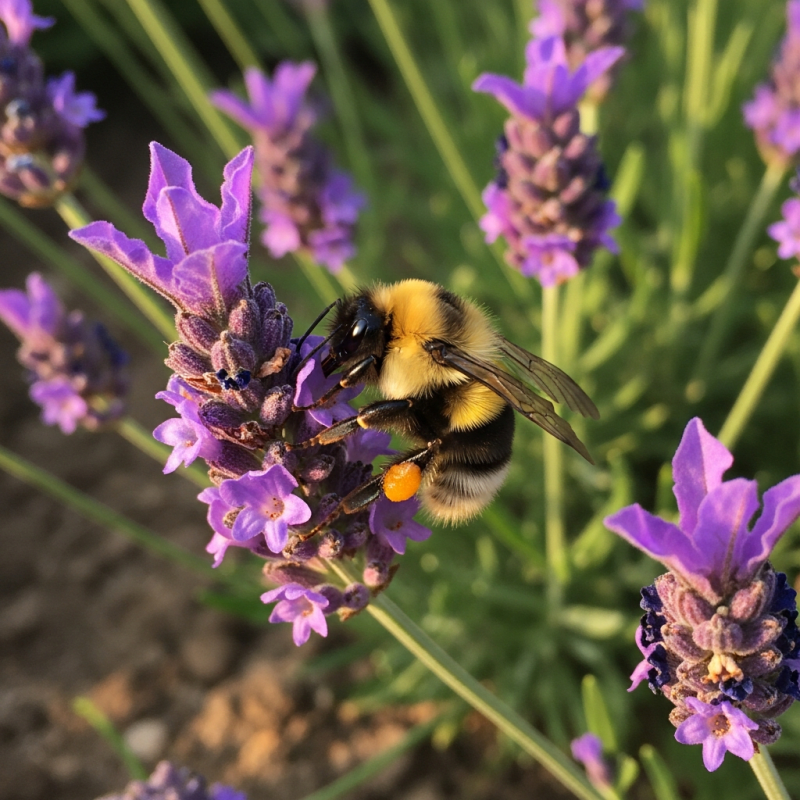
Soft cotton tee, unisex sizes
Buy ShirtWhile Bombus terrestris does not have a widely documented role in culinary traditions or symbolic culture, its importance as a pollinator has made it a valued species in agricultural communities and ecological awareness efforts. Regional common names like "buff-tailed bumblebee" and "large earth bumblebee" reflect its familiarity and recognition in parts of Europe.
Bombus terrestris inhabits a range of natural and agricultural ecosystems across Europe and other regions where it has been introduced or established. It thrives in temperate climates and is commonly found in meadows, gardens, farmland, and urban areas, foraging on a diverse array of flowering plants.
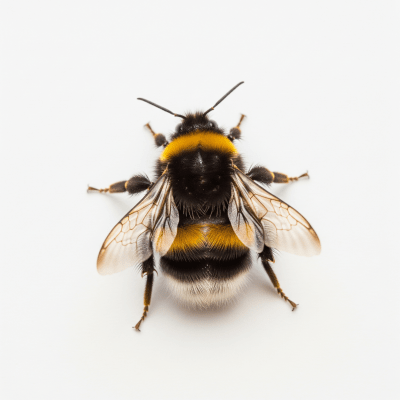
The bumblebee undergoes complete metamorphosis, progressing through four stages: egg, larva, pupa, and adult. Each year, a queen emerges from hibernation in spring to establish a new colony. Workers develop from fertilized eggs and support the colony through summer, while new queens and males are produced later in the season to mate and continue the cycle.
As a vital pollinator, Bombus terrestris plays a crucial role in maintaining biodiversity and supporting food production. Its ability to buzz pollinate enables the fertilization of plants that other pollinators cannot efficiently service. This species contributes to the reproduction of wildflowers and many agricultural crops, sustaining healthy ecosystems and human food supplies alike.
Despite its adaptability, Bombus terrestris faces threats from habitat loss, pesticide exposure, and diseases. Conservation efforts focus on protecting natural habitats, reducing harmful chemical use, and supporting sustainable agricultural practices. Managed breeding programs help maintain healthy populations for commercial pollination, but ongoing monitoring is essential to safeguard wild colonies.