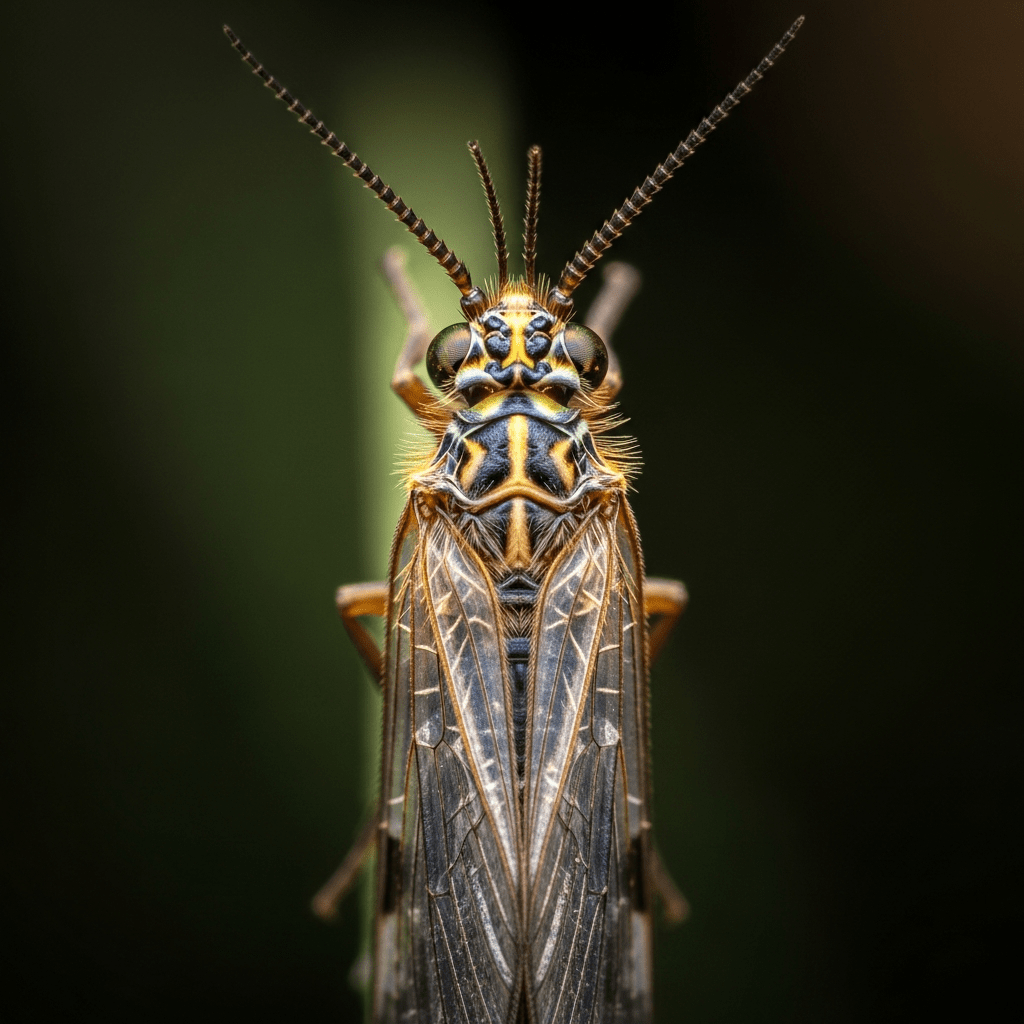
Hydropsyche Spp.
Hydropsyche caddisflies are aquatic insects known for their silk-spinning larvae that construct protective nets and cases in freshwater streams, serving as vital indicators of water quality and key prey for fish.
Hydropsyche caddisflies are aquatic insects known for their silk-spinning larvae that construct protective nets and cases in freshwater streams, serving as vital indicators of water quality and key prey for fish.
The genus Hydropsyche was first formally described by Wilhelm Kirchner in 1852. These wild, naturally occurring insects have since been studied extensively, with no domestication or breeding, thriving in freshwater ecosystems worldwide.
Hydropsyche belongs to the order Trichoptera, commonly known as caddisflies, within the family Hydropsychidae. This genus is distinguished by its aquatic larvae and net-spinning behavior, differentiating it from other insect groups.
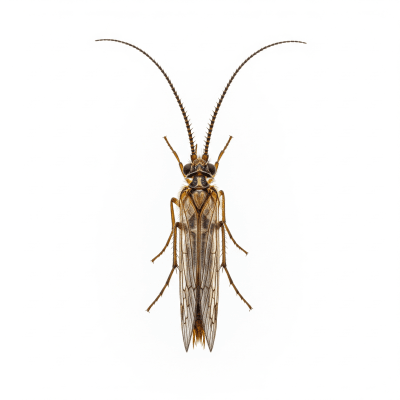
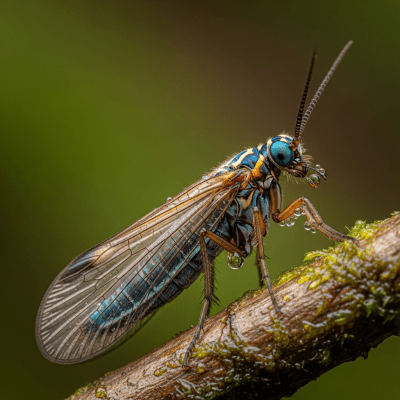
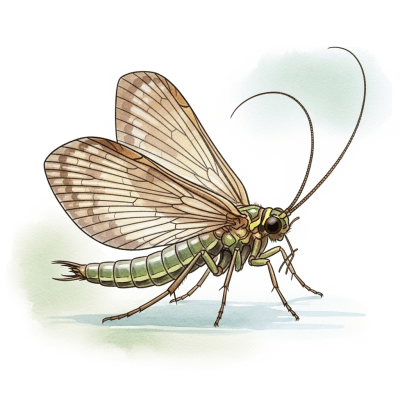
Adult Hydropsyche caddisflies have slender, moth-like bodies measuring 6 to 15 millimeters in length, with two pairs of hairy wings held roof-like over their abdomens when at rest. Larvae possess elongated, segmented bodies with prominent head capsules and are renowned for spinning silk to build protective cases or nets from sand, gravel, and plant debris.
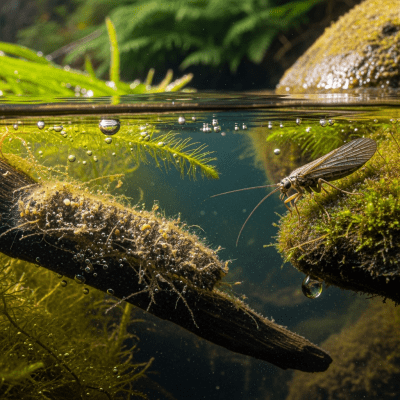
The larvae of Hydropsyche are filter feeders that anchor themselves to rocks in fast-flowing streams, using their silk nets to trap food particles. Adults are terrestrial and short-lived. These insects are highly valued in recreational fishing as bait and play a crucial role in ecological monitoring of freshwater habitats.
Bring this kind into your world illustrated posters, mugs, and shirts.
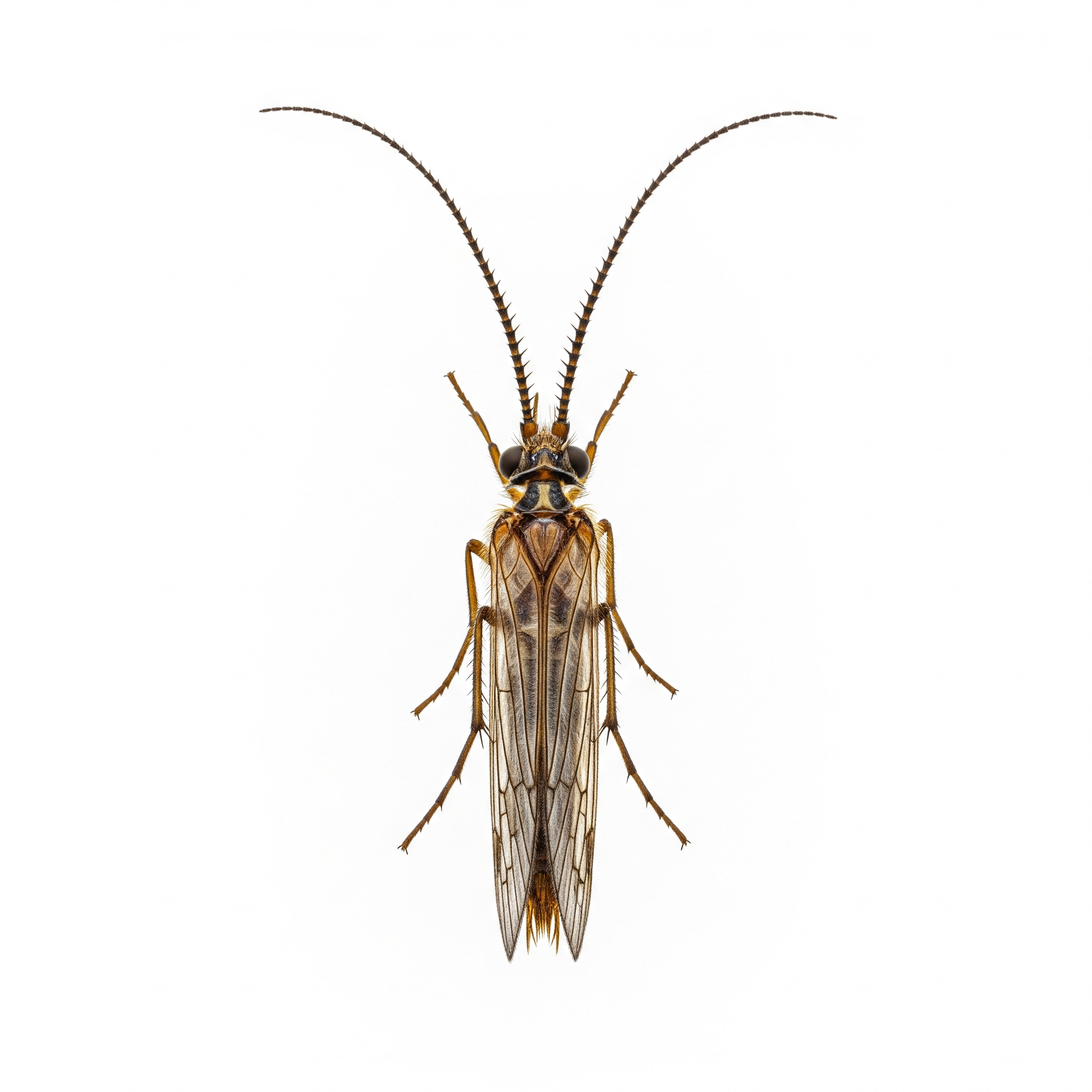
Archival print, museum-grade paper
Buy Poster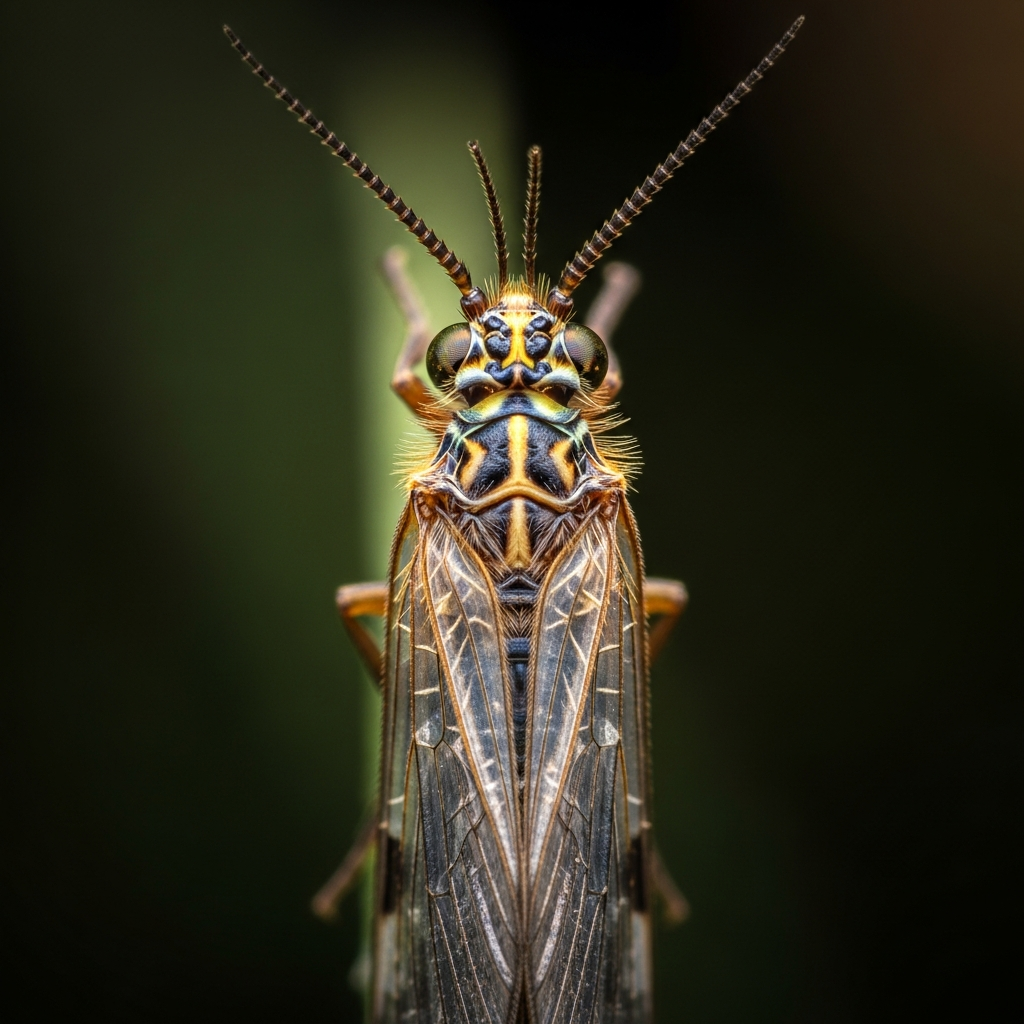
Stoneware mug, dishwasher safe
Buy Mug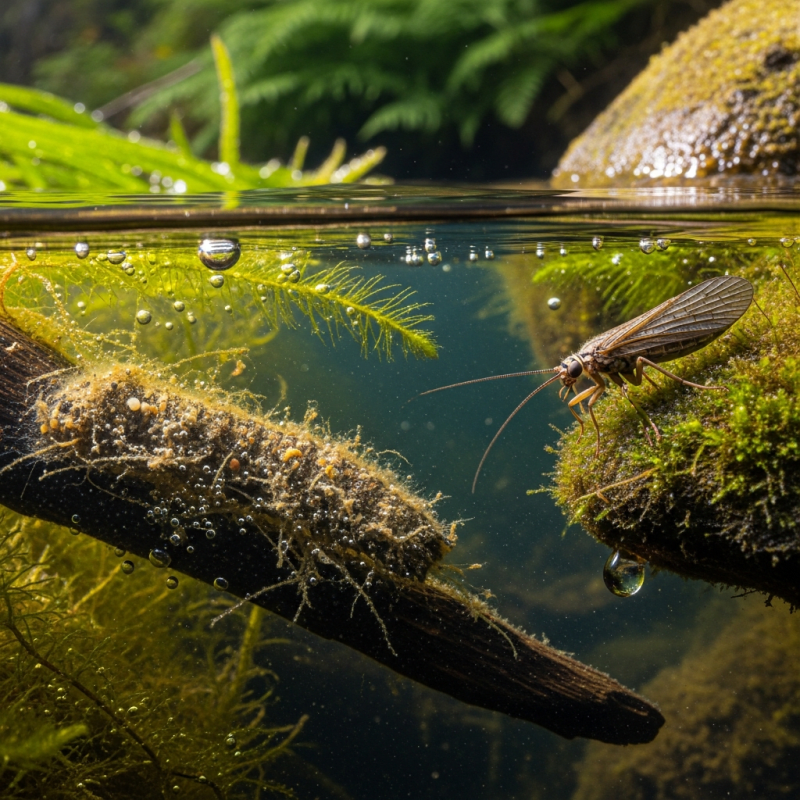
Soft cotton tee, unisex sizes
Buy ShirtWhile Hydropsyche caddisflies have limited direct cultural prominence, their larvae are occasionally consumed in some cultures and widely appreciated by anglers for their role as effective fishing bait. Their presence also symbolizes clean, healthy freshwater ecosystems in environmental contexts.
Hydropsyche caddisflies inhabit freshwater environments such as streams and rivers worldwide. They prefer clean, well-oxygenated, flowing waters where larvae attach their silk nets to rocks and submerged surfaces. Their distribution is closely tied to water quality and habitat integrity.
Hydropsyche undergo complete metamorphosis with four distinct stages: egg, larva, pupa, and adult. Eggs are laid in water, and larvae develop aquatic silk nets for feeding and protection. After pupation, adults emerge to mate and lay eggs, completing the cycle.
These caddisflies play critical roles in freshwater ecosystems as filter feeders, helping to maintain water clarity by trapping organic particles. Their larvae serve as essential prey for fish, linking aquatic food webs. Additionally, their sensitivity to pollution makes them valuable bioindicators for monitoring ecosystem health.
Hydropsyche caddisflies face threats primarily from habitat degradation and water pollution, which reduce water quality and disrupt their delicate aquatic environments. Conservation efforts focus on protecting freshwater habitats and maintaining clean waterways to support their populations and the broader ecosystem.