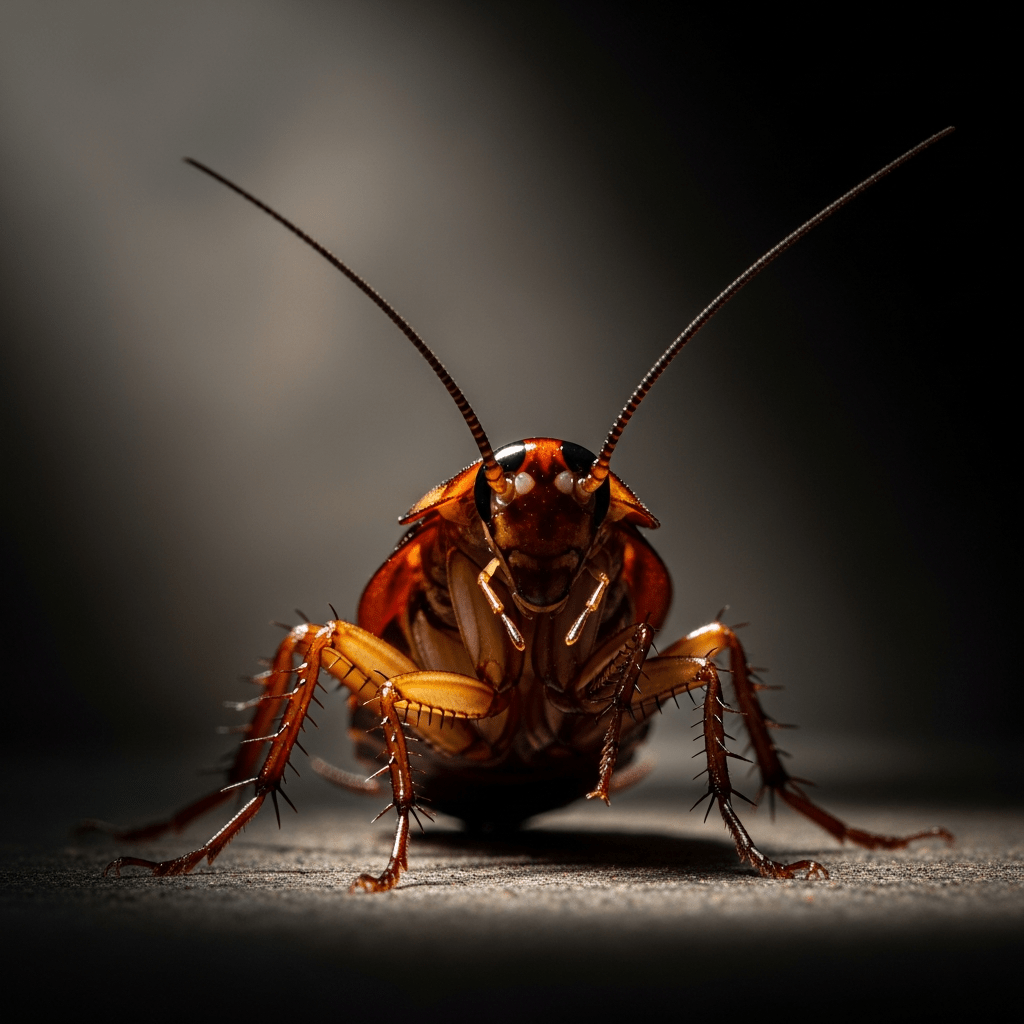
Blattella Germanica
The German cockroach (Blattella germanica) is a small, fast-moving insect known for its flattened body and adaptability, commonly found as a persistent household pest worldwide.
The German cockroach (Blattella germanica) is a small, fast-moving insect known for its flattened body and adaptability, commonly found as a persistent household pest worldwide.
First described by Carl Linnaeus in 1767, the German cockroach belongs to a lineage that dates back over 300 million years, with fossil records revealing its ancient origins. This species is naturally occurring and has spread globally, thriving especially in human environments.
The German cockroach is classified within the class Insecta, order Blattodea, genus Blattella, and species germanica. It is part of a diverse group of insects characterized by their flattened bodies and rapid movements.
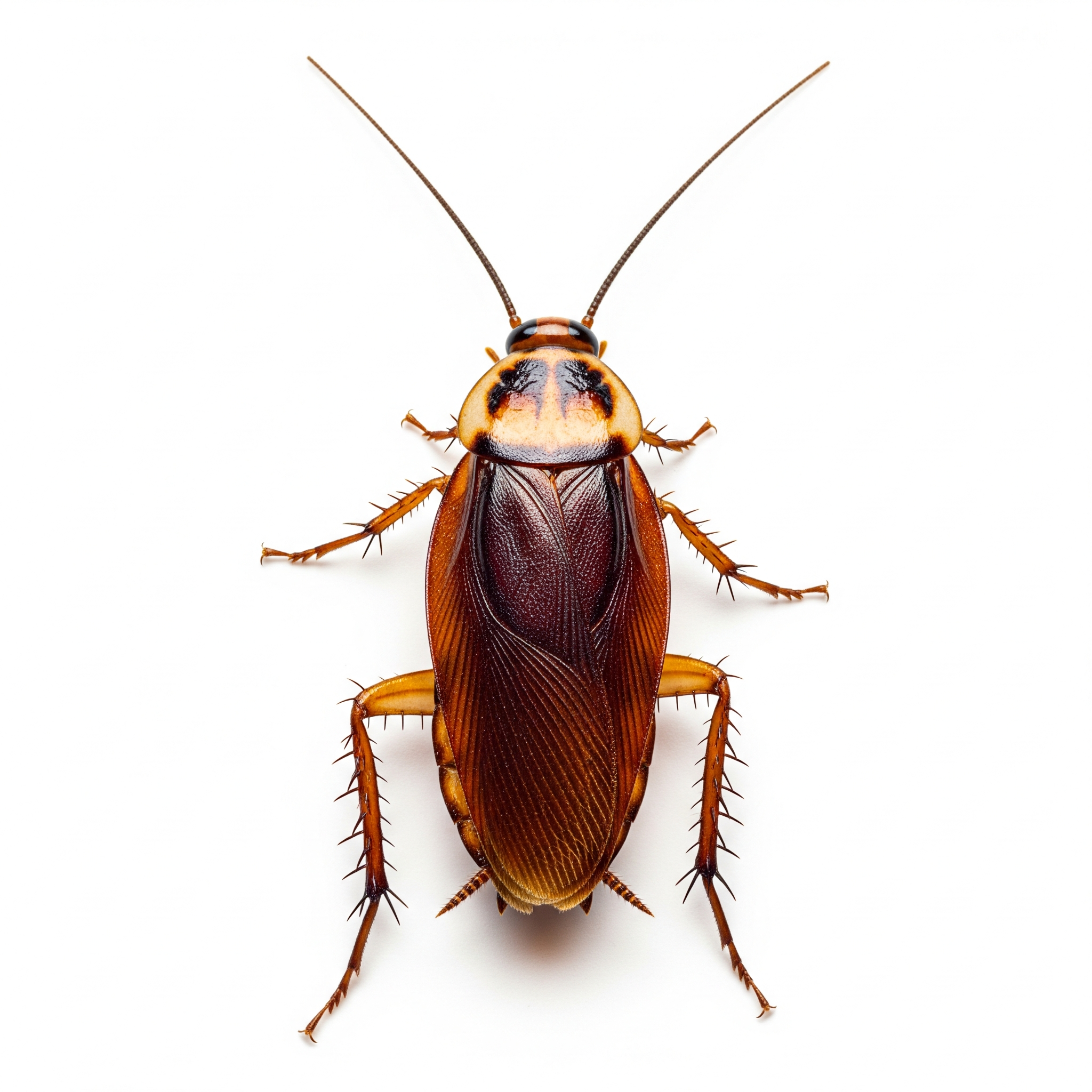
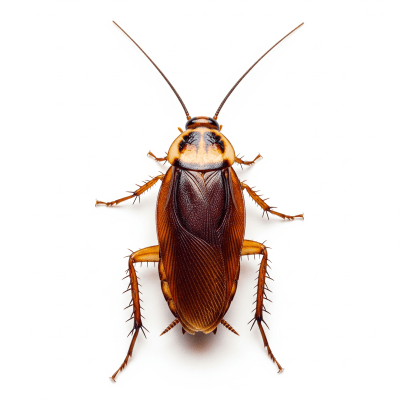
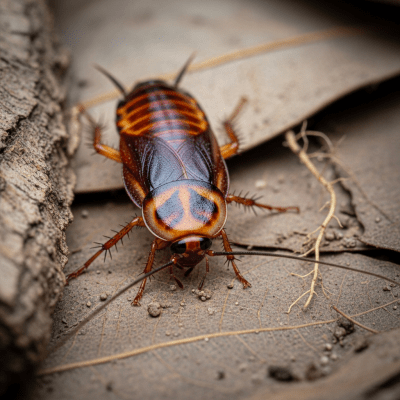
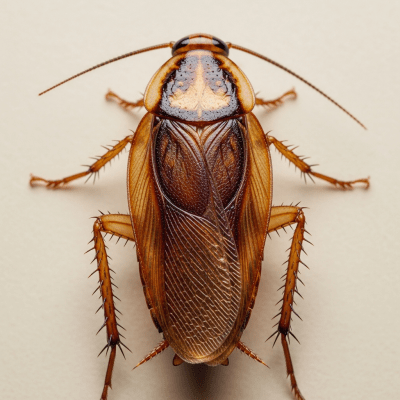
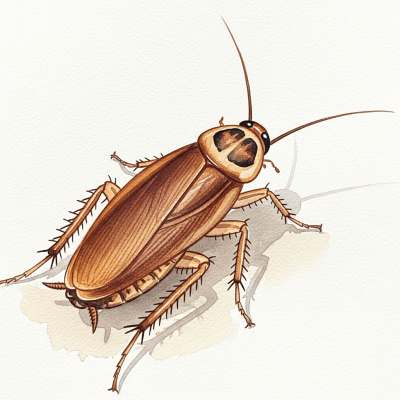
This insect measures between 13 and 16 millimeters in length, featuring a dorsoventrally flattened body that aids in slipping into narrow spaces. Its coloration ranges from light brown to tan, marked by two distinct dark parallel streaks on the pronotum. Long, filamentous antennae and six spiny legs adapted for swift running complete its form. While wings are present, many individuals are poor fliers.
German cockroaches are omnivorous scavengers, capable of surviving on a wide variety of organic materials. Their rapid reproduction involves females producing oothecae containing 30 to 40 eggs. Highly resilient, they tolerate diverse environmental conditions and some insecticides, though they remain vulnerable to dehydration and extreme cold. Their presence in homes is generally unwelcome due to their pest status.
Bring this kind into your world illustrated posters, mugs, and shirts.
Archival print, museum-grade paper
Buy Poster
Stoneware mug, dishwasher safe
Buy Mug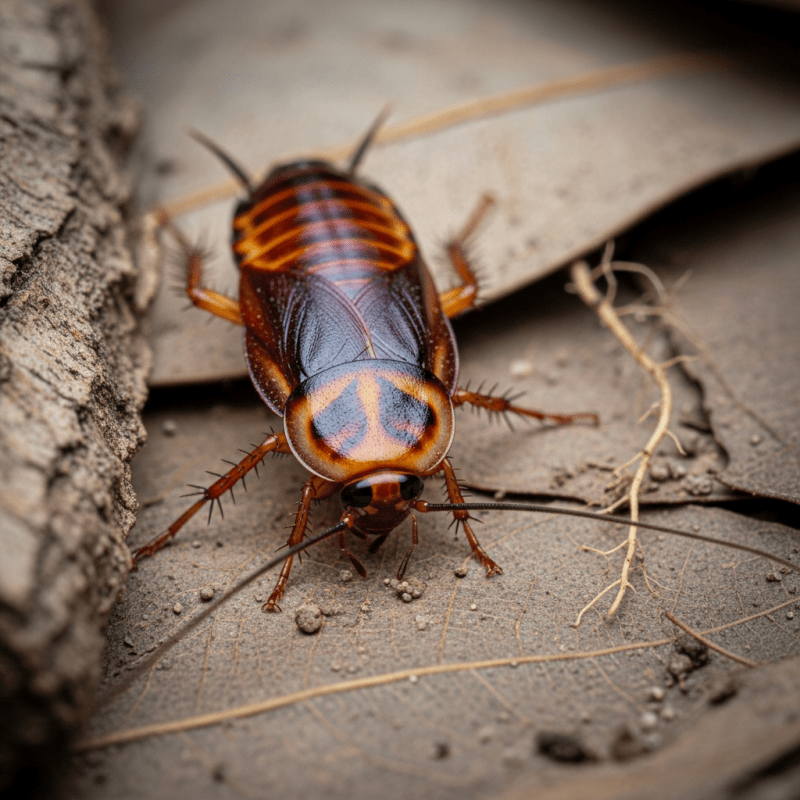
Soft cotton tee, unisex sizes
Buy ShirtWhile the German cockroach is primarily regarded as a household pest, some cockroach species have cultural roles in traditional medicine and local culinary practices. However, Blattella germanica itself holds little positive cultural significance and is often associated with contamination and disease.
German cockroaches are cosmopolitan pests, commonly inhabiting human dwellings worldwide. They prefer warm, humid environments such as kitchens and bathrooms, where food and moisture are readily available. Their flattened bodies allow them to hide in narrow crevices, making them difficult to eradicate.
The German cockroach undergoes incomplete metamorphosis, progressing through three main stages: egg, nymph, and adult. Females carry oothecae containing 30 to 40 eggs until hatching. Nymphs resemble smaller, wingless adults and molt several times before reaching maturity, allowing for rapid population growth under favorable conditions.
As omnivorous scavengers, German cockroaches contribute to the decomposition of organic matter, recycling nutrients in their environments. Although often considered pests, they play a role in breaking down waste materials, indirectly supporting ecosystem nutrient cycles.
German cockroaches face few natural threats due to their adaptability and resilience. However, they are susceptible to dehydration and extreme cold. Given their pest status and impact on human health, conservation efforts are not applicable; instead, control and eradication measures are widely employed to manage their populations.