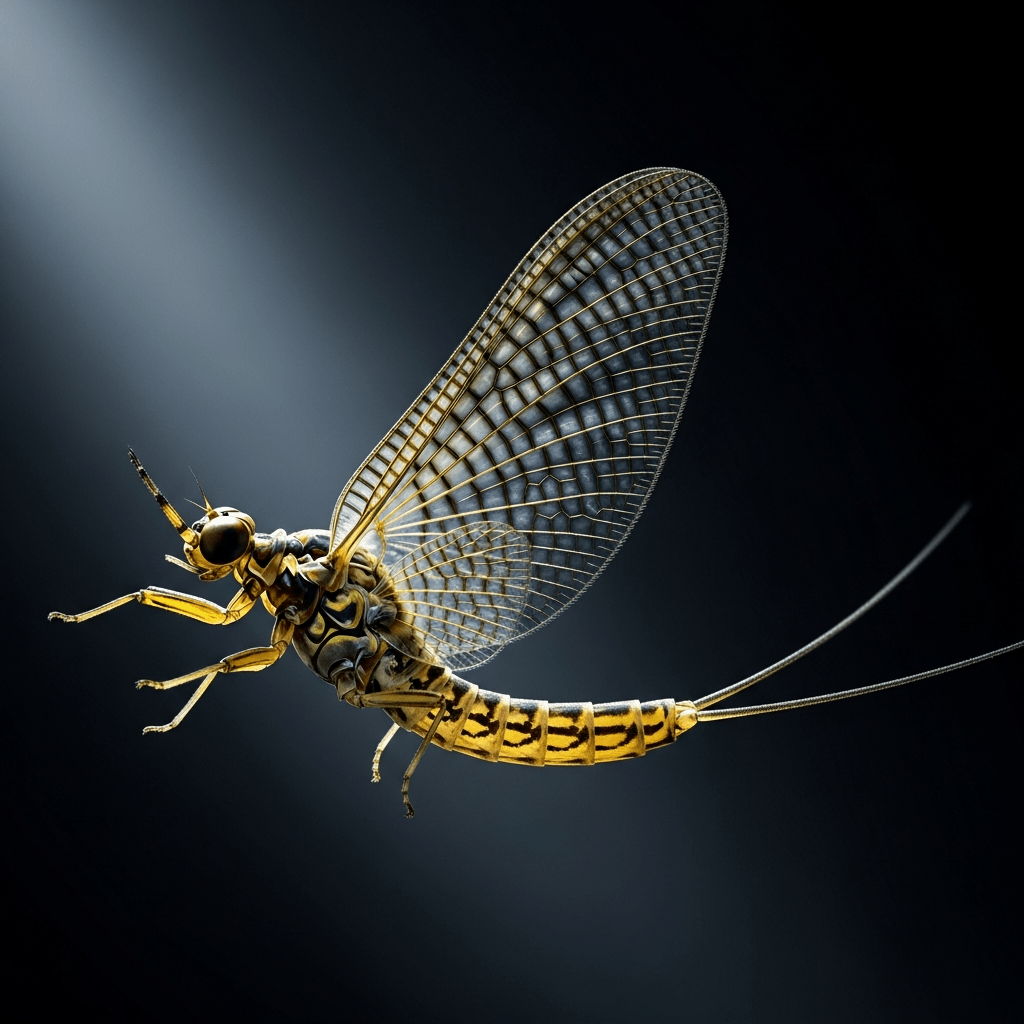
Ephemera Danica
The mayfly, Ephemera danica, is a delicate aquatic insect known for its brief adult life and its role as a vital indicator of freshwater ecosystem health.
The mayfly, Ephemera danica, is a delicate aquatic insect known for its brief adult life and its role as a vital indicator of freshwater ecosystem health.
First described by Johann Christian Fabricius in 1775, Ephemera danica is a wild species with no domesticated or bred lineage. It belongs to one of the oldest insect lineages, reflecting a long evolutionary history within clean freshwater habitats.
Ephemera danica is classified within the class Insecta, order Ephemeroptera, and family Ephemeridae. This order is distinguished by insects with short adult lifespans and aquatic nymph stages, making mayflies a key group among ancient winged insects.
The mayfly has a slender body measuring 15–20 mm in length, with a wingspan of 20–30 mm. Its pale yellowish to light brown body is complemented by two large, upright, membranous forewings and smaller hindwings, both translucent with fine venation. The abdomen ends in two or three long, thread-like tails called cerci, giving it a distinctive, graceful silhouette.
Adult mayflies live only for a few hours to days and do not feed during this brief period. Their larvae, or nymphs, dwell in clean, well-oxygenated rivers and streams, burrowing into sandy or silty substrates. The species is univoltine, producing one generation annually, with nymphal development lasting one to two years. Mayflies serve primarily ecological roles rather than direct human uses.
Bring this kind into your world illustrated posters, mugs, and shirts.
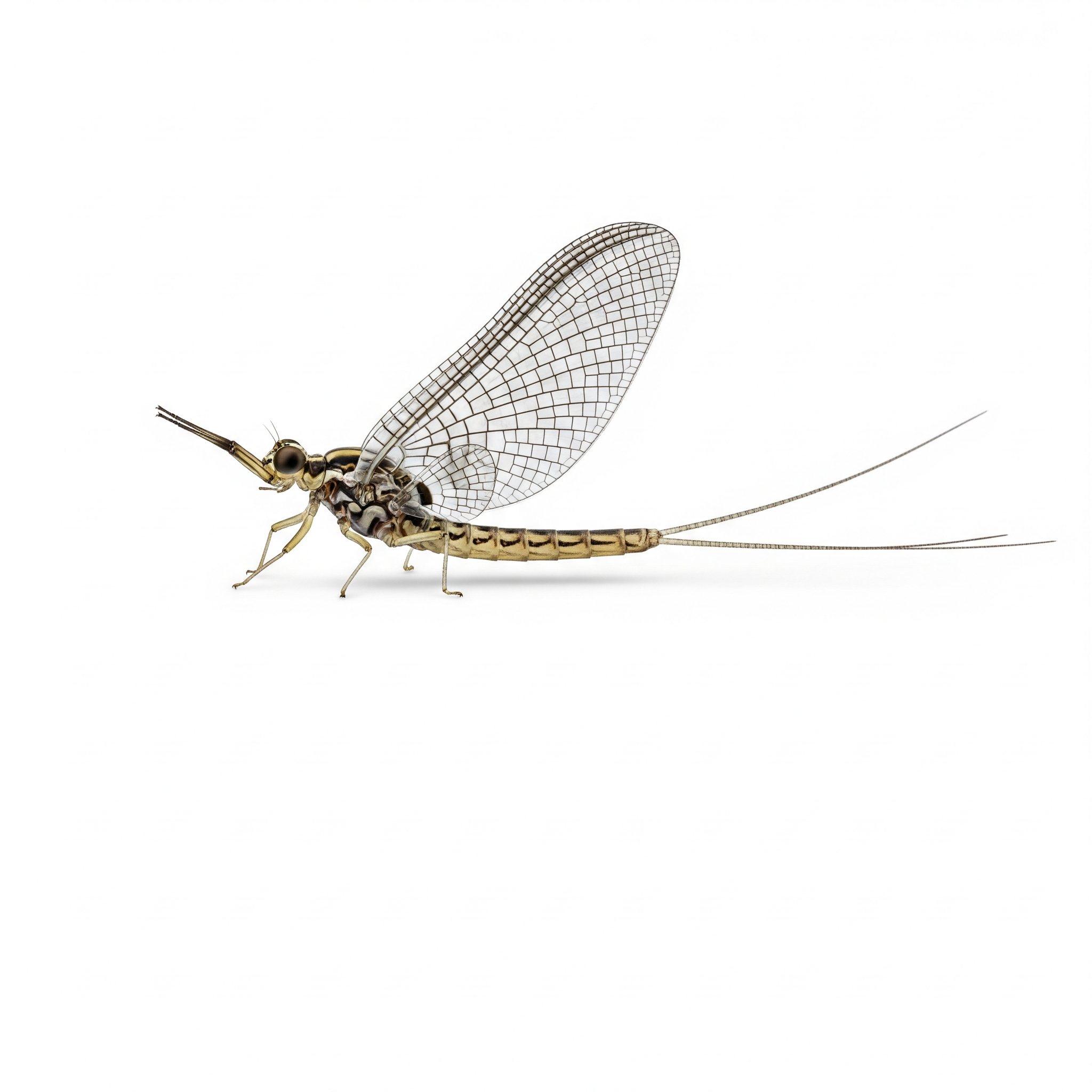
Archival print, museum-grade paper
Buy Poster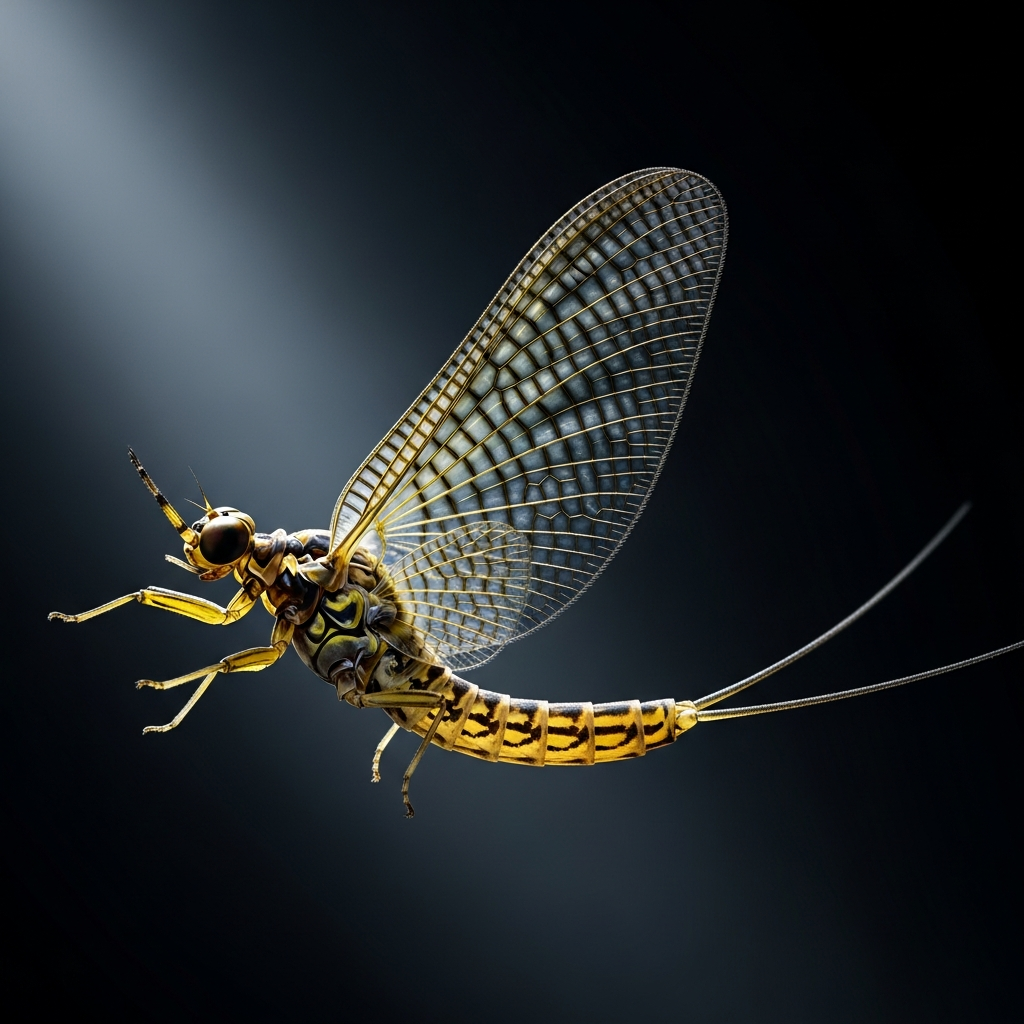
Stoneware mug, dishwasher safe
Buy Mug
Soft cotton tee, unisex sizes
Buy ShirtWhile mayflies have limited direct culinary or commercial use, they hold symbolic importance in angling communities and regional folklore. Known as the "Green Drake" or "Danica Mayfly" in the UK, their seasonal swarms are celebrated by fly fishermen and occasionally referenced in art and literature as symbols of fleeting life.
Ephemera danica inhabits freshwater rivers and streams across temperate Europe, favoring clean, well-oxygenated waters with sandy or silty riverbeds. Its flight period typically spans from May to July, varying by latitude, during which swarms are often observed.
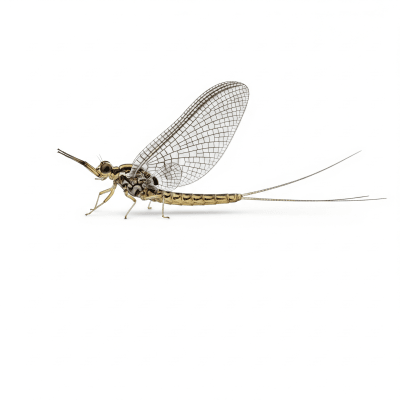
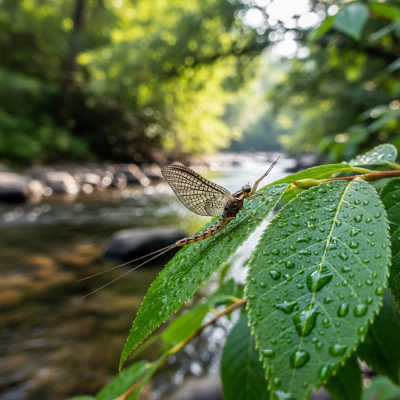

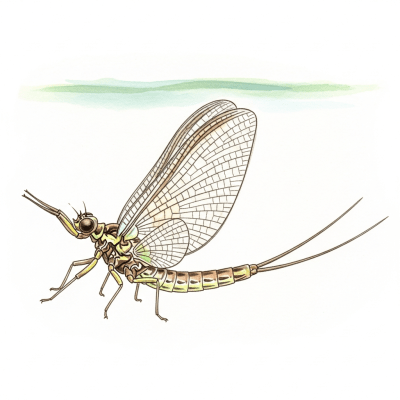
The mayfly undergoes incomplete metamorphosis with three main stages: egg, aquatic nymph, and adult. Eggs hatch into nymphs that live underwater for one to two years, burrowing and feeding in river substrates. Adults emerge briefly to mate and lay eggs before dying, completing a univoltine (one generation per year) cycle.
Mayflies play a crucial ecological role as a food source for fish, birds, and other wildlife. Their presence reflects high water quality, making them important bioindicators for freshwater ecosystem health. Larval burrowing also contributes to sediment aeration and nutrient cycling in aquatic habitats.
Mayflies are sensitive to pollution, habitat disturbance, and water quality degradation. While not currently assessed for conservation status, their populations can decline with increasing freshwater contamination and habitat loss. Protecting clean waterways is essential to maintaining healthy mayfly populations and the ecosystems they support.