Plecoptera
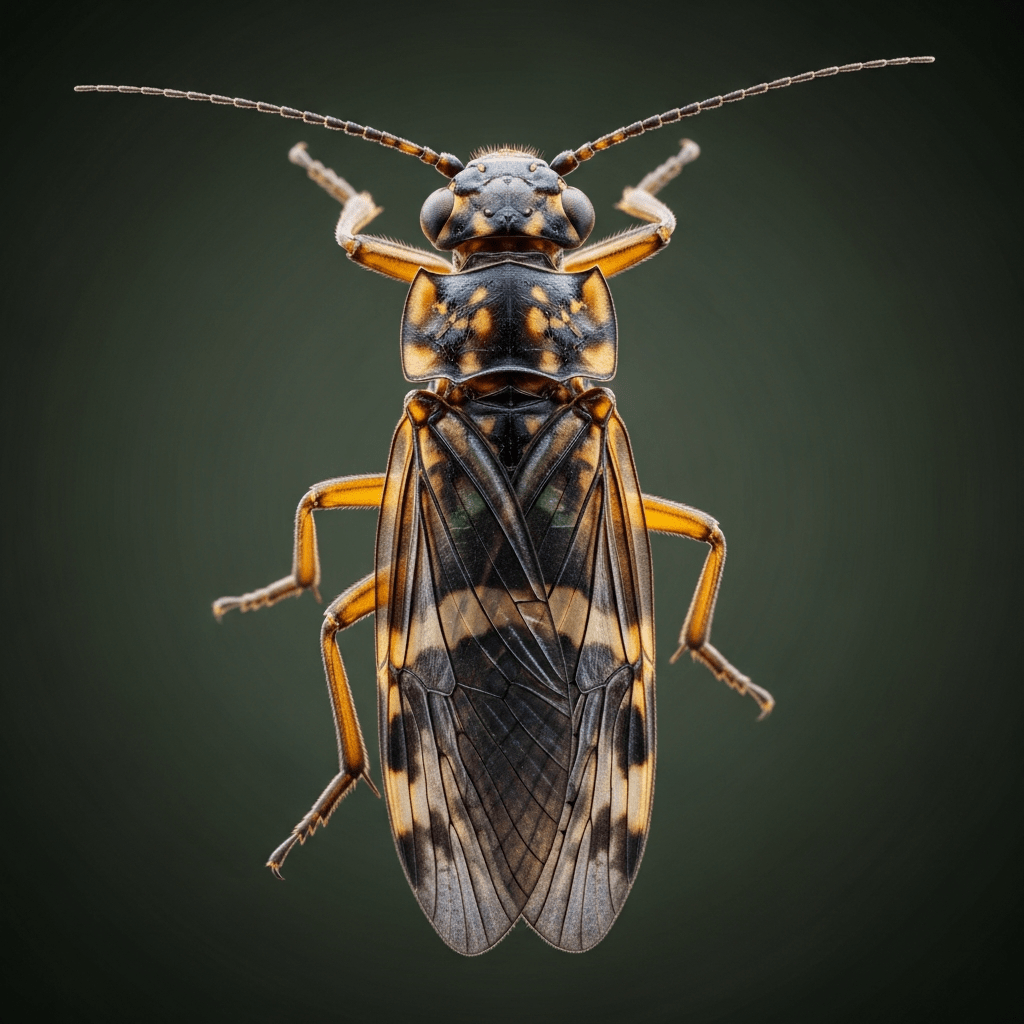
Stoneflies (order Plecoptera) are slender aquatic insects known for their sensitivity to water quality, making them vital indicators of clean, well-oxygenated freshwater ecosystems.
Stoneflies (order Plecoptera) are slender aquatic insects known for their sensitivity to water quality, making them vital indicators of clean, well-oxygenated freshwater ecosystems.
First described by entomologist William Elford Leach in 1815, stoneflies trace back to an ancient lineage with fossil records dating to the Permian period, highlighting their long-standing presence in freshwater habitats.
Stoneflies belong to the class Insecta and the order Plecoptera, with the family Perlidae among the most recognized groups. They are part of the vast diversity of insects distinguished by their aquatic nymph stages and terrestrial adults.
Stoneflies have a slender, elongated body ranging from 10 to 50 millimeters in length. They feature long antennae and compound eyes, with two pairs of membranous wings that fold flat over the abdomen when at rest. Nymphs possess gills adapted for life in fast-flowing, oxygen-rich streams. Their coloration varies by species, often appearing in shades of brown, black, or greenish tones.
Stonefly nymphs live submerged in clean, fast-flowing streams where they play essential roles in aquatic food webs. Adults are terrestrial but remain close to water sources. While not used commercially or culinarily, stoneflies are valued for their ecological role and, in some regions, their nymphs serve as bait in recreational fishing.
Bring this kind into your world illustrated posters, mugs, and shirts.
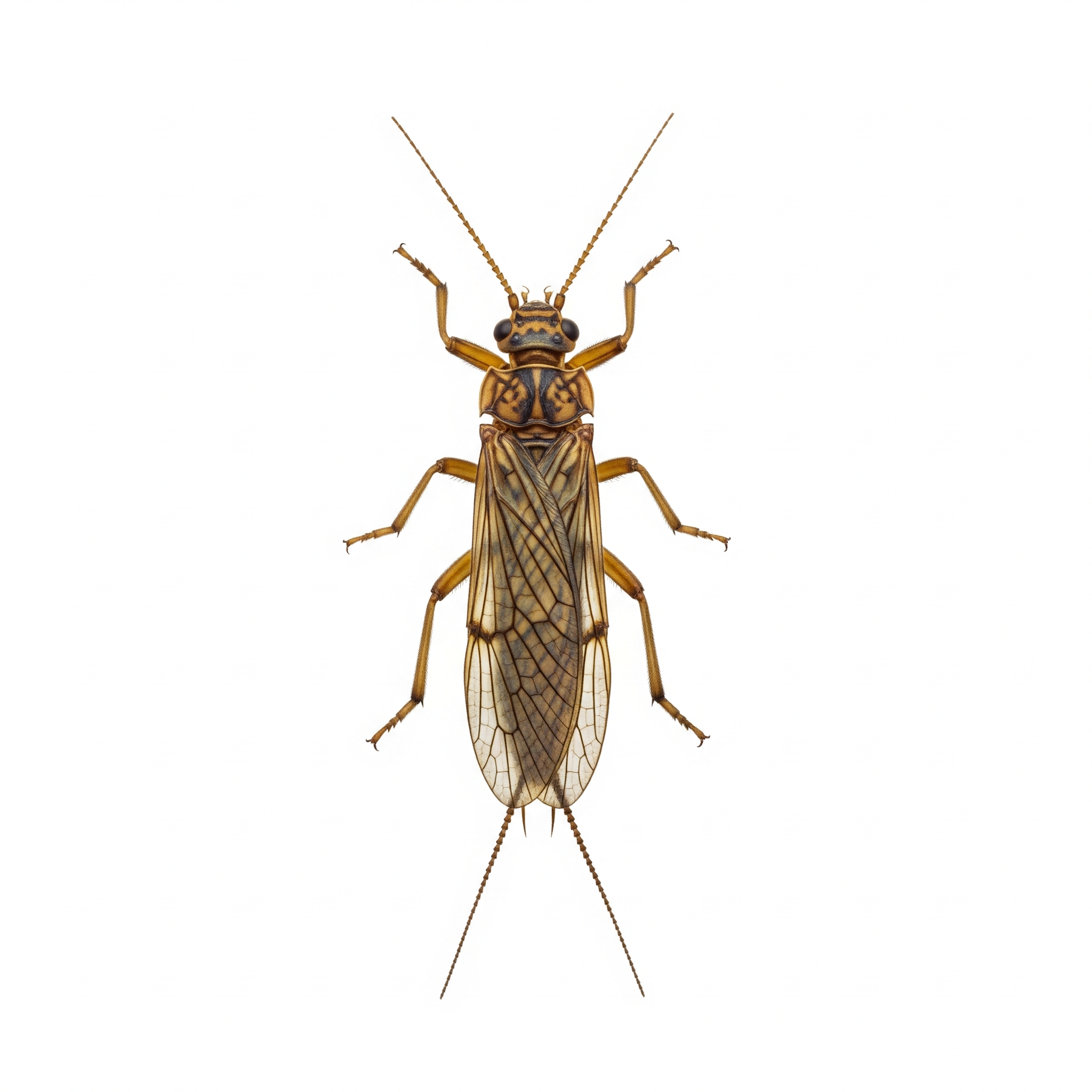
Archival print, museum-grade paper
Buy Poster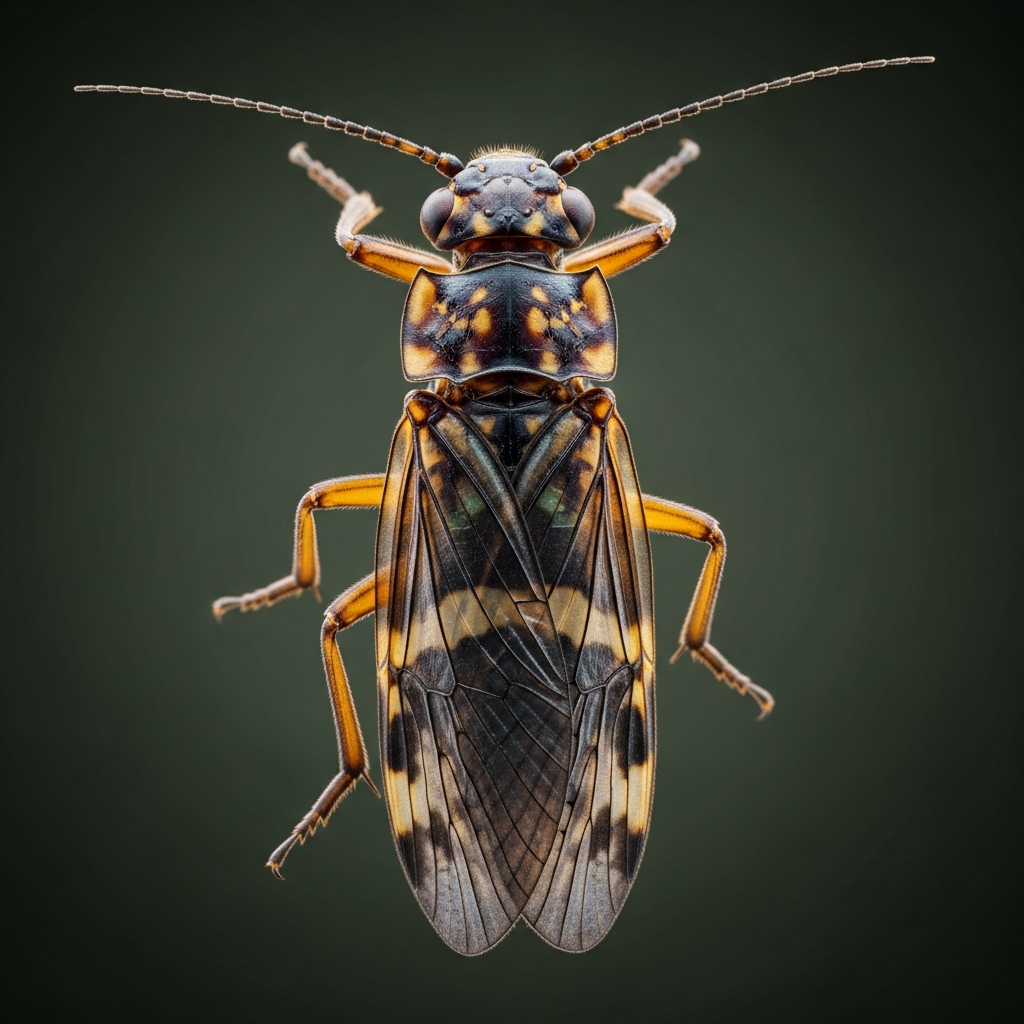
Stoneware mug, dishwasher safe
Buy Mug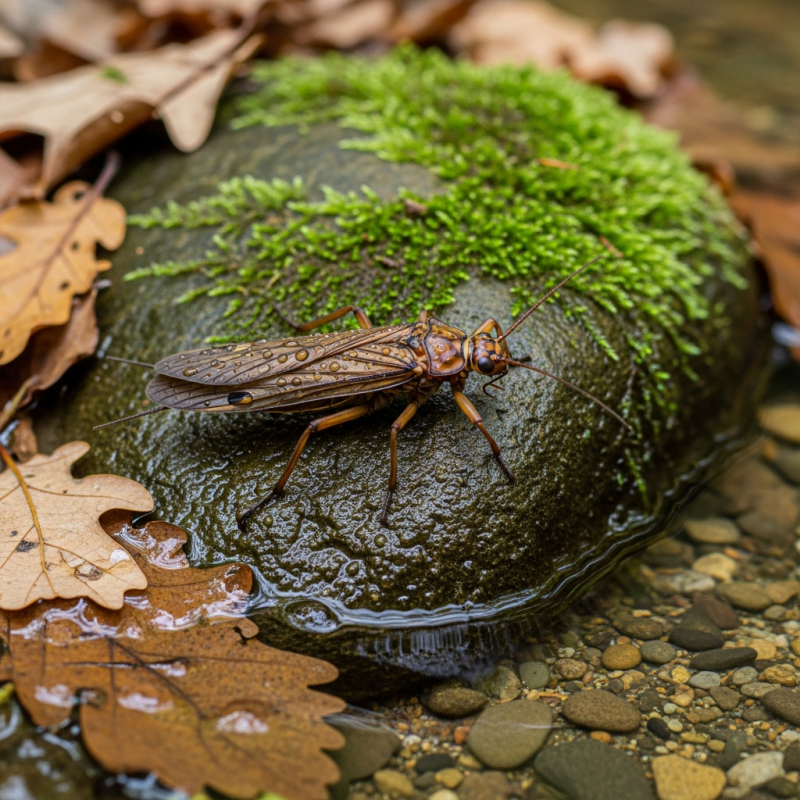
Soft cotton tee, unisex sizes
Buy ShirtThough stoneflies have limited direct cultural presence, their nymphs are traditionally used as fishing bait in various regions, linking them to recreational angling practices and local fishing cultures.
Stoneflies inhabit clean, well-oxygenated freshwater streams and rivers worldwide, favoring fast-flowing waters rich in dissolved oxygen. Their distribution spans multiple continents, with species adapted to various temperate and some tropical freshwater environments.

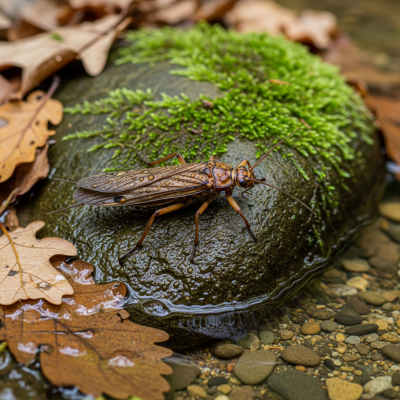

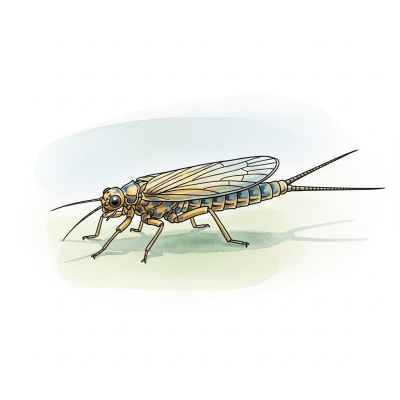
Stoneflies undergo incomplete metamorphosis, developing through two primary stages: aquatic nymph and terrestrial adult. Nymphs live in oxygen-rich streams, breathing through gills, before emerging as winged adults that remain near water to reproduce.
Stoneflies serve as key bioindicators of water quality and contribute to freshwater ecosystems by participating in nutrient cycling and serving as prey for fish and other aquatic predators. Their presence reflects healthy, unpolluted habitats.
Stoneflies face threats from water pollution, habitat degradation, and temperature changes that reduce oxygen levels in streams. Conservation efforts focus on protecting freshwater habitats and monitoring water quality to preserve these sensitive insects and the ecosystems they indicate.