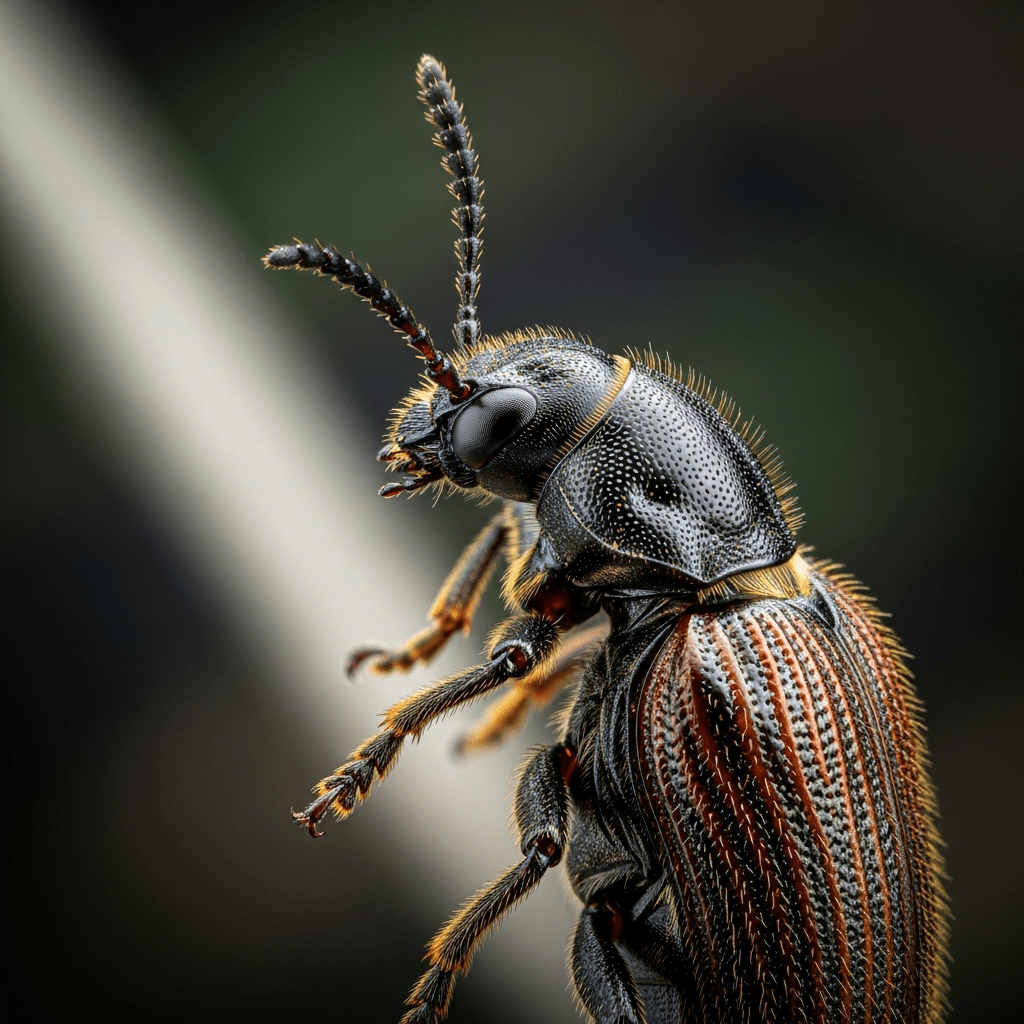
Dendroctonus Ponderosae
The bark beetle, Dendroctonus ponderosae, is a small but impactful insect known for its ability to bore into pine tree bark, causing widespread damage in North American forests.
The bark beetle, Dendroctonus ponderosae, is a small but impactful insect known for its ability to bore into pine tree bark, causing widespread damage in North American forests.
Dendroctonus ponderosae was first formally described by Hopkins in 1902, based on specimens collected from pine forests in North America. This species has a natural origin, having evolved specialized adaptations to thrive on coniferous hosts without any domestication or artificial breeding.
The bark beetle belongs to the class Insecta, order Coleoptera, family Curculionidae, and genus Dendroctonus. It is part of a group of beetles specialized in boring into tree bark, with close relatives distributed across Eurasia and Central America.
Adult bark beetles measure between 4 and 7 millimeters in length and have a cylindrical body shape. Their coloration ranges from dark brown to black. Equipped with robust mandibles, they bore into the phloem layer of pine trees. Larvae appear as white, legless grubs that tunnel beneath the bark, disrupting the tree's nutrient flow.
Bark beetles exhibit a distinctive mass attack behavior, releasing pheromones to coordinate large groups that can overwhelm a tree's defenses. Their life cycle includes complete metamorphosis through egg, larval, pupal, and adult stages, typically completed within a year. While they are not used commercially or culinarily, their behavior significantly impacts forest health and timber industries.
Bring this kind into your world illustrated posters, mugs, and shirts.
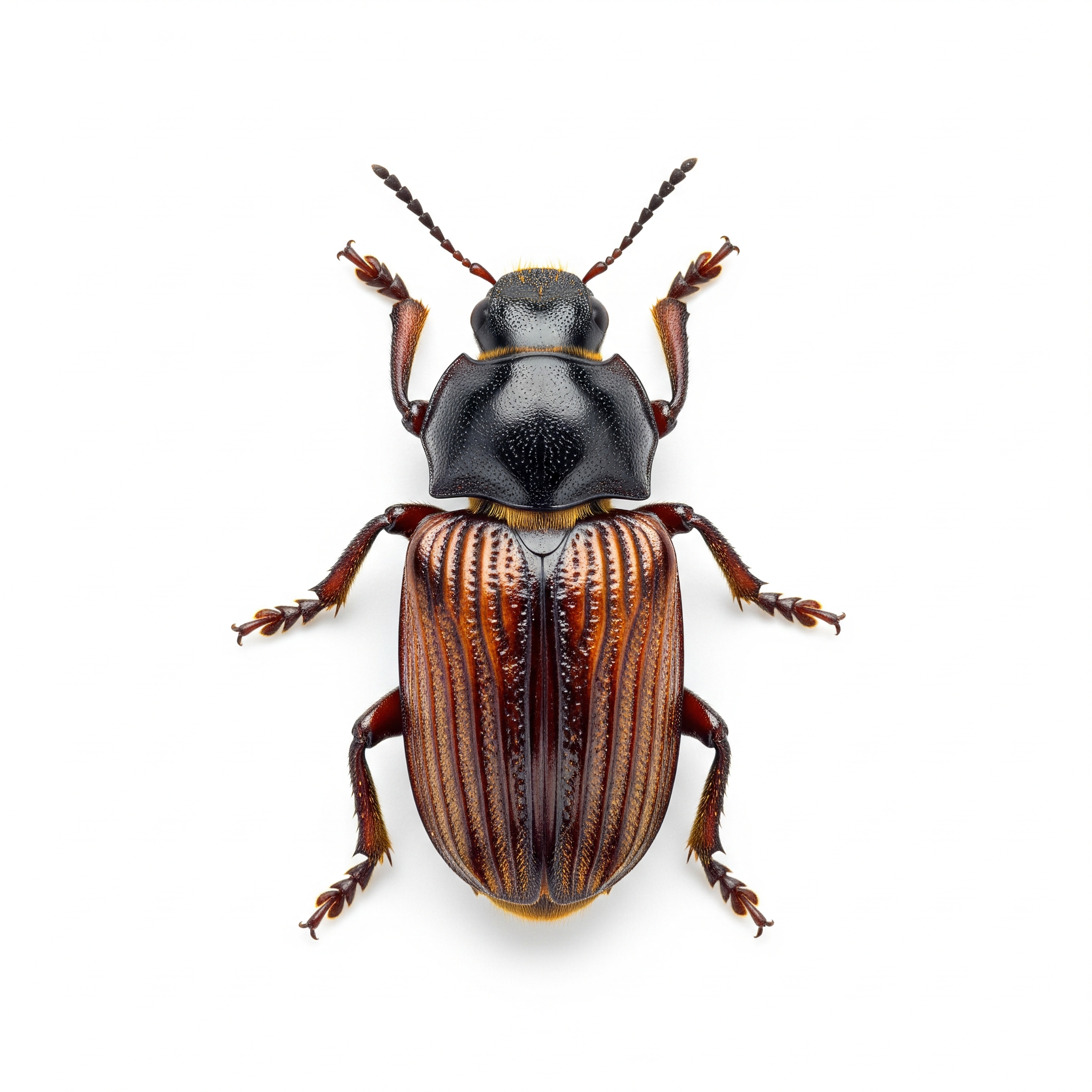
Archival print, museum-grade paper
Buy Poster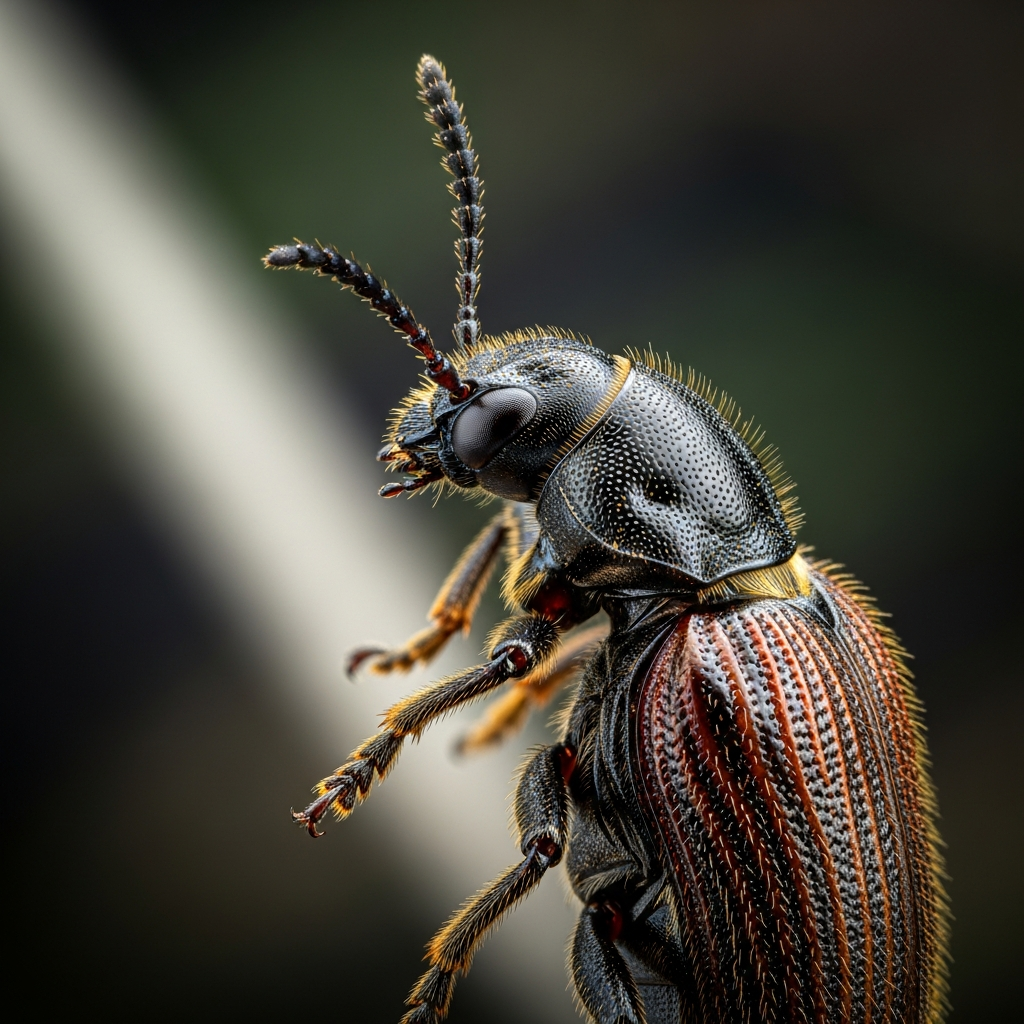
Stoneware mug, dishwasher safe
Buy Mug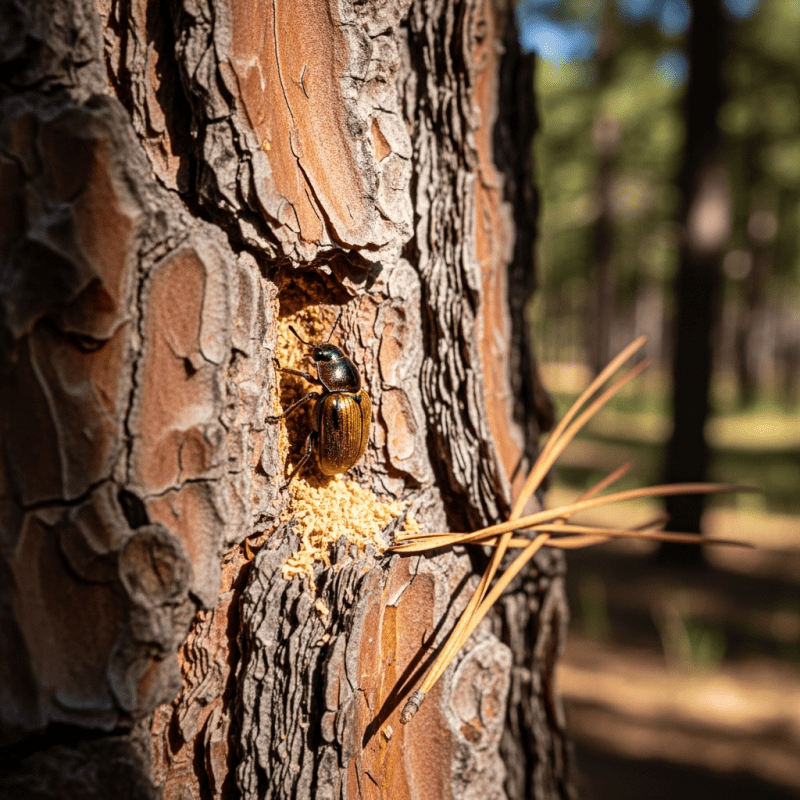
Soft cotton tee, unisex sizes
Buy ShirtAlthough Dendroctonus ponderosae lacks direct cultural symbolism or traditional significance, its role as a forest pest has made it a subject of ecological concern and study, influencing forest management practices and environmental awareness in affected regions.
Dendroctonus ponderosae primarily inhabits pine forests across North America, where it thrives by boring into the bark of various pine species. It is adapted to cold climates and typically targets weakened or stressed trees, playing a significant role in these forest ecosystems.

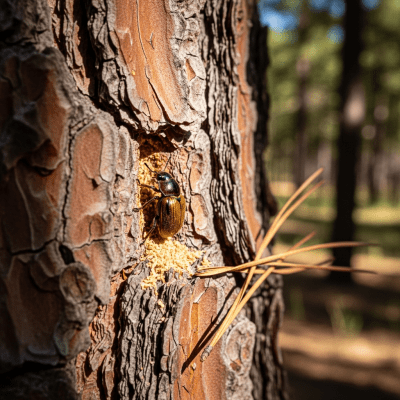
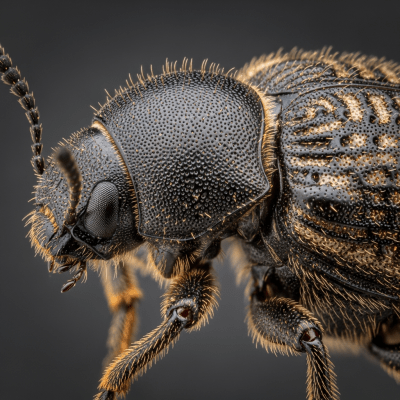
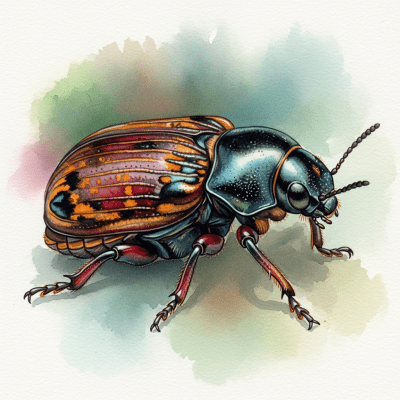
The bark beetle undergoes complete metamorphosis with four distinct stages: egg, larval, pupal, and adult. Females lay eggs beneath the bark, where larvae hatch and tunnel through the phloem. After pupation, adults emerge to continue the cycle, usually completing development within a year, though timing varies with environmental conditions.
While bark beetles are often seen as destructive pests, they also play an ecological role by accelerating the decomposition of weakened trees and contributing to nutrient cycling in forest ecosystems. Their activity creates habitats for other organisms and influences forest succession dynamics.
Bark beetle populations face natural threats from predators like woodpeckers and parasitic insects, as well as fungal pathogens. However, outbreaks can cause extensive tree mortality, raising concerns for forest health and timber resources. Conservation efforts focus on monitoring infestations and managing forests to reduce vulnerability, though the species itself is wild and not currently subject to conservation protection.