Caelifera
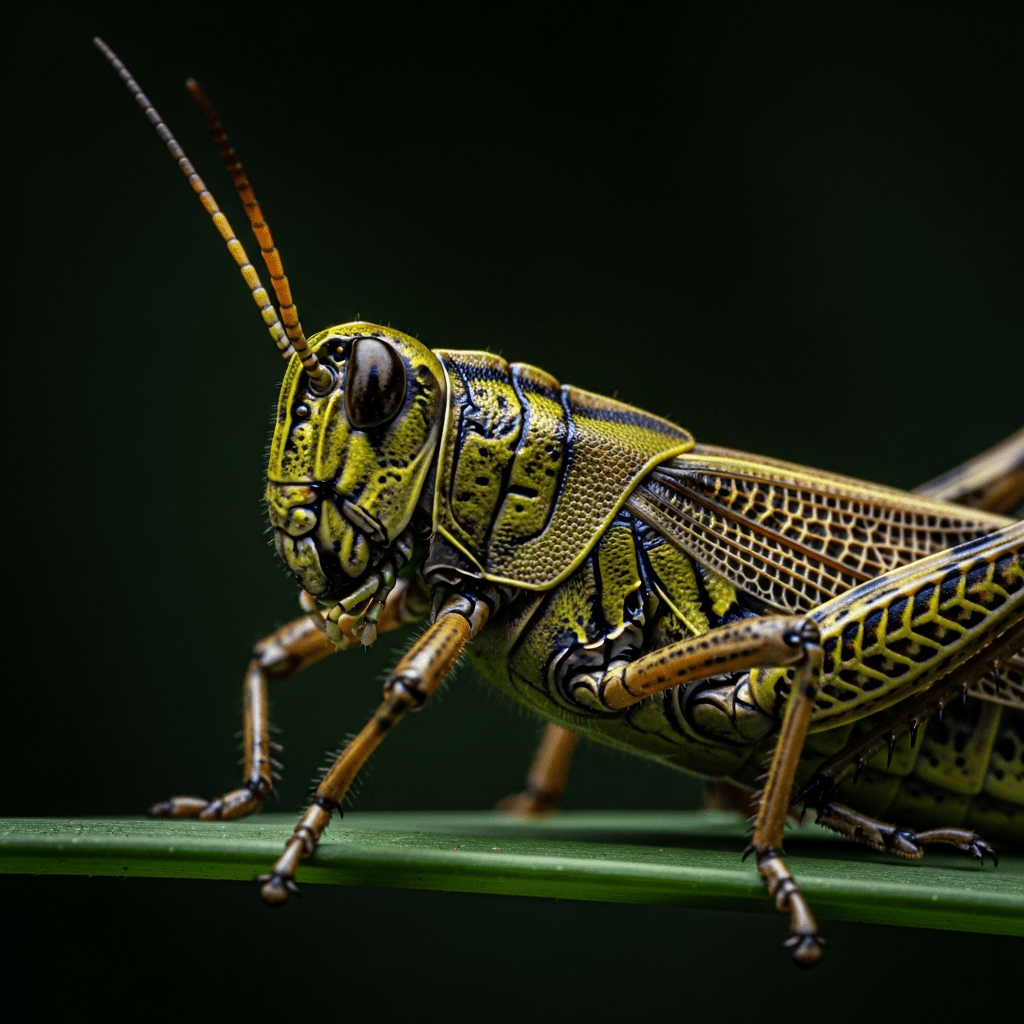
Grasshoppers are jumping insects of the suborder Caelifera, recognized for their powerful hind legs and significant impact as agricultural pests worldwide.
Grasshoppers are jumping insects of the suborder Caelifera, recognized for their powerful hind legs and significant impact as agricultural pests worldwide.
The suborder Caelifera, encompassing grasshoppers, was formally established in the 19th century during the early development of insect taxonomy. This naturally occurring group is globally distributed, comprising numerous families and species whose relationships continue to be refined through molecular research.
Grasshoppers belong to the class Insecta and the order Orthoptera, within the suborder Caelifera. This group is distinguished from related insects by their short antennae and powerful hind legs, placing them among the short-horned grasshoppers and locusts, which are swarming forms within this suborder.
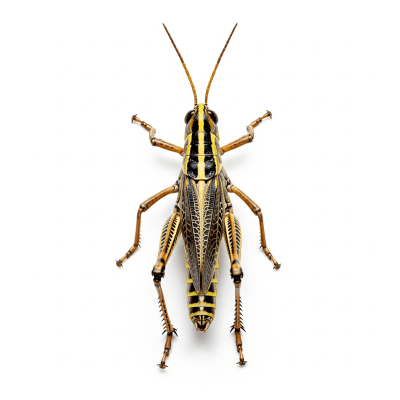
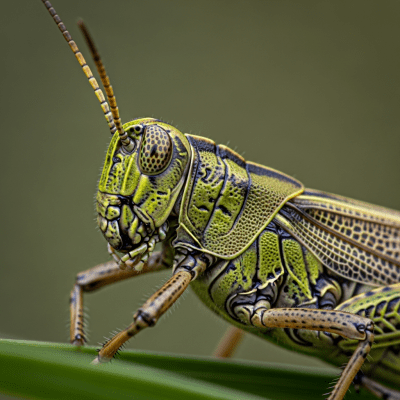
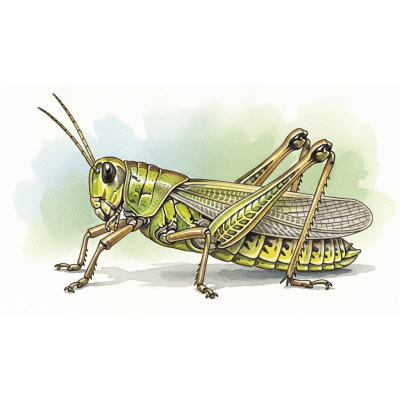
Grasshoppers have a three-part body consisting of the head, thorax, and abdomen, with three pairs of legs. Their hind legs are notably strong and adapted for leaping. Typically, they possess two pairs of wings—forewings and hindwings—though some species lack wings entirely. Their coloration varies widely, often green, brown, or camouflaged to blend with vegetation.
Primarily herbivorous, grasshoppers feed on grasses and crops, sometimes producing sounds through stridulation. Under favorable conditions, certain species can form large swarms, causing extensive agricultural damage. Beyond their role as pests, grasshoppers serve as a protein source in some cultures and are used as feed in research and pet industries.
Bring this kind into your world illustrated posters, mugs, and shirts.

Archival print, museum-grade paper
Buy Poster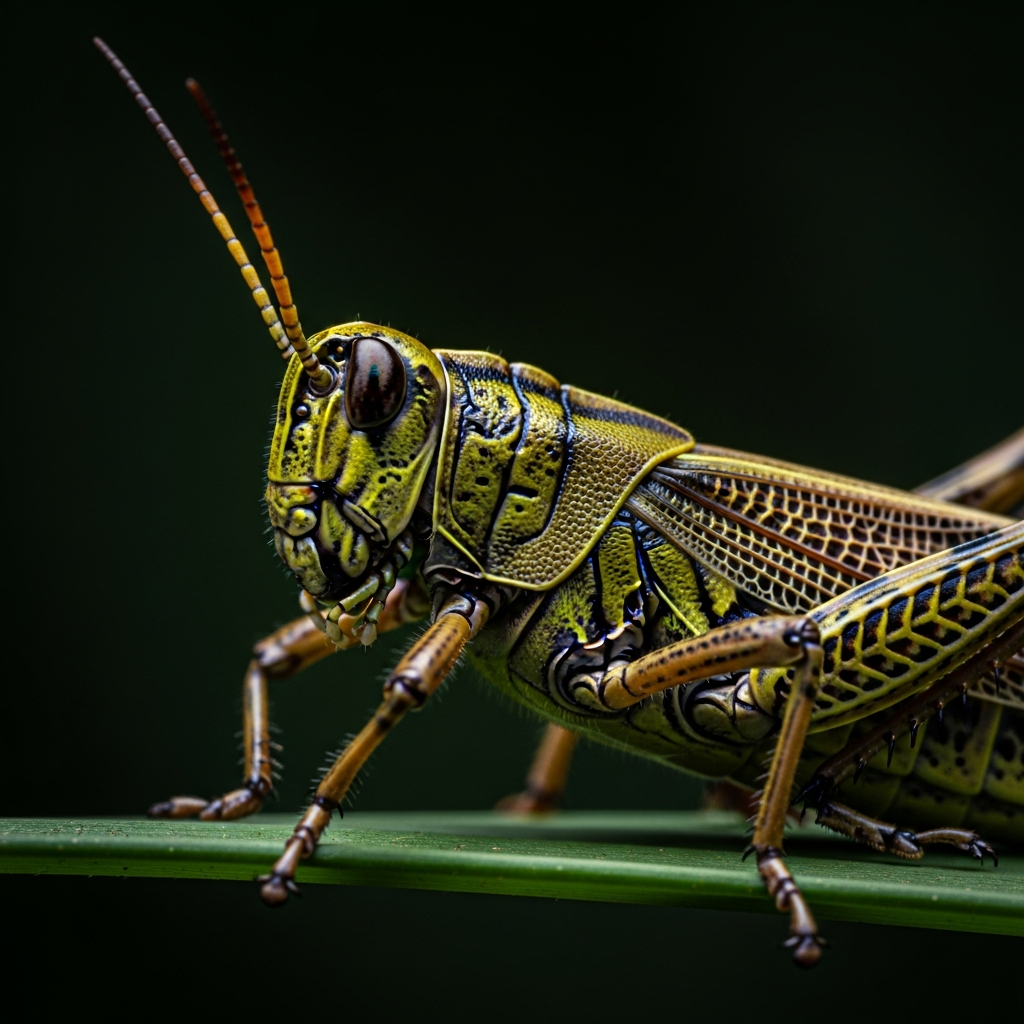
Stoneware mug, dishwasher safe
Buy Mug
Soft cotton tee, unisex sizes
Buy ShirtIn various cultures across Africa, Asia, and Central America, grasshoppers are valued as a traditional food source, consumed roasted, fried, or ground into flour. While their cultural symbolism is less documented, their presence in folklore and regional vernacular names reflects their longstanding interaction with human societies.
Grasshoppers inhabit a wide range of environments worldwide, thriving especially in grasslands and open habitats. They are highly adaptable, resistant to drought, and found across tropical and temperate regions, where they exploit diverse ecological niches.
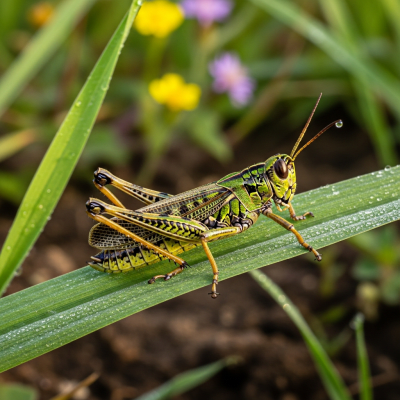
Grasshoppers undergo incomplete metamorphosis, progressing through three main stages: egg, nymph, and adult. Nymphs resemble small adults but lack fully developed wings and reproductive organs, gradually maturing through successive molts.
As herbivores, grasshoppers influence plant community dynamics by feeding on grasses and crops. They serve as prey for numerous predators, contributing to food webs, and in some cases, their feeding activity aids nutrient cycling in ecosystems.
Grasshoppers face threats from natural predators and pathogens, but their populations can also be controlled through pest management practices due to their agricultural impact. While some species may be vulnerable locally, the suborder as a whole remains widespread and is not currently subject to broad conservation concerns.