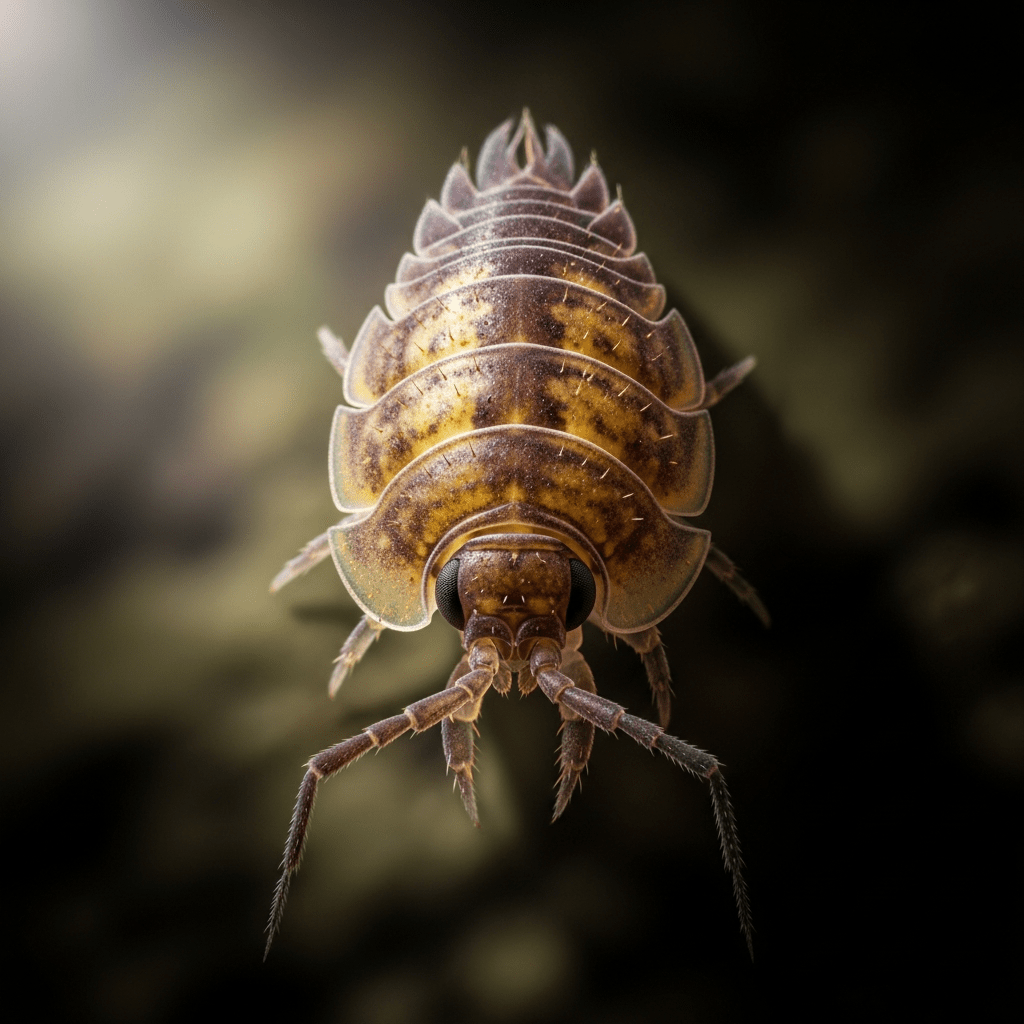
Liposcelis Bostrychophila
The booklouse, Liposcelis bostrychophila, is a tiny, soft-bodied insect commonly found in human homes, known for feeding on mold and detritus and thriving in humid environments.
The booklouse, Liposcelis bostrychophila, is a tiny, soft-bodied insect commonly found in human homes, known for feeding on mold and detritus and thriving in humid environments.
Liposcelis bostrychophila was first described by Badonnel in 1931. It belongs to the family Liposcelididae within the order Psocodea. This species evolved as part of a genus well adapted to living alongside humans, often in indoor environments rich in mold and organic debris.
The booklouse is classified within the class Insecta, order Psocodea, family Liposcelididae, and genus Liposcelis. This placement reflects its close relation to other small, wingless insects adapted to microhabitats such as stored products and household materials.
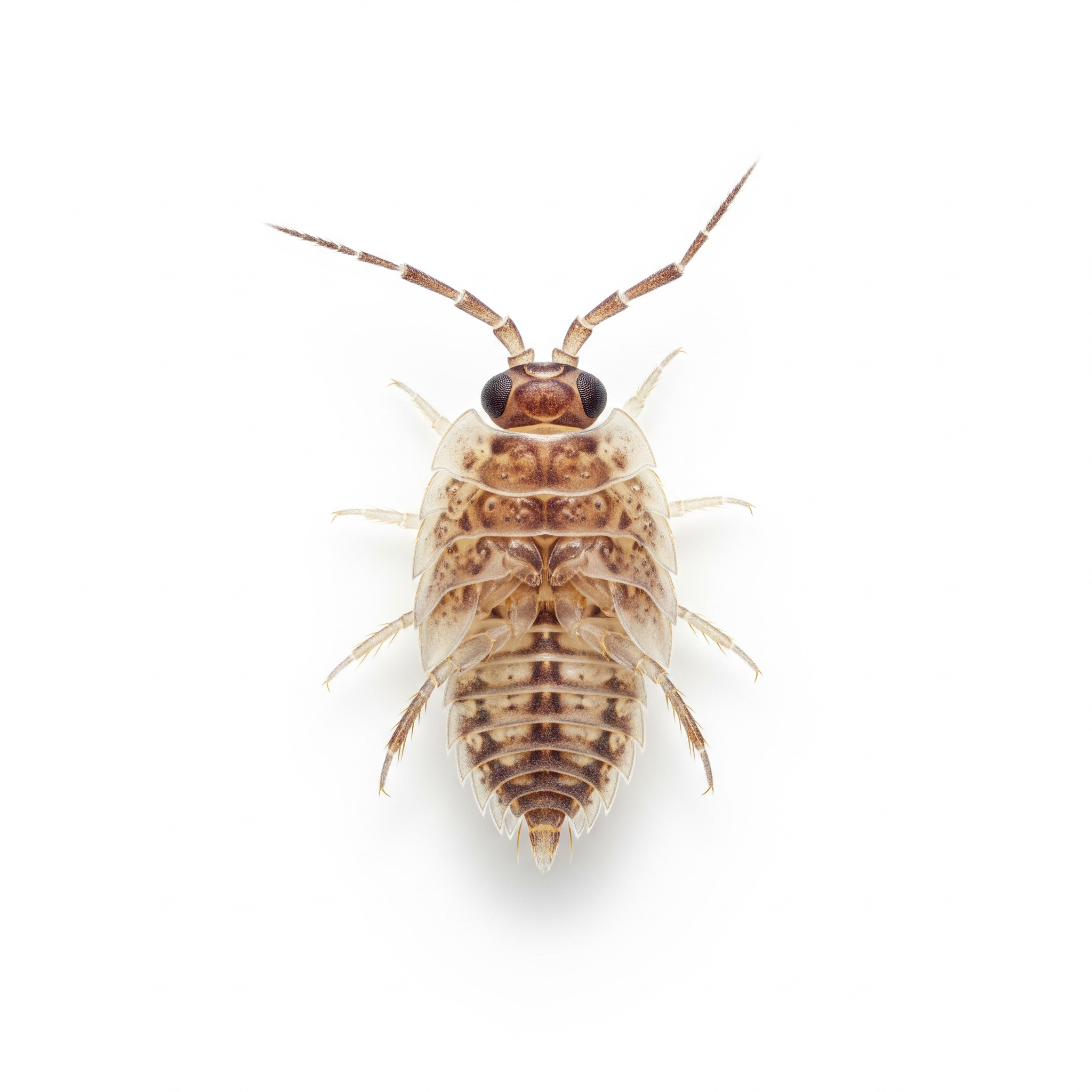
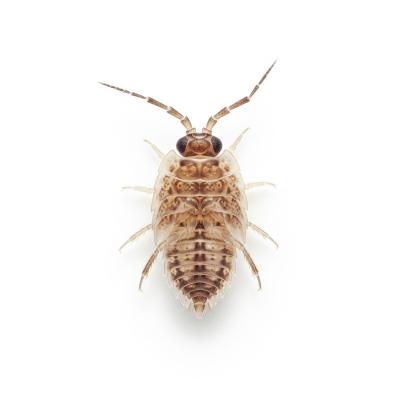
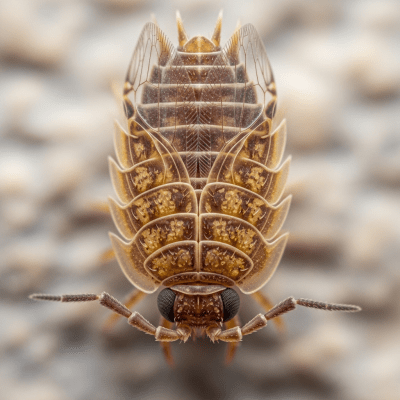
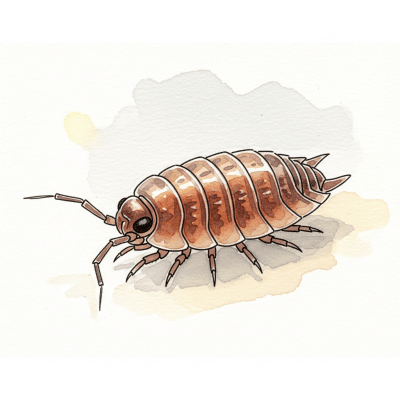
Measuring just 1 to 2 millimeters, the booklouse has a flattened, soft body with pale to grayish coloration. It features a large head with prominent compound eyes, short antennae, and no wings. Its six legs are well-suited for running, and individuals are often found clustered together.
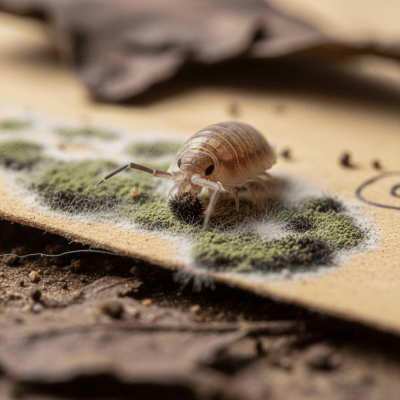
Booklice thrive in warm, humid conditions where mold grows, feeding primarily on mold spores and organic detritus. They reproduce rapidly, often through parthenogenesis, allowing females to produce offspring without males. While they do not bite or sting, their presence can indicate excessive moisture and may cause damage to paper products and stored foods.
Bring this kind into your world illustrated posters, mugs, and shirts.
Archival print, museum-grade paper
Buy Poster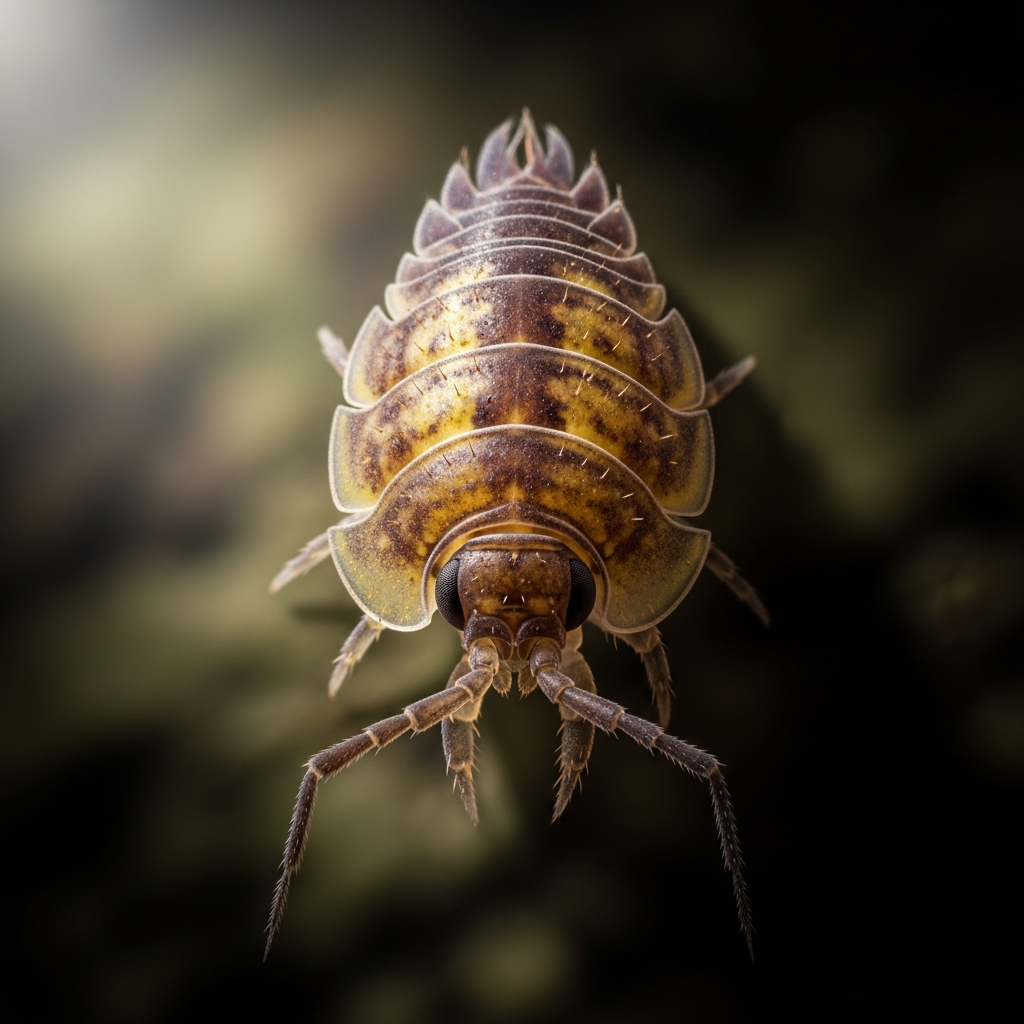
Stoneware mug, dishwasher safe
Buy Mug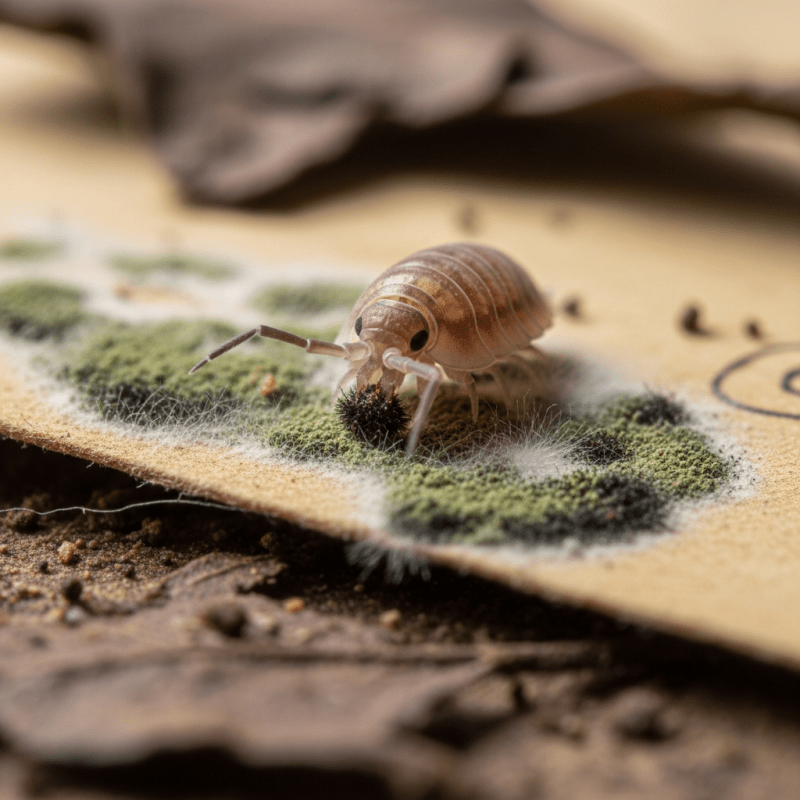
Soft cotton tee, unisex sizes
Buy ShirtThough the booklouse has no notable role in art, myth, or cuisine, it is recognized culturally as a household pest, especially in libraries and archives where it can damage valuable paper materials. Its presence often symbolizes issues with humidity and storage conditions.
Booklice are commonly found worldwide in human dwellings, particularly in areas with high humidity such as behind wallpaper, inside books, and among stored food products. They favor indoor environments where mold growth provides a food source, making them widespread in temperate and tropical regions.
The lifecycle of the booklouse includes three stages: egg, nymph, and adult. They undergo incomplete metamorphosis, with nymphs resembling smaller adults. Rapid reproduction, often through parthenogenesis, allows populations to grow quickly under favorable conditions.
Booklice play a role as decomposers within indoor ecosystems by feeding on mold and organic detritus. This helps control mold growth but also leads to their status as pests when they damage paper goods and stored food.
As a common household pest, the booklouse faces no conservation concerns. Its populations are generally stable and often controlled through environmental management such as reducing humidity and improving sanitation.