Alaskan Malamute
The Alaskan Malamute is a large, powerful Arctic sled dog breed celebrated for its strength, endurance, and friendly, wolf-like presence.
The Alaskan Malamute is a large, powerful Arctic sled dog breed celebrated for its strength, endurance, and friendly, wolf-like presence.
Originating with the Mahlemut Inuit tribe of northwestern Alaska, the Alaskan Malamute was bred for survival and utility in the harsh Arctic. These dogs were essential companions for sledding, hauling heavy loads, and assisting in hunting. Their lineage is ancient and remarkably pure, with minimal crossbreeding, and the breed was formally recognized by the American Kennel Club in 1935. Today, the Malamute's heritage remains closely tied to its roots in the icy wilderness of Alaska.
The Alaskan Malamute belongs to the working group of domesticated dogs (Canis lupus familiaris), specifically classified among Arctic sled dogs. It is not a hybrid but a purebred breed, recognized by major authorities such as the AKC, FCI, and The Kennel Club (UK). Its robust build and functional traits place it firmly within the category of freight-hauling sled dogs, distinct from speed-oriented breeds like the Siberian Husky.
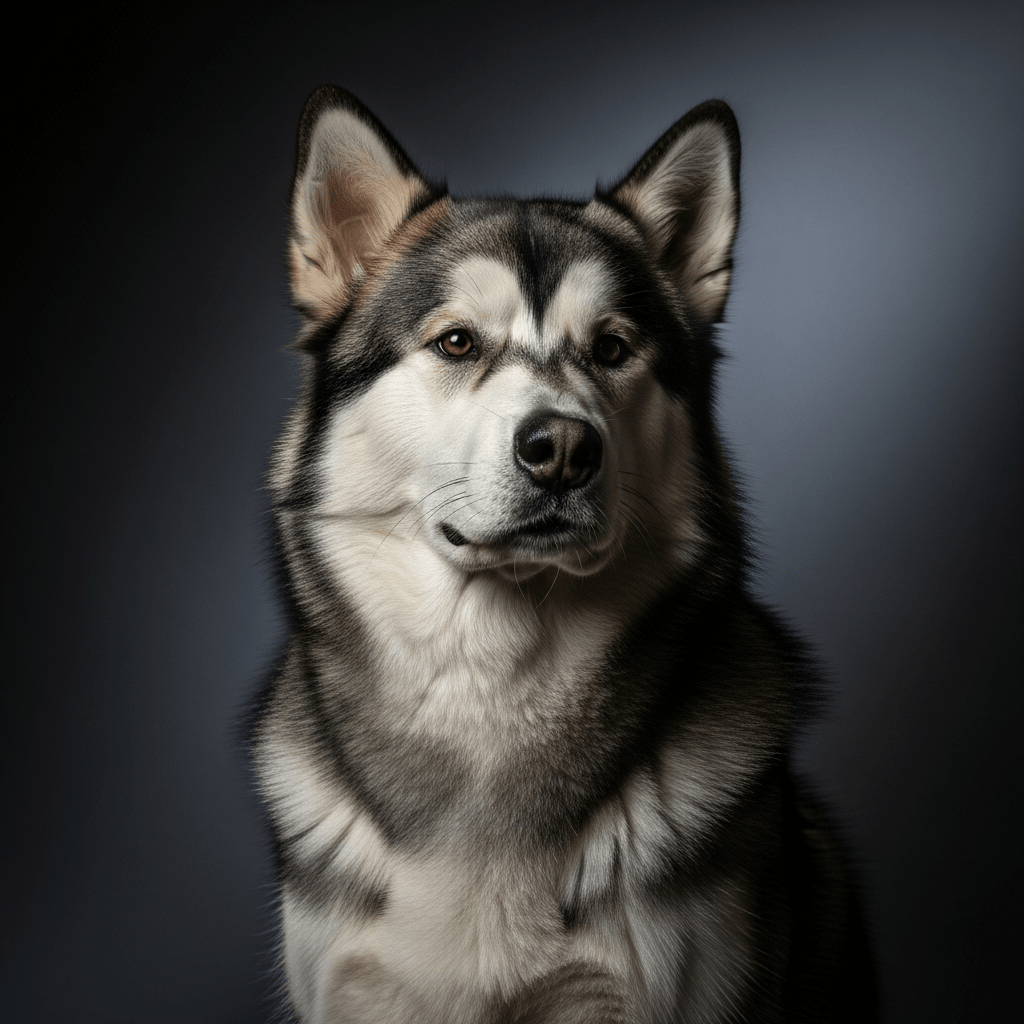
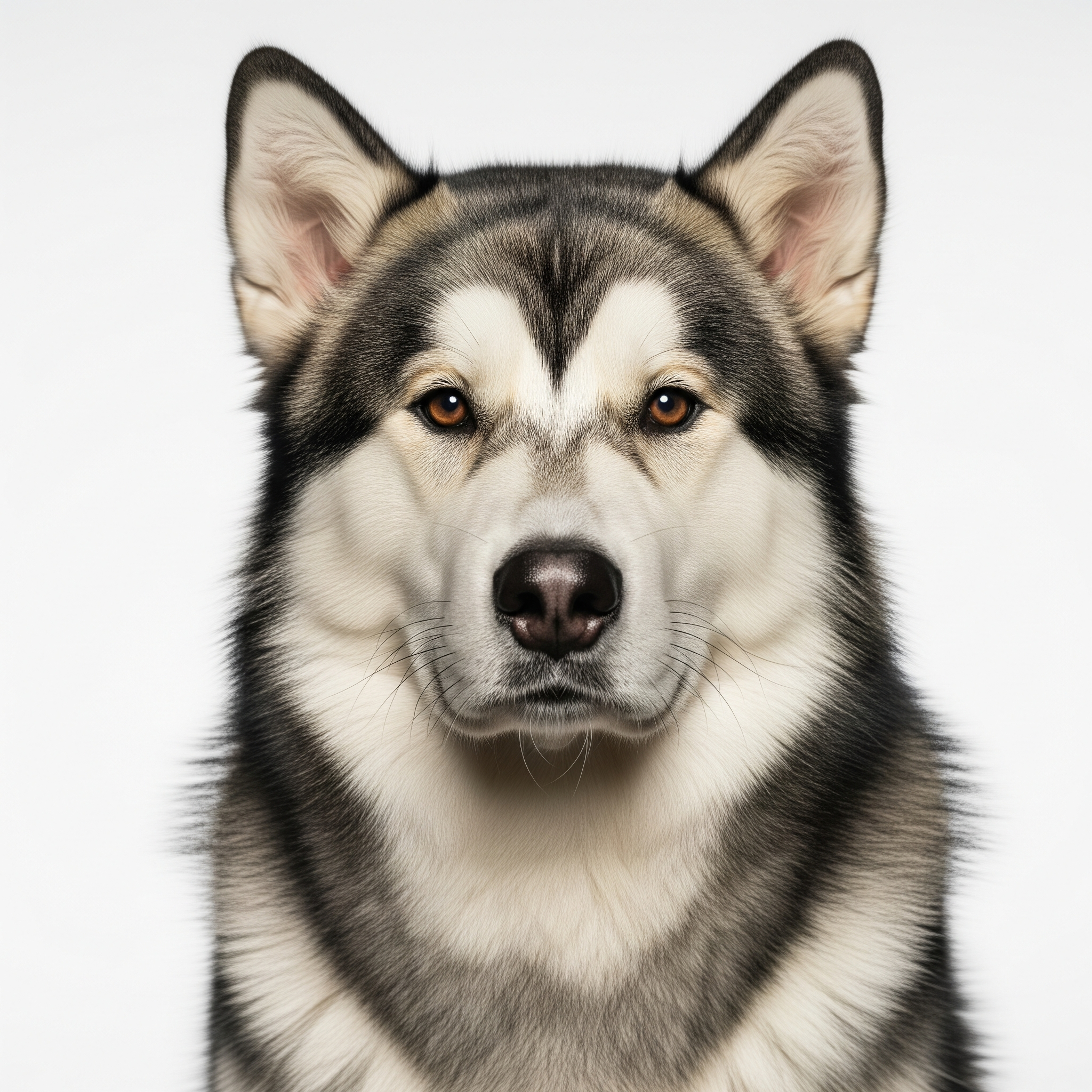
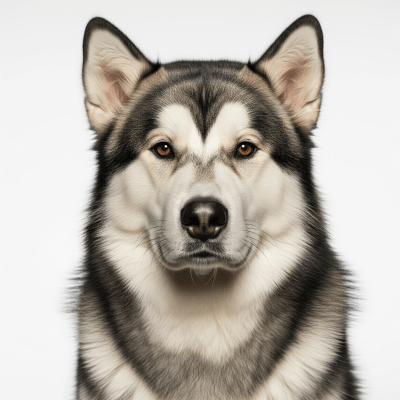
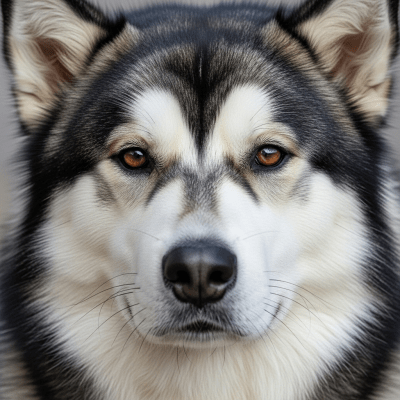
Alaskan Malamutes are strikingly wolf-like, with a broad head, erect ears, and expressive almond-shaped eyes. Their dense double coat features a coarse outer layer and a soft, woolly undercoat, designed to insulate against extreme cold. Typical colors range from light gray to black, sable, and shades of red, always accented by white markings on the face, chest, legs, and underbelly. Their plumed tail arches gracefully over the back, and their substantial size and muscular frame convey both power and endurance.
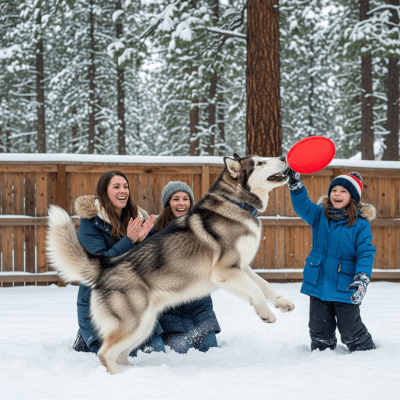
Bred for hauling heavy loads over long distances, Alaskan Malamutes excel in tasks demanding stamina and strength. They are not built for speed but for endurance, making them ideal for freight sledding, search and rescue, and recreational mushing. As companions, Malamutes are loyal, affectionate, and intelligent, though their energetic nature and independent streak require experienced handling and plenty of exercise. Their friendly disposition makes them well-loved family members, but their working heritage means they thrive with purpose and activity.
Bring this kind into your world illustrated posters, mugs, and shirts.
Archival print, museum-grade paper
Buy Poster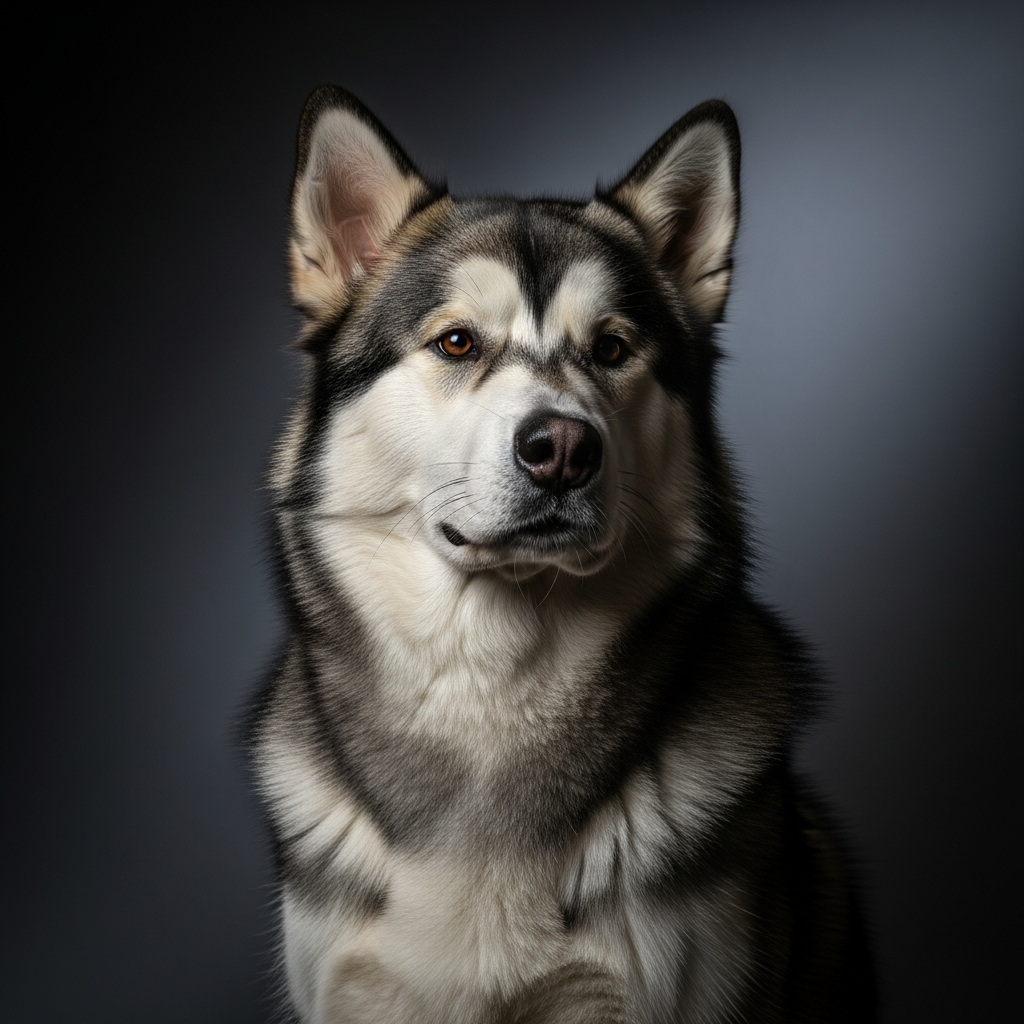
Stoneware mug, dishwasher safe
Buy Mug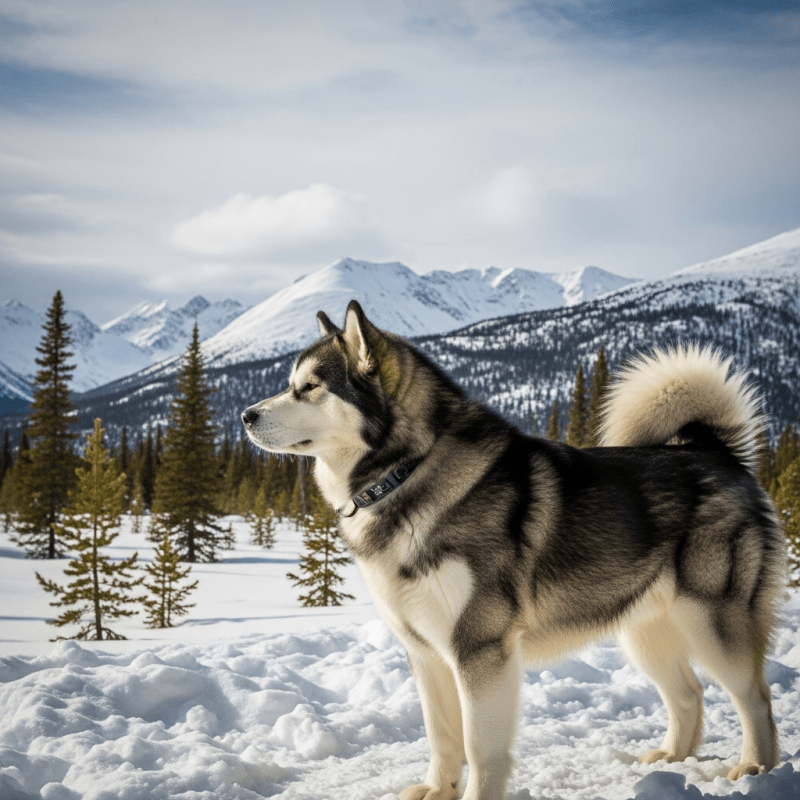
Soft cotton tee, unisex sizes
Buy ShirtThe Alaskan Malamute holds a special place in Arctic culture and history, symbolizing resilience and partnership between humans and dogs in the most challenging environments. Revered as one of the oldest sled dog breeds, Malamutes have featured in stories of polar exploration and survival. Their iconic appearance and steadfast temperament have made them popular in modern media, art, and as mascots for winter sports and adventure.
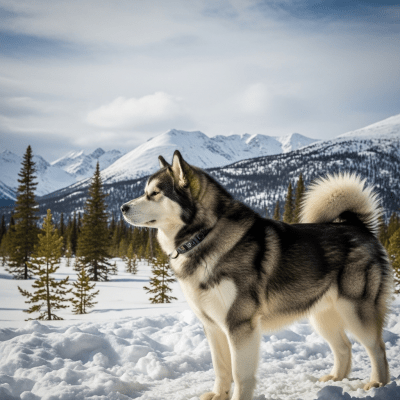
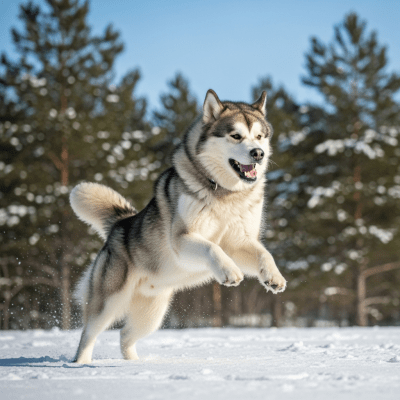
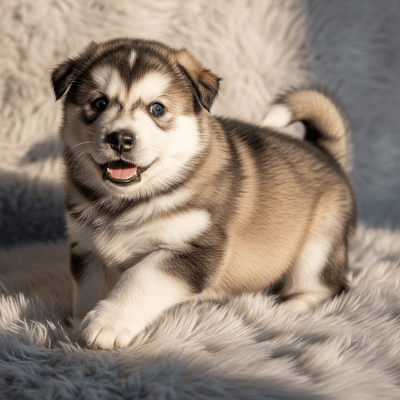
Alaskan Malamutes are classified as large dogs, typically standing 58–63 cm (23–25 inches) at the shoulder and weighing 34–39 kg (75–85 pounds). Males can be even larger, emphasizing the breed's substantial size and strength.
The breed sports a dense double coat with a coarse outer guard hair and a soft, woolly undercoat. Common colors include light gray, black, sable, and shades of red, always paired with distinctive white markings on the face, chest, legs, and underbelly.
Alaskan Malamutes are friendly, loyal, and intelligent, with an affectionate disposition. They are energetic and require substantial exercise and mental stimulation. While intelligent, Malamutes can be independent and require experienced, consistent, and positive training methods to thrive.
Generally robust and healthy, Alaskan Malamutes can be prone to hip dysplasia, hereditary cataracts, and certain autoimmune disorders. Lifespan typically ranges from 10 to 14 years, depending on genetics and care.
The Alaskan Malamute breed standard is consistent across major authorities, and there are no notable regional variants. The breed maintains its traditional characteristics wherever it is found.