Havanese
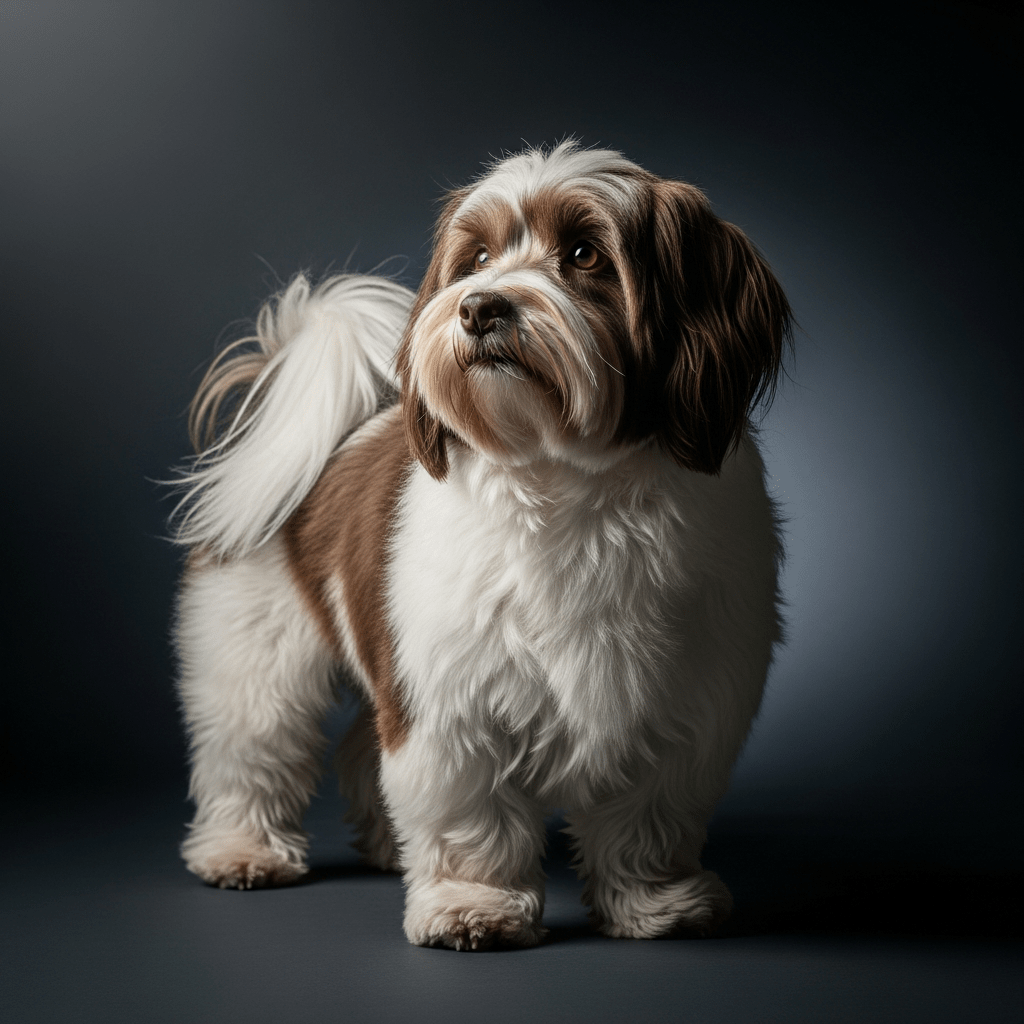
The Havanese is a small, cheerful companion dog known for its silky, flowing coat and affectionate nature, celebrated as the national dog of Cuba.
The Havanese is a small, cheerful companion dog known for its silky, flowing coat and affectionate nature, celebrated as the national dog of Cuba.
Originating in Cuba, the Havanese traces its roots to the Bichon family of dogs brought to the Caribbean by Spanish settlers in the 16th century. Refined in Havana, it became a favorite among Cuban aristocracy. The breed’s modern form was standardized in the 20th century, particularly after Cuban immigrants introduced the dogs to the United States and Europe following the Cuban Revolution. Its lineage includes the extinct Blanquito de la Habana and other Mediterranean Bichon types, reflecting a rich blend of heritage and adaptation.
The Havanese belongs to the toy group of dog breeds and is classified within the Canis lupus familiaris subspecies. It is part of the broader Bichon family, sharing ancestry with other small, companion breeds. Recognized by major kennel clubs, the Havanese is grouped for its size, temperament, and historical role as a lapdog and companion animal.
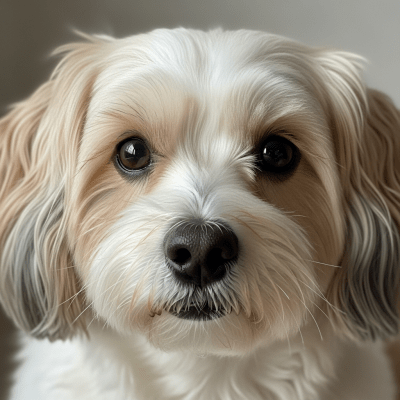
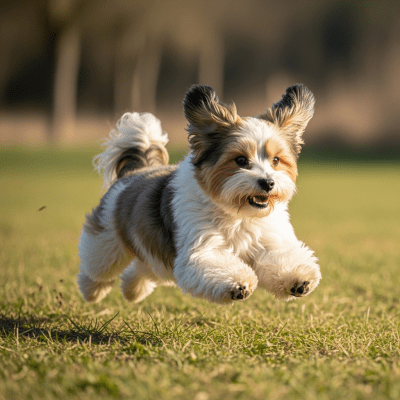
The Havanese is instantly recognizable for its long, silky, and wavy coat, which can come in a wide array of colors including white, black, cream, gold, silver, blue, and chocolate. Its expressive eyes, lively gait, and curled tail carried gracefully over the back add to its charming presence. Despite its small stature, the breed is sturdy and robust, with a soft, touchable coat that requires regular grooming to maintain its beauty.
Renowned for its affectionate and sociable demeanor, the Havanese thrives as a companion dog, adapting easily to families, singles, or seniors. It interacts warmly with people and other pets, making it an ideal choice for homes seeking a gentle and playful presence. The breed’s intelligence and eagerness to please also make it successful in obedience, agility, therapy, and assistance roles.
Bring this kind into your world illustrated posters, mugs, and shirts.

Archival print, museum-grade paper
Buy Poster
Stoneware mug, dishwasher safe
Buy Mug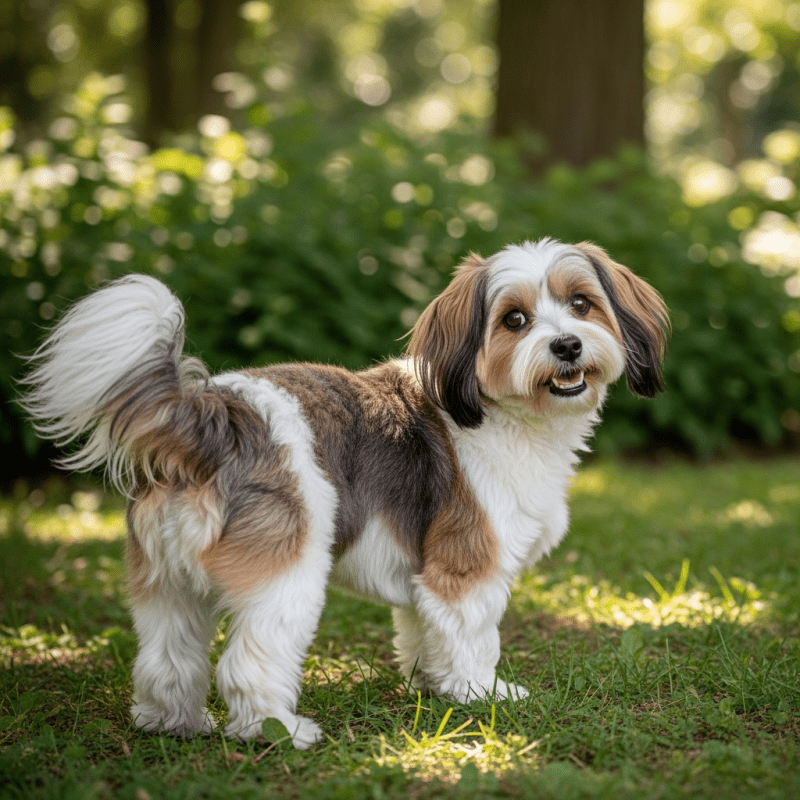
Soft cotton tee, unisex sizes
Buy ShirtAs the national dog of Cuba, the Havanese holds a special place in Cuban culture and history. Once a symbol of aristocratic life in Havana, the breed’s legacy continues in art, literature, and as a beloved pet worldwide. Its journey from Cuban salons to international recognition reflects its enduring appeal and adaptability.
The Havanese is officially recognized by major kennel clubs worldwide, reflecting its established breed standards and global popularity.



These alternate names highlight the breed’s Cuban heritage and its connection to the broader Bichon family.
The Havanese is a small breed, typically standing 22–29 cm (8.5–11.5 inches) at the shoulder and weighing 3–6 kg (7–13 pounds). Despite its diminutive size, it is sturdy and well-proportioned, with a lively, agile build.
Sporting a long, silky, and wavy coat, the Havanese dazzles in a spectrum of colors: white, black, cream, gold, silver, blue, and chocolate, often with unique markings or patterns. The coat’s texture is soft and flowing, requiring regular grooming to prevent matting and maintain its signature elegance.
Affectionate, cheerful, and highly sociable, the Havanese is known for its gentle disposition and adaptability. The breed is exceptionally trainable, excelling in obedience and agility activities, and responds well to positive reinforcement. Its robust nature for its size makes it a resilient and engaging companion.
The Havanese enjoys a long lifespan, typically living 14–16 years. While generally healthy, it can be prone to hereditary conditions such as hip dysplasia, patellar luxation, and eye disorders. Regular veterinary care and attentive grooming help ensure a happy, healthy life.
Primarily cherished as a companion animal, the Havanese also shines as a show dog, therapy dog, and assistance dog. Its intelligence and agility make it a strong performer in canine sports, and its gentle nature suits it for roles in emotional support and therapy settings.
The Havanese exhibits minimal regional variation, though preferences for coat texture and color may differ between North America and Europe. The breed’s standard remains consistent globally, preserving its unique Cuban heritage.