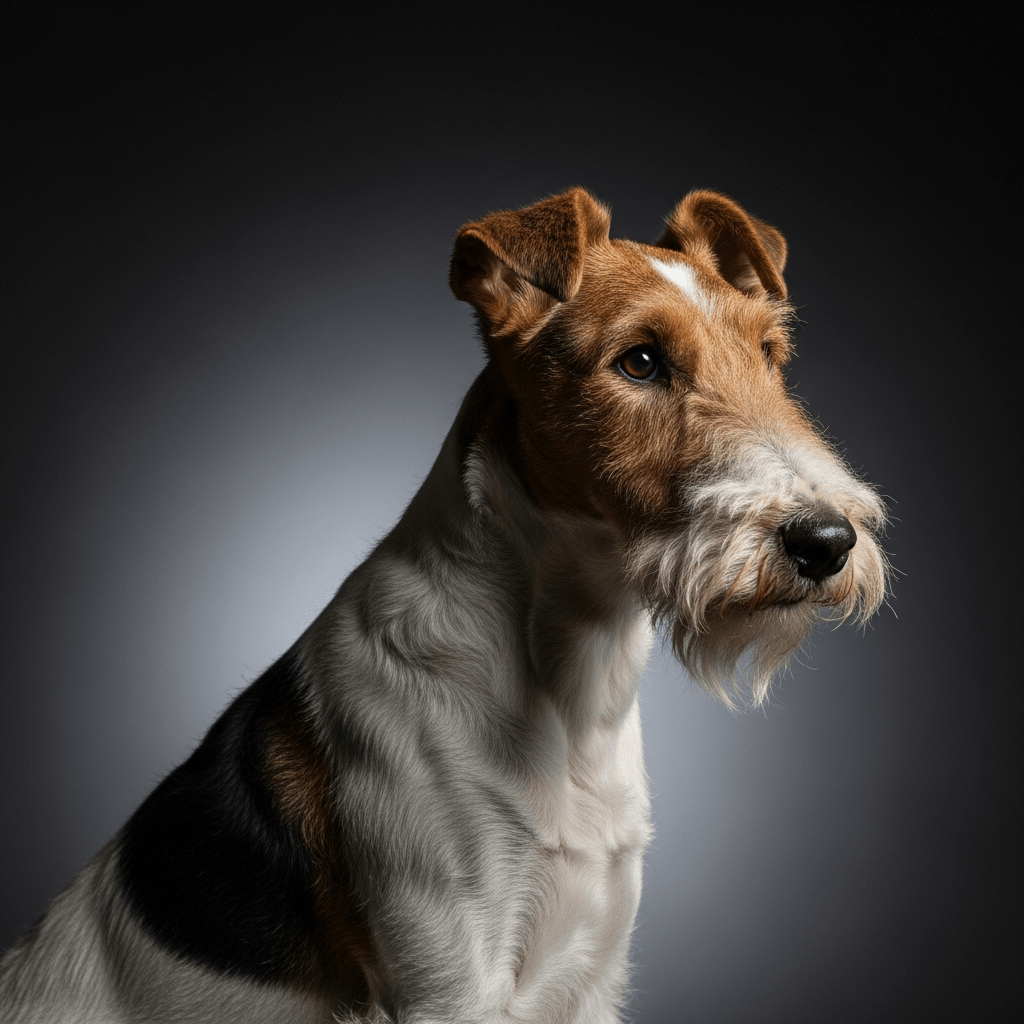
Wire Fox Terrier
The Wire Fox Terrier is a spirited, medium-sized terrier breed distinguished by its wiry coat, keen intelligence, and energetic personality.
The Wire Fox Terrier is a spirited, medium-sized terrier breed distinguished by its wiry coat, keen intelligence, and energetic personality.
Originating in England during the 19th century, the Wire Fox Terrier was bred for fox hunting, drawing on the lineage of various British terriers, notably the Smooth Fox Terrier. The breed was shaped by collaborative efforts among hunting enthusiasts and terrier fanciers, with its distinctive coat and agile build honed for working in the field. Standardization occurred in the late 1800s, and recognition by major kennel clubs soon followed, reflecting its rapid rise in popularity among sporting circles.
The Wire Fox Terrier belongs to the Canidae family and is classified as a member of the domestic dog species, Canis lupus familiaris. Within breed organizations, it is grouped under "Terriers," a category defined by energetic, bold dogs originally bred for hunting and vermin control. This breed is recognized by leading authorities such as the American Kennel Club (AKC), Fédération Cynologique Internationale (FCI), and The Kennel Club (UK), each maintaining breed standards that emphasize its unique traits.
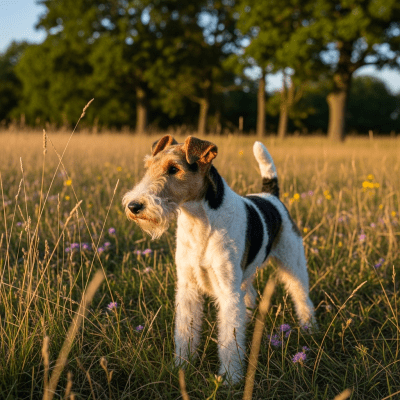
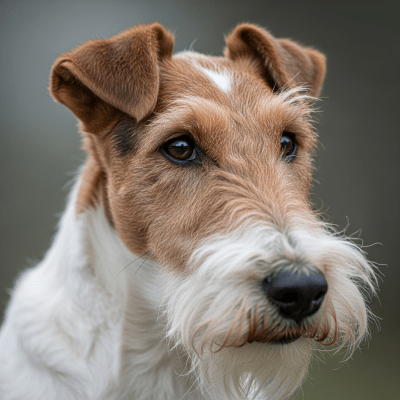
Compact and athletic, the Wire Fox Terrier stands about 39 cm (15.5 inches) at the shoulder and weighs between 7.7 and 8.6 kg (17–19 lbs). Its most striking feature is the dense, harsh, wiry double coat, predominantly white with black or tan markings. The head is flat and narrow, complemented by small, dark eyes and V-shaped ears that fold forward. Balanced proportions and a sturdy build give it both agility and endurance, while its lively expression and crisp coat texture make it instantly recognizable.
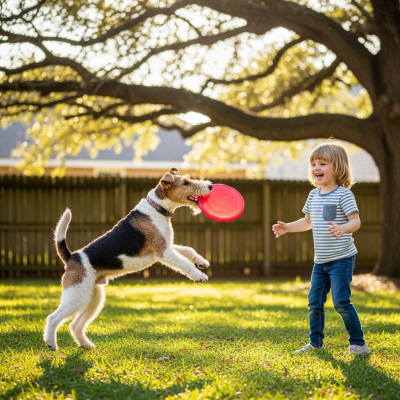
Originally bred for fox hunting, the Wire Fox Terrier is known for its high energy, intelligence, and strong prey drive. Today, it thrives as a companion animal, show dog, and participant in agility competitions. Its lively nature and quick learning ability make it a favorite for active households, while its alertness and boldness remain true to its working roots. Regular mental and physical stimulation is essential for this breed’s well-being.
Bring this kind into your world illustrated posters, mugs, and shirts.
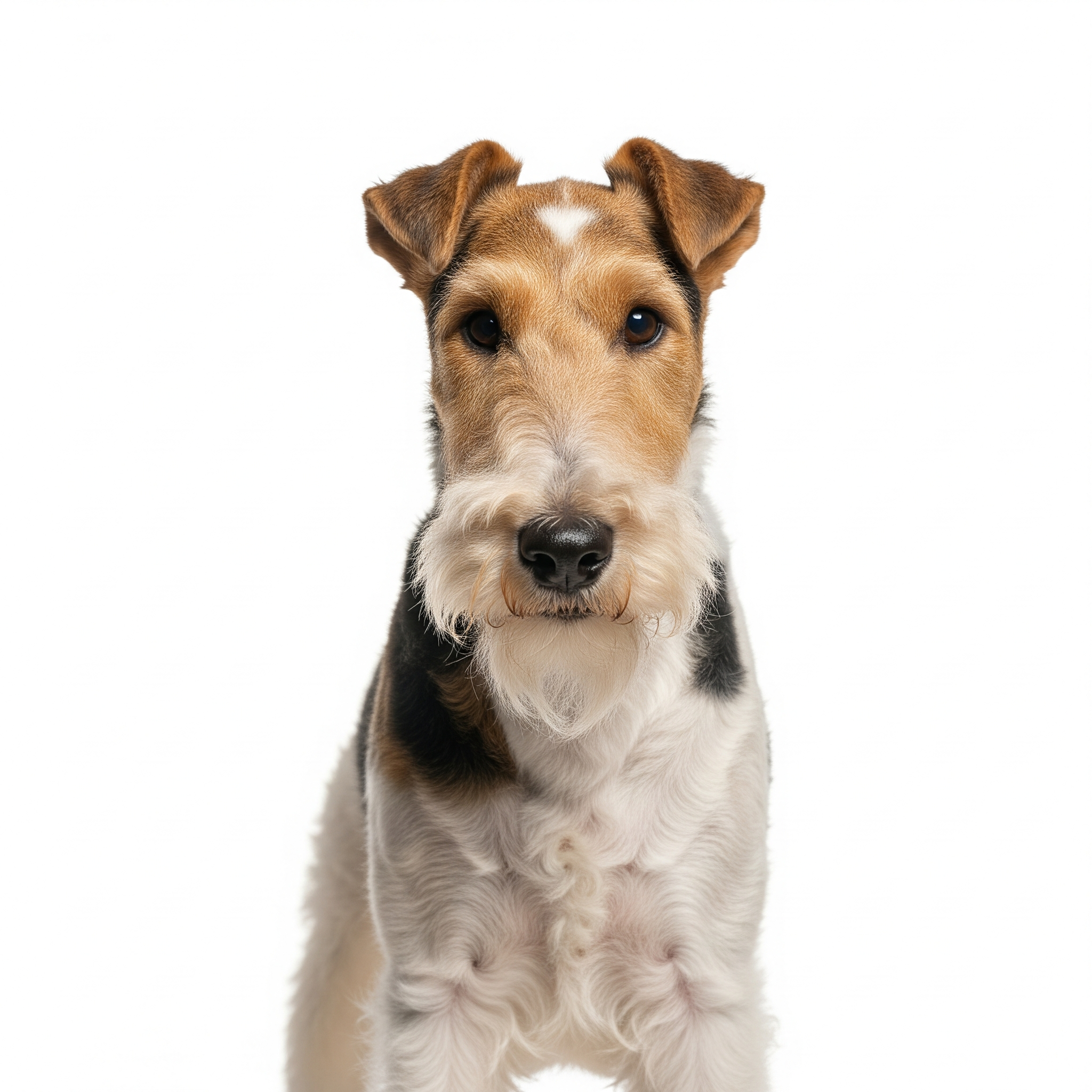
Archival print, museum-grade paper
Buy Poster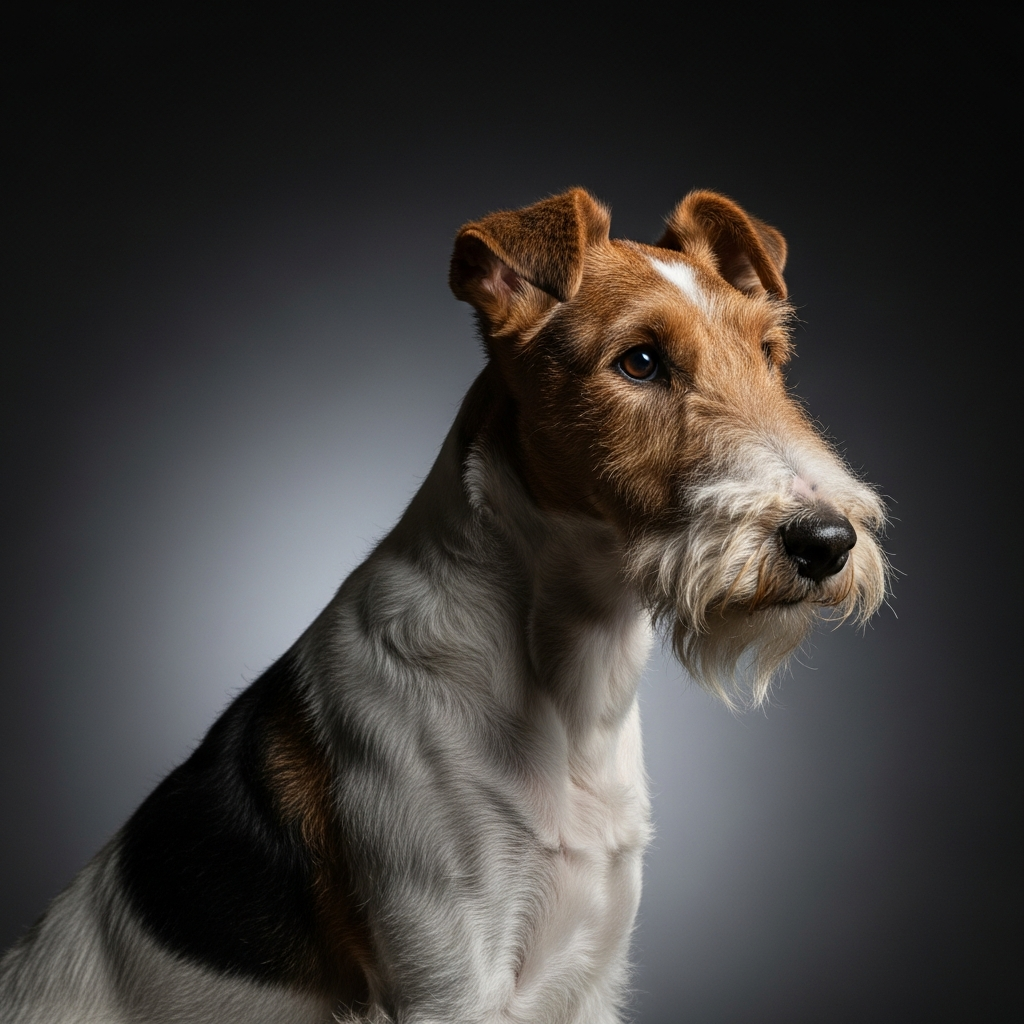
Stoneware mug, dishwasher safe
Buy Mug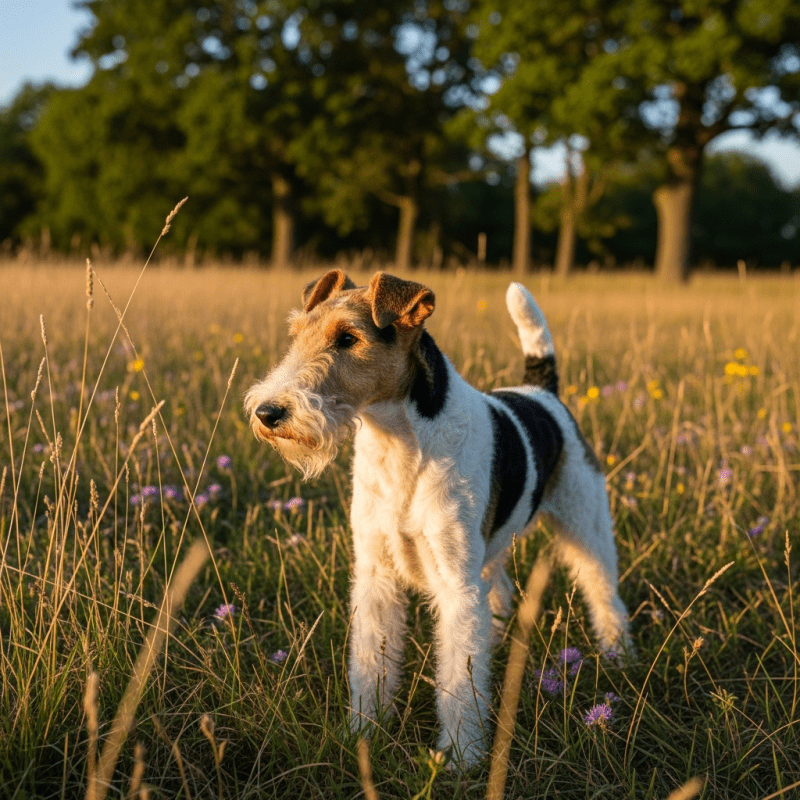
Soft cotton tee, unisex sizes
Buy ShirtThe Wire Fox Terrier has enjoyed enduring popularity in both sporting and companion roles. It has been a frequent winner at prestigious dog shows, including multiple Best in Show titles at events like Westminster. Its distinctive look and energetic demeanor have made it a favorite in art, film, and advertising, often symbolizing spirited companionship and classic British style. The breed’s historical association with fox hunting also ties it to rural English traditions.
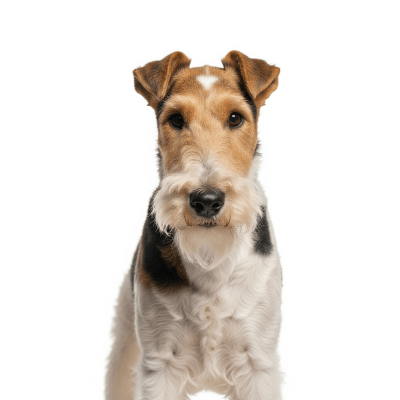
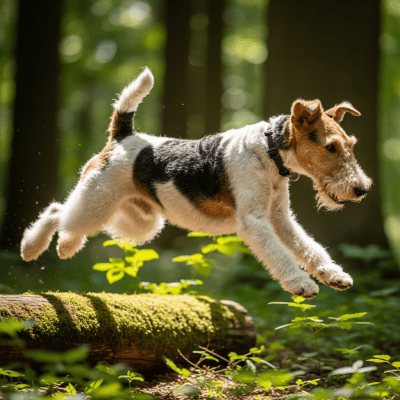

The Wire Fox Terrier is a medium-sized breed, typically standing 39 cm (15.5 inches) at the shoulder and weighing between 7.7 and 8.6 kg (17–19 lbs). Its compact, athletic build is designed for agility and endurance.
This breed features a dense, harsh, wiry double coat that is predominantly white, often marked with black or tan patches. The coat’s unique texture requires regular grooming to preserve its crisp appearance and prevent matting.
Wire Fox Terriers are energetic, intelligent, and bold, with a lively disposition and strong prey drive. They are highly trainable, responding well to consistent, positive reinforcement and mental stimulation. Their spirited nature makes them entertaining companions, though firm, patient guidance is recommended.
Wire Fox Terriers typically enjoy a lifespan of 12 to 15 years. They are generally robust but may be predisposed to hereditary health issues such as deafness, cataracts, and Legg-Calvé-Perthes disease. Regular veterinary care and responsible breeding help mitigate these risks.
While the Wire Fox Terrier is recognized internationally, minor regional variations exist in breed standards, particularly in coat texture and color markings. However, no distinct subtypes or lines are widely acknowledged beyond these standard differences.