Pekingese
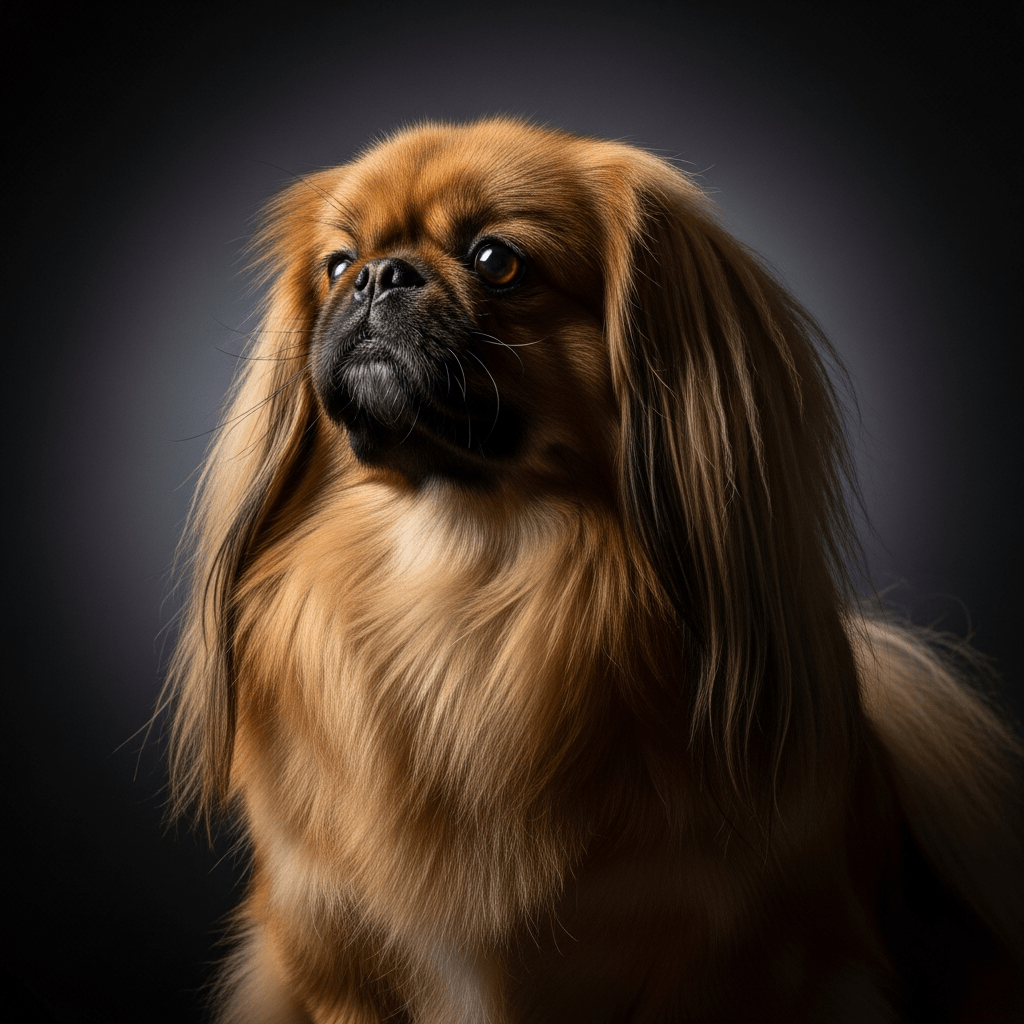
The Pekingese is a small, regal toy breed of dog celebrated for its lion-like mane, dignified presence, and ancient Chinese heritage as a cherished companion to royalty.
The Pekingese is a small, regal toy breed of dog celebrated for its lion-like mane, dignified presence, and ancient Chinese heritage as a cherished companion to royalty.
Originating in China over two millennia ago, the Pekingese was meticulously bred within the imperial courts, especially during the Tang and Qing dynasties, to serve as a devoted companion for emperors and nobility. Its pure lineage was preserved through selective breeding, and the breed entered Western awareness after the Second Opium War in 1860, when several Pekingese were taken from the Imperial Palace and introduced to Europe.
The Pekingese belongs to the species Canis lupus familiaris and is classified within the Toy Group by major kennel clubs such as the AKC and FCI. Its compact size and companion-focused temperament distinguish it from working or sporting breeds, while its brachycephalic features and profuse coat set it apart within the toy category.
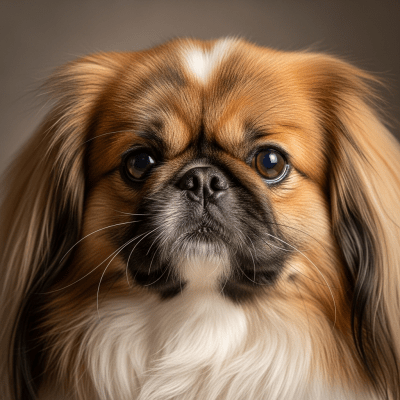
The Pekingese is instantly recognizable by its broad, flat face, short muzzle, and large, expressive dark eyes. Its most striking feature is the long, double coat that forms a luxurious mane-like ruff around the neck and shoulders, evoking the image of a miniature lion. The breed's sturdy, muscular body, short legs, and distinctive rolling gait contribute to its unique silhouette and tactile appeal.
Bred exclusively as a companion, the Pekingese is renowned for its affectionate loyalty and calm, dignified demeanor. It thrives in close proximity to its human family, making it ideal for apartment living and as a lap dog. While intelligent, the breed is known for its independent streak, requiring gentle, patient training and consistent socialization.
Bring this kind into your world illustrated posters, mugs, and shirts.
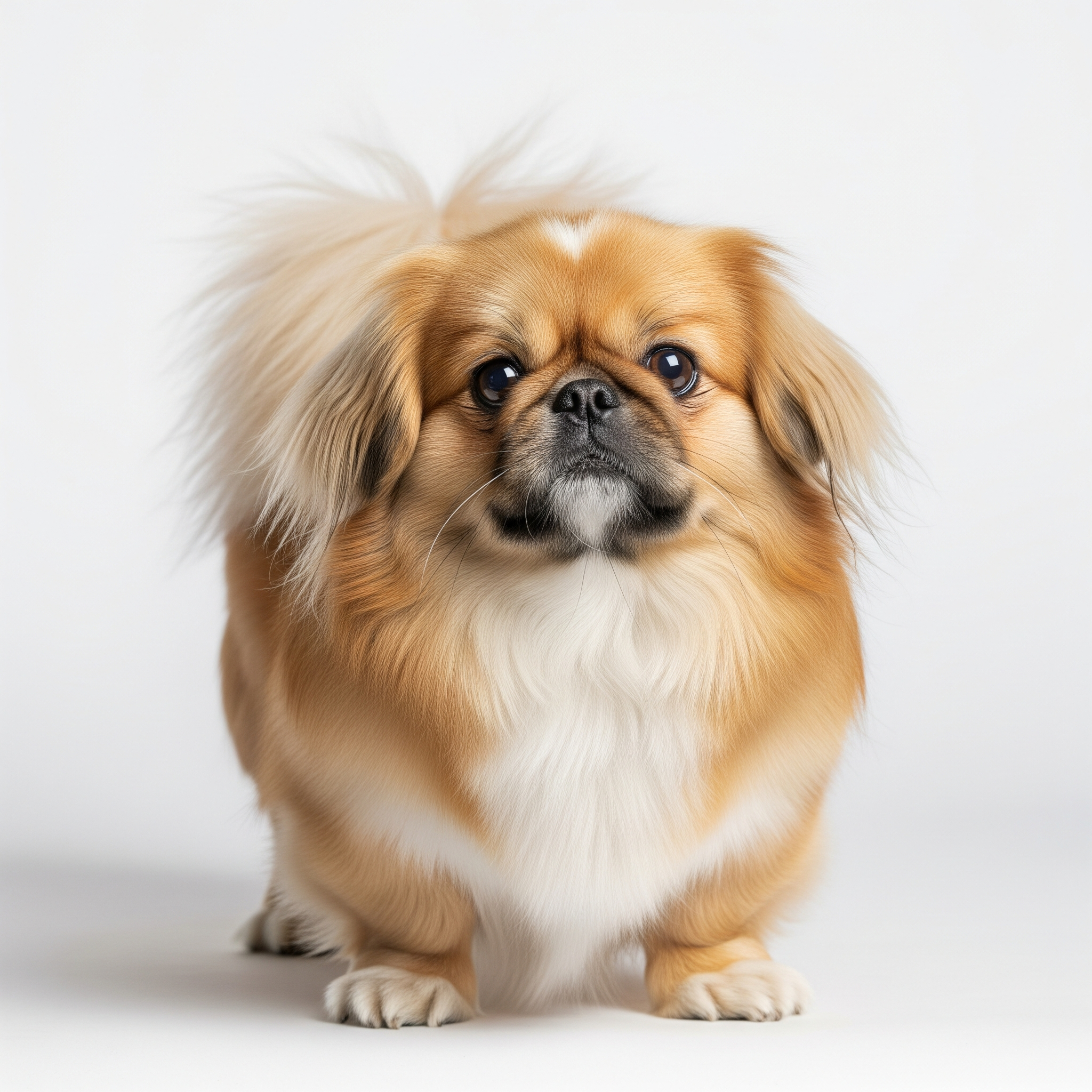
Archival print, museum-grade paper
Buy Poster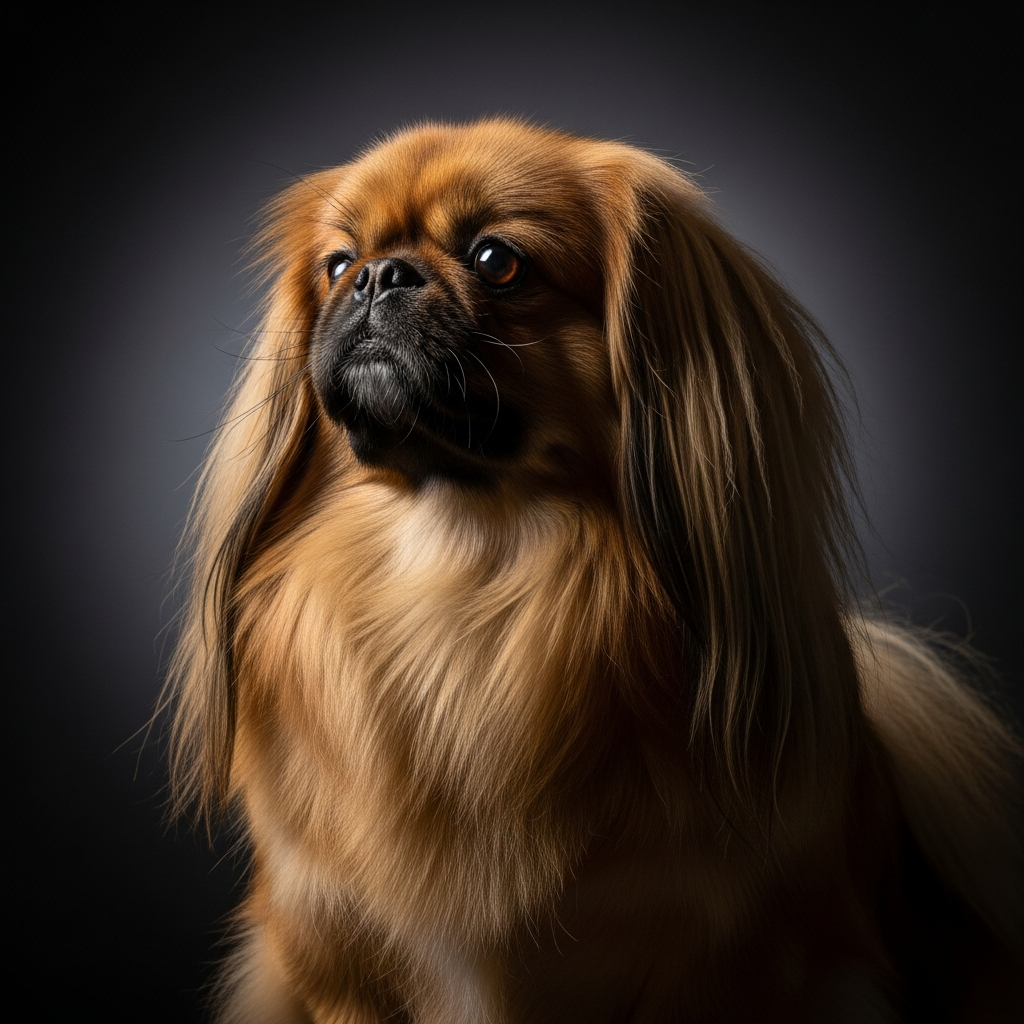
Stoneware mug, dishwasher safe
Buy Mug
Soft cotton tee, unisex sizes
Buy ShirtFor centuries, the Pekingese symbolized status and refinement in Chinese society, often depicted in art and legend as the "Lion Dog" of the imperial court. Its presence in palaces and its association with emperors elevated the breed to near-mythical status. Today, the Pekingese remains a beloved show dog and companion, celebrated for its historical roots and distinctive beauty in both Eastern and Western cultures.

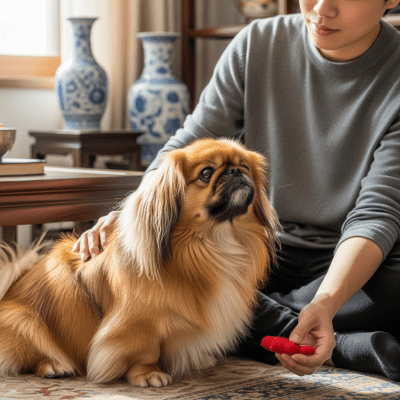
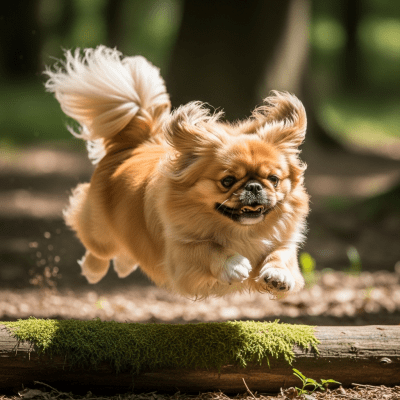
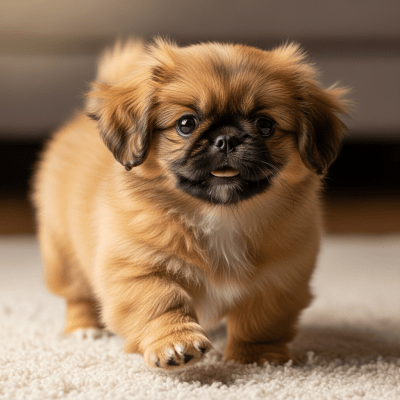
The Pekingese is a small breed, typically standing 15–23 cm (6–9 inches) at the shoulder and weighing between 3–6 kg (7–14 pounds). Its compact, muscular frame and short legs contribute to its sturdy yet delicate stature.
The breed boasts a long, profuse double coat that forms a dramatic mane around the neck and shoulders. Common colors include gold, red, sable, black, white, and cream, with all shades accepted by major breed standards.
Pekingese are dignified, affectionate, and loyal, displaying a regal calmness in their interactions. While intelligent, they can be independent and occasionally stubborn, responding best to gentle, patient training methods.
Pekingese typically live 12–14 years. They are prone to respiratory problems due to their brachycephalic (short-muzzled) facial structure, heat intolerance, and potential eye injuries, necessitating attentive care and regular veterinary checkups.
The Pekingese is exclusively valued as a companion and show dog. Historically, it served as a symbol of nobility and status, and today it excels as a devoted household pet and a frequent participant in dog shows worldwide.
The Pekingese maintains a consistent breed standard globally, with minimal regional variants. Minor differences may exist in grooming and presentation styles, but the breed’s core traits and appearance remain uniform across recognized kennel clubs.