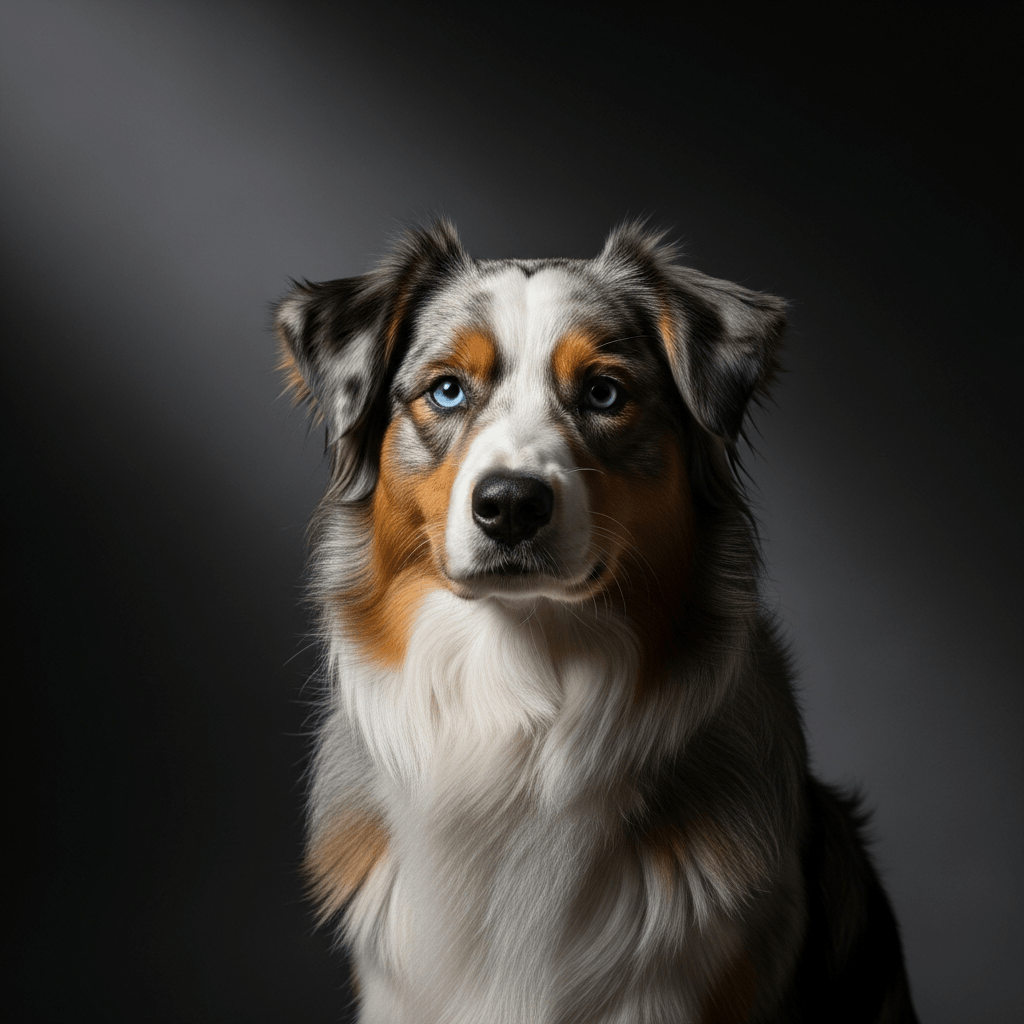
Australian Shepherd
The Australian Shepherd is a highly intelligent, energetic herding breed celebrated for its agility, striking appearance, and remarkable versatility as both a working dog and a beloved companion.
The Australian Shepherd is a highly intelligent, energetic herding breed celebrated for its agility, striking appearance, and remarkable versatility as both a working dog and a beloved companion.
Despite its name, the Australian Shepherd was developed in the United States during the 19th century, particularly by ranchers in California. Its lineage includes collies and shepherd-type dogs imported from Australia and New Zealand, which influenced its name but not its geographic origin. The breed emerged through practical selection for herding ability and adaptability, rather than formal breeding programs or institutional oversight.
The Australian Shepherd belongs to the species Canis lupus familiaris and is classified within the Herding Group by major kennel clubs such as the American Kennel Club (AKC). It shares ancestry with other shepherd and collie breeds, and is recognized globally as a distinct breed renowned for its working capabilities and athleticism.
Australian Shepherds are medium-sized dogs with a well-balanced, athletic frame built for endurance and agility. Their double coat is of medium length, straight to wavy, and weather-resistant, often displaying vibrant colors such as blue merle, red merle, black, or red, frequently accented by white markings and tan points. The breed is known for expressive eyes, which may be brown, blue, amber, or even heterochromatic. Their overall appearance is both striking and practical, reflecting their active lifestyle.
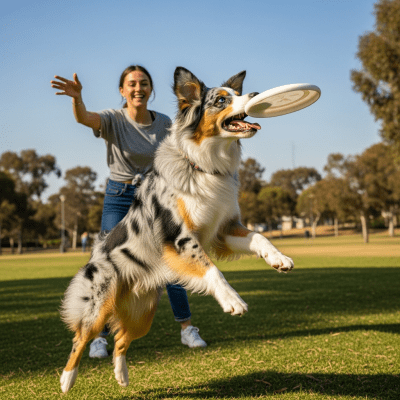
Australian Shepherds are celebrated for their strong herding instinct, boundless energy, and exceptional trainability. They thrive in roles that demand intelligence and stamina, such as herding livestock, participating in canine sports like agility and obedience, and serving as loyal family companions. Their eagerness to learn and work makes them ideal partners for active owners and handlers.
Bring this kind into your world illustrated posters, mugs, and shirts.
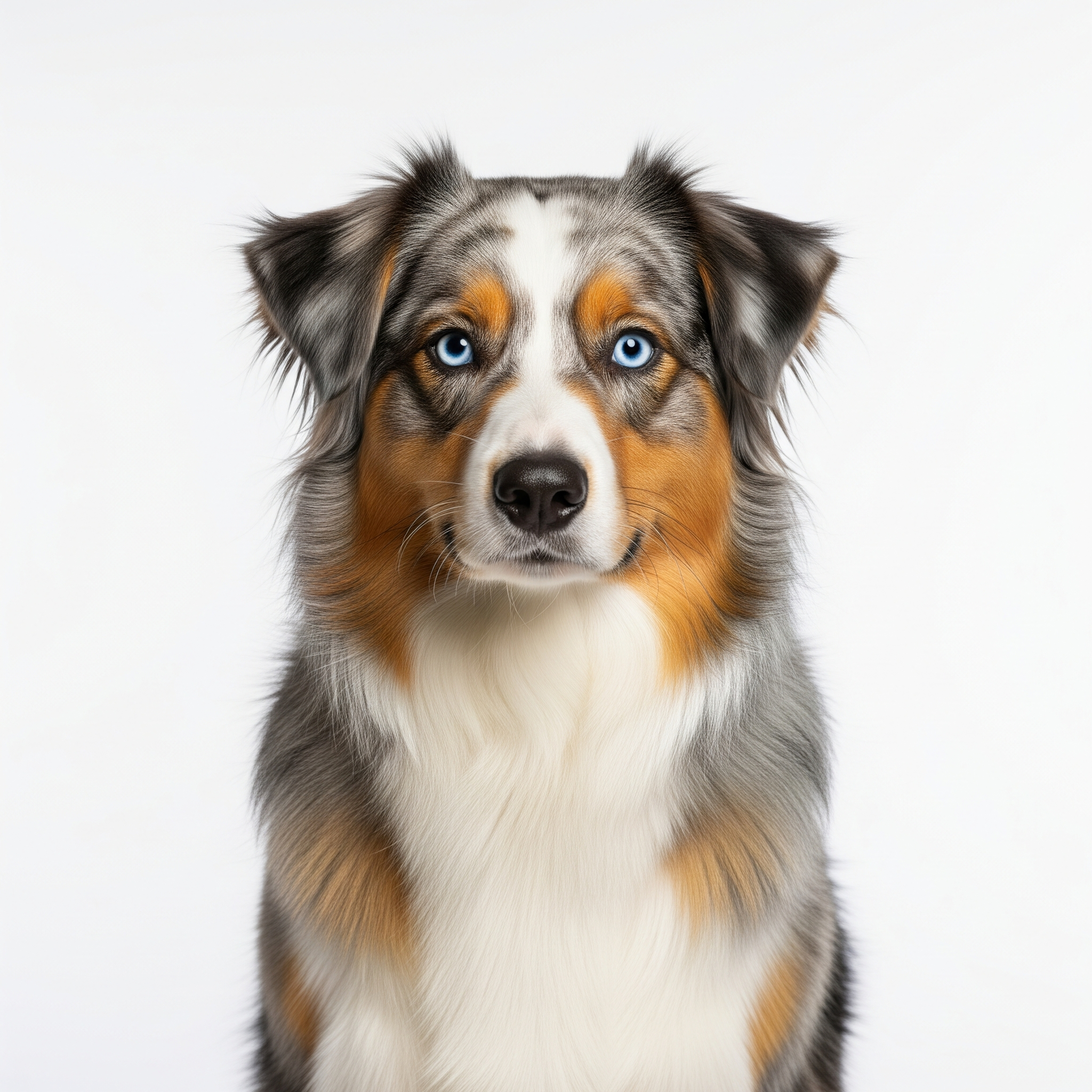
Archival print, museum-grade paper
Buy Poster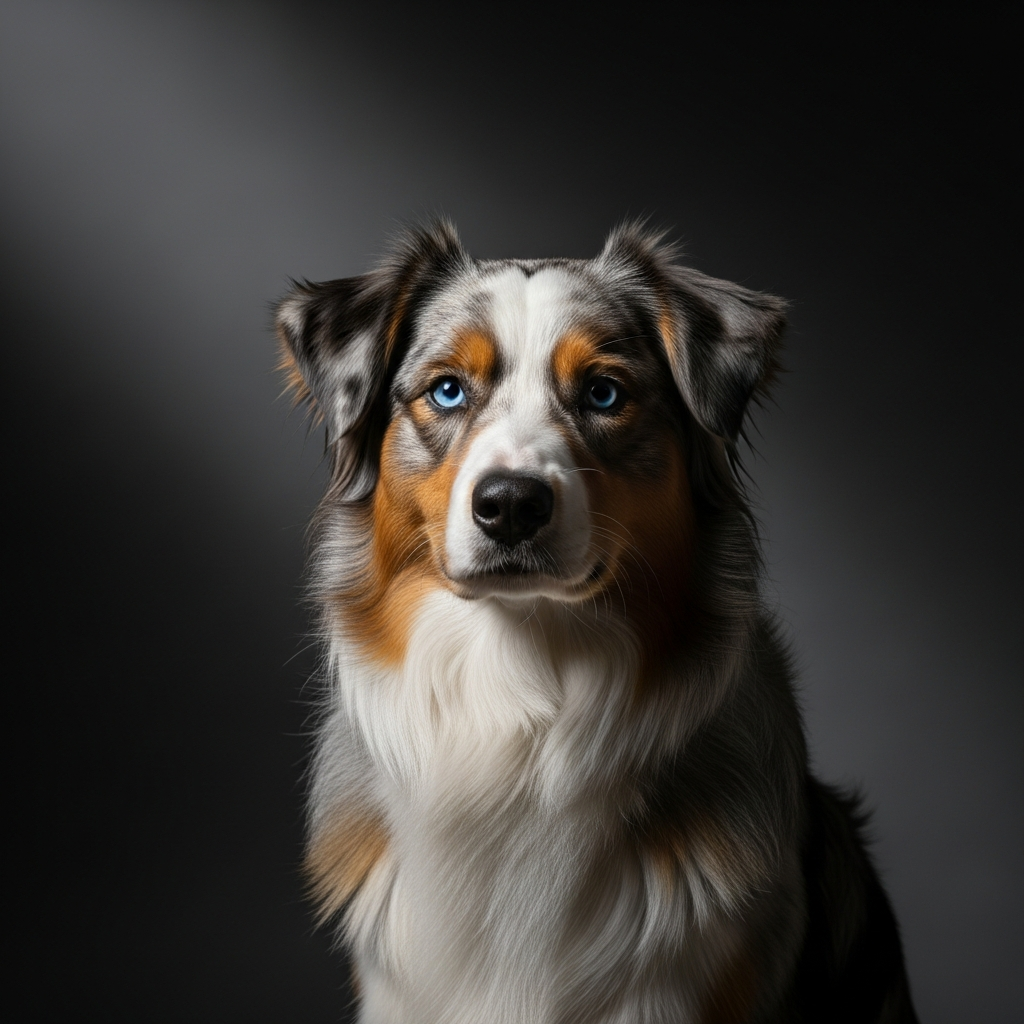
Stoneware mug, dishwasher safe
Buy Mug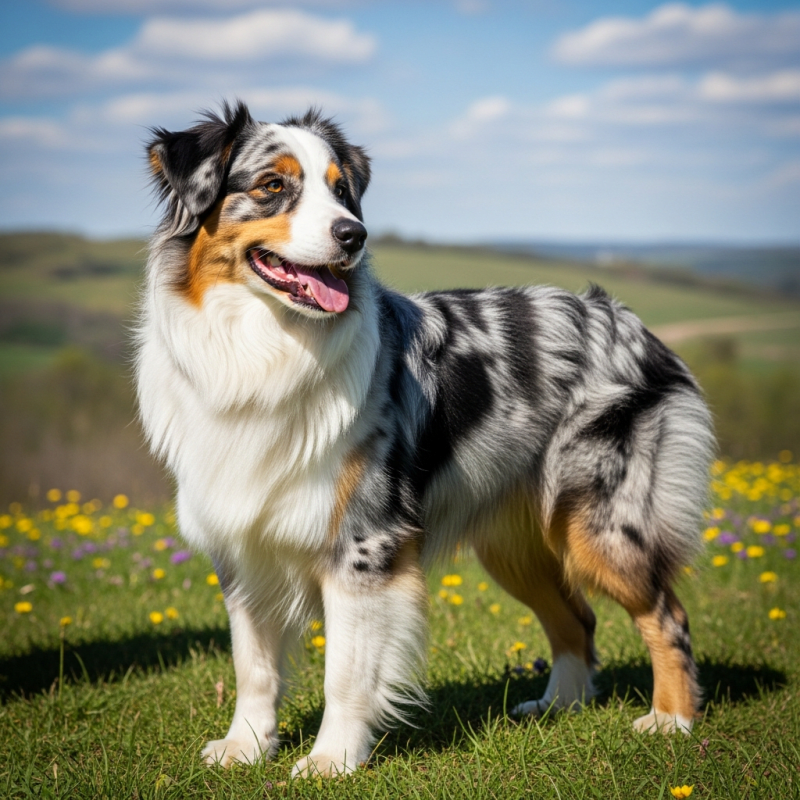
Soft cotton tee, unisex sizes
Buy ShirtThe Australian Shepherd has become an icon of ranch life in North America, frequently featured in media, dog shows, and canine sporting events. Its popularity extends beyond working environments, with "Aussies" often depicted as the quintessential energetic companion in films, advertisements, and popular culture. The breed’s adaptability and intelligence have cemented its reputation as both a hard-working partner and a cherished pet.
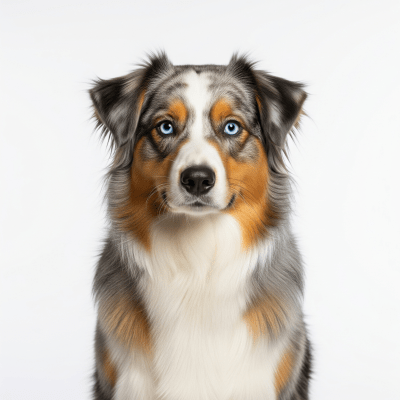
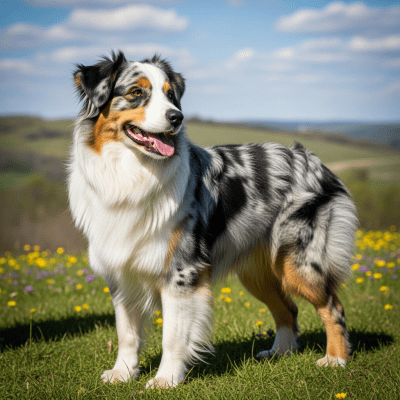

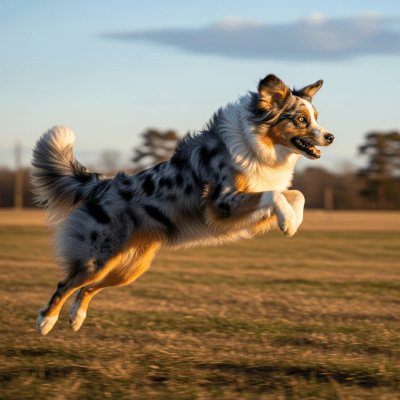
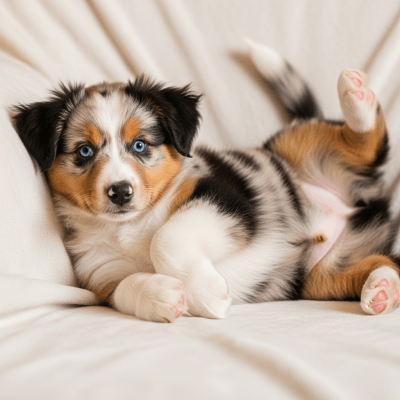
The Australian Shepherd is a medium-sized breed, typically standing 46–58 cm (18–23 inches) at the shoulder and weighing 18–29 kg (40–65 pounds). Its athletic build is well-suited for endurance and agility, making it a robust and versatile working dog.
The breed sports a medium-length, straight to wavy, weather-resistant double coat. Common colors include blue merle, red merle, black, and red, often highlighted by white markings and tan points. The coat’s texture and vibrant patterns are distinctive features of the breed, and seasonal shedding is typical.
Australian Shepherds are highly intelligent, energetic, and loyal, with a strong herding instinct and a natural adaptability to various environments. They excel in obedience and canine sports, responding enthusiastically to positive reinforcement and structured training. Their eagerness to please and quick learning ability make them ideal for active families and handlers.
Australian Shepherds typically live 12–15 years. While generally healthy, they are prone to certain hereditary conditions, including hip dysplasia, epilepsy, and eye disorders such as Collie Eye Anomaly. Regular veterinary care and responsible breeding practices help mitigate these risks.
While there are no formally recognized regional subtypes, working lines of Australian Shepherds may differ slightly from show lines in both physical and behavioral traits, reflecting the breed’s adaptability to specific tasks and environments.