Miniature Schnauzer
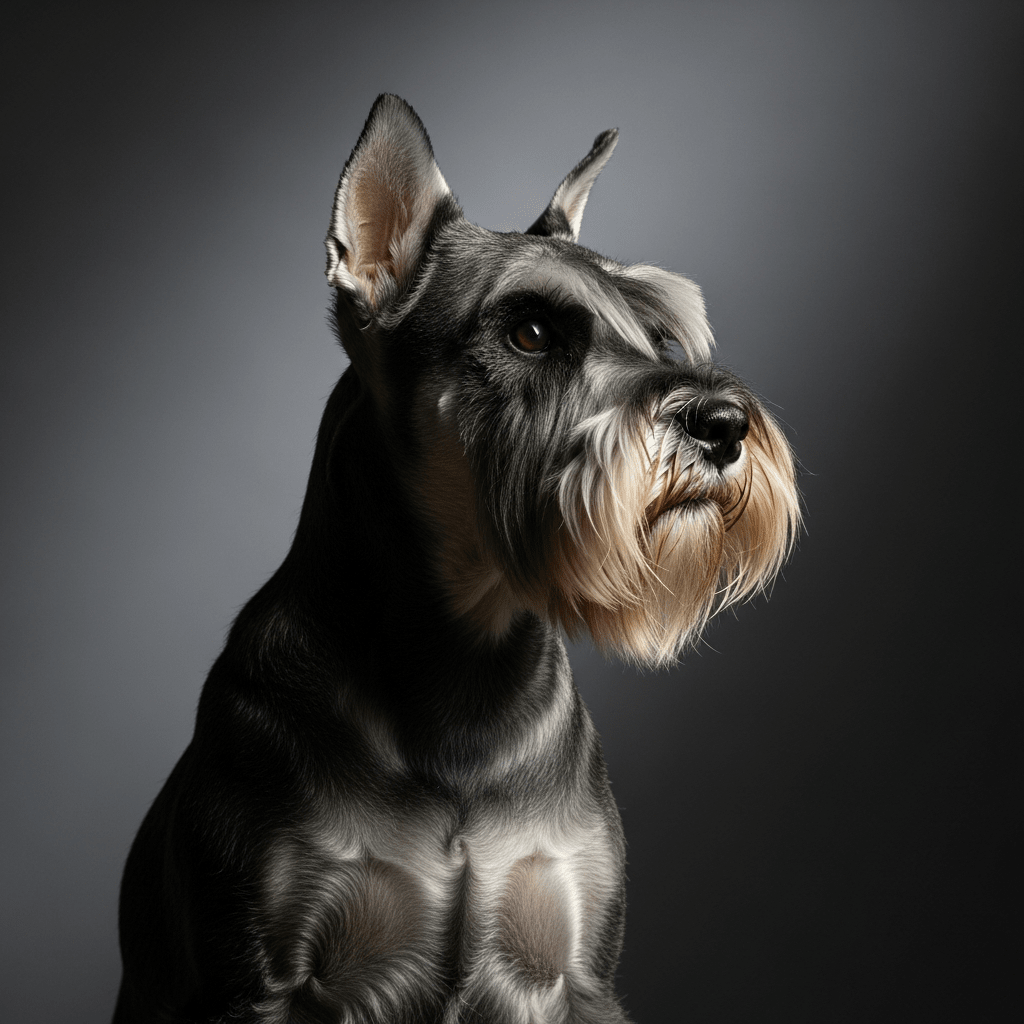
The Miniature Schnauzer is a small, robust terrier breed celebrated for its distinctive wiry coat, expressive eyebrows, and lively, intelligent personality.
The Miniature Schnauzer is a small, robust terrier breed celebrated for its distinctive wiry coat, expressive eyebrows, and lively, intelligent personality.
Originating in Germany in the late 19th century, the Miniature Schnauzer was developed by crossing the Standard Schnauzer with smaller breeds such as the Affenpinscher and possibly the Poodle. Bred as a versatile farm dog, its primary roles included ratting and guarding. The breed was first recorded in the 1880s and gained formal recognition from German and international kennel authorities in the early 20th century.
The Miniature Schnauzer belongs to the terrier group and is classified as a small breed within the broader family of domestic dogs (Canis lupus familiaris). It is recognized by major kennel clubs worldwide and fits within the functional and breed-based frameworks that organize dogs by size, purpose, and lineage.
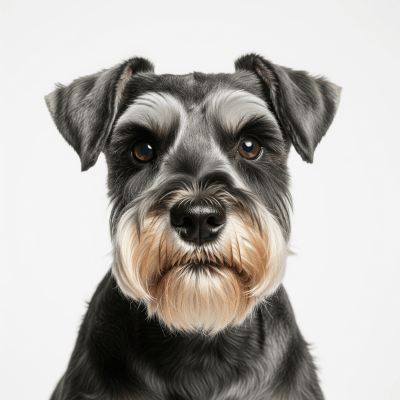
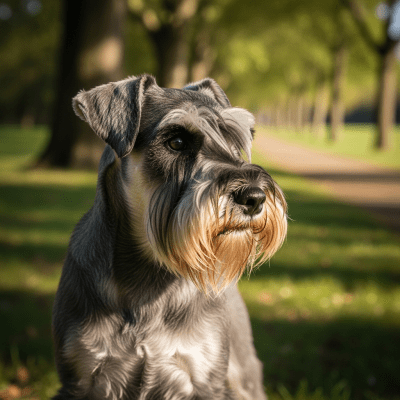
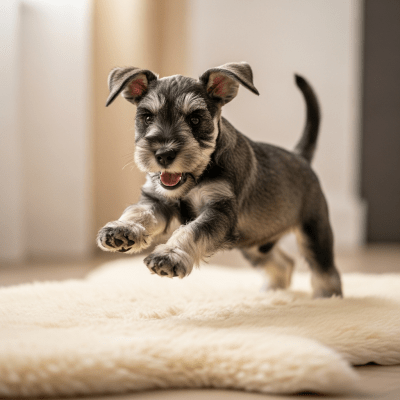
Compact and squarely built, the Miniature Schnauzer stands out for its harsh, wiry double coat, bushy eyebrows, and bristly beard. Its expressive face, minimal shedding, and hypoallergenic qualities make it both visually striking and practical for many households. Typical height ranges from 30 to 36 cm at the shoulder, with a weight between 5 and 9 kg.
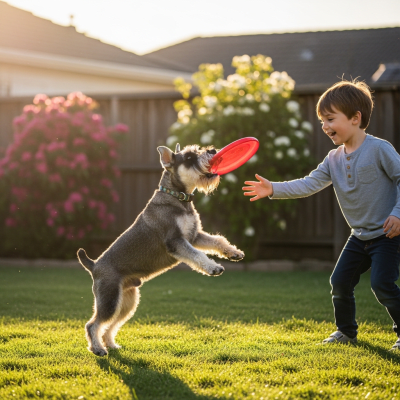
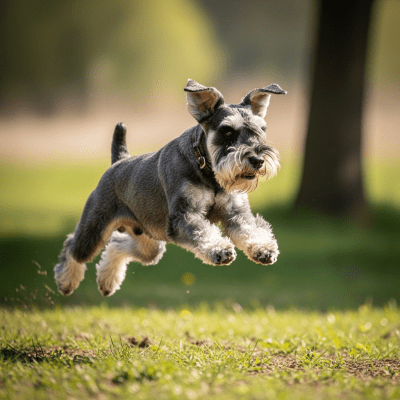
Miniature Schnauzers are energetic, alert, and highly intelligent. Originally bred for vermin control and guarding, they have adapted seamlessly to life as companion animals, excelling in obedience, agility, and therapy work. Their lively nature and eagerness to learn make them interactive and engaging pets, well-suited to both urban and rural environments.
Bring this kind into your world illustrated posters, mugs, and shirts.
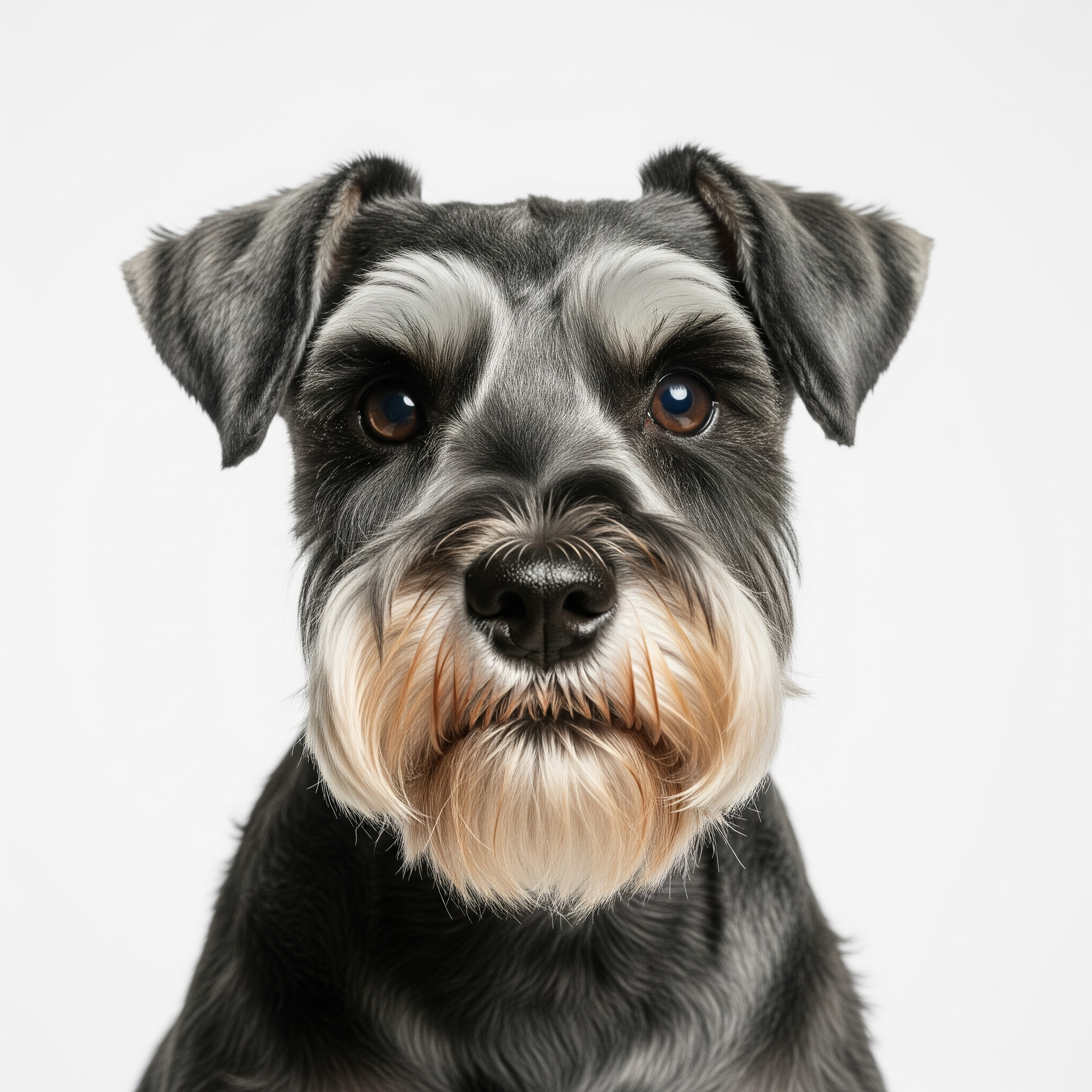
Archival print, museum-grade paper
Buy Poster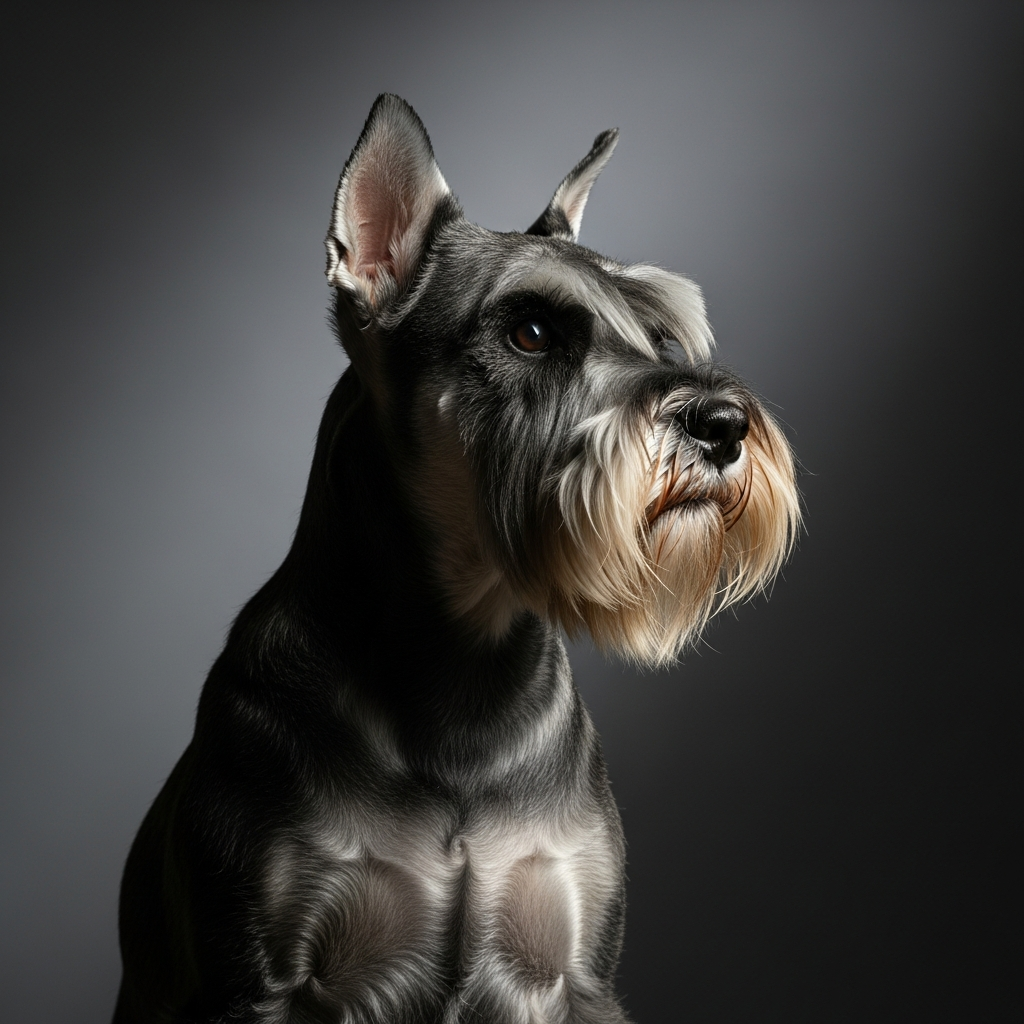
Stoneware mug, dishwasher safe
Buy Mug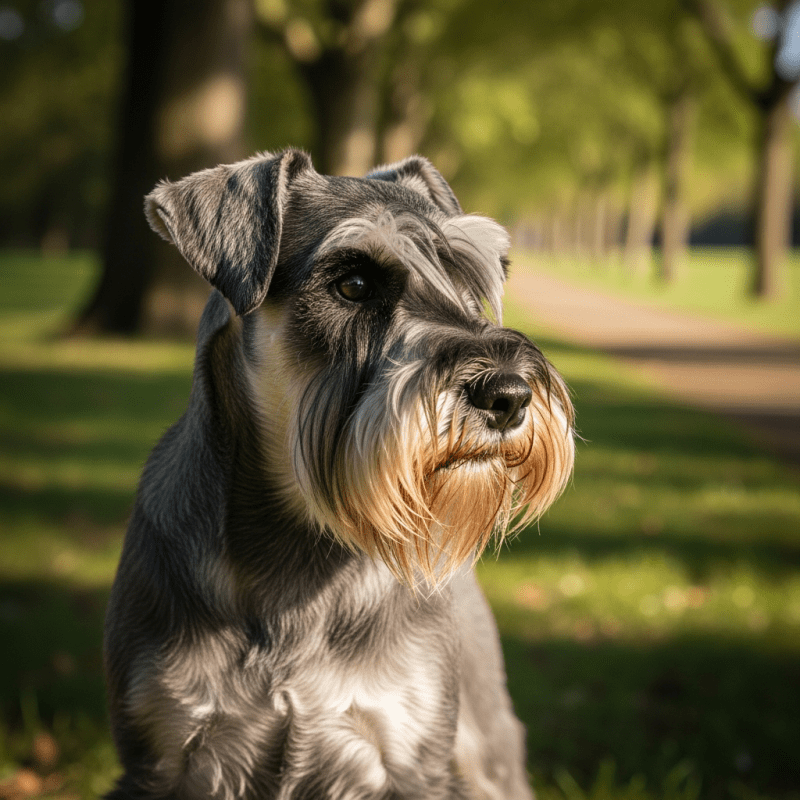
Soft cotton tee, unisex sizes
Buy ShirtWith their iconic appearance and spirited personality, Miniature Schnauzers have become beloved figures in popular culture and family life. They are frequently featured in dog shows and have a strong presence in global pet markets, admired for their manageable size and hypoallergenic coat. Their German heritage and distinctive look have made them recognizable symbols of small terrier breeds worldwide.
The Miniature Schnauzer is officially recognized by major organizations including the American Kennel Club (AKC), Fédération Cynologique Internationale (FCI), The Kennel Club (UK), Canadian Kennel Club (CKC), and United Kennel Club (UKC).

Alternate names for the breed include Zwergschnauzer (German), Mini Schnauzer, and Miniature Schnauzer Terrier. These reflect both its origins and its informal popularity in various regions.
The Miniature Schnauzer is a small breed, typically standing 30–36 cm at the shoulder and weighing between 5 and 9 kg. Its compact, square-proportioned body is a hallmark of the breed.
Miniature Schnauzers sport a harsh, wiry double coat that requires regular grooming. Accepted colors include salt and pepper, black, and black and silver, all contributing to their distinctive, elegant appearance.
Known for their lively, alert, and intelligent nature, Miniature Schnauzers are highly trainable and eager to please. They excel in obedience, agility, and therapy roles, and their adaptability makes them suitable for a variety of households.
Miniature Schnauzers are generally robust and long-lived, with a typical lifespan of 12–15 years. Common health concerns include pancreatitis, hyperlipidemia, and hereditary eye disorders. Their minimal shedding and hypoallergenic coat are added health advantages for owners.
This breed serves primarily as a companion animal and family pet, but also excels as a show dog and in obedience, agility, and therapy work. Its origins as a farm dog mean it retains some instinct for vermin control, making it versatile and practical.
Breed standards for the Miniature Schnauzer are harmonized internationally, and notable regional variants are minimal. The breed’s characteristics and appearance remain consistent across recognized kennel clubs worldwide.