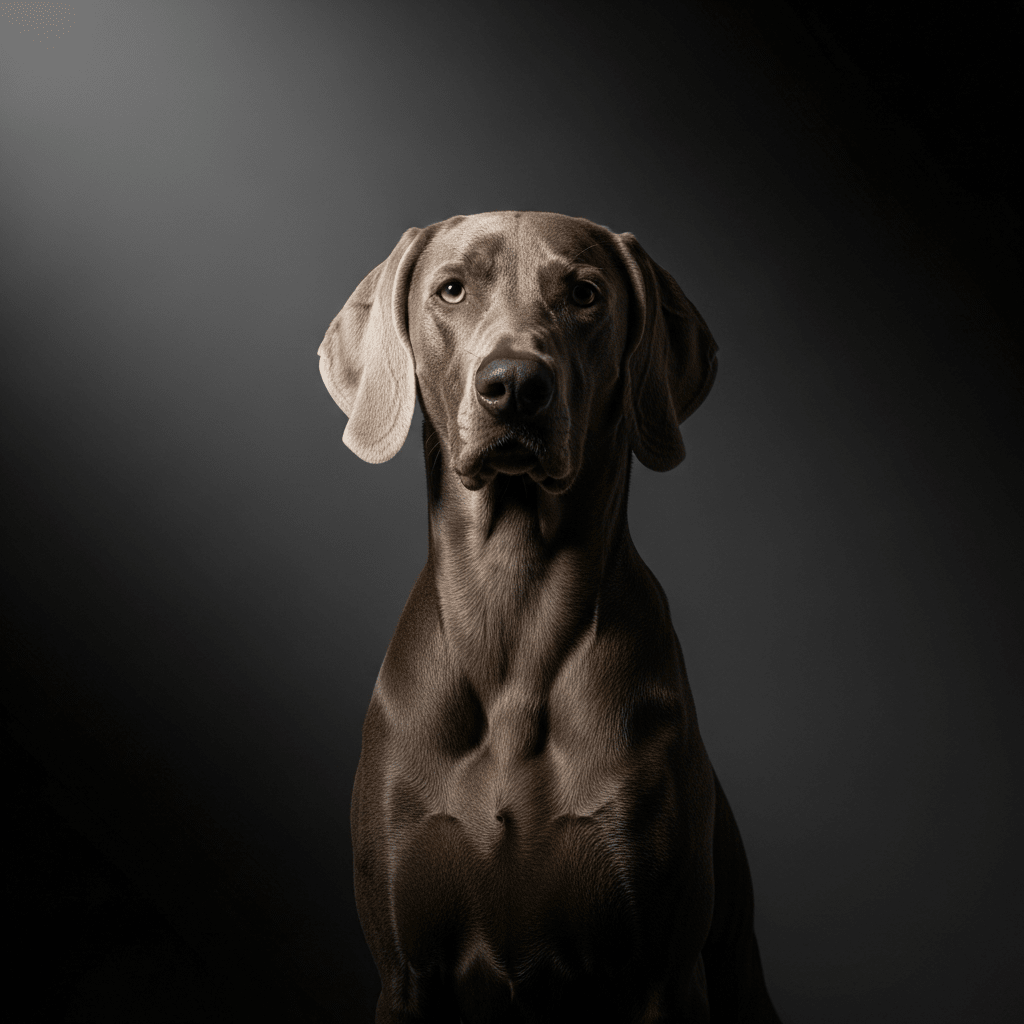
Weimaraner
The Weimaraner is a large, athletic sporting dog breed from Germany, celebrated for its sleek silver-gray coat, keen intelligence, and energetic temperament.
The Weimaraner is a large, athletic sporting dog breed from Germany, celebrated for its sleek silver-gray coat, keen intelligence, and energetic temperament.
Originating in early 19th-century Germany, the Weimaraner was developed by noblemen at the court of Weimar who sought an all-purpose hunting companion. Its lineage includes Bloodhounds, German Shorthaired Pointers, and other hunting breeds, selectively refined for tracking, pointing, and retrieving game. The breed’s noble roots and purposeful breeding have shaped its reputation as a versatile and reliable field dog.
The Weimaraner belongs to the sporting group of dog breeds, classified under the species Canis lupus familiaris. It is recognized by major kennel clubs such as the American Kennel Club (AKC), Fédération Cynologique Internationale (FCI), and The Kennel Club (UK), and is grouped alongside other versatile hunting and retrieving breeds.
Weimaraners are strikingly elegant and athletic, with a well-muscled, balanced frame. Their most iconic feature is a short, smooth, silver-gray coat that gleams in the light, earning them the nickname "Silver Ghost." They have a deep chest, straight back, long pendant ears, and expressive amber, gray, or blue-gray eyes. The breed’s overall impression is one of grace, stamina, and power. A long-haired variety exists, primarily recognized in Europe.
Renowned for their energy and intelligence, Weimaraners excel in hunting, tracking, and retrieving. Their strong bond with humans makes them loyal companions, and their versatility extends to canine sports such as agility, obedience, and tracking. These dogs require substantial exercise and mental stimulation, thriving in active households and working environments.
Bring this kind into your world illustrated posters, mugs, and shirts.
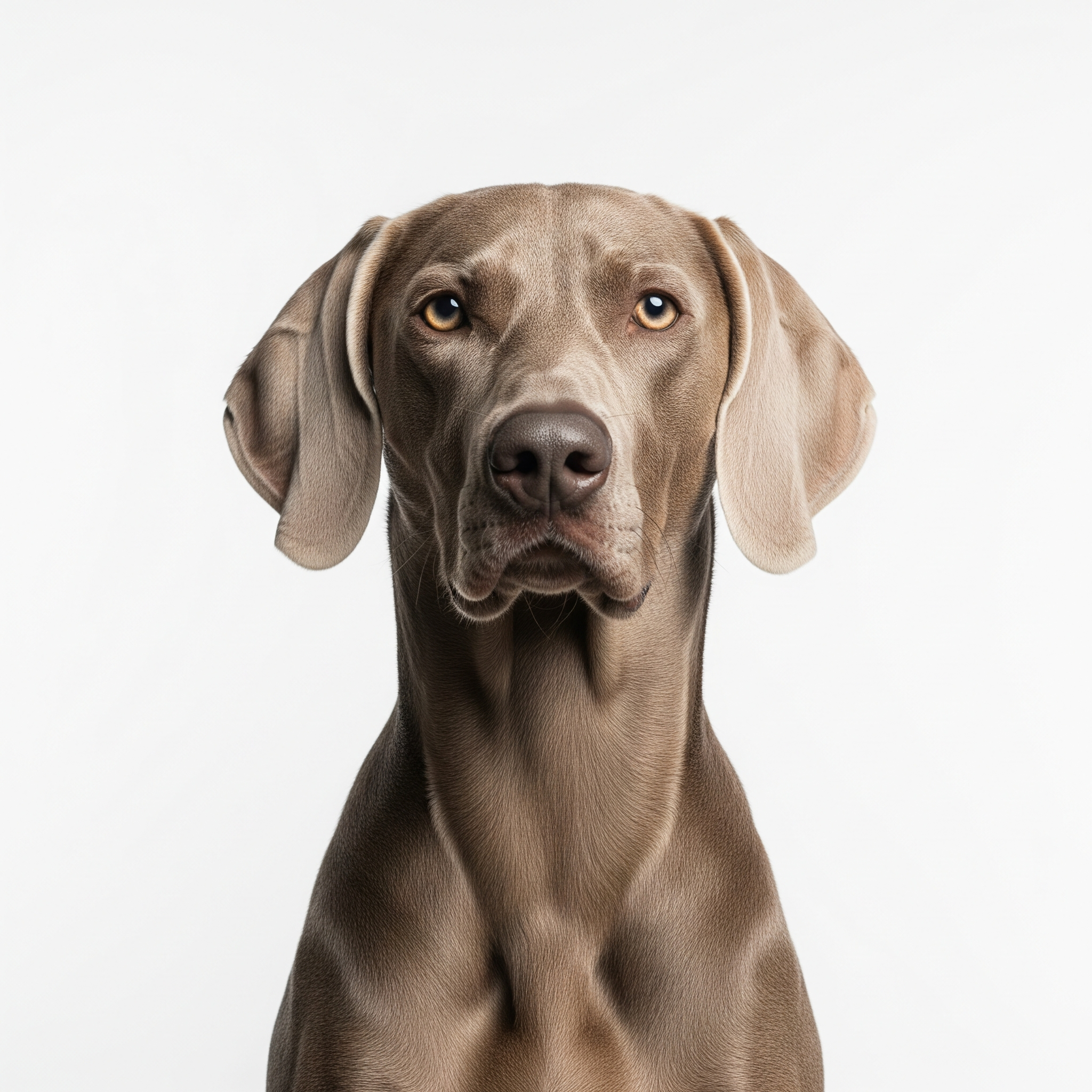
Archival print, museum-grade paper
Buy Poster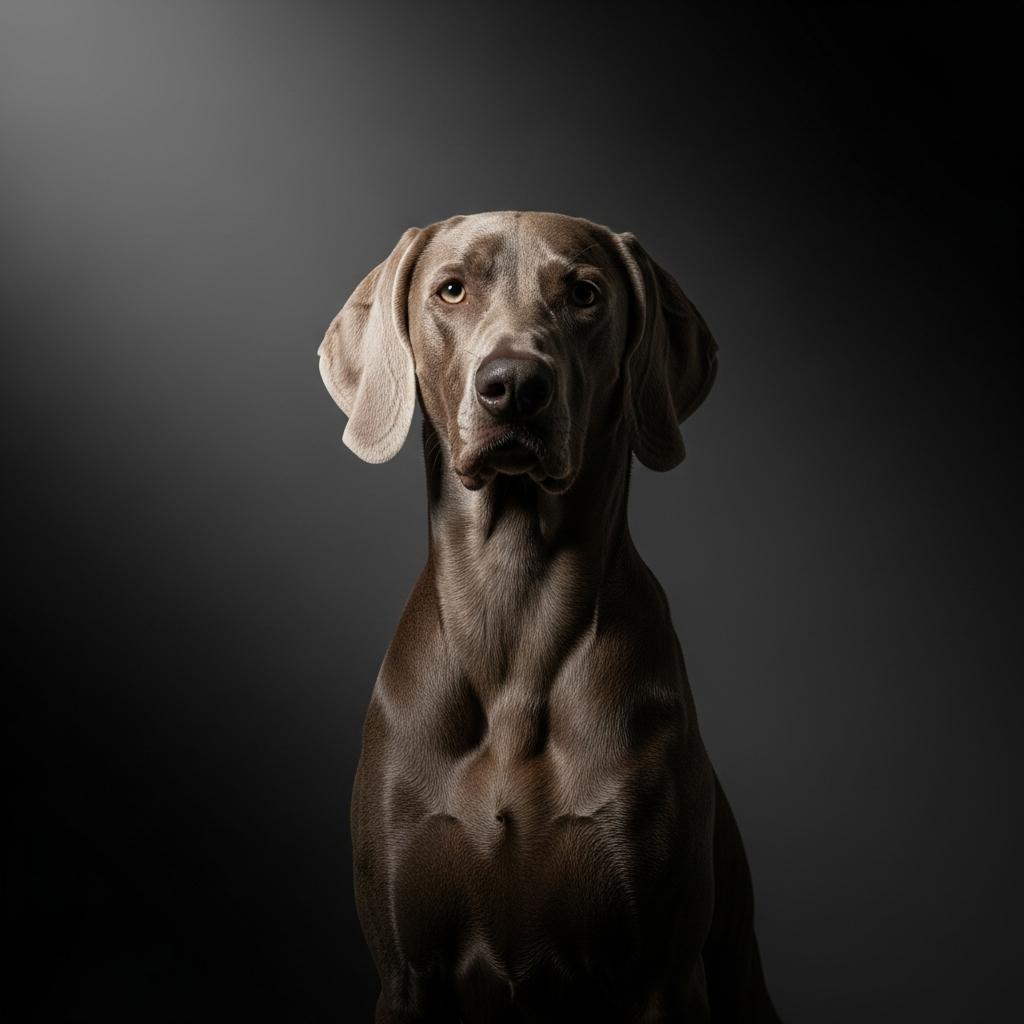
Stoneware mug, dishwasher safe
Buy Mug
Soft cotton tee, unisex sizes
Buy ShirtThe Weimaraner’s distinctive appearance has made it a favorite subject in art and advertising, most notably in the whimsical photographic works of William Wegman. Its "Silver Ghost" persona and noble heritage evoke an air of mystery and elegance, while its popularity as both a working and companion animal reflects its enduring appeal in modern culture.






The Weimaraner is a large breed, typically standing 58–69 cm (23–27 inches) at the shoulder and weighing 25–41 kg (55–90 pounds). Its build is muscular and balanced, designed for both speed and endurance.
The breed’s coat is short, smooth, and silver-gray, giving it a luminous sheen. A long-haired variety exists and is recognized by some European authorities. The color is uniform, with minimal markings, and is one of the breed’s most distinguishing features.
Weimaraners are highly energetic, intelligent, and possess a strong desire to please. Their keen intelligence and eagerness to work make them easy to train, excelling in obedience, tracking, and agility. They are deeply bonded to their families and thrive on companionship and activity.
The typical lifespan of a Weimaraner is 10–13 years. While generally healthy, they are prone to certain hereditary conditions such as hip dysplasia, bloat (gastric torsion), and some eye disorders. Regular veterinary care and attention to exercise and diet are important for their well-being.
The primary regional variant of the Weimaraner is the long-haired type, recognized in Europe but not by the American Kennel Club. Otherwise, breed standards are consistent globally, with only minor differences in coat recognition.