
Chinese Shar-Pei
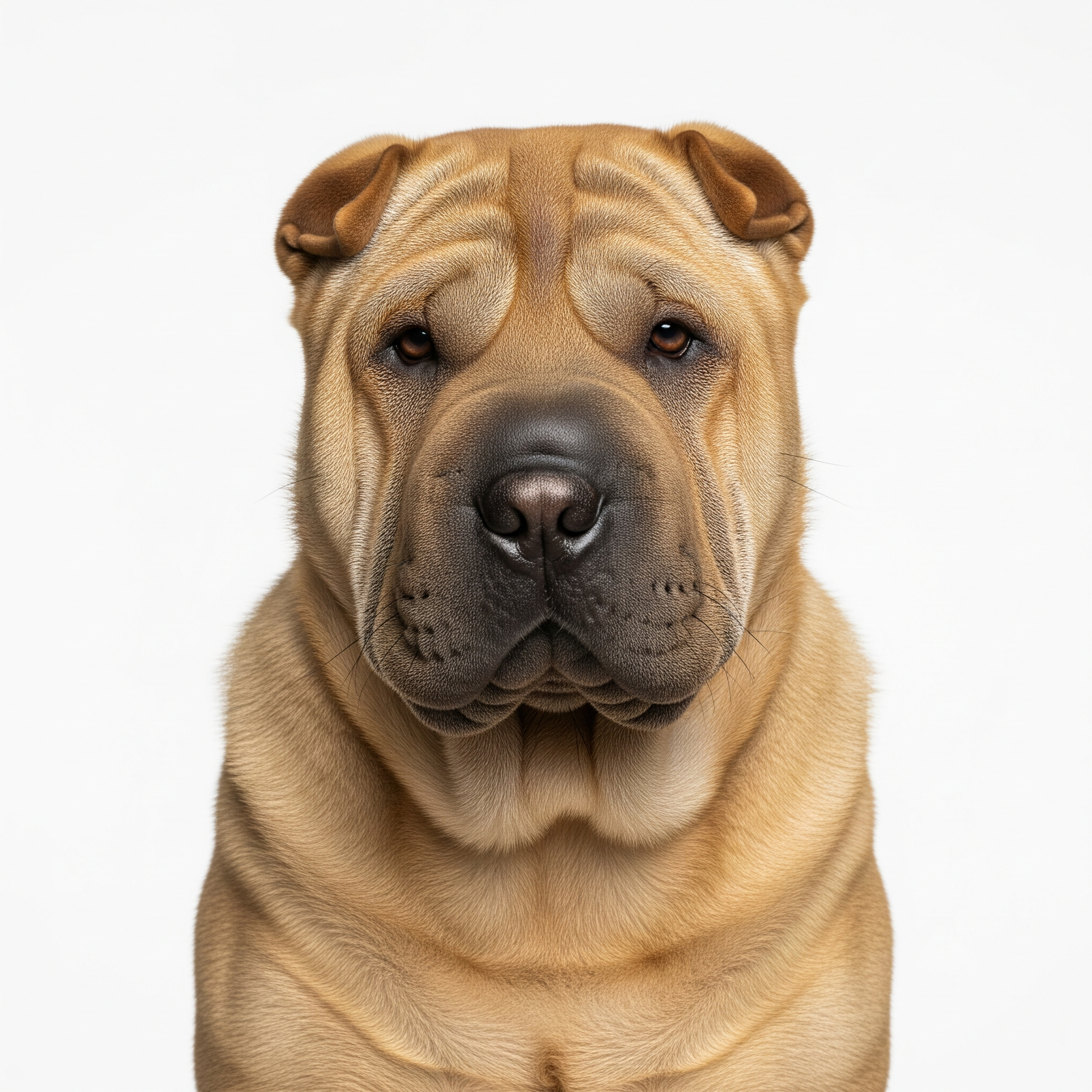
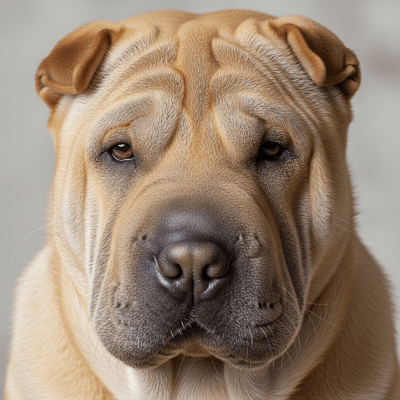
The Chinese Shar-Pei is a medium-sized companion dog instantly recognizable for its deeply wrinkled skin and broad, hippopotamus-like muzzle.
The Chinese Shar-Pei is a medium-sized companion dog instantly recognizable for its deeply wrinkled skin and broad, hippopotamus-like muzzle.
Originating in southern China’s Guangdong province, the Chinese Shar-Pei boasts a lineage dating back to the Han Dynasty (circa 200 BCE). Traditionally bred by peasants for guarding, hunting, and herding, the breed nearly vanished in the 20th century. Its modern revival was spearheaded in the 1970s by Matgo Law of Hong Kong, whose appeal to Western breeders saved the Shar-Pei from extinction and established its presence worldwide.
The Chinese Shar-Pei belongs to the non-sporting group and is classified within the species Canis lupus familiaris. Recognized by major kennel clubs, it stands out for its unique morphology and ancient heritage among companion breeds.
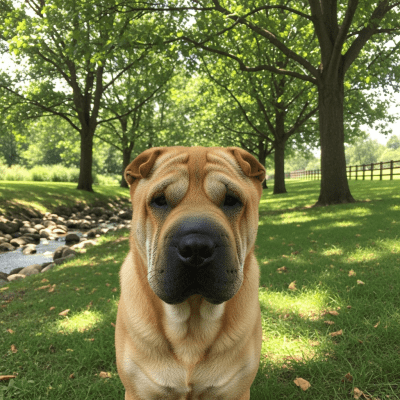
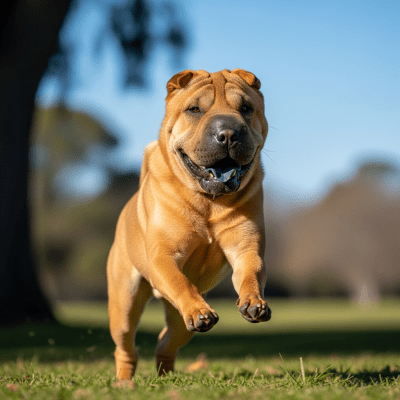
Shar-Peis are medium-sized dogs with a strikingly loose, deeply wrinkled skin—most pronounced on the head, neck, and shoulders. Their short, bristly "horse coat" is the breed’s signature, though "brush coat" and "bear coat" variants also exist. The breed features a broad, flat muzzle, small triangular ears, and a high-set, curled tail. Colors range from fawn, black, cream, red, and blue to various dilute shades, giving each dog a distinctive look.
Historically, the Shar-Pei served as a multipurpose farm dog—guarding property, herding livestock, and hunting vermin. Today, it is cherished as a loyal, calm, and protective family companion, known for its independence and devotion to its owners.
Bring this kind into your world illustrated posters, mugs, and shirts.
Archival print, museum-grade paper
Buy Poster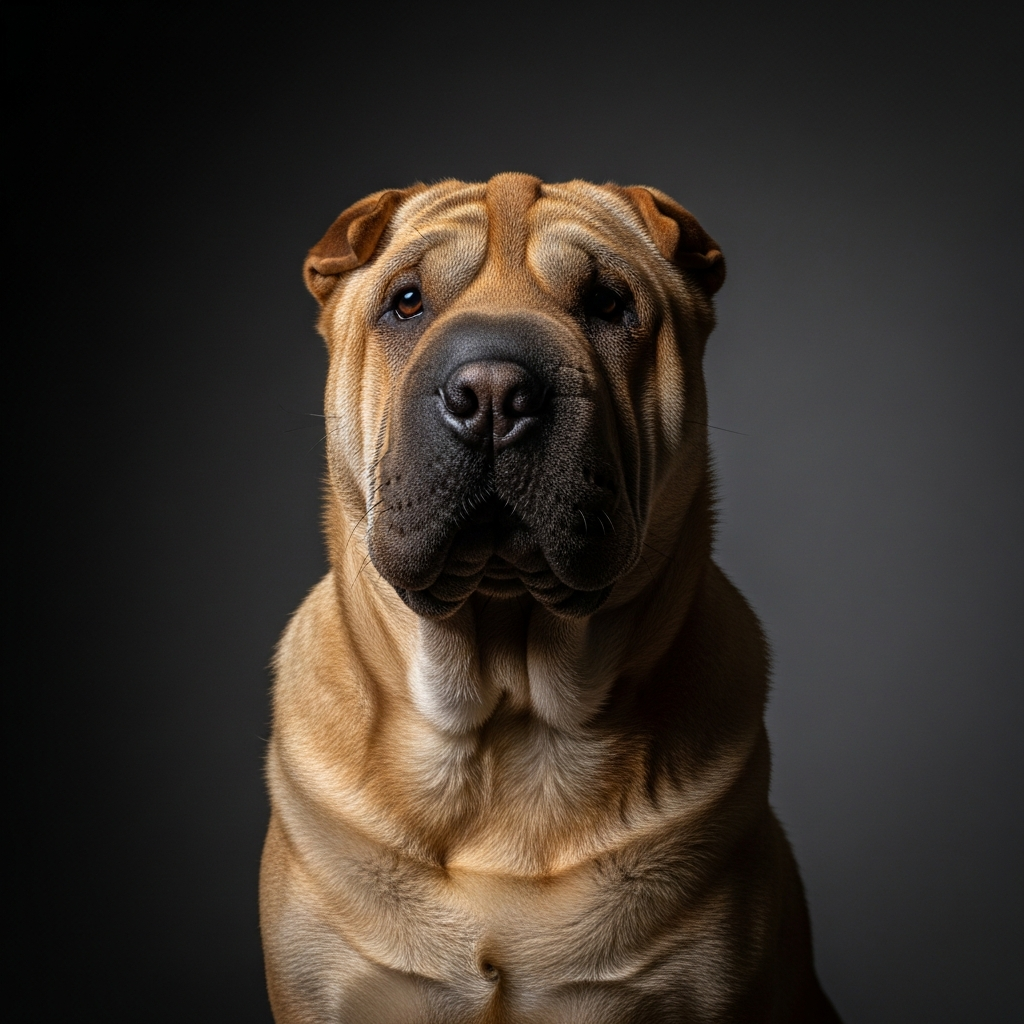
Stoneware mug, dishwasher safe
Buy Mug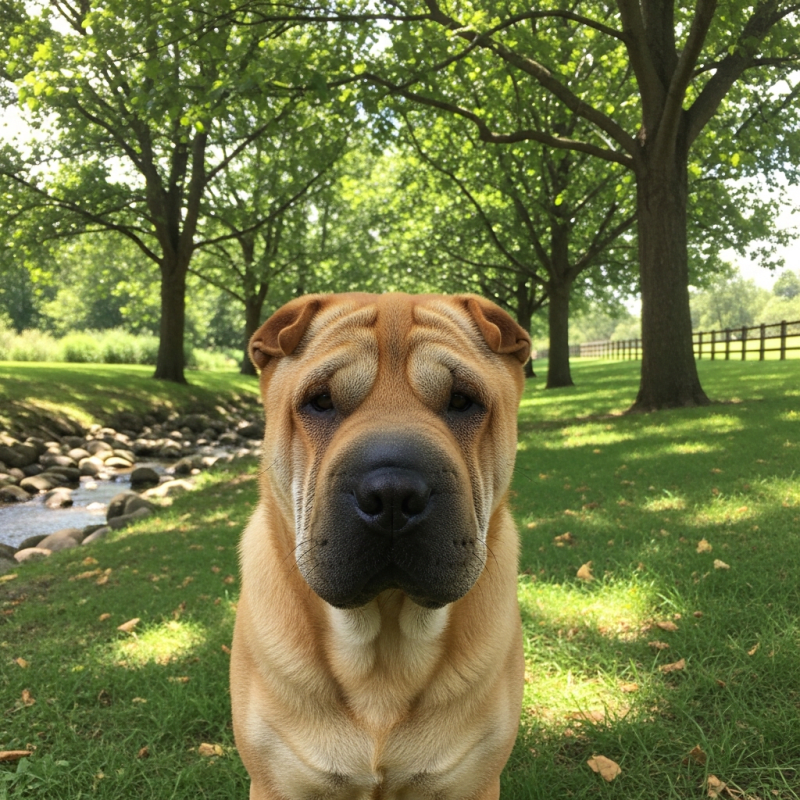
Soft cotton tee, unisex sizes
Buy ShirtThe Chinese Shar-Pei is a living link to China’s ancient canine traditions, often symbolizing resilience and uniqueness in modern culture. Its wrinkled visage has made it a favorite in art and media, and its near-extinction and dramatic revival are celebrated among breed enthusiasts as a testament to preservation efforts.
The Chinese Shar-Pei is officially recognized by the American Kennel Club, Fédération Cynologique Internationale, and The Kennel Club (UK), among other authorities.
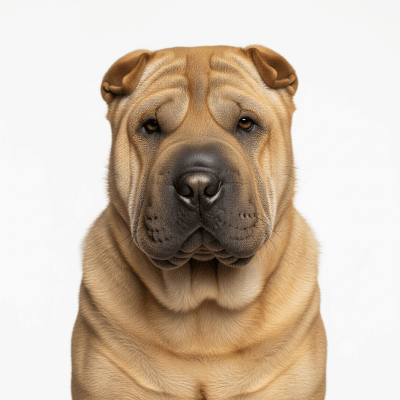
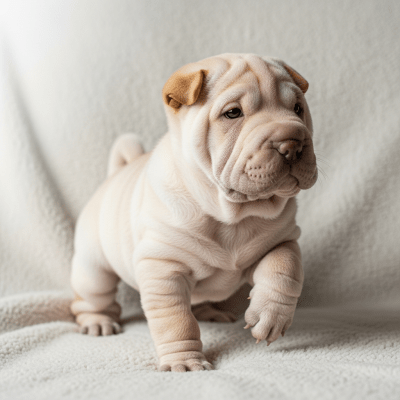
Alternate names for the breed include "Shar-Pei" and the historical "Chinese Fighting Dog." Regional references may highlight specific coat variants, such as the "bear coat Shar-Pei."
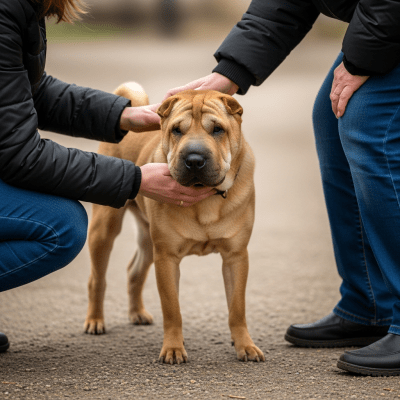
Classified as a medium-sized breed, the Shar-Pei typically stands 46–51 cm (18–20 inches) at the shoulder and weighs 20–27 kg (45–60 pounds).
The Shar-Pei’s coat is short and bristly, known as the "horse coat." Brush and bear coat variants are also recognized. Common colors include fawn, black, cream, red, blue, and dilute shades, with solid colors preferred by most breed standards.
Shar-Peis are loyal, calm, and protective, with a tendency toward independence. Their trainability is moderate—they respond best to consistent, positive reinforcement, but may be reserved or stubborn with unfamiliar people.
The breed’s typical lifespan ranges from 8 to 12 years. Common health concerns include skin conditions (pyoderma, demodectic mange), entropion, and Shar-Pei fever. Regular veterinary care and attentive skin management are important for maintaining their well-being.
Historically, the Shar-Pei was used for guarding, herding, and hunting vermin. Today, it is valued primarily as a devoted companion and family dog, admired for its distinctive appearance and loyal temperament.
While the breed standard remains consistent globally, the "bear coat Shar-Pei"—with a longer, plush coat—is occasionally distinguished in North America and Europe. This variant is less common but sought after for its unique look.