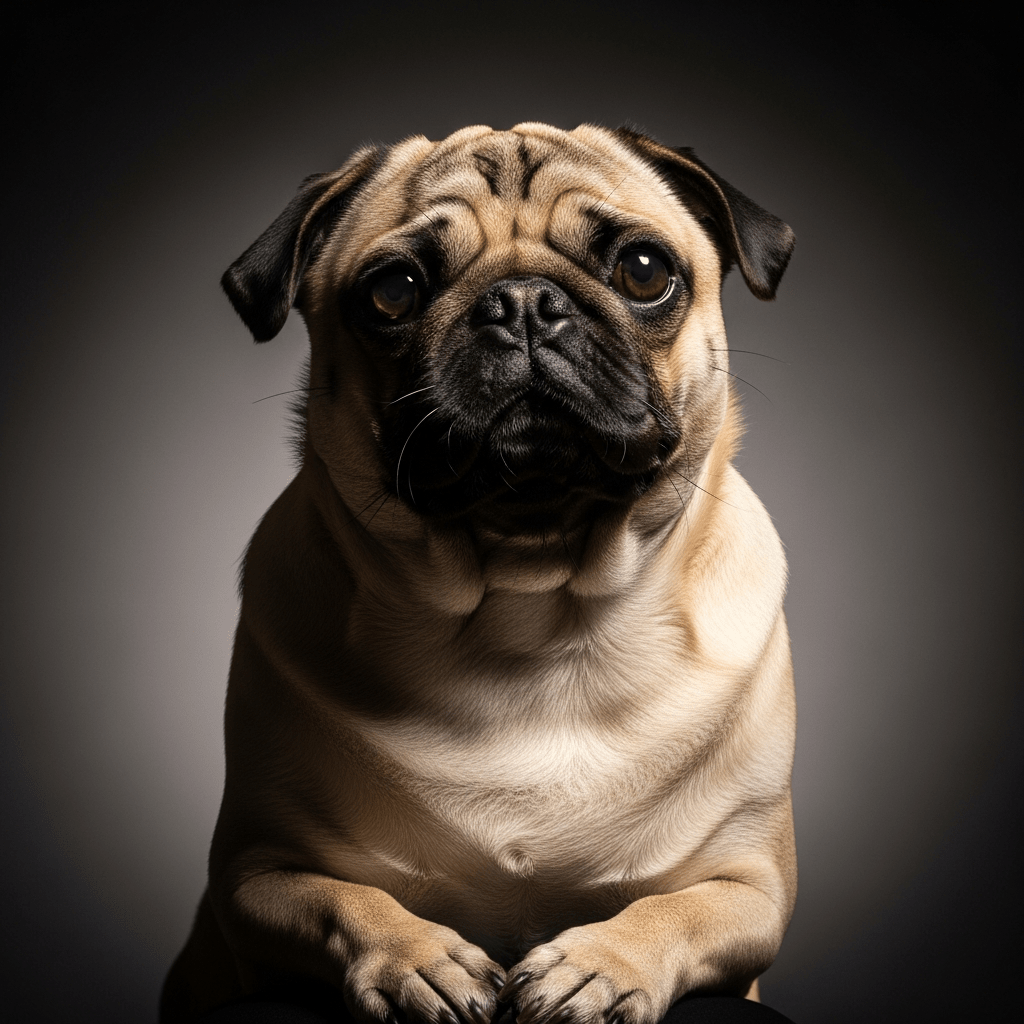
Pug
The Pug is a small, sturdy companion dog breed instantly recognizable for its wrinkled face, short muzzle, and curled tail, celebrated worldwide for its affectionate and sociable nature.
The Pug is a small, sturdy companion dog breed instantly recognizable for its wrinkled face, short muzzle, and curled tail, celebrated worldwide for its affectionate and sociable nature.
Pugs trace their roots to ancient China, where they were cherished as companions to royalty over two millennia ago. Dutch traders brought the breed to Europe in the 16th century, where it quickly became a favorite among nobility. Today’s Pug descends from these esteemed lines, with breed standards formalized by major kennel clubs around the world.
The Pug is classified within the toy group of dog breeds, a category defined by small stature and a primary role as companion animals. As a member of the species Canis lupus familiaris, Pugs share their taxonomy with all domesticated dogs, but stand apart for their unique physical and behavioral traits. Recognized by authorities such as the AKC, FCI, and The Kennel Club, the Pug’s status as a toy breed is universally accepted.
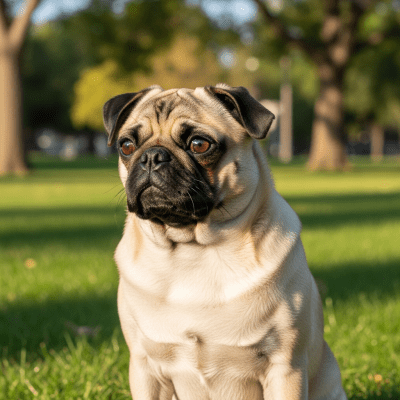
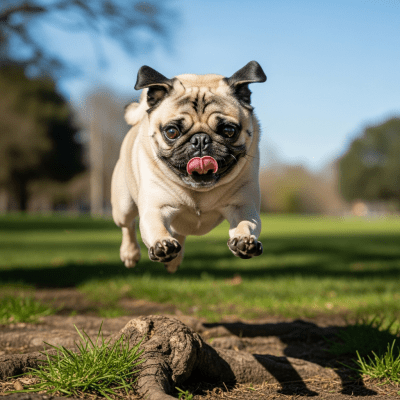
Pugs possess a compact, muscular body with a large, round head adorned by deep wrinkles and a distinctive short, flat muzzle. Their expressive, dark eyes and small, soft ears—either rose or button-shaped—give them a charming and alert look. The tail is tightly curled over the hip, and the coat is short, smooth, and glossy, available in shades of fawn, black, apricot, and silver. The breed’s overall impression is one of sturdy elegance and playful personality.
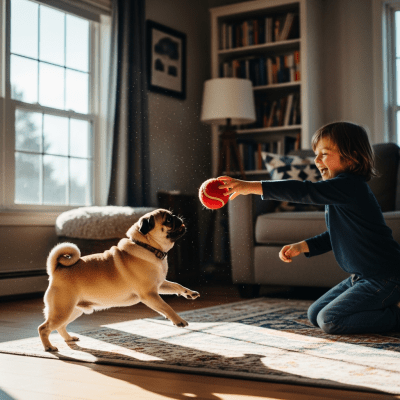
Renowned for their sociable and affectionate demeanor, Pugs thrive as companion animals. They are adaptable to a variety of living environments, including apartments and urban homes, and are known for moderate energy levels. Pugs enjoy close interaction with people, making them ideal family pets who delight in play and relaxation. Their primary function is companionship, and they are not typically used for working or sporting roles.
Bring this kind into your world illustrated posters, mugs, and shirts.
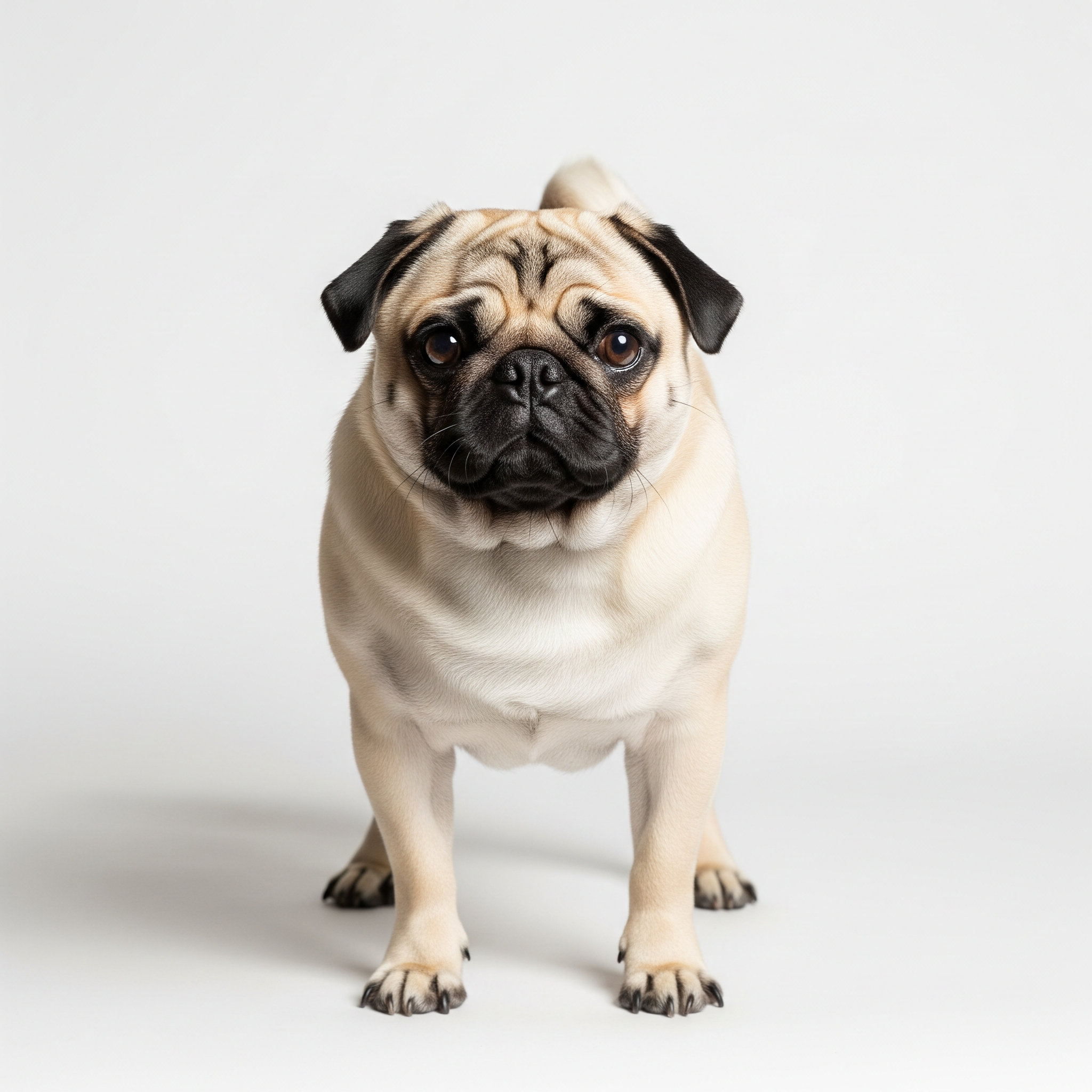
Archival print, museum-grade paper
Buy Poster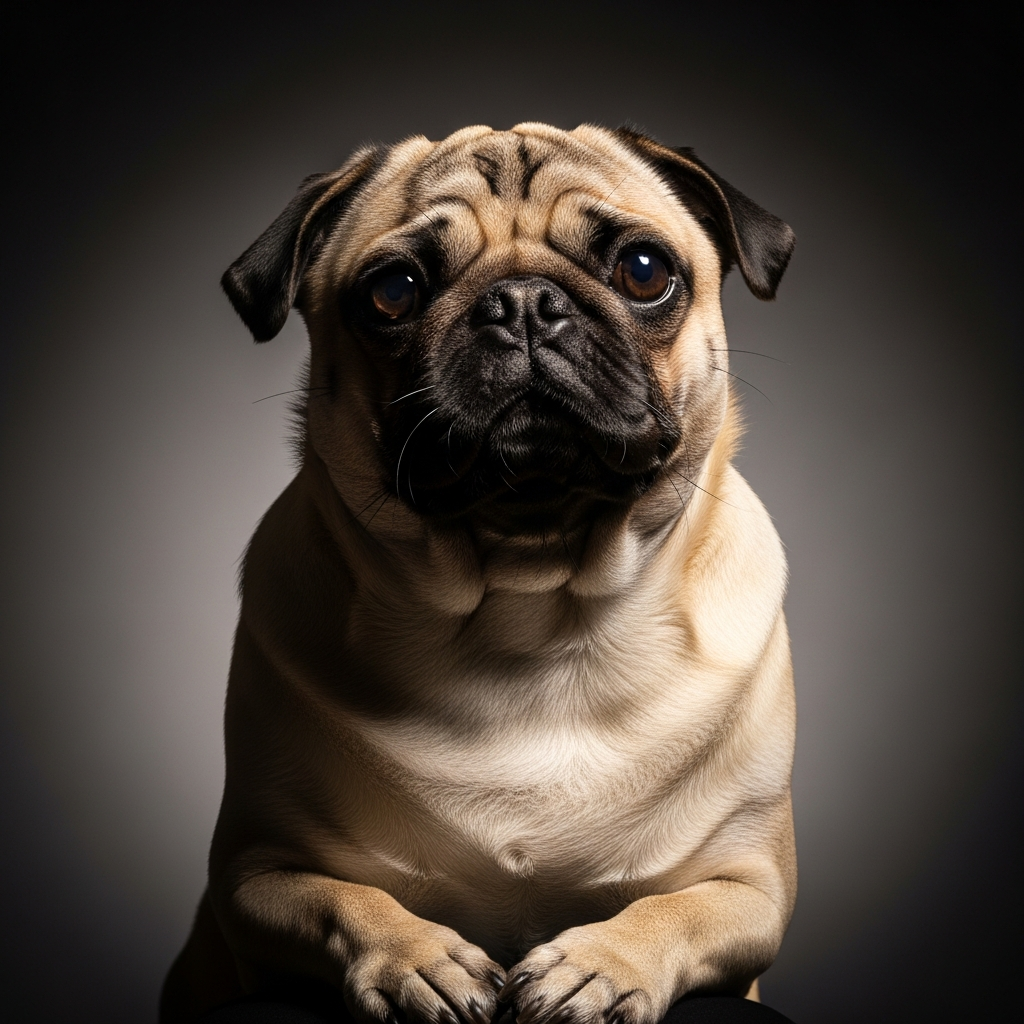
Stoneware mug, dishwasher safe
Buy Mug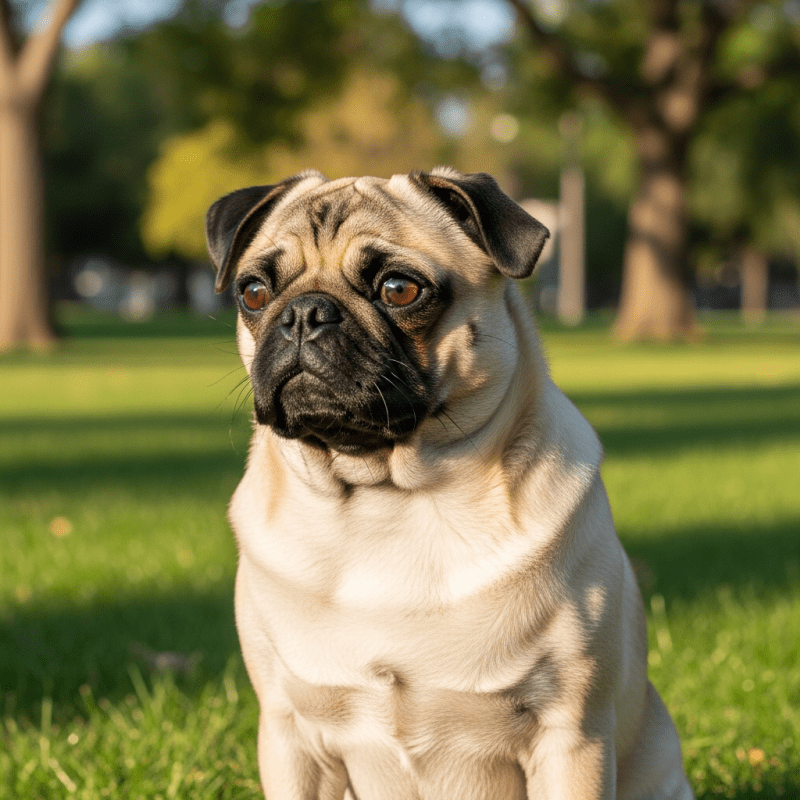
Soft cotton tee, unisex sizes
Buy ShirtPugs have held a place of honor in both Eastern and Western cultures, symbolizing luxury and affection since their days in imperial China. Their distinctive appearance and endearing temperament have made them popular in art, literature, and advertising. From royal portraits to modern movies and viral internet memes, the Pug’s expressive face and playful spirit have captured the imagination of dog lovers worldwide.
All major authorities recognize the Pug as a distinct breed, with standards formalized in the modern era.


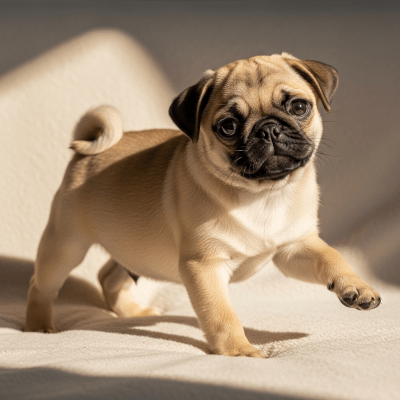
Pugs are classified as a small breed, typically standing 25–33 cm (10–13 inches) at the shoulder and weighing between 6.3–8.1 kg (14–18 pounds). Their compact build and moderate weight make them easy to handle and well-suited for indoor living.
The Pug’s coat is short, smooth, and glossy, requiring minimal grooming. Common colors include fawn, black, apricot, and silver, with a preference for a clear, uniform shade and a dark mask on the face. The coat’s texture is soft to the touch and sheds moderately year-round.
Pugs are celebrated for their sociable, affectionate, and playful temperament. They are intelligent and eager to please, but can display a stubborn streak, making training moderately easy with patience and positive reinforcement. Their gentle nature and adaptability make them excellent companions for families and singles alike.
Pugs are prone to several health issues, most notably respiratory difficulties due to their brachycephalic (short-muzzled) anatomy, as well as obesity and eye problems. While individual lifespans vary, Pugs typically live into their early teens with proper care. Regular veterinary attention and weight management are essential for maintaining their well-being.
The Pug’s primary role is as a companion and pet. They excel at providing affection, comfort, and entertainment to their owners. Unlike working or sporting breeds, Pugs are not used for herding, hunting, or guarding, but their loyal and loving nature makes them a favorite in homes around the world.
The Pug breed is globally harmonized, with minimal regional variants. While names such as "Mops" (German) or "Dutch Mastiff" (historical Europe) reflect local traditions, the breed’s appearance and standards remain consistent across major kennel clubs.