English Springer Spaniel
The English Springer Spaniel is a medium-sized, energetic sporting dog renowned for its intelligence, versatility, and affectionate nature.
The English Springer Spaniel is a medium-sized, energetic sporting dog renowned for its intelligence, versatility, and affectionate nature.
Originating in England in the 19th century, the English Springer Spaniel was developed as a distinct breed for flushing and retrieving game birds. Its lineage is closely tied to other spaniel types, notably the Norfolk or Shropshire Spaniel, and it shares a common ancestry with the Cocker Spaniel, differing mainly in size and field specialization. The breed was formally recognized by The Kennel Club (UK) in 1902 and by the American Kennel Club (AKC) in 1910, cementing its status as a premier gun dog.
The English Springer Spaniel belongs to the Canidae family, classified under the genus Canis and species Canis lupus familiaris. Within dog breed groupings, it is part of the Sporting Group as recognized by major kennel clubs, reflecting its heritage as a field and hunting companion. Its close relatives include other spaniels and the Cocker Spaniel, with which it shares much of its early development.
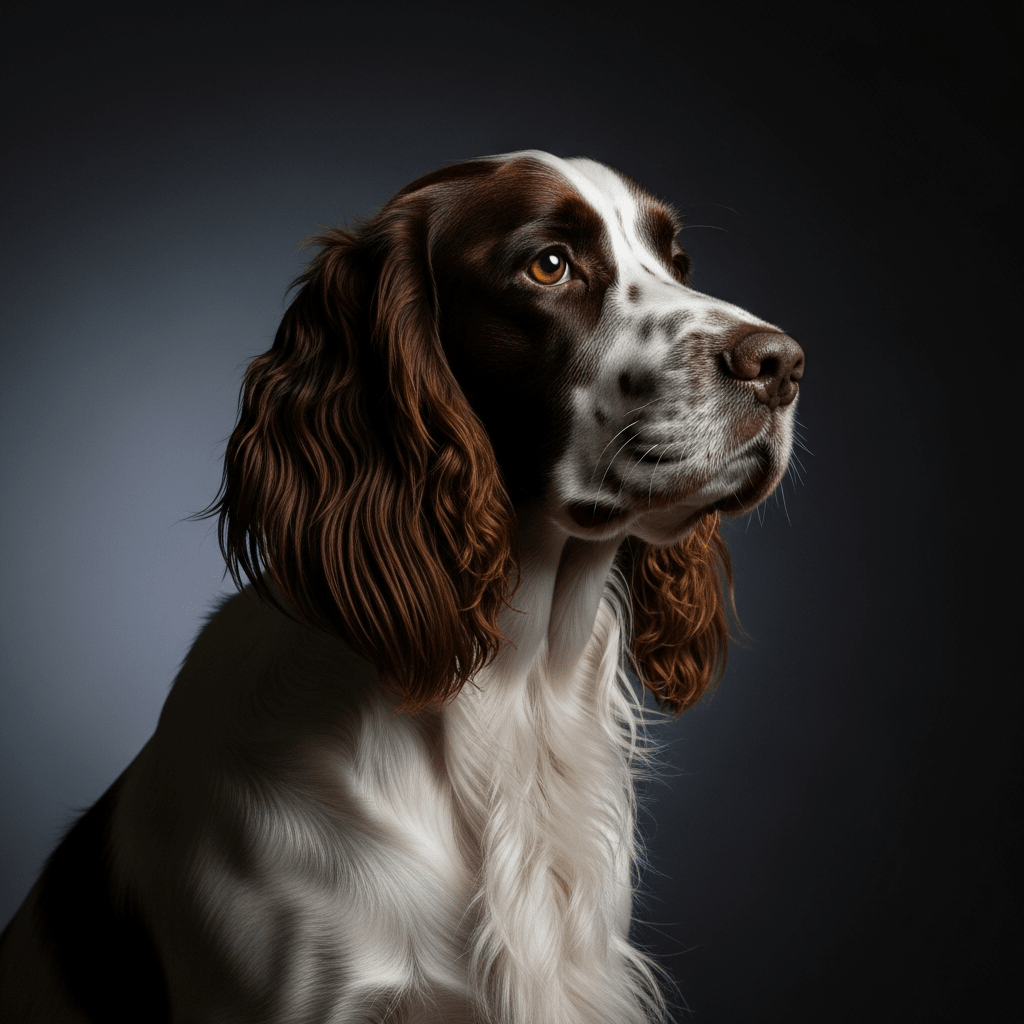
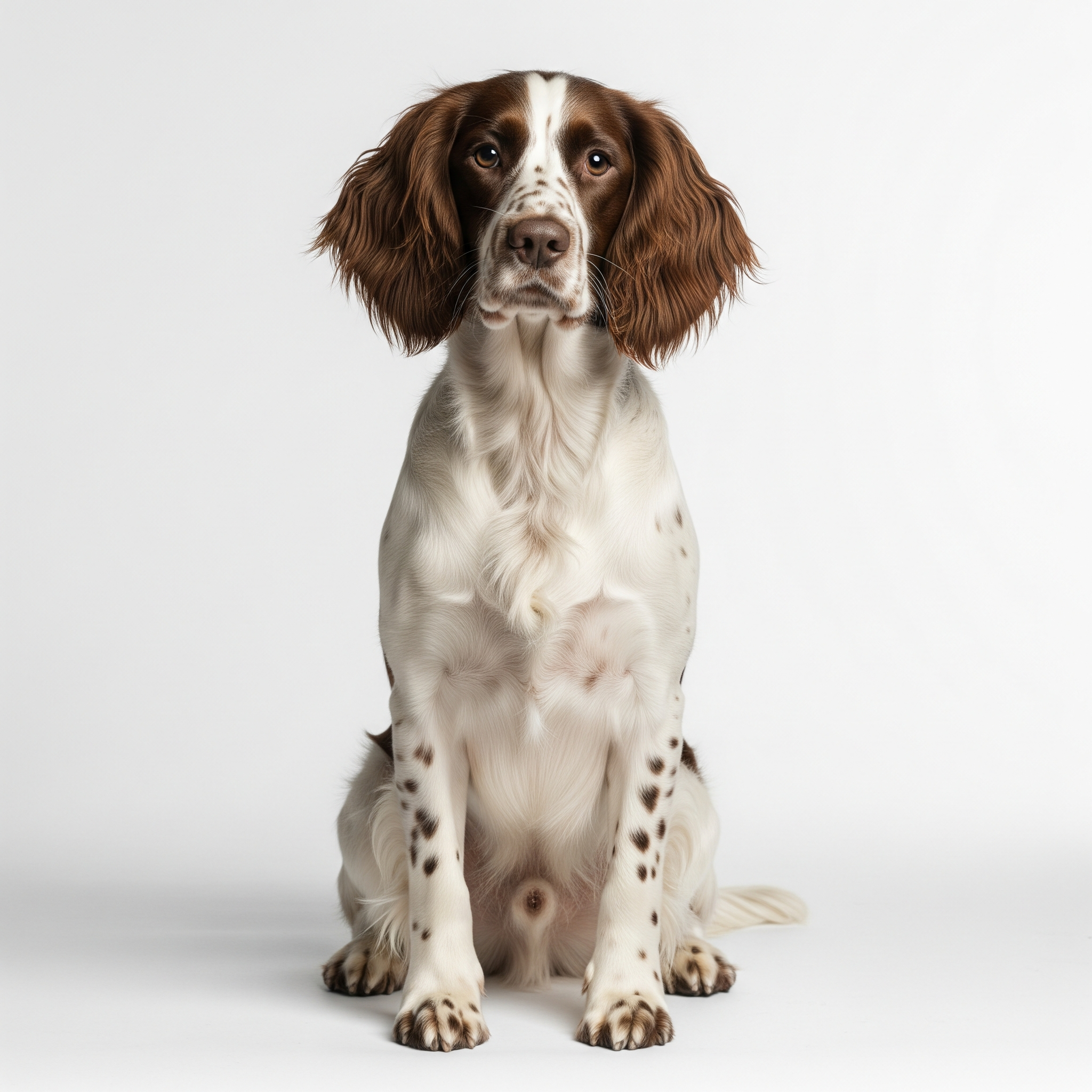
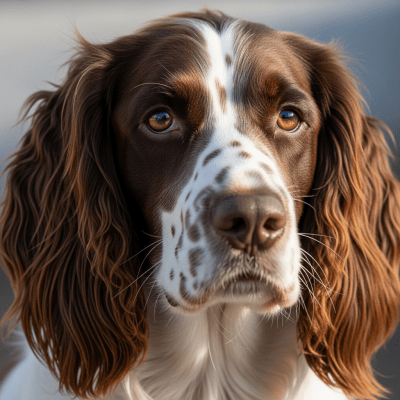
This breed exhibits a medium-sized, athletic build with strong legs and a balanced body. Its moderately long coat is flat or wavy, featuring distinctive feathering on the ears, legs, chest, and belly. Standard color patterns include black and white, liver and white, or tricolor (black/liver and white with tan points). The expressive eyes and lively demeanor contribute to its alert and friendly appearance.
English Springer Spaniels are celebrated for their energetic and adaptable temperament. Traditionally used for flushing and retrieving game birds, they excel in fieldwork due to their keen nose and stamina. Their intelligence and eagerness to please make them outstanding companions, and they are frequently seen in obedience, agility, and search-and-rescue roles. Regular exercise and mental stimulation are essential for their well-being.
Bring this kind into your world illustrated posters, mugs, and shirts.
Archival print, museum-grade paper
Buy Poster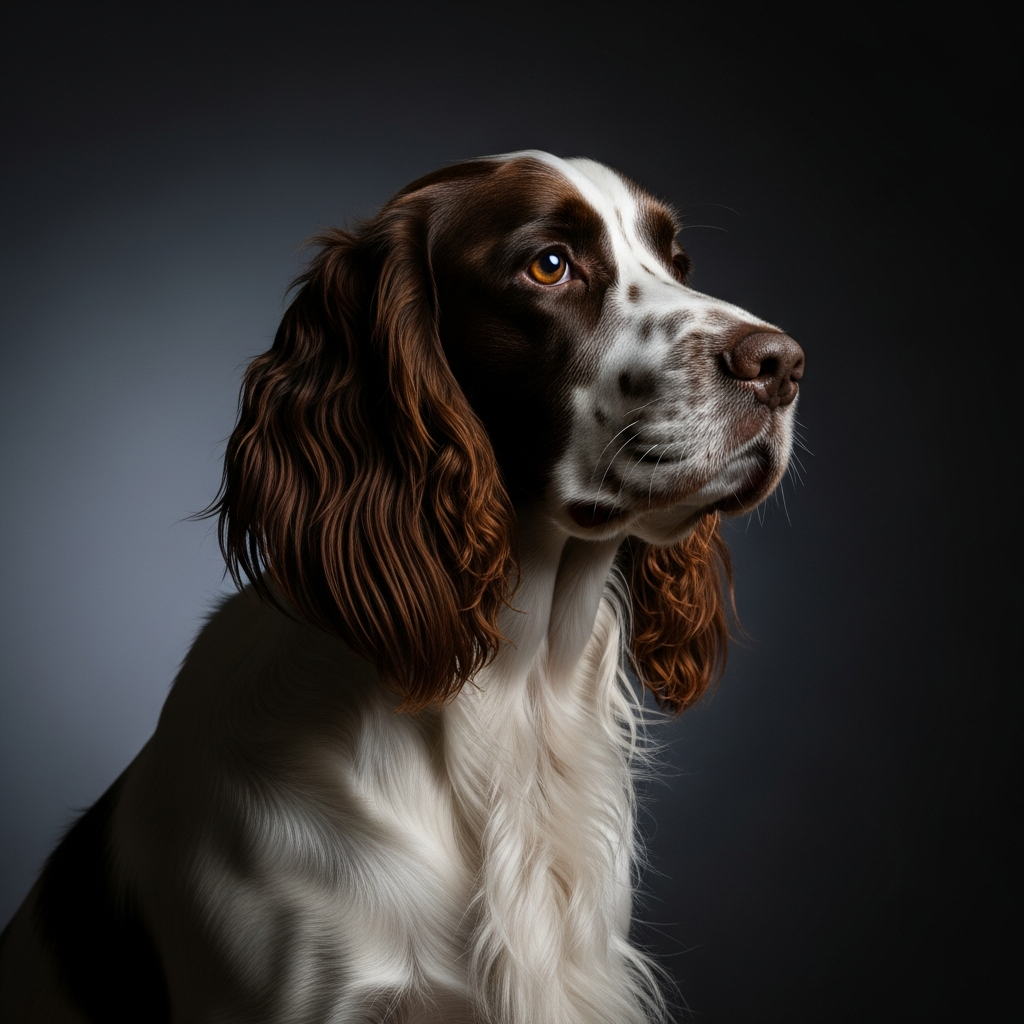
Stoneware mug, dishwasher safe
Buy Mug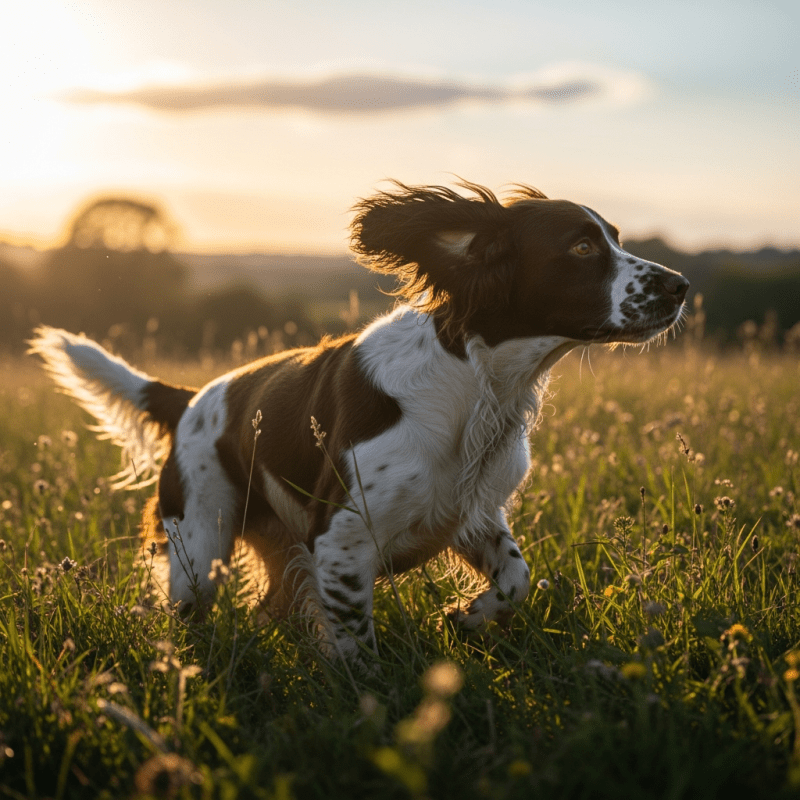
Soft cotton tee, unisex sizes
Buy ShirtThe English Springer Spaniel has long been a favorite among hunters and dog enthusiasts, often featured in British sporting art and literature. Its reputation for reliability and companionship has made it a beloved household pet, and its presence in competitive dog sports and working roles highlights its enduring appeal. While not mythologized, the breed’s contributions to fieldwork and family life are celebrated in modern culture.

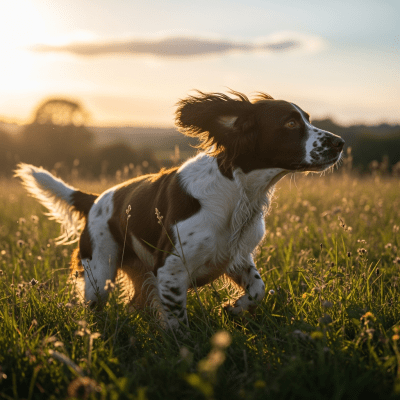

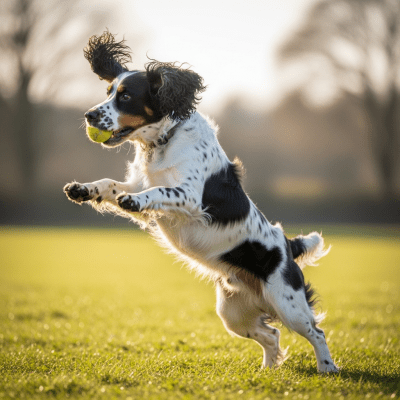

The English Springer Spaniel is a medium-sized breed, typically standing 48–51 cm (19–20 inches) at the shoulder and weighing 18–23 kg (40–50 pounds). Males are generally slightly larger than females. Their athletic frame supports their energetic lifestyle and working abilities.
The breed’s coat is moderately long, flat or wavy, and features elegant feathering on the ears, legs, chest, and belly. Common color patterns include black and white, liver and white, and tricolor (black/liver and white with tan points). Regular grooming helps maintain the coat’s health and appearance.
English Springer Spaniels are known for their energetic, friendly, and intelligent disposition. They are highly trainable, excelling in obedience, agility, and search-and-rescue activities. Their adaptability and eagerness to please make them suitable for both active families and working environments.
This breed typically lives 12–14 years. While generally robust, English Springer Spaniels may be prone to ear infections, hip dysplasia, and certain eye conditions. Regular veterinary care and attentive grooming are important for maintaining their health.
While the breed is recognized under the same name worldwide, there are two notable lines: field-bred and show-bred English Springer Spaniels. Field-bred lines tend to be more compact and focused on working ability, while show-bred lines emphasize conformation and appearance, often with more pronounced feathering and a slightly different build.