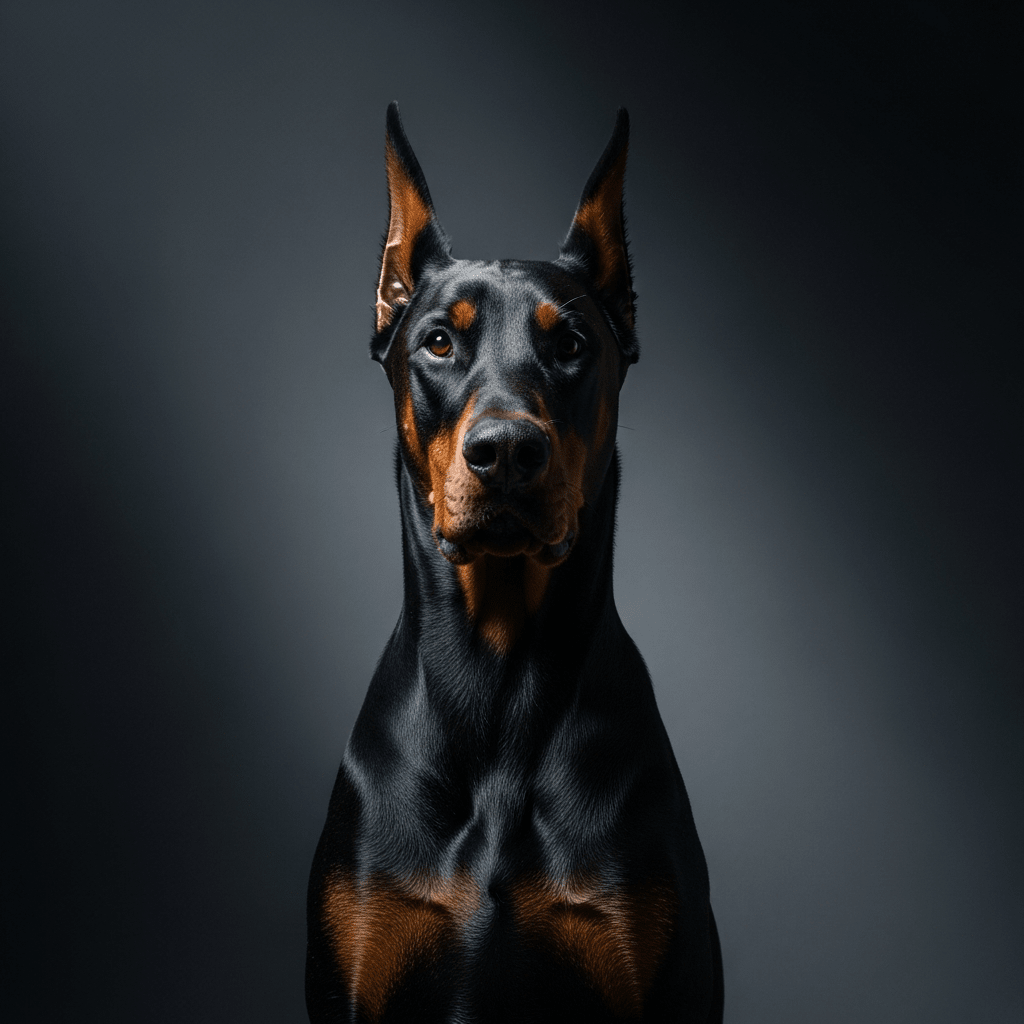
Doberman Pinscher
The Doberman Pinscher is a sleek, intelligent, and versatile breed, celebrated worldwide for its loyalty, alertness, and distinguished role as both a working and companion dog.
The Doberman Pinscher is a sleek, intelligent, and versatile breed, celebrated worldwide for its loyalty, alertness, and distinguished role as both a working and companion dog.
The Doberman Pinscher originated in Germany during the late 19th century, crafted by Karl Friedrich Louis Dobermann, a tax collector seeking a vigilant yet manageable protector. Drawing from breeds such as the Rottweiler, German Pinscher, Greyhound, Weimaraner, and possibly Manchester Terrier, Dobermann aimed to create a dog that combined strength, speed, and unwavering loyalty. The breed’s precise genetic makeup remains a topic of discussion, but its purposeful development for protection and companionship is undisputed.
Belonging to the Canidae family, the Doberman Pinscher is classified as a member of the species Canis lupus familiaris. Within recognized breed groupings, it is typically placed in the Working Group by major authorities such as the American Kennel Club (AKC) and the Fédération Cynologique Internationale (FCI), reflecting its historical and ongoing roles in protection, service, and utility.
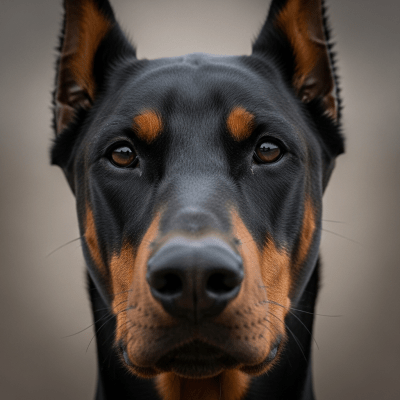
The Doberman Pinscher presents a striking silhouette: a square, athletic frame with a deep chest, sleek muscles, and a proud, alert posture. Its short, smooth coat accentuates the breed’s refined lines, most often seen in black with rust markings, though blue, red, and fawn variants exist. Ears are traditionally cropped and tails docked in some regions, but natural forms—uncropped ears and undocked tails—are increasingly accepted. The breed’s overall impression is one of elegance, power, and readiness.
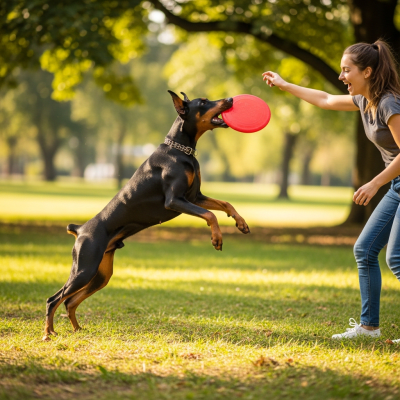
Renowned for their intelligence and adaptability, Doberman Pinschers excel in a variety of roles: personal protection, police and military work, search and rescue, therapy, and as loyal family companions. Their keen senses and energetic disposition make them highly effective working dogs, while their devotion and affectionate nature foster strong bonds with owners. Regular exercise and mental stimulation are essential to keep this breed engaged and content.
Bring this kind into your world illustrated posters, mugs, and shirts.
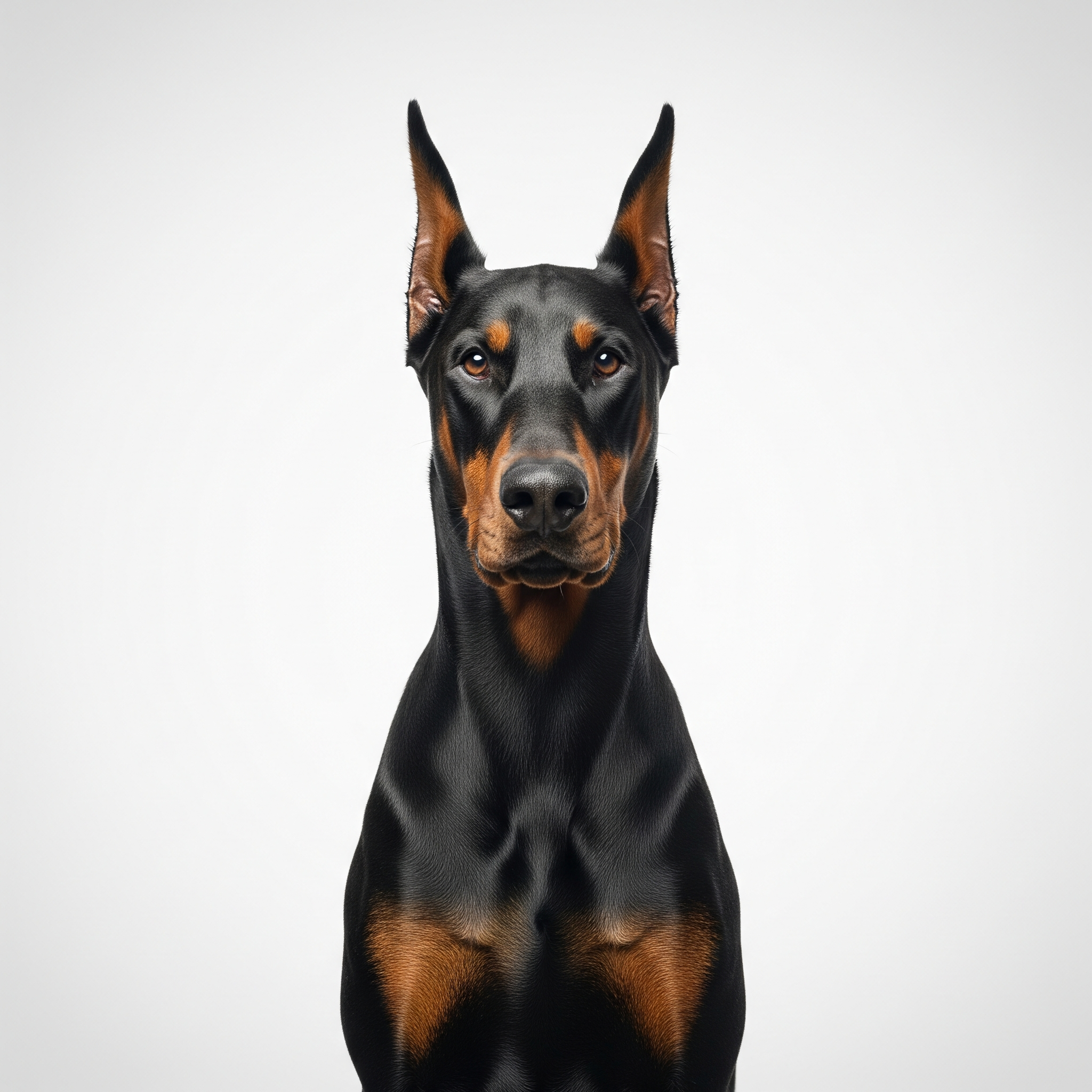
Archival print, museum-grade paper
Buy Poster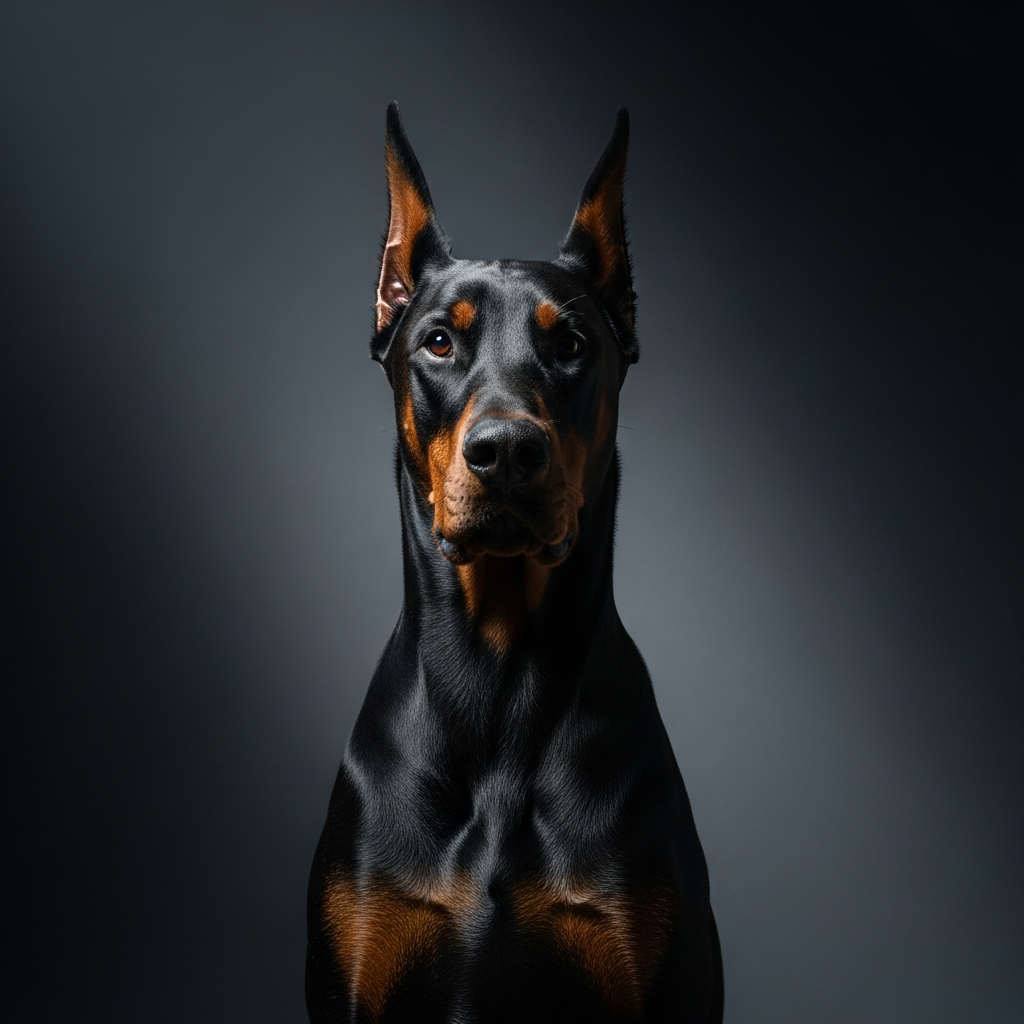
Stoneware mug, dishwasher safe
Buy Mug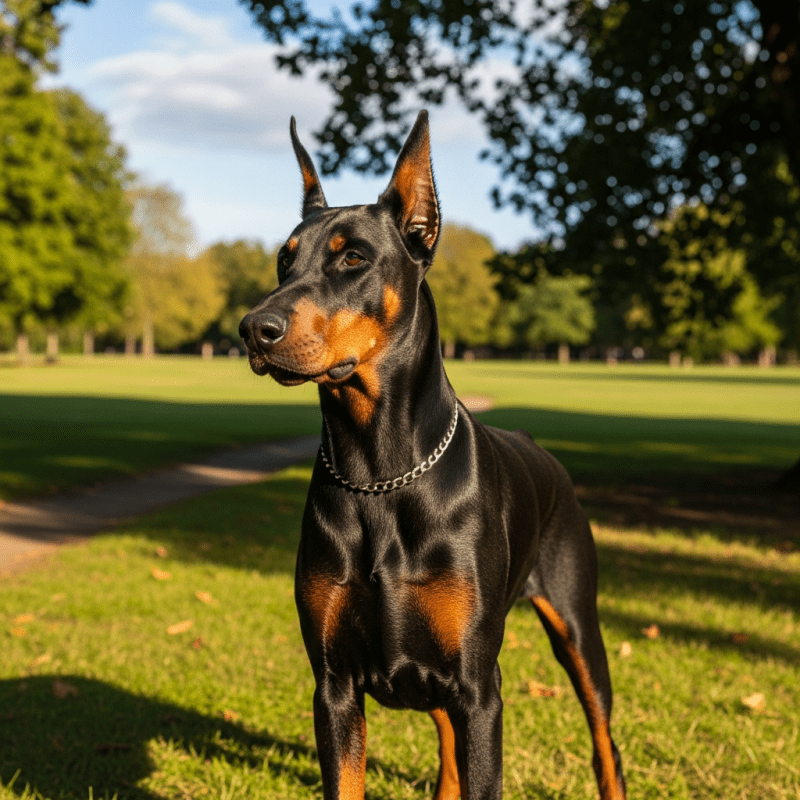
Soft cotton tee, unisex sizes
Buy ShirtThe Doberman Pinscher’s image is a global symbol of strength, vigilance, and loyalty. Frequently featured in film, television, and advertising, the breed embodies both elegance and authority. Its reputation as a protector has made it a fixture in narratives about security and heroism, while its presence in therapy and service work highlights its gentle, intelligent side. The Doberman’s cultural impact spans from popular media to real-world service, reinforcing its status as one of the world’s most iconic breeds.
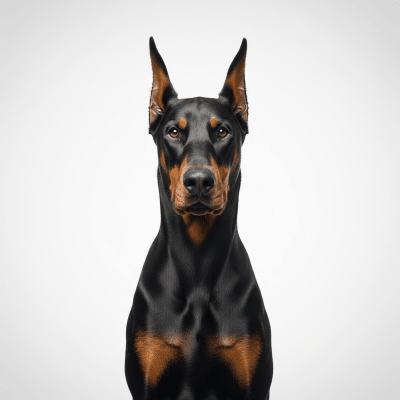
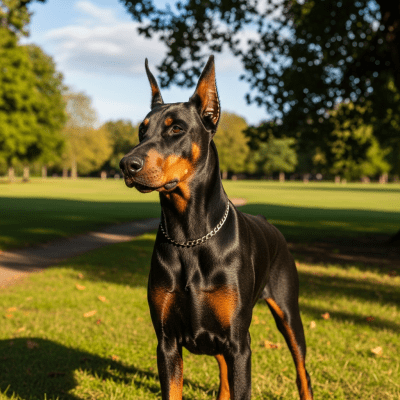
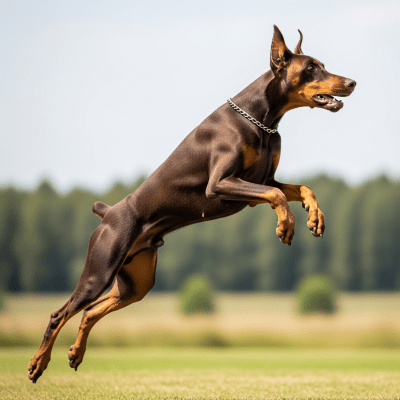

The Doberman Pinscher is classified as a large breed, typically standing 61–71 cm (24–28 inches) at the shoulder and weighing 27–45 kg (60–100 pounds). Its build is muscular and athletic, designed for both speed and power.
The Doberman’s coat is short, smooth, and close-fitting, requiring minimal grooming. Recognized colors include black with rust markings, blue, red, and fawn, all featuring distinctive rust accents on the muzzle, chest, and legs.
Doberman Pinschers are celebrated for their loyalty, intelligence, and versatility. They are highly trainable and responsive, thriving on structured learning and active engagement. Their energetic nature and alertness make them excellent working dogs, while their affectionate side ensures strong bonds with owners.
The average lifespan of a Doberman Pinscher is 10–13 years. While generally robust, the breed may be predisposed to health issues such as dilated cardiomyopathy, von Willebrand’s disease, and hip dysplasia. Regular veterinary care and responsible breeding practices can help mitigate these risks.
Regional standards differ, particularly regarding ear cropping and tail docking. Many European countries have banned these practices, leading to a prevalence of Dobermans with natural ears and tails. Breed standards may also vary slightly between major kennel clubs, reflecting local preferences and regulations.