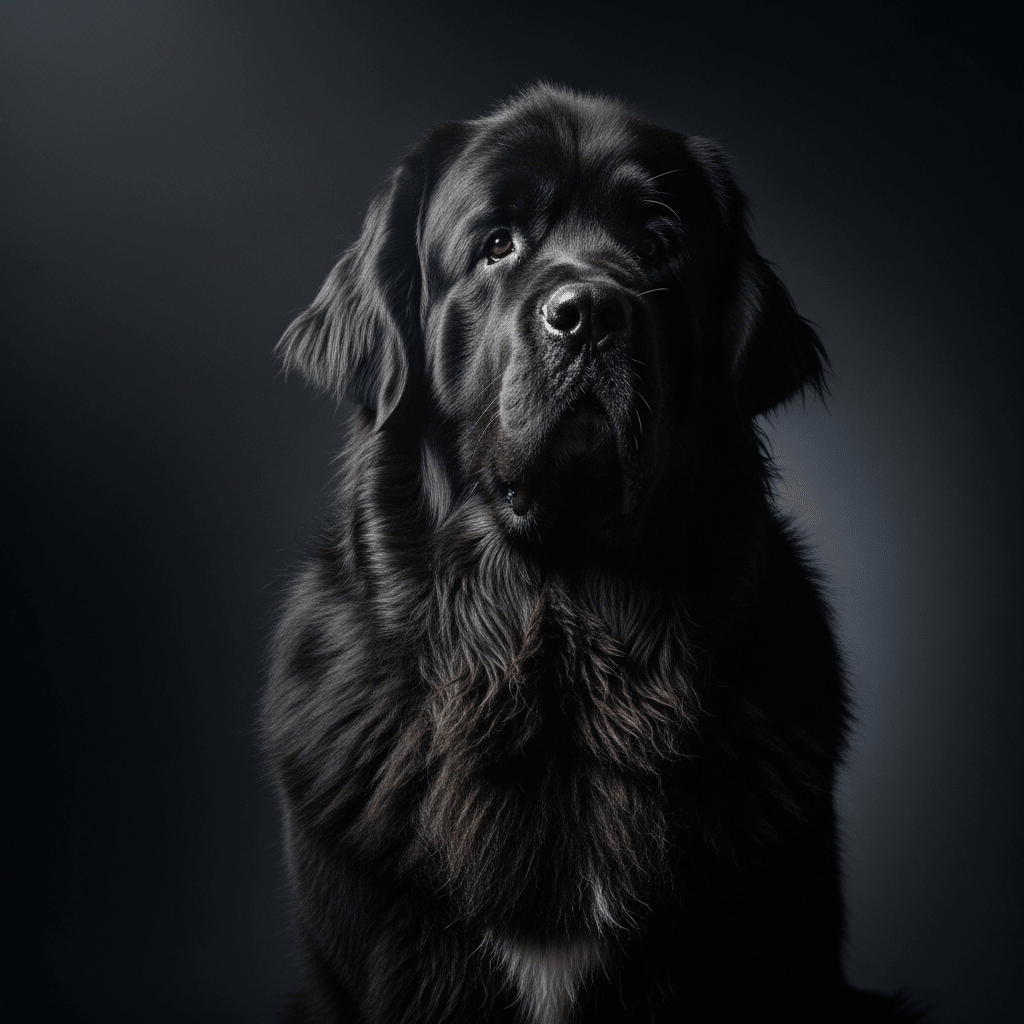
Newfoundland
The Newfoundland is a giant, powerful working dog breed famed for its gentle nature, impressive strength, and remarkable swimming ability.
The Newfoundland is a giant, powerful working dog breed famed for its gentle nature, impressive strength, and remarkable swimming ability.
Originating on the rugged island of Newfoundland, Canada, the Newfoundland breed traces its roots to at least the 18th century. Developed from indigenous working dogs and likely crossed with European breeds such as the St. John’s water dog and mastiff-types brought by fishermen, the breed was refined for versatility and resilience in harsh maritime conditions. Standardization occurred in the 19th century, and the breed was officially recognized by the American Kennel Club in 1886, cementing its legacy as a water rescue and companion dog.
The Newfoundland belongs to the Canis lupus familiaris species, classified within the working group by major kennel clubs. It is recognized for its utility in water rescue and draft work, and stands out among giant breeds for its combination of strength, stamina, and docility.
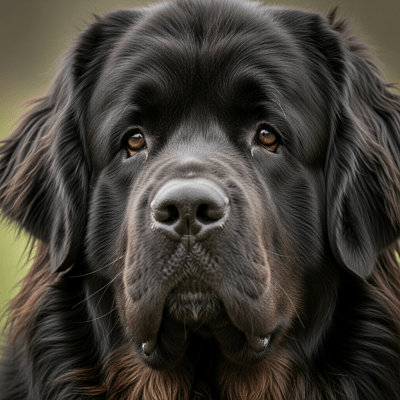
Newfoundlands are instantly recognizable for their massive, muscular build, broad head, and expressive dark brown eyes. Their dense, water-resistant double coat—found in black, brown, gray, and Landseer (white with black markings)—protects them in cold, wet environments. Notable features include webbed feet for swimming, a strong tail used for steering in water, and a short, square muzzle. Their overall form radiates power and gentleness.
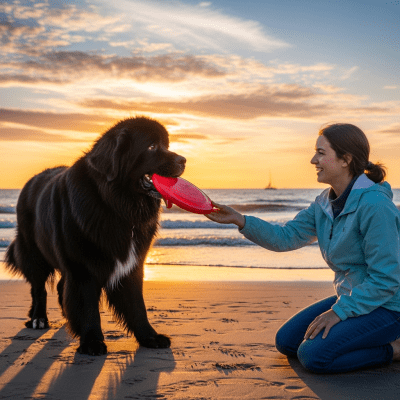
Renowned for their calm, patient demeanor, Newfoundlands excel as family companions and working dogs. Historically, they assisted fishermen by hauling nets, retrieving objects, and performing life-saving water rescues. Today, they are valued in water sports, therapy, and search and rescue roles, thanks to their intelligence, trainability, and steadfast temperament.
Bring this kind into your world illustrated posters, mugs, and shirts.
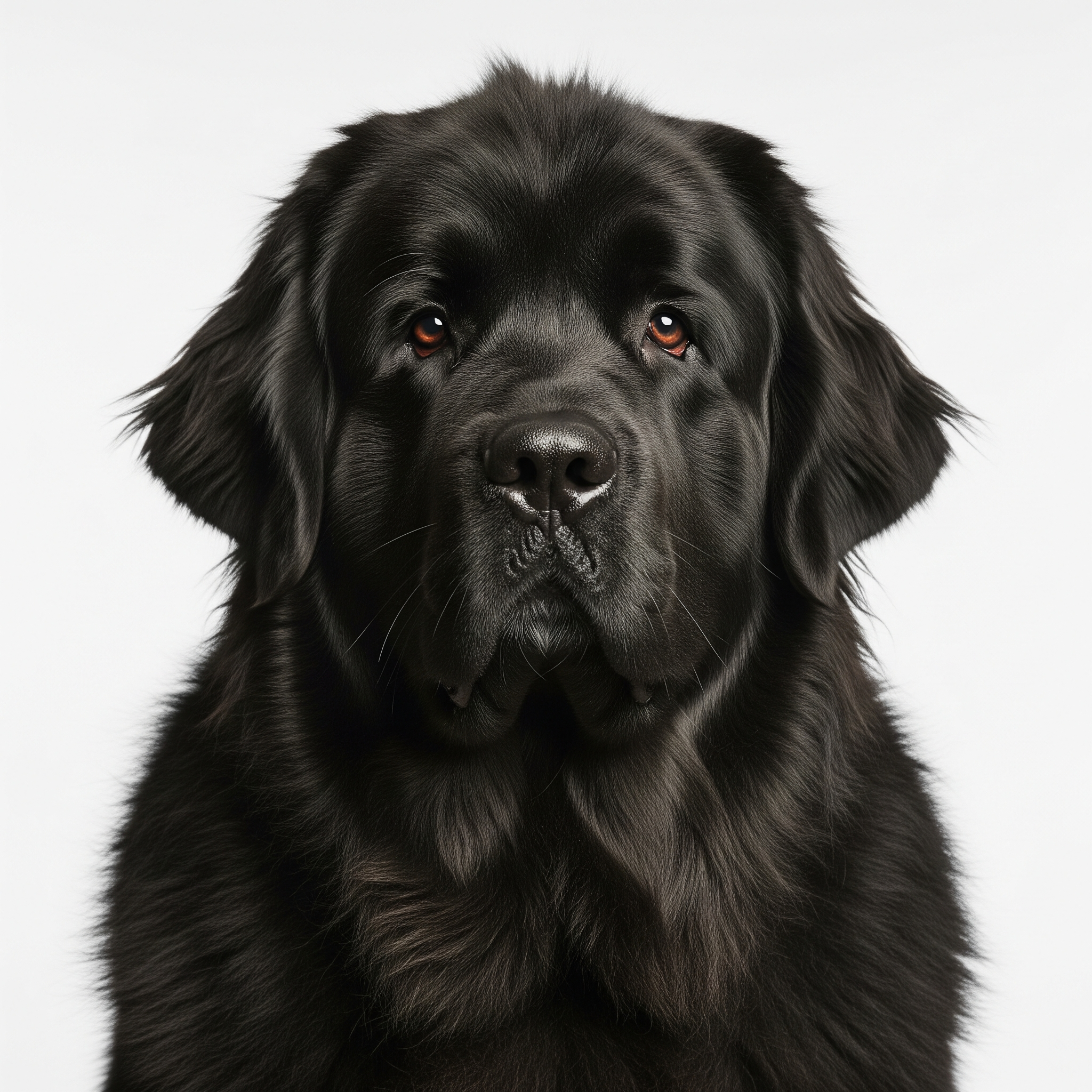
Archival print, museum-grade paper
Buy Poster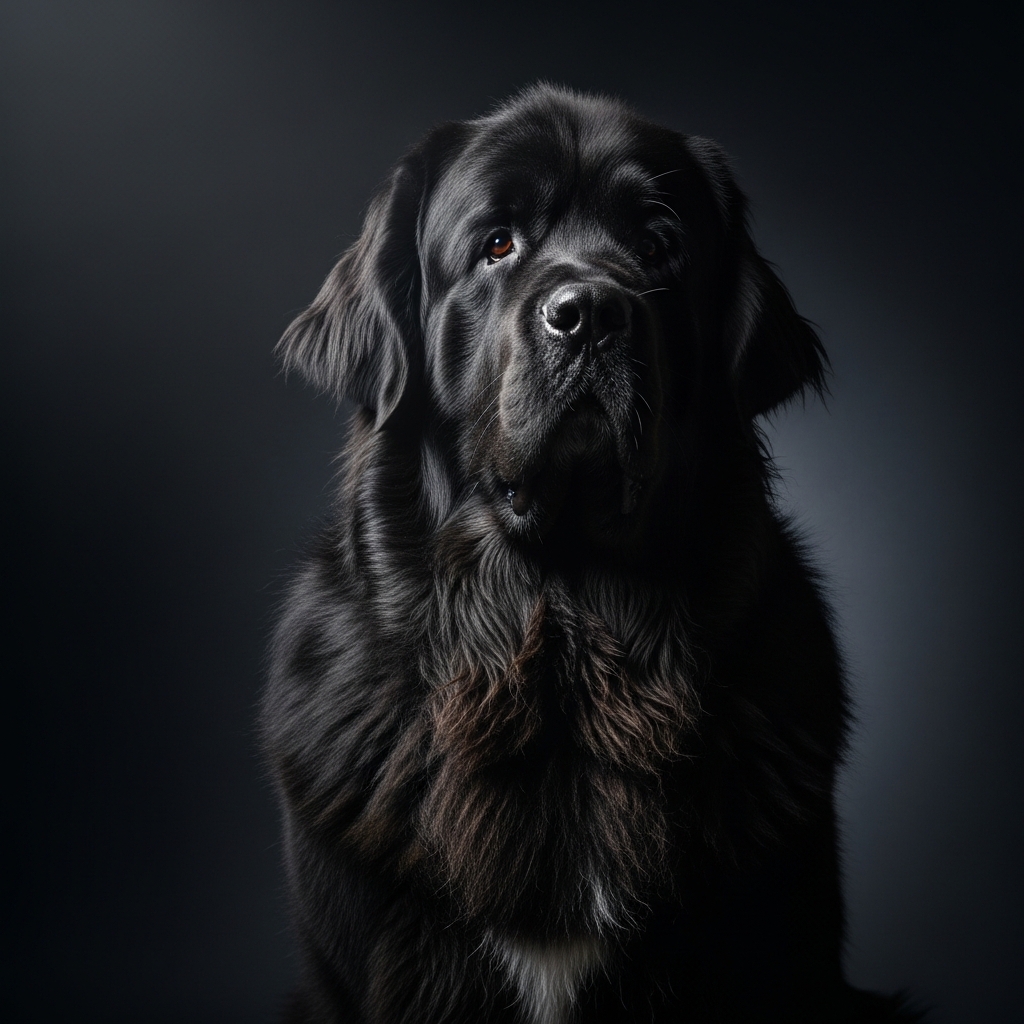
Stoneware mug, dishwasher safe
Buy Mug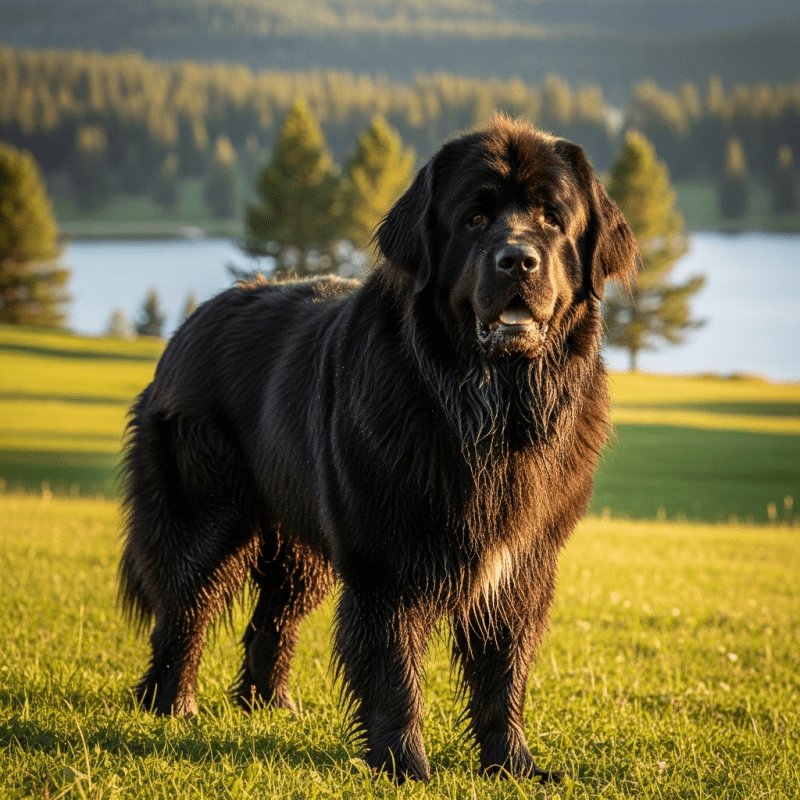
Soft cotton tee, unisex sizes
Buy ShirtThe Newfoundland’s heroic reputation in water rescue has made it a symbol of bravery and loyalty in maritime lore. Its image appears in literature, art, and popular culture, often celebrated for its gentle giant persona and life-saving exploits. The Landseer variant, immortalized in paintings by Sir Edwin Landseer, further enhances the breed’s cultural footprint.
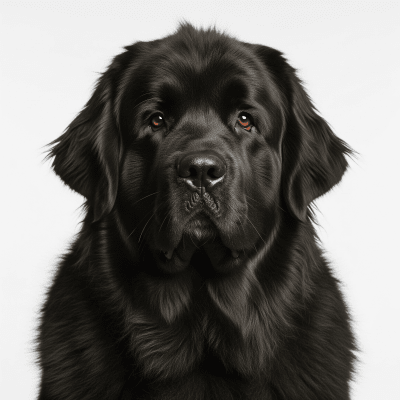
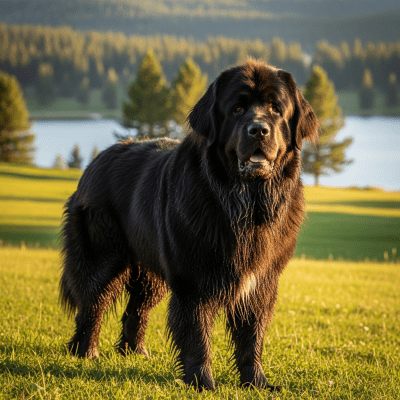
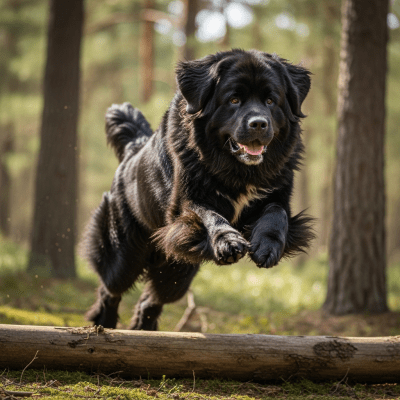
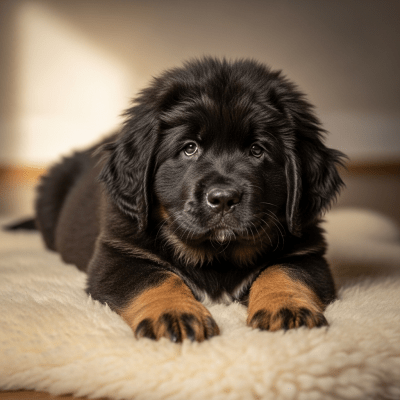
The Newfoundland is a giant breed. Males stand 66–71 cm (26–28 in) tall at the shoulder and weigh 59–68 kg (130–150 lbs); females are 61–66 cm (24–26 in) tall and weigh 45–54 kg (100–120 lbs). Their substantial bone and muscle mass contribute to their powerful presence.
Newfoundlands sport a dense, water-resistant double coat that provides insulation and protection. Common colors include black, brown, gray, and Landseer (white with black markings). The coat requires regular grooming to manage shedding and maintain its water-repellent qualities.
Gentle, patient, and calm, Newfoundlands are celebrated for their trustworthy disposition. Their intelligence and eagerness to please make them generally easy to train, especially with positive reinforcement. They thrive in environments where they can bond closely with their families.
Newfoundlands typically live 8–10 years. Common health concerns include hip dysplasia, subvalvular aortic stenosis (a heart condition), and cystinuria. Responsible breeding and regular veterinary care are important to maintain their well-being.
Historically, Newfoundlands were indispensable to fishermen, and today they continue to excel in roles that require strength, endurance, and a gentle touch.
The Landseer (European Continental Type) is recognized as a distinct breed by the FCI, featuring a white coat with black markings. In North America, "Landseer" refers to a color pattern within the Newfoundland breed, not a separate breed. These distinctions highlight regional differences in breed standards and classification.