Keeshond
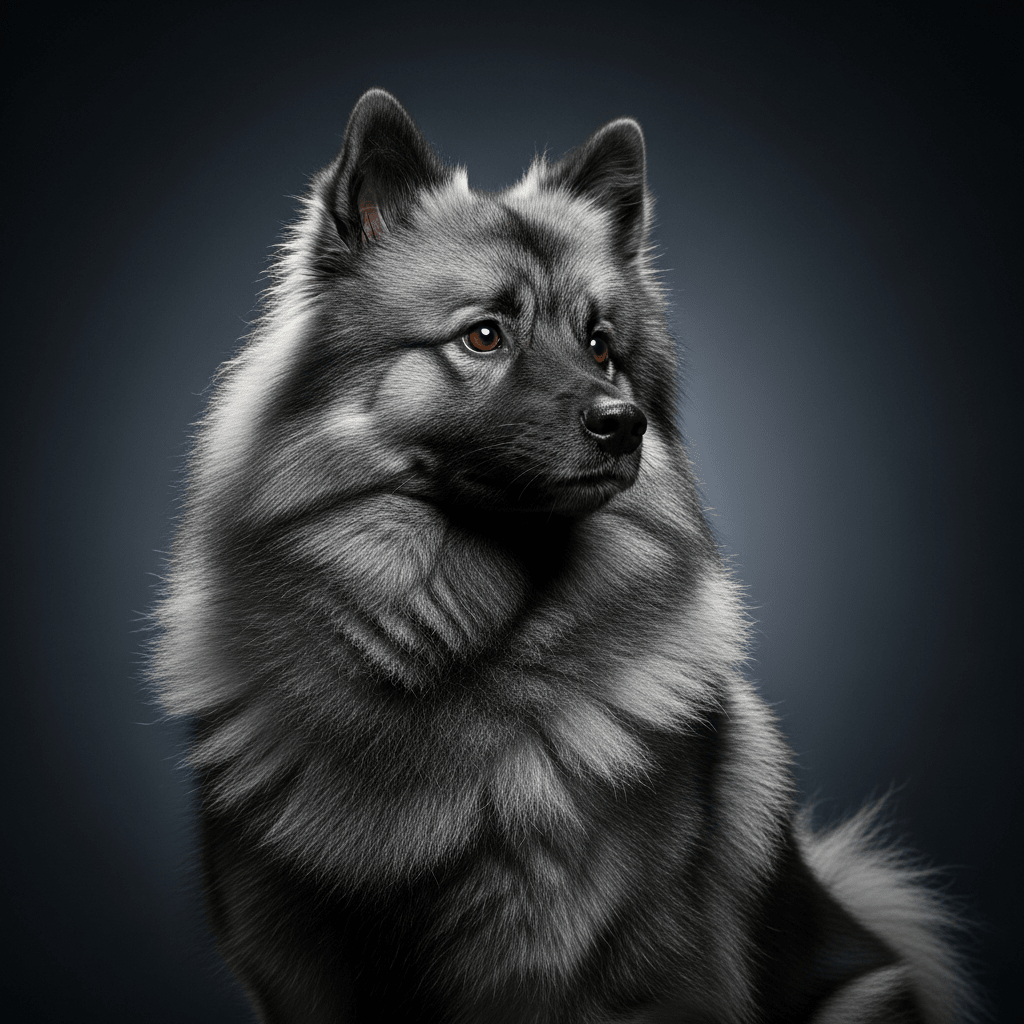
The Keeshond is a medium-sized, spitz-type companion dog renowned for its plush double coat, distinctive "spectacles" facial markings, and lively, affectionate nature.
The Keeshond is a medium-sized, spitz-type companion dog renowned for its plush double coat, distinctive "spectacles" facial markings, and lively, affectionate nature.
Originating in the Netherlands during the 18th century, the Keeshond became a symbol of Dutch patriotism amid political unrest, notably linked to the Patriot Party. Descended from northern European spitz-type dogs, it developed as a recognizable breed without a single credited founder, thriving as a beloved barge dog and family companion along Dutch waterways.
The Keeshond belongs to the broader family of domestic dogs (Canis lupus familiaris) and is classified as a spitz-type breed. Major authorities, such as the American Kennel Club (AKC) and Fédération Cynologique Internationale (FCI), place it in the Non-Sporting Group (AKC) and Group 5: Spitz and Primitive Types (FCI), reflecting its northern European heritage and distinctive physical traits.
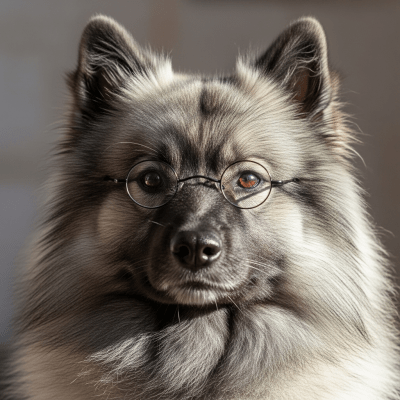
The Keeshond presents a compact, well-proportioned silhouette, standing 43–46 cm at the shoulder and weighing 16–20 kg. Its most striking features are a luxurious double coat—dense, woolly undercoat topped by a longer, harsh outer layer—and the unique "spectacles" markings around expressive eyes. The bushy tail curls elegantly over the back, and the overall impression is one of plushness and alert charm.
Historically valued as a vigilant watchdog and loyal companion on Dutch riverboats and barges, the Keeshond is celebrated today for its sociable, affectionate temperament. It excels in obedience, agility, and therapy work, engaging actively with families and adapting well to both urban and rural environments. Its moderate energy levels and friendly disposition make it an ideal companion for a wide range of households.
Bring this kind into your world illustrated posters, mugs, and shirts.
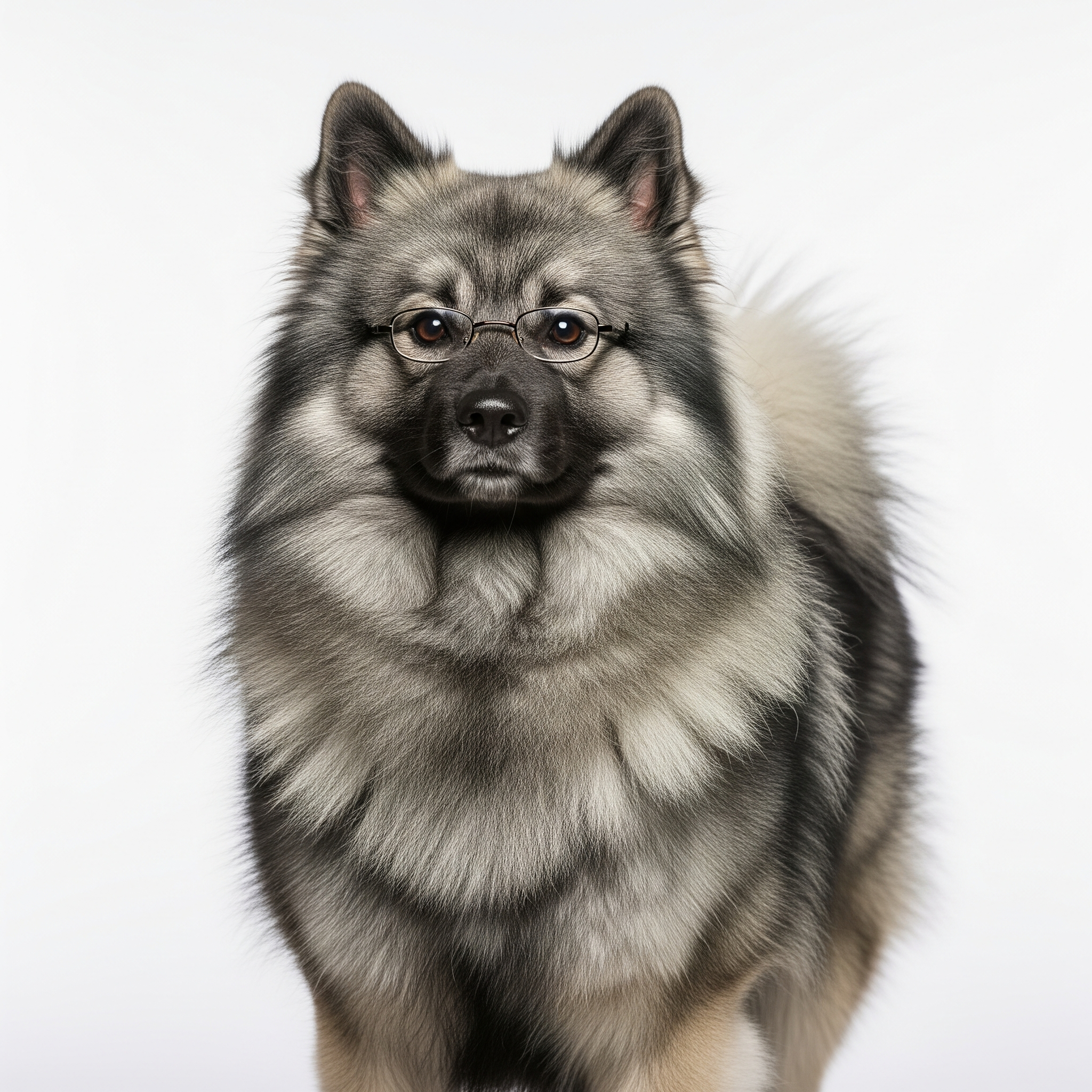
Archival print, museum-grade paper
Buy Poster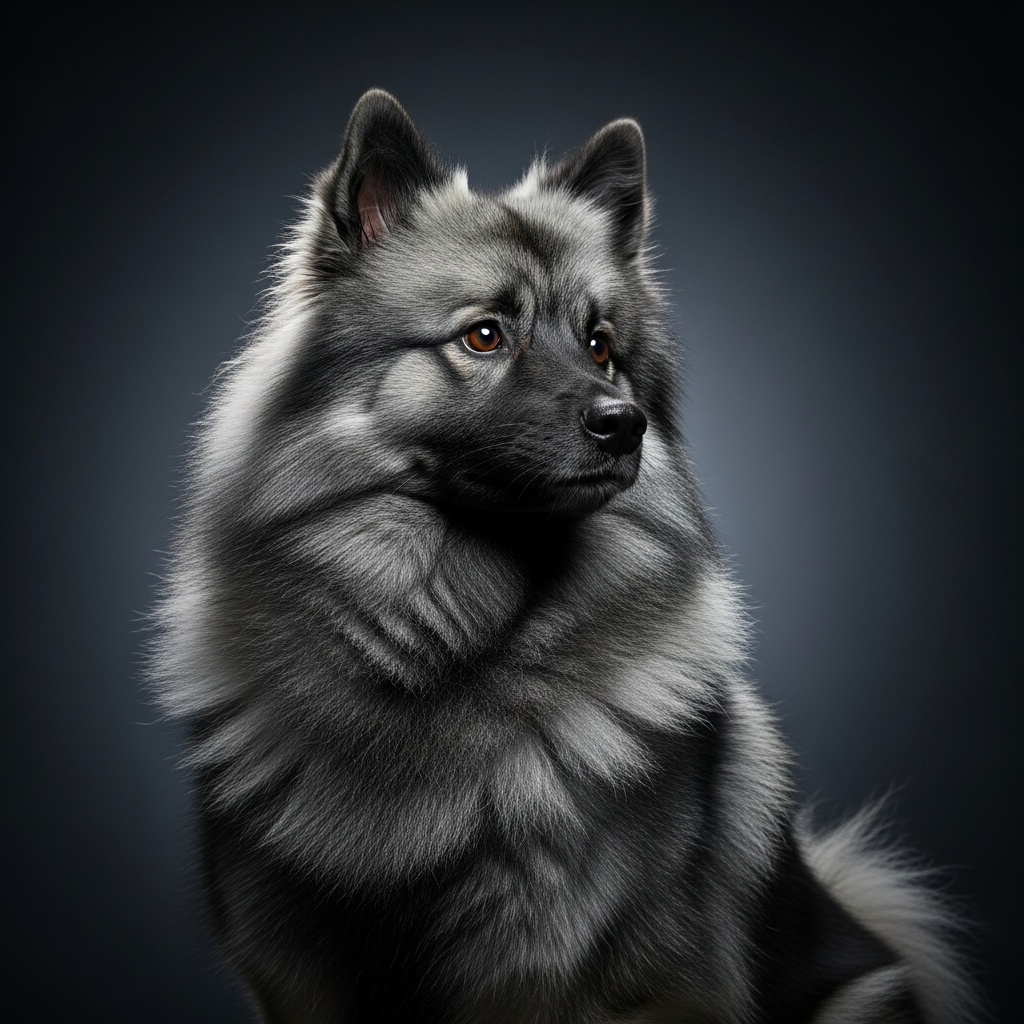
Stoneware mug, dishwasher safe
Buy Mug
Soft cotton tee, unisex sizes
Buy ShirtThe Keeshond holds a special place in Dutch history, symbolizing the Patriot Party during the political upheavals of the late 1700s. Its image as the "Dutch Barge Dog" evokes scenes of bustling waterways and loyal companionship. In modern culture, the breed is celebrated for its cheerful demeanor and iconic facial markings, often featured in art and breed showcases.

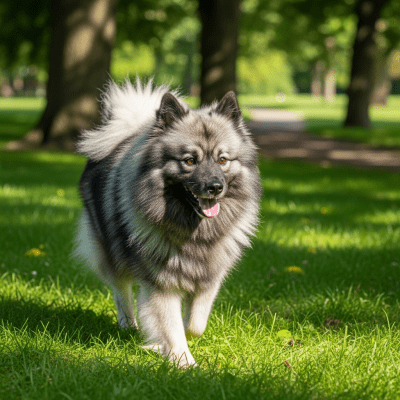
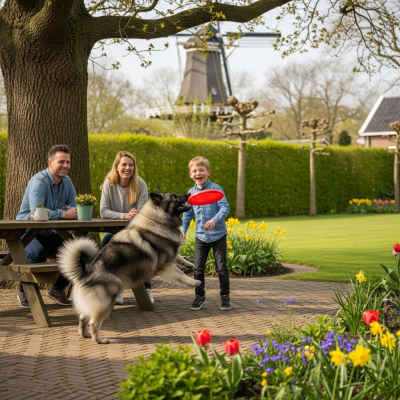
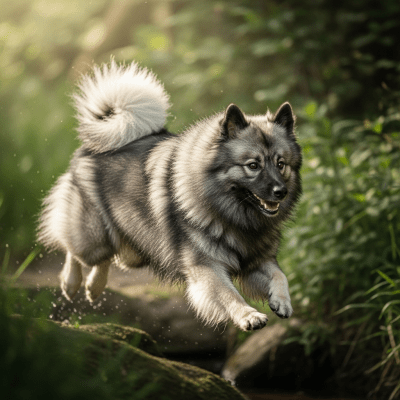
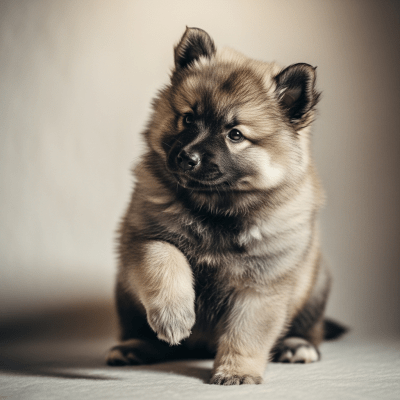
The Keeshond is a medium-sized breed, typically standing 43–46 cm (17–18 inches) at the shoulder and weighing 16–20 kg (35–45 pounds). Its compact, sturdy build supports agility and resilience.
The breed boasts a luxurious double coat: a dense, woolly undercoat and a longer, harsh outer coat. Common colors include shades of gray, black, and cream, with the signature "spectacles" markings accentuating the eyes.
Keeshonden are lively, affectionate, and highly sociable. They are alert and adaptable, making them excellent watchdogs and companions. Their intelligence and eagerness to please allow them to excel in obedience, agility, and therapy work, responding well to positive training methods.
The Keeshond is generally robust, with few breed-specific health concerns. Potential issues include hip dysplasia and hereditary eye conditions. Lifespan typically ranges from 12 to 15 years, with regular grooming and veterinary care supporting long-term health.
In continental Europe, the Keeshond is often referred to as the "Wolfspitz," with minor differences in size and coat presentation according to regional standards. However, major distinctions between variants are minimal, and the breed's core traits remain consistent worldwide.