
Shetland Sheepdog
The Shetland Sheepdog is a small to medium-sized herding breed celebrated for its intelligence, agility, and affectionate nature, often recognized by its luxurious double coat and striking resemblance to a miniature Rough Collie.
The Shetland Sheepdog is a small to medium-sized herding breed celebrated for its intelligence, agility, and affectionate nature, often recognized by its luxurious double coat and striking resemblance to a miniature Rough Collie.
Originating in the rugged Shetland Islands of Scotland, the Shetland Sheepdog was developed in the early 20th century by local farmers who bred small herding dogs to manage sheep and ponies. The breed was refined through crosses with Rough Collies and other small working dogs, resulting in a compact, agile companion suited to the island's challenging terrain. Official recognition followed in the UK in 1909 and in the US in 1911, marking the Sheltie's rise as a distinct breed.
The Shetland Sheepdog belongs to the herding group within the broader taxonomy of domesticated dogs (Canis lupus familiaris). It is closely related to the Rough Collie and shares the classic traits of herding breeds: intelligence, responsiveness, and a strong instinct to manage livestock. Recognized by major authorities such as the AKC, FCI, and The Kennel Club (UK), the Sheltie exemplifies the herding dog archetype.
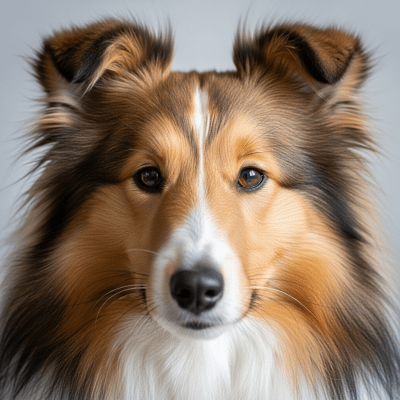
Shelties present a compact, agile silhouette with an alert, expressive face. Their almond-shaped eyes and small, semi-erect ears contribute to a keen, intelligent look. The breed's most distinctive feature is its luxurious double coat: a dense, soft undercoat beneath a long, straight, harsh outer coat, accentuated by a pronounced mane and frill. Shelties come in striking colors such as sable (golden to mahogany), blue merle, and black, often adorned with white and tan markings.
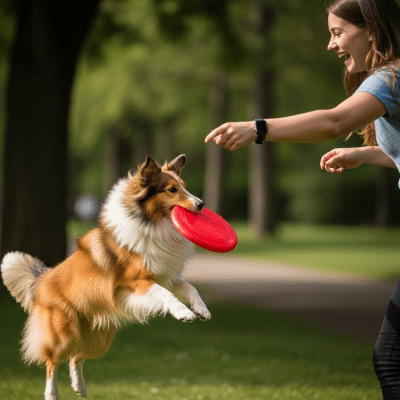
Renowned for their keen herding instincts, Shetland Sheepdogs excel at managing livestock and thrive in dog sports like agility, obedience, and rally. Their intelligence and sensitivity make them highly trainable, while their affectionate disposition ensures they are beloved companions. Shelties are also valued as therapy dogs and are happiest when mentally and physically engaged.
Bring this kind into your world illustrated posters, mugs, and shirts.
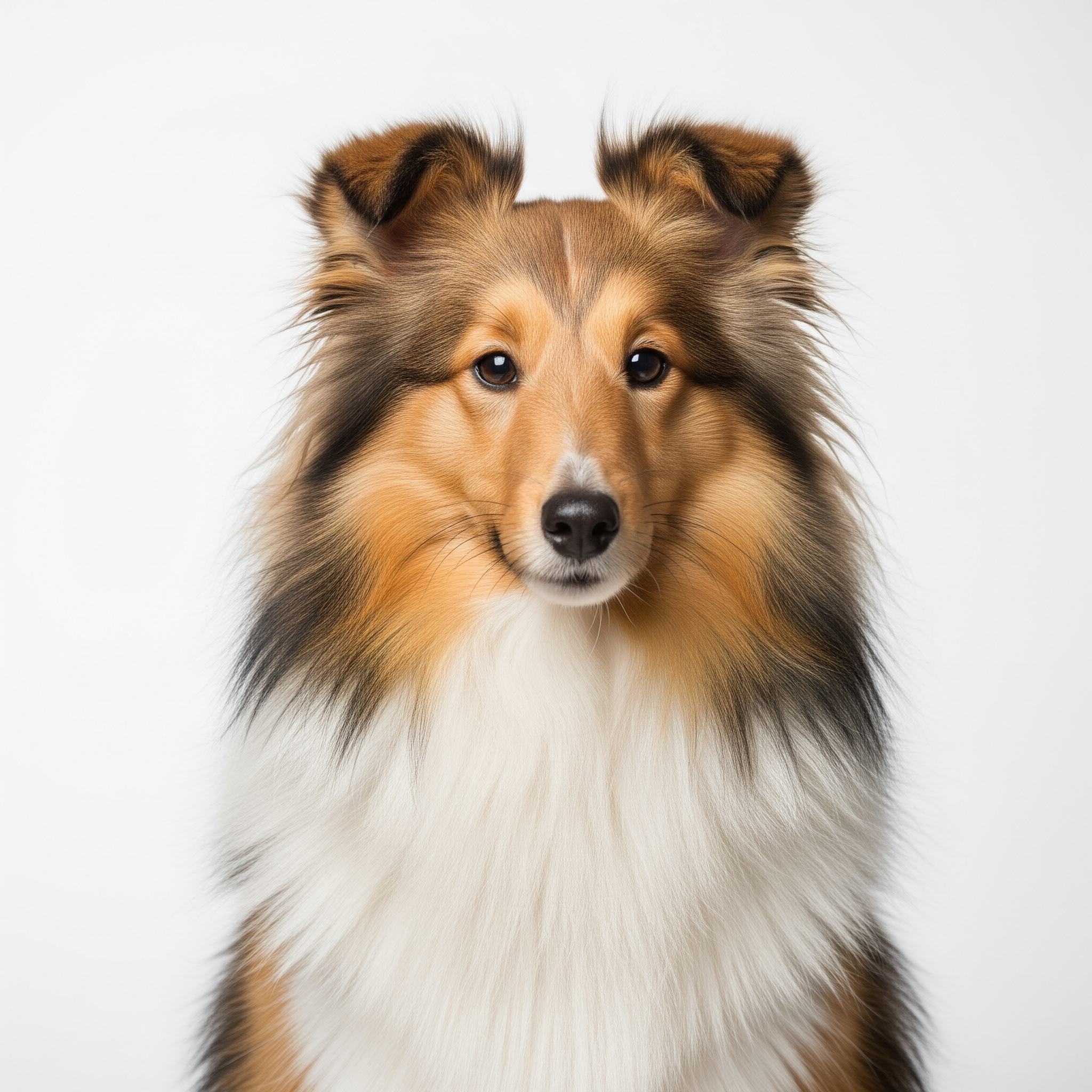
Archival print, museum-grade paper
Buy Poster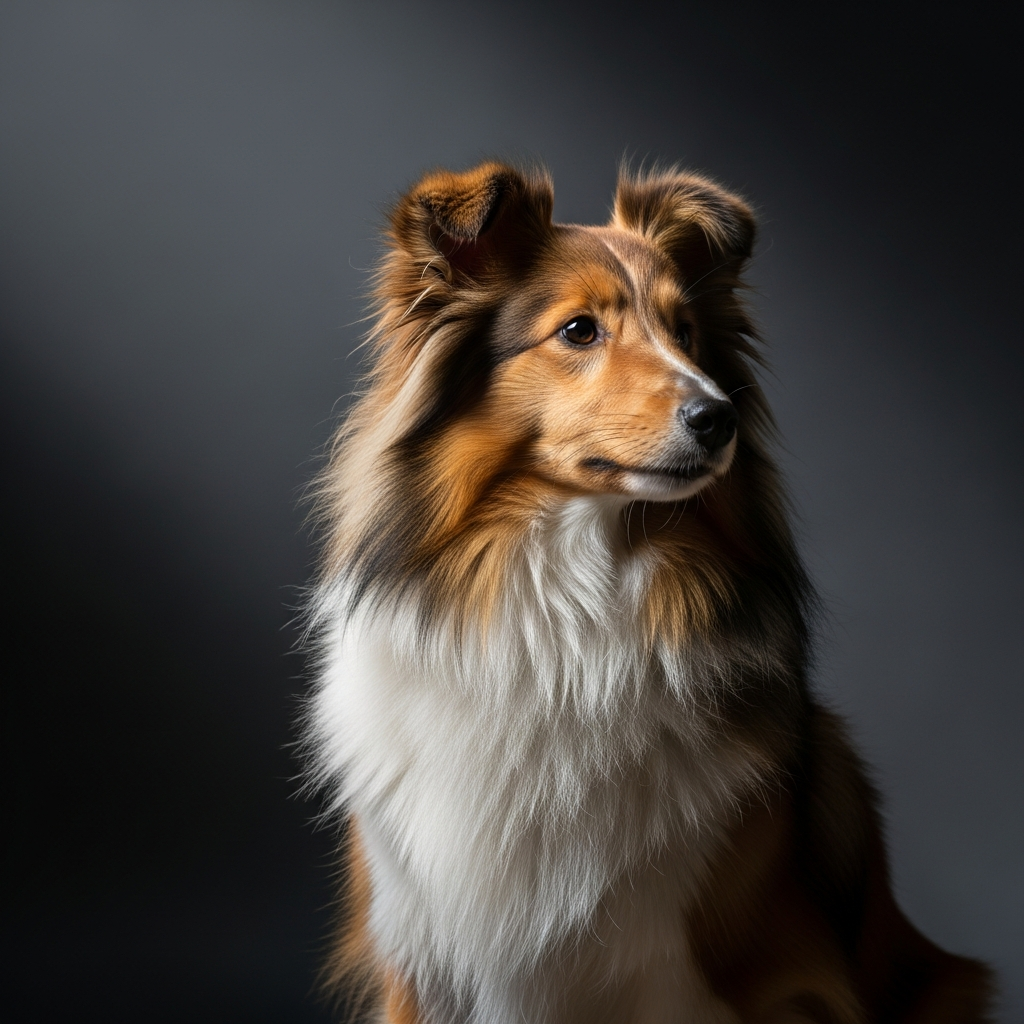
Stoneware mug, dishwasher safe
Buy Mug
Soft cotton tee, unisex sizes
Buy ShirtThe Shetland Sheepdog enjoys a prominent place in modern culture, frequently appearing in competitive dog sports and as a cherished family pet. Its resemblance to the Rough Collie has made it a favorite in media and advertising, often symbolizing loyalty, intelligence, and beauty. The breed's gentle nature and striking appearance have inspired a devoted following among dog enthusiasts worldwide.
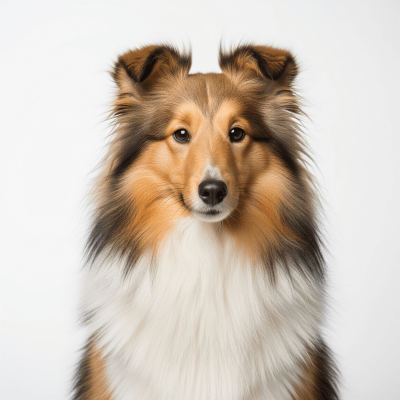
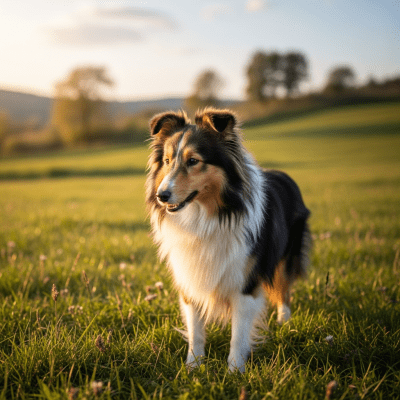
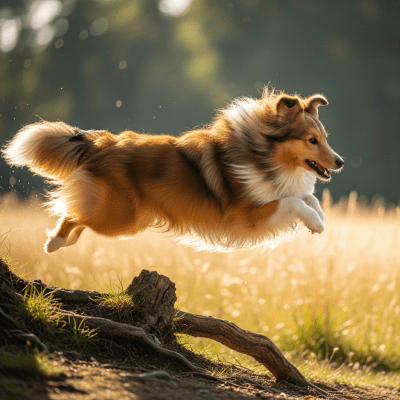

The Shetland Sheepdog is classified as a medium-sized breed, typically standing 33–41 cm (13–16 inches) at the shoulder and weighing 7–11 kg (15–25 pounds). Its compact, agile build is ideal for herding and active companionship.
Shelties boast a double coat with a dense, soft undercoat and a long, straight, harsh outer coat, highlighted by a dramatic mane and frill. Common colors include sable (ranging from golden to mahogany), blue merle, and black, all often featuring white and tan markings.
Shetland Sheepdogs are celebrated for their intelligence, sensitivity, and affectionate nature. Highly trainable, they excel in obedience, agility, and dog sports, responding eagerly to positive reinforcement and forming strong bonds with their families.
Generally a healthy breed, Shelties can be prone to inherited conditions such as Collie Eye Anomaly, hip dysplasia, and hypothyroidism. With proper care, they typically enjoy a long and active life, though specific lifespan ranges may vary.
Breed standards for the Shetland Sheepdog are globally harmonized, but minor differences in coat texture and size may exist between UK, US, and FCI standards. These distinctions are subtle and do not significantly affect the breed's core characteristics.