Samoyed
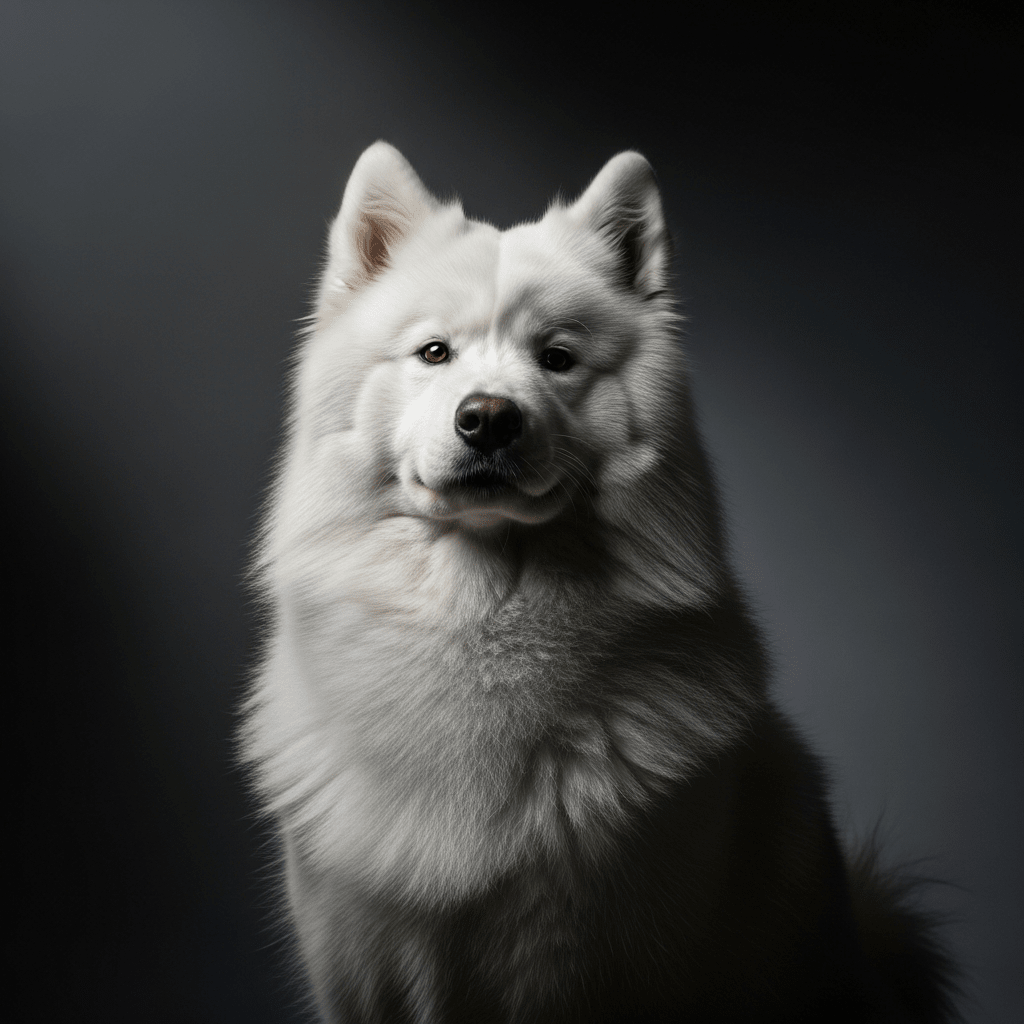
The Samoyed is a large, Arctic spitz breed celebrated for its brilliant white, fluffy coat and iconic "Sammy smile," renowned for both its gentle nature and remarkable adaptability to cold climates.
The Samoyed is a large, Arctic spitz breed celebrated for its brilliant white, fluffy coat and iconic "Sammy smile," renowned for both its gentle nature and remarkable adaptability to cold climates.
Originating with the Samoyede (Nenets) people of northwestern Siberia, Russia, the Samoyed was developed as a multipurpose working dog for herding reindeer, guarding camps, and pulling sleds across the harsh tundra. The breed was introduced to Western audiences in the late 19th and early 20th centuries, notably through its role in Arctic and Antarctic expeditions. Its lineage is closely tied to indigenous Arctic spitz-type dogs, with little crossbreeding until its exportation. Modern breed standards were established by major kennel clubs, beginning with the AKC's recognition in 1906.
The Samoyed belongs to the Canidae family and is classified as a spitz-type working breed within the broader taxonomy of domesticated dogs (Canis lupus familiaris). It is grouped among Arctic and Northern breeds, recognized for their endurance, thick coats, and historical utility in herding and sledding. Major kennel clubs, including the AKC and FCI, place the Samoyed in the Working or Utility group, reflecting its traditional roles and robust build.
The Samoyed is instantly recognizable by its dense, double-layered coat—soft and insulating underneath, with a longer, harsh outer layer that stands off the body in a plush halo. Typically pure white, the coat may also show cream or biscuit hues. Its expressive, upturned "Sammy smile" is both charming and functional, helping prevent drooling and icicle formation. The breed displays a sturdy, athletic build, erect triangular ears, and a bushy, curled tail carried over the back, all classic spitz features.
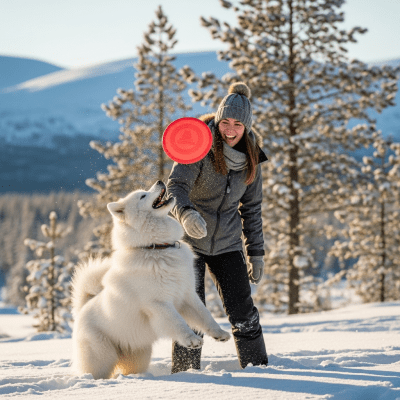
Samoyeds are highly social, energetic, and affectionate dogs that thrive on human companionship. Historically, they excelled at herding reindeer, pulling sleds, and guarding camps in Siberia. Today, their friendly disposition makes them beloved family pets, therapy dogs, and participants in dog sports such as agility and conformation shows. They require regular exercise and mental stimulation, and their intelligence is best engaged through positive, consistent training methods.
Bring this kind into your world illustrated posters, mugs, and shirts.
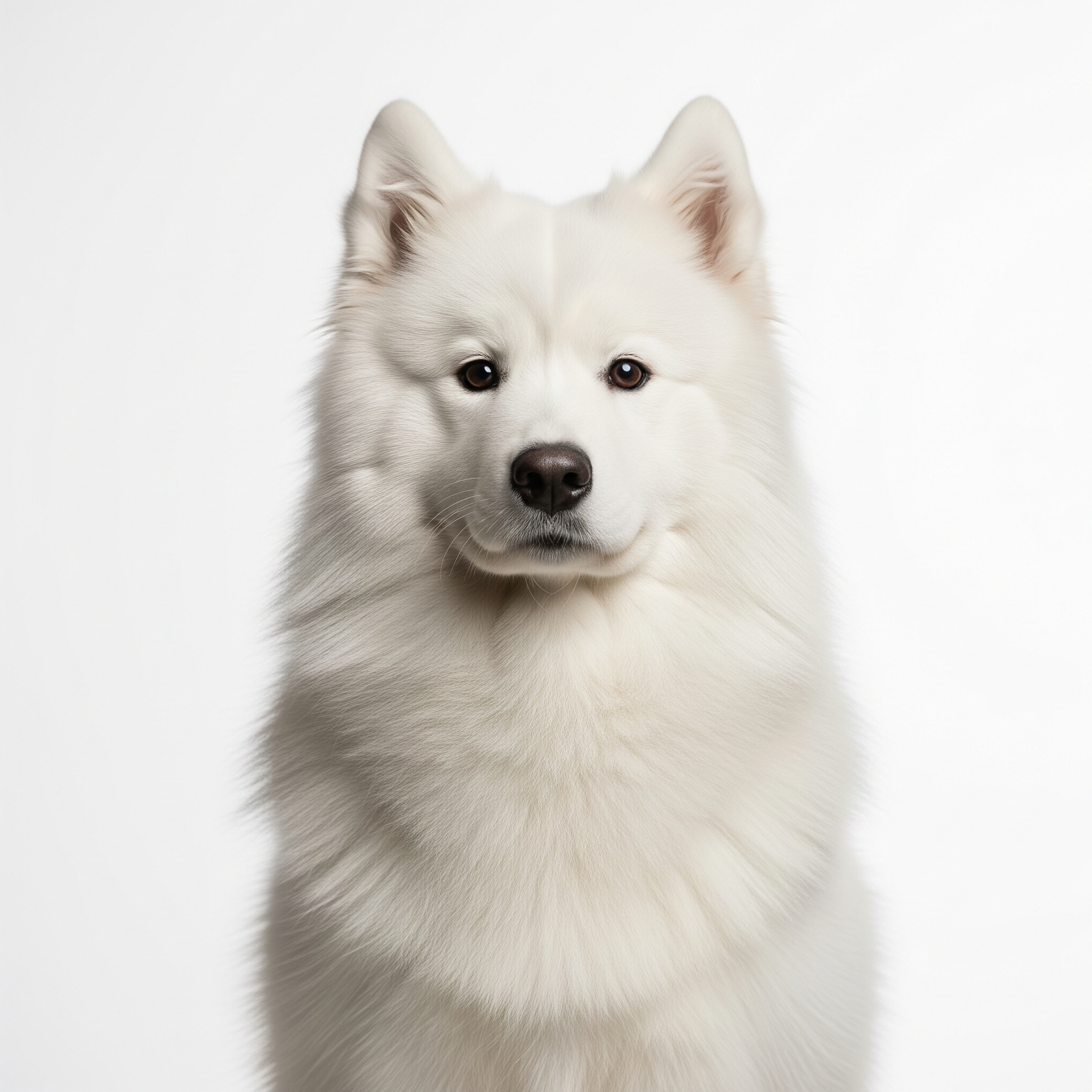
Archival print, museum-grade paper
Buy Poster
Stoneware mug, dishwasher safe
Buy Mug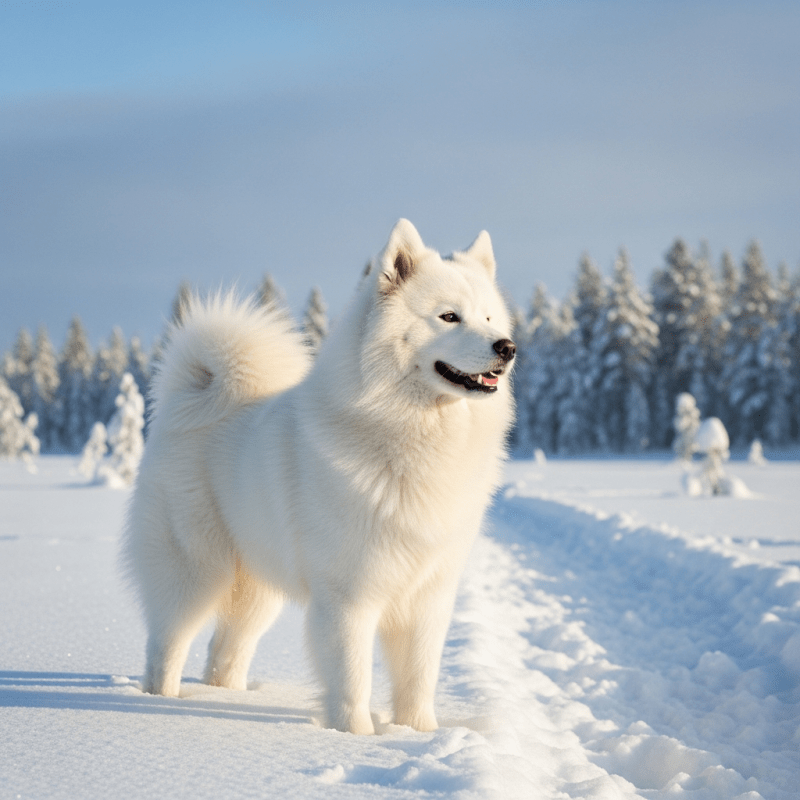
Soft cotton tee, unisex sizes
Buy ShirtThe Samoyed's role in Arctic exploration and its close partnership with indigenous Siberian peoples have cemented its place in canine history. Its image—radiant, smiling, and resilient—often appears in literature, art, and popular culture as a symbol of warmth and endurance. The breed's participation in famed polar expeditions and its reputation as a loyal companion have made it a favorite in dog shows and a cherished member of many households worldwide.
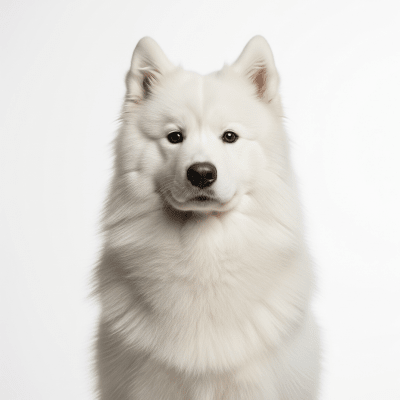
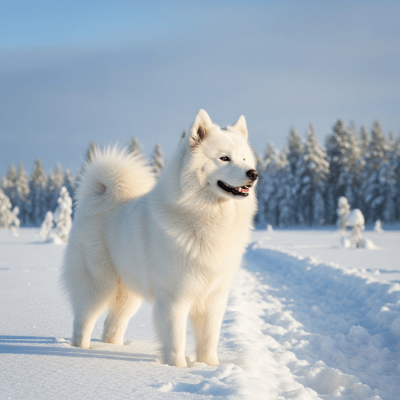

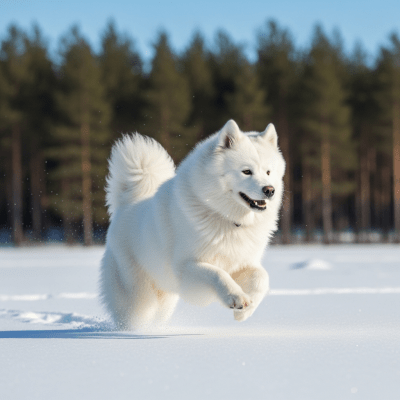

Samoyeds are classified as large dogs, typically standing 48–60 cm (19–23.5 inches) at the shoulder and weighing 16–30 kg (35–65 pounds). Their robust build and athletic frame enable them to excel in demanding physical tasks and withstand harsh climates.
The breed boasts a dense, double-layered coat: a soft, insulating undercoat and a longer, harsh outer coat. While pure white is the classic color, cream and biscuit shades are also permitted by many breed standards. The coat is plush, straight, and stands off the body, providing both warmth and a striking visual appeal.
Samoyeds are celebrated for their friendly, gentle, and highly social temperament. They are intelligent and eager to please, though sometimes display an independent streak. With positive reinforcement and consistent training, they learn quickly and enjoy activities that challenge both mind and body. Their affectionate nature makes them excellent companions for families and children.
Samoyeds generally enjoy good health, with a typical lifespan of 12–14 years. Common hereditary concerns include hip dysplasia, progressive retinal atrophy, and autoimmune disorders. Regular veterinary care, responsible breeding, and a healthy lifestyle can help mitigate these risks and ensure a long, active life.
Historically, Samoyeds served as herders, sled dogs, and guardians for Siberian nomads. Today, they are cherished as companion animals, show dogs, and therapy dogs, and they still participate in sledding and herding activities. Their adaptability, endurance, and affectionate demeanor make them suitable for a variety of roles, from working tasks to family life.
While the Samoyed is globally recognized with minimal regional divergence, slight differences in coat color and size may be observed between lines bred in Russia, Scandinavia, and North America. These distinctions are subtle and do not affect the breed's core characteristics or standard.