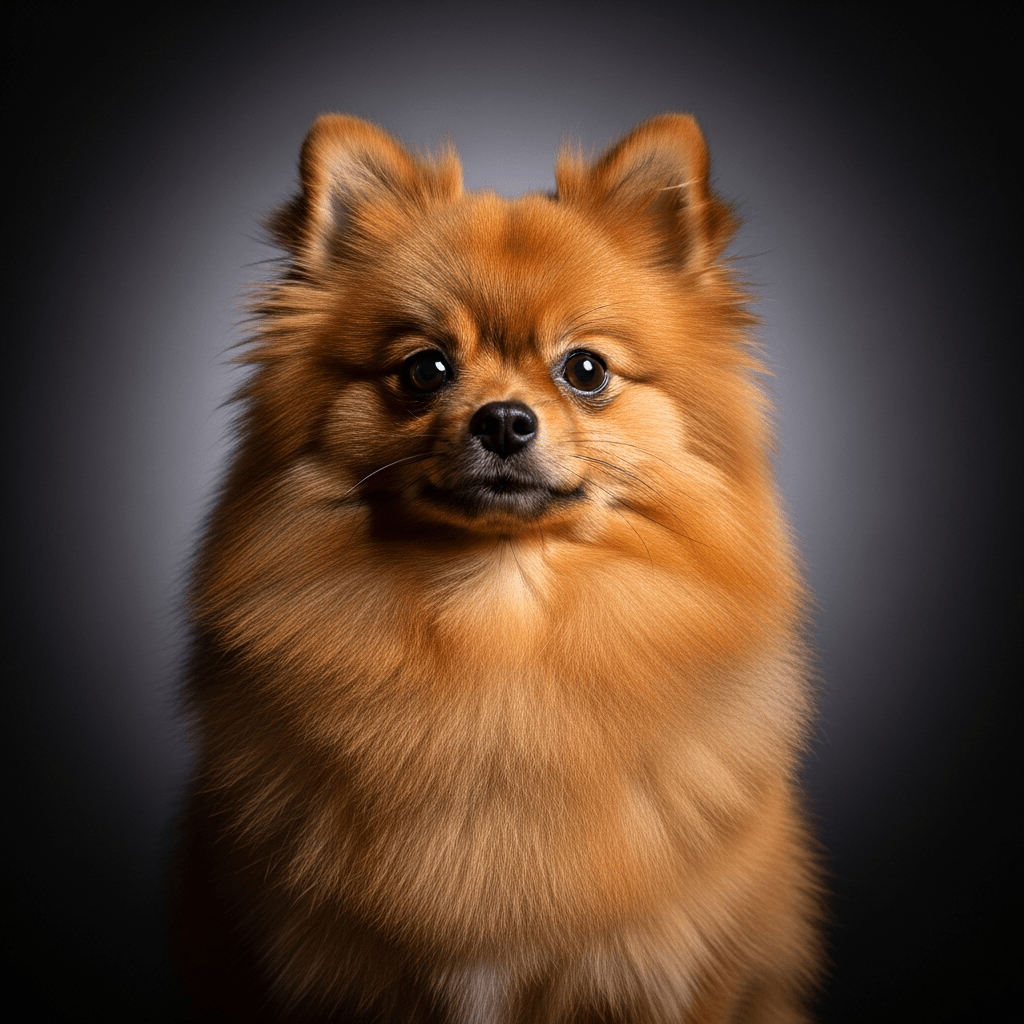
Pomeranian
The Pomeranian is a spirited, toy-sized companion dog celebrated for its luxurious double coat, fox-like face, and lively personality.
The Pomeranian is a spirited, toy-sized companion dog celebrated for its luxurious double coat, fox-like face, and lively personality.
Originating from the historical region of Pomerania—now northern Poland and northeastern Germany—the Pomeranian descends from larger Spitz-type sled dogs. Its transformation into a petite lapdog was achieved through selective breeding in the 18th and 19th centuries, a process notably accelerated by Queen Victoria’s fondness for the breed. The modern Pomeranian emerged from the efforts of numerous European breeders, gradually refining its size and features to suit companion roles.
The Pomeranian belongs to the canine family Canidae, classified as Canis lupus familiaris. It is a member of the Toy Group in most major kennel clubs, and is considered a miniature Spitz-type breed. Its lineage connects it to other Spitz breeds, sharing ancestry with larger sled and working dogs, but distinguished by its compact size and companion-focused traits.
Pomeranians are instantly recognizable for their compact, toy-sized build, wedge-shaped head, and expressive, fox-like face. Their thick double coat forms a dramatic ruff around the neck and chest, while their plume-like tail arches elegantly over the back. Erect ears and bright, alert eyes add to their lively expression. Coat colors are highly varied, ranging from orange and black to cream, blue, sable, red, brown, and white.
Renowned for their extroverted and spirited temperament, Pomeranians thrive as affectionate companion animals. Their intelligence and alertness make them responsive to training, though they may display a streak of independence. Pomeranians are popular in dog shows and excel as therapy animals, offering emotional support and companionship, especially in urban and apartment settings.
Bring this kind into your world illustrated posters, mugs, and shirts.
Archival print, museum-grade paper
Buy Poster
Stoneware mug, dishwasher safe
Buy Mug
Soft cotton tee, unisex sizes
Buy ShirtPomeranians have enjoyed enduring popularity in art, society, and pop culture. Queen Victoria’s patronage elevated the breed’s status in 19th-century England, and today they are frequently featured in media, fashion, and celebrity circles. Their distinctive look and lively character have made them icons of the toy dog world, often symbolizing luxury, charm, and companionship.

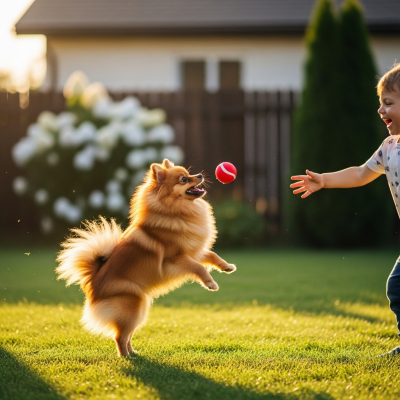
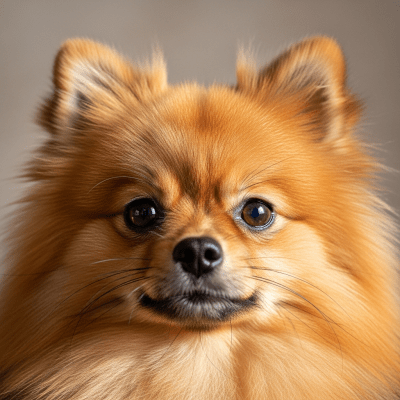

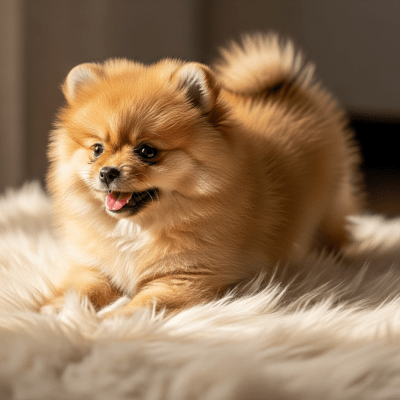
Pomeranians are classified as a small breed, typically standing 15–18 cm (6–7 inches) at the shoulder and weighing 1.4–3.2 kg (3–7 pounds). Their compact stature is paired with a sturdy build and lively presence.
The breed boasts a thick double coat: a dense, soft undercoat topped by a longer, harsh-textured outer coat that forms a dramatic ruff. Pomeranians are celebrated for their diverse color palette, including orange, black, white, cream, blue, sable, red, and brown, with many patterns and combinations recognized.
Pomeranians are lively, extroverted, and highly intelligent. They are affectionate and alert, making them excellent companions. Their intelligence lends itself to training, though they may show independence; positive reinforcement and consistency yield the best results.
Pomeranians typically live 12–16 years. While generally healthy, they can be prone to dental issues, luxating patella, tracheal collapse, and alopecia X (coat loss). Regular veterinary care and dental hygiene are important for maintaining their well-being.
Pomeranians are cherished as companion animals, excelling in dog shows and serving as therapy dogs. Their affectionate nature and adaptability to small living spaces make them ideal pets for families and individuals alike. They are not used for working or culinary purposes.
Regional variants include the Zwergspitz in Germany and the German Spitz (Miniature) as recognized by the FCI. While standards may differ slightly in permitted colors and size, the breed’s essential features and temperament remain consistent worldwide.