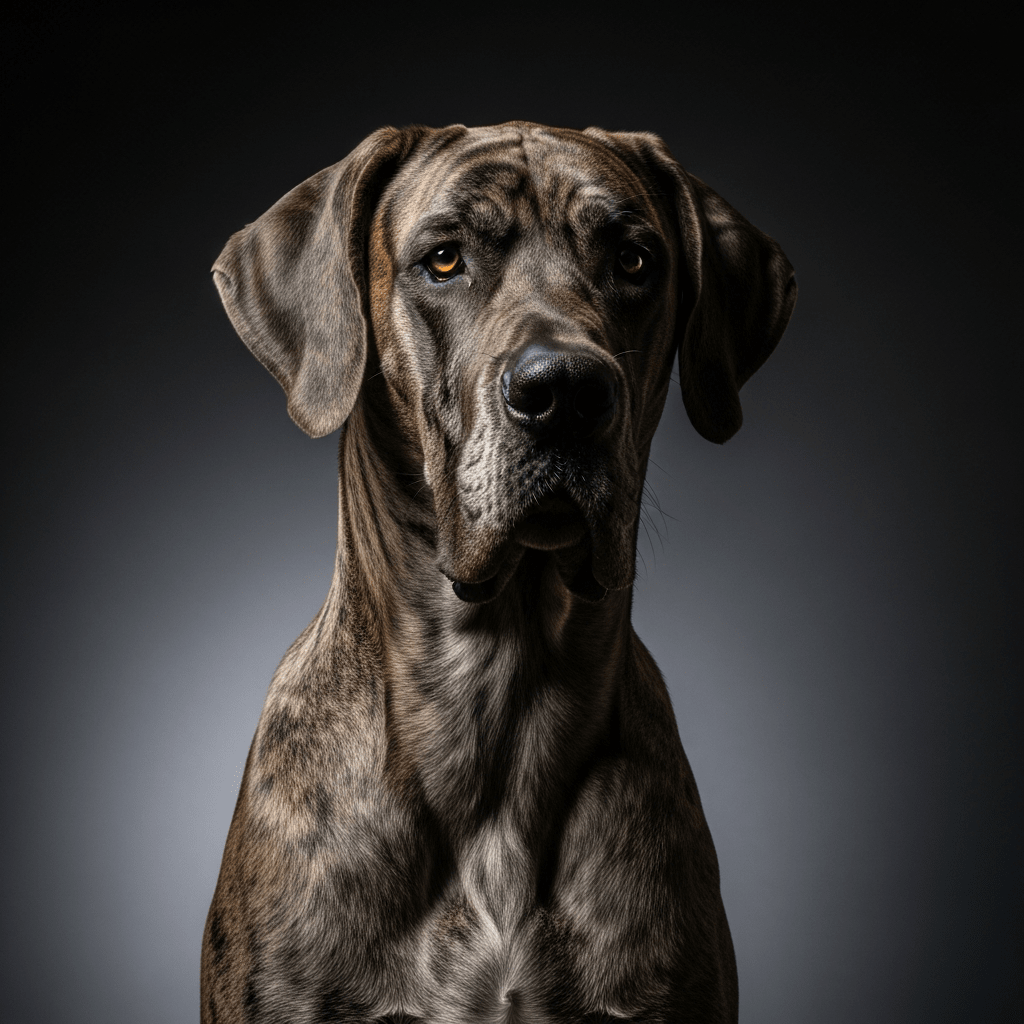
Great Dane
The Great Dane is a giant dog breed celebrated for its towering stature, regal presence, and famously gentle temperament, earning it the nickname "Apollo of Dogs."
The Great Dane is a giant dog breed celebrated for its towering stature, regal presence, and famously gentle temperament, earning it the nickname "Apollo of Dogs."
Originating in Germany in the 16th century, the Great Dane was developed by European nobility to hunt formidable game such as boar and deer. Its ancestry blends English Mastiffs and Irish Wolfhounds, with German breeders refining the breed for both size and temperament. By the late 19th century, breed standards were established and the first German breed club was founded in 1888, cementing the Great Dane’s identity as a distinct and noble breed.
The Great Dane belongs to the domestic dog species, Canis lupus familiaris, and is classified within the Working Group by major kennel clubs. It is a member of the Canidae family and is recognized globally as one of the premier giant breeds, renowned for its combination of strength, elegance, and companionship.
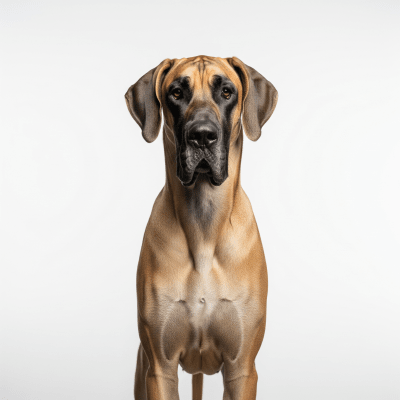
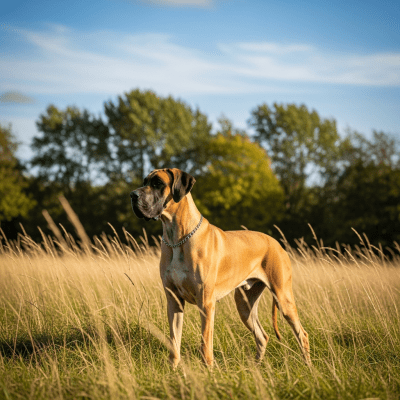
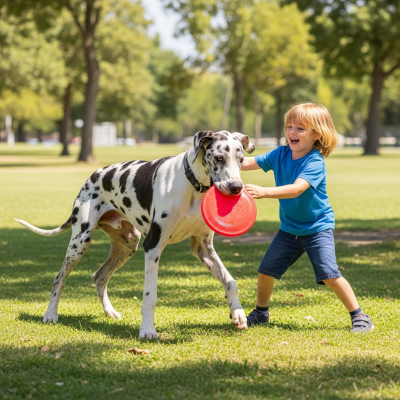
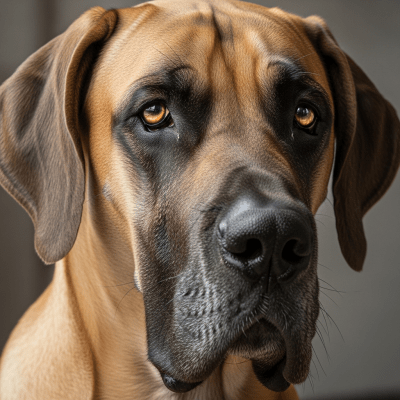
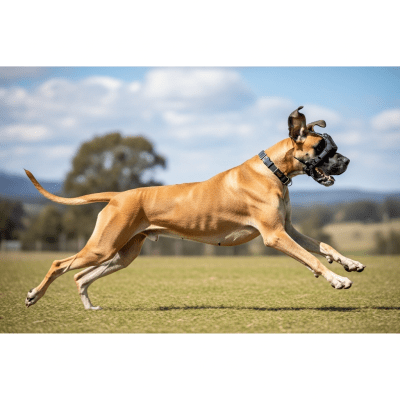
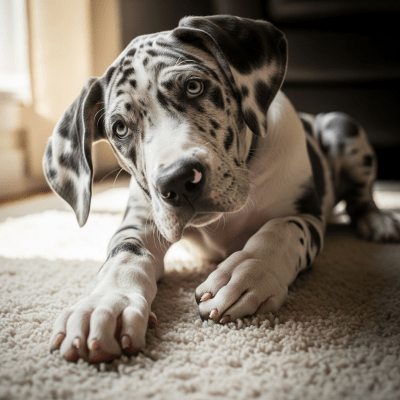
Great Danes are instantly recognizable for their immense size and statuesque build. They possess a muscular, well-proportioned frame, deep chest, and long, powerful legs. Their head is rectangular with a pronounced stop, and their short, smooth coat lies close to the body. The breed’s noble bearing is complemented by expressive eyes and a graceful, athletic stride. Coat colors include fawn, brindle, blue, black, harlequin (white with black patches), and mantle (black and white).
Despite their imposing appearance, Great Danes are known for their docile, friendly, and affectionate nature. They thrive as companion animals and family pets, forming strong bonds with their owners. While their size makes them effective deterrents as guard dogs, they are rarely aggressive. Regular exercise and socialization are essential to keep them healthy and well-adjusted, and their gentle demeanor makes them well-suited to homes that can accommodate their needs.
Bring this kind into your world illustrated posters, mugs, and shirts.
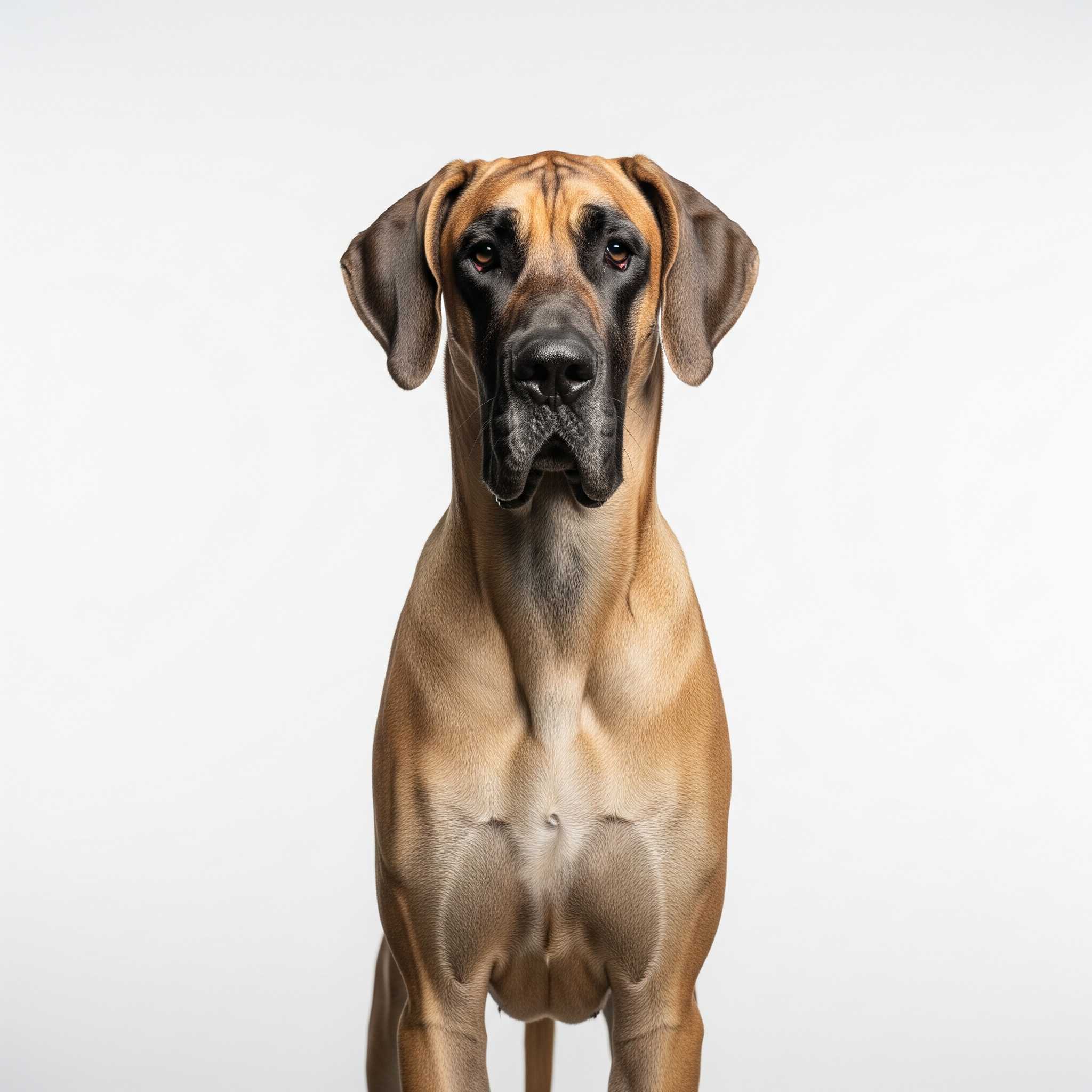
Archival print, museum-grade paper
Buy Poster
Stoneware mug, dishwasher safe
Buy Mug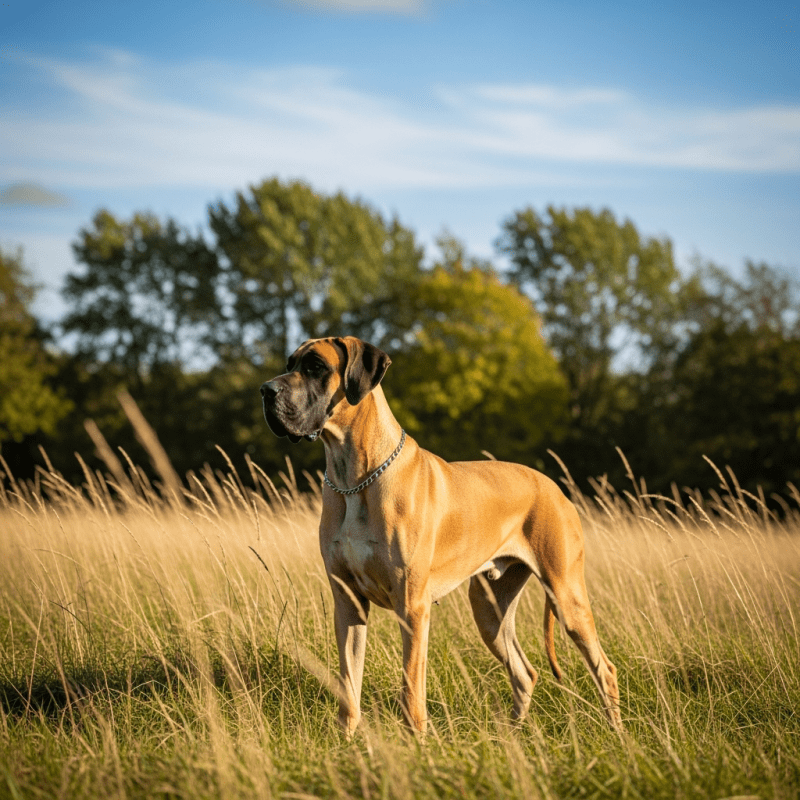
Soft cotton tee, unisex sizes
Buy ShirtThe Great Dane’s majestic form and gentle nature have made it an enduring symbol of nobility and strength. Often called the "Apollo of Dogs," it has appeared in art, literature, and popular culture as a representation of elegance and loyalty. The breed’s image is frequently used to convey grandeur and reliability, and its presence in dog shows and as a status symbol further cements its cultural prominence.
The Great Dane is officially recognized by major organizations including the American Kennel Club (AKC), Fédération Cynologique Internationale (FCI), and The Kennel Club (UK). The breed's standards were first formalized in Germany in the late 19th century, with the first German breed club established in 1888.
Alternate names for the Great Dane include "Deutsche Dogge," "German Mastiff," and "Apollo of Dogs." In Germany and much of Europe, the breed is most commonly known as "Deutsche Dogge."
The Great Dane is classified as a giant breed. Males typically stand 76–86 cm (30–34 inches) at the shoulder and weigh 64–79 kg (140–175 pounds), with females being slightly smaller. Their commanding size is one of their most defining features.
Great Danes have a short, smooth, and close-lying coat that is easy to maintain. Recognized coat colors include fawn, brindle, blue, black, harlequin (white with black patches), and mantle (black and white). The breed’s sleek coat accentuates its muscular frame and elegant lines.
Great Danes are renowned for their docile, friendly, and affectionate temperament. They are generally eager to please and respond well to positive, consistent training. Early socialization is important to ensure they grow into confident, well-mannered adults. Their gentle nature makes them excellent companions for families and individuals alike.
The average lifespan of a Great Dane is 7 to 10 years. Common health concerns include bloat (gastric dilatation-volvulus), cardiomyopathy, hip dysplasia, and osteosarcoma. Due to their rapid growth and large size, careful attention to diet, exercise, and veterinary care is essential for their well-being.
Historically bred as hunting dogs for large game, Great Danes are now cherished primarily as companion animals and family pets. Their imposing presence makes them effective guard dogs, though their temperament is more gentle than aggressive. They are also popular in dog shows and are often regarded as status symbols due to their size and elegance.
Breed standards for the Great Dane are harmonized internationally, resulting in minimal regional variation. The most notable difference is in naming: "Deutsche Dogge" is used in Germany and much of Europe, while "Great Dane" is the preferred term in English-speaking countries.