Border Collie
The Border Collie is a medium-sized, highly intelligent herding dog celebrated for its exceptional agility, trainability, and keen working instinct.
The Border Collie is a medium-sized, highly intelligent herding dog celebrated for its exceptional agility, trainability, and keen working instinct.
Originating in the late 19th century along the Anglo-Scottish border of the United Kingdom, the Border Collie was developed by shepherds who selectively bred local herding dogs with imported breeds such as the Scotch Collie. This practical approach focused on enhancing herding ability, resulting in a dog renowned for its stamina and intelligence. The breed's name, "Border Collie," first appeared in the early 20th century, reflecting its regional roots and working heritage.
The Border Collie belongs to the Canidae family, classified as Canis lupus familiaris within the broader taxonomy of domesticated dogs. It is recognized as a distinct breed within the herding group by major kennel clubs, including the AKC, FCI, and The Kennel Club (UK). This breed stands out for its specialization in livestock management, particularly sheep herding, and is often grouped with other working and pastoral breeds.
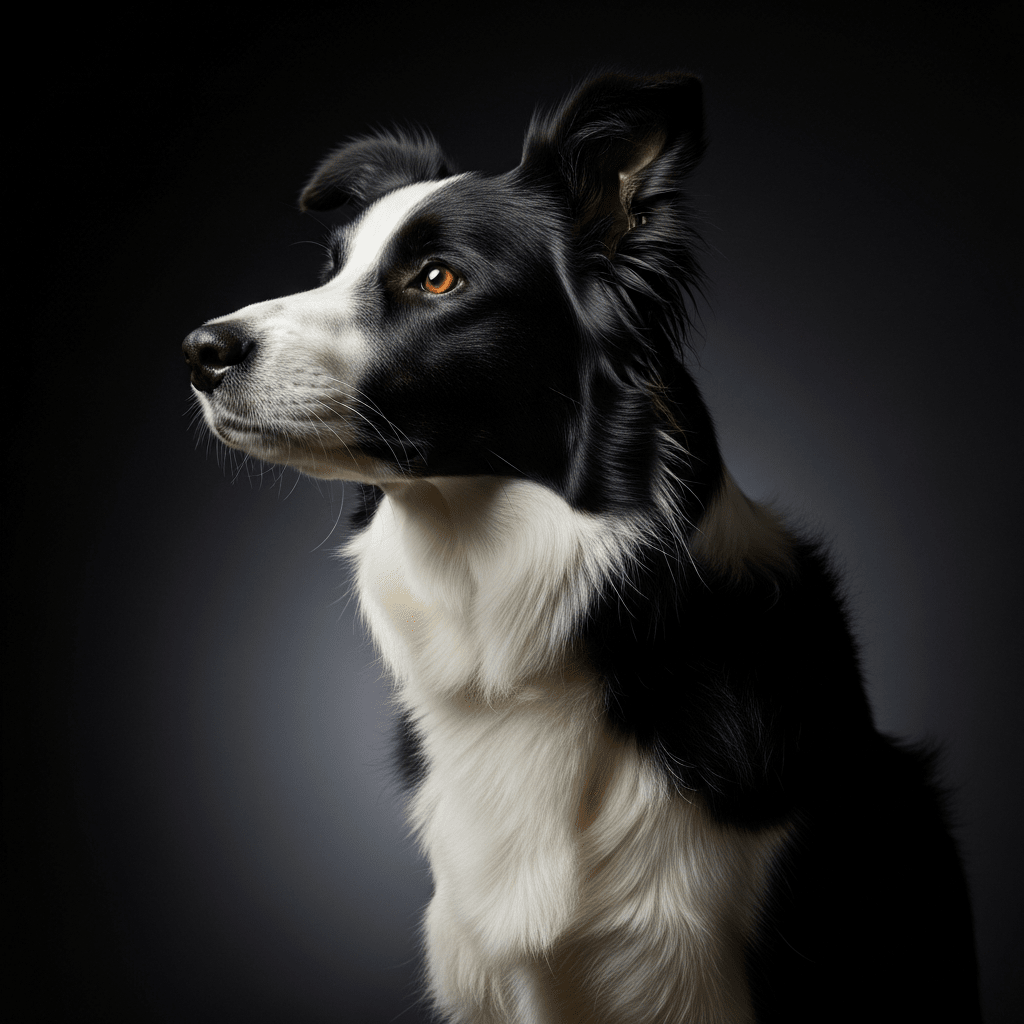
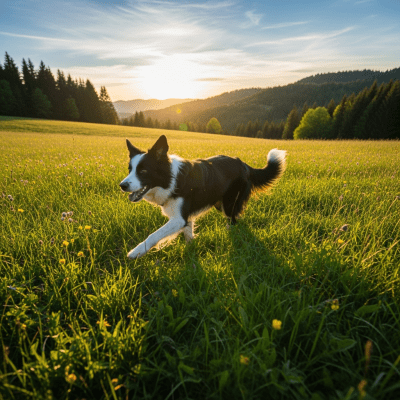
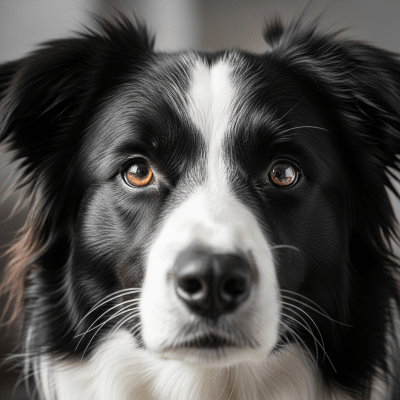
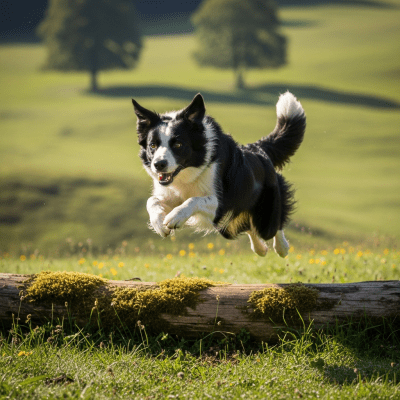
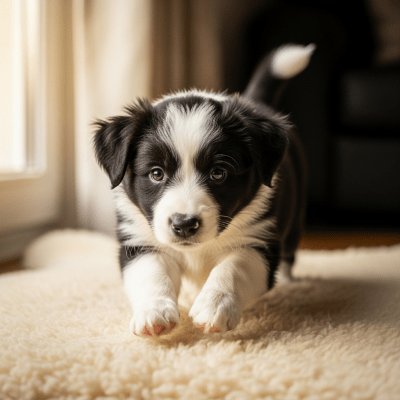
Border Collies are athletic and well-balanced, with a medium build, expressive and alert eyes, and a moderately long tail. Their coats can be either rough—medium-length and feathered—or smooth—short and dense. The breed showcases a wide array of colors, most commonly black and white, but also red and white, tricolor, blue merle, and others. Their overall form exudes agility, stamina, and readiness for action.
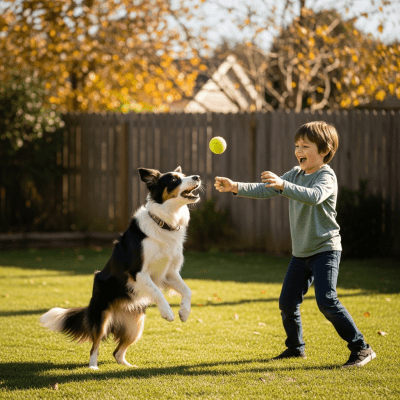
Renowned for their intense focus and energy, Border Collies excel in herding livestock, especially sheep. Their quick reflexes, intelligence, and responsiveness make them favorites in canine sports such as agility, obedience, and flyball. These dogs thrive on mental and physical stimulation and are known to develop behavioral issues if their active minds and bodies are not engaged. They are also valued in roles such as search and rescue, detection work, and as therapy dogs.
Bring this kind into your world illustrated posters, mugs, and shirts.
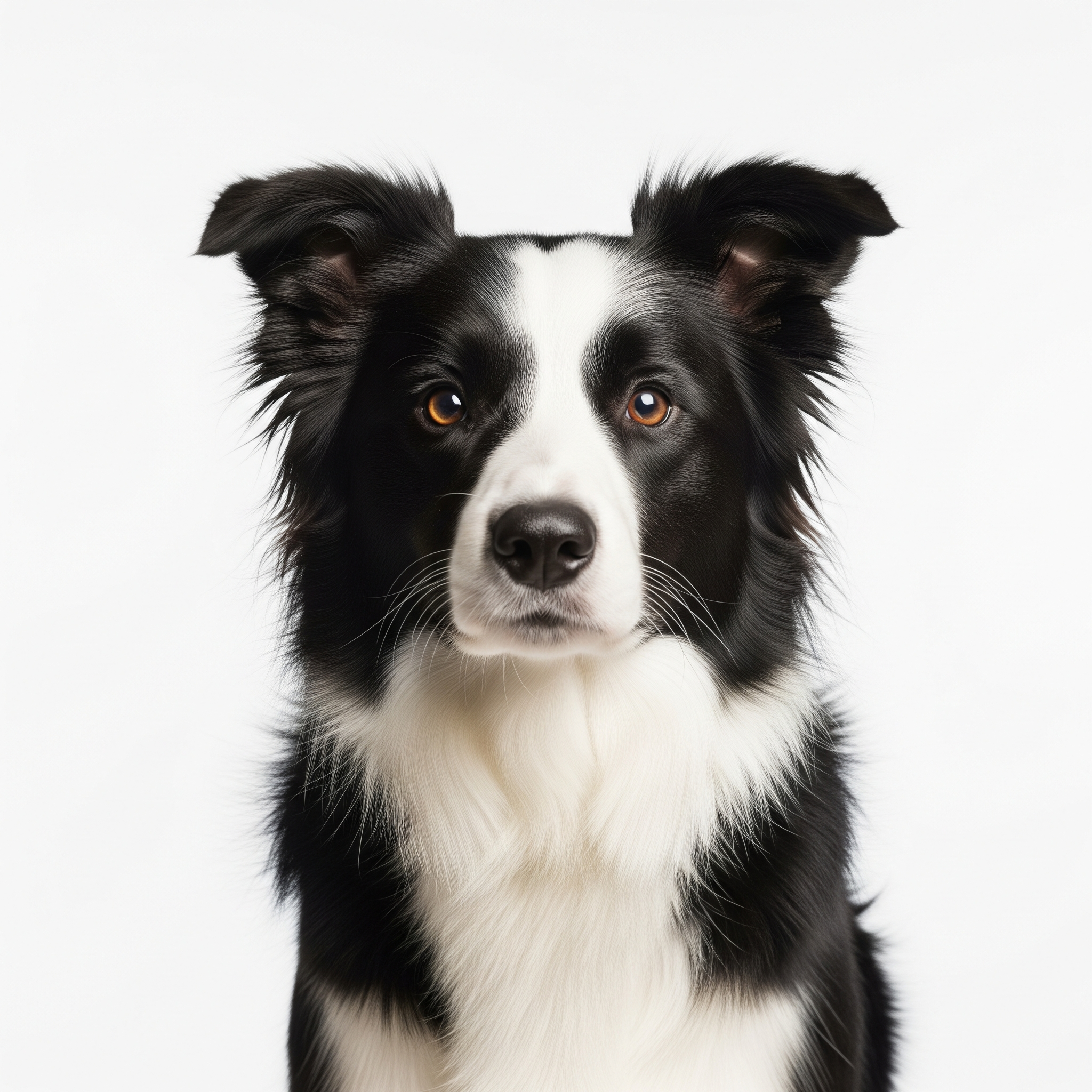
Archival print, museum-grade paper
Buy Poster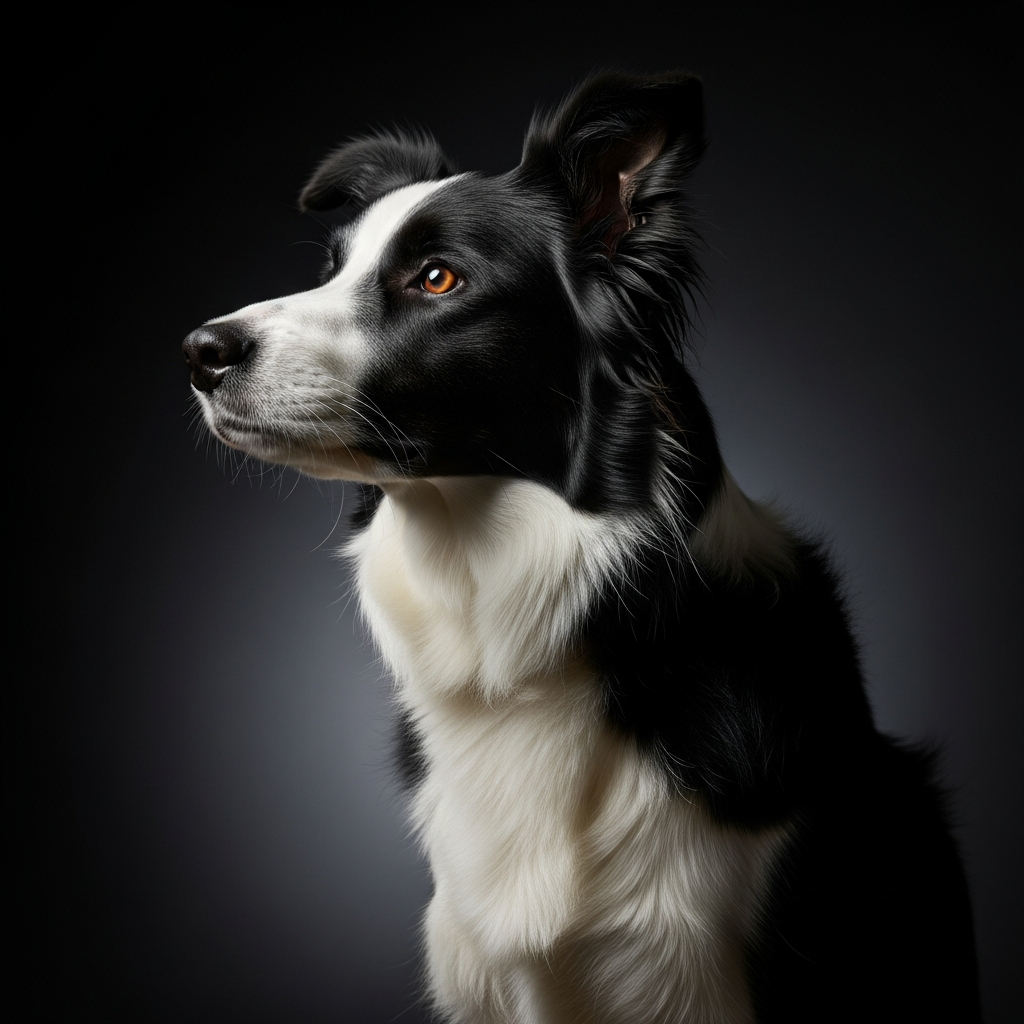
Stoneware mug, dishwasher safe
Buy Mug
Soft cotton tee, unisex sizes
Buy ShirtThe Border Collie is an icon in rural and agricultural communities, often depicted in art and media as the quintessential sheepdog. Its prowess in sheepdog trials and agility competitions has earned it a place in popular culture as the embodiment of canine intelligence and athleticism. The breed's reputation for excellence has made it a symbol of dedication and partnership between humans and working dogs.
All major organizations officially recognize the Border Collie as a distinct breed.
These alternate names reflect the breed's heritage and regional roles in herding and farm work.
Border Collies are medium-sized dogs, typically standing 46–56 cm (18–22 inches) at the shoulder and weighing 14–20 kg (30–45 pounds). Their build is athletic and balanced, suited for sustained physical activity.
The breed's coat may be rough (medium-length and feathered) or smooth (short and dense). Common color patterns include black and white, red and white, tricolor, blue merle, and other variations. Their coats are designed to withstand outdoor work and variable climates.
Border Collies are renowned for their intelligence, energy, and strong working drive. They are exceptionally trainable, excelling in obedience and canine sports thanks to their quick learning ability and responsiveness. Without sufficient stimulation, they may develop problem behaviors, making them best suited for owners able to meet their high activity needs.
Generally robust and healthy, Border Collies may be predisposed to genetic conditions such as Collie Eye Anomaly (CEA), hip dysplasia, and epilepsy. With proper care and regular veterinary attention, they typically enjoy a long, active life.
Regional working lines of Border Collies may exist, bred for specific herding environments or livestock types. These variants are typically distinguished by subtle differences in appearance, stamina, or herding style, but all share the breed's hallmark intelligence and agility.