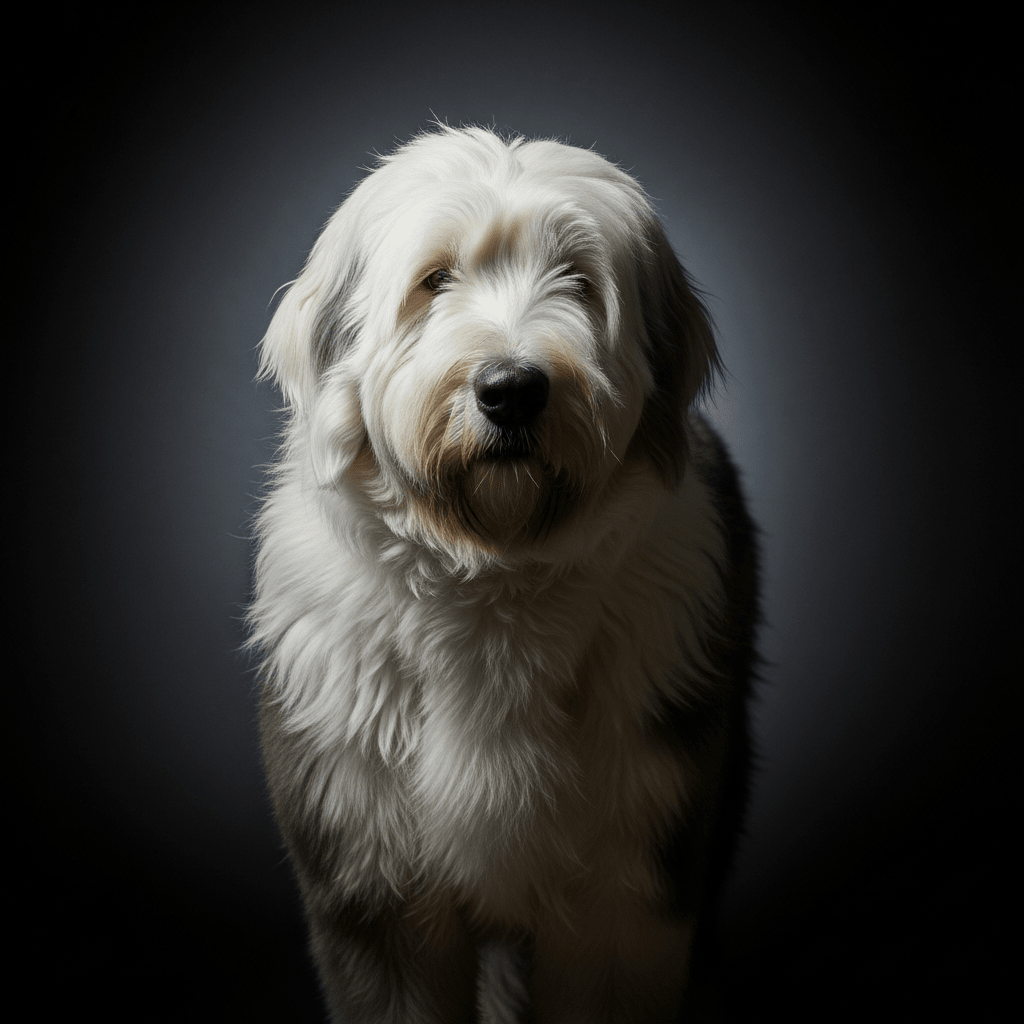
Old English Sheepdog
The Old English Sheepdog is a large, shaggy-coated herding breed from England, instantly recognizable for its profuse double coat and amiable, gentle nature.
The Old English Sheepdog is a large, shaggy-coated herding breed from England, instantly recognizable for its profuse double coat and amiable, gentle nature.
Developed in England in the early 19th century, the Old English Sheepdog traces its roots to pastoral dogs such as the Bearded Collie and various European herding breeds. English farmers and shepherds refined the breed to drive sheep and cattle to market, with the first show appearance recorded in Birmingham in 1873. Rather than emerging from a single breeder, the breed evolved from regional working stock, shaped by the needs of rural communities.
Belonging to the Canis lupus familiaris species, the Old English Sheepdog is classified within the herding group by major kennel clubs. It shares ancestry and functional traits with other European sheepdogs, and is recognized internationally by authorities such as the AKC, FCI, and The Kennel Club (UK).
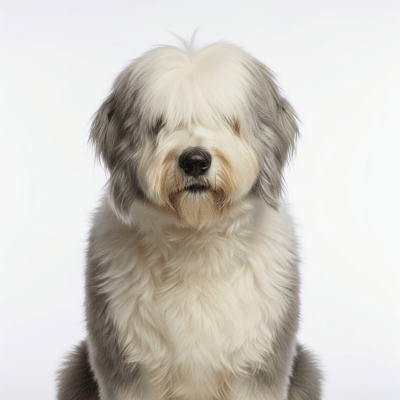
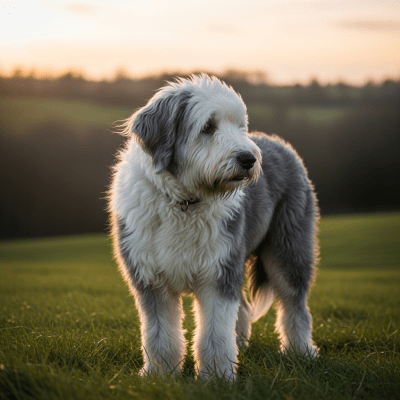
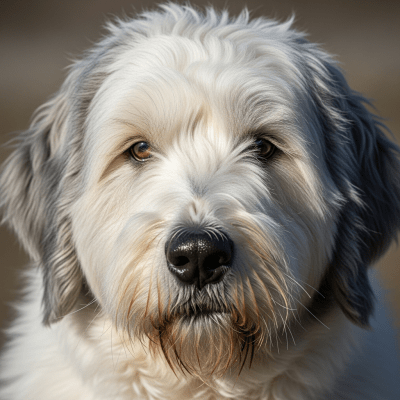
This breed is celebrated for its large, muscular build and distinctive "bear-like" rolling gait. Its dense, double coat is long, textured, and profuse, often appearing in shades of gray, blue, or grizzle with white markings. The head is broad, the eyes may be partially hidden by fur, and the tail is traditionally docked—though natural tails are seen where docking is prohibited. Overall, the Old English Sheepdog exudes a robust, hardy presence with a soft, tousled look.
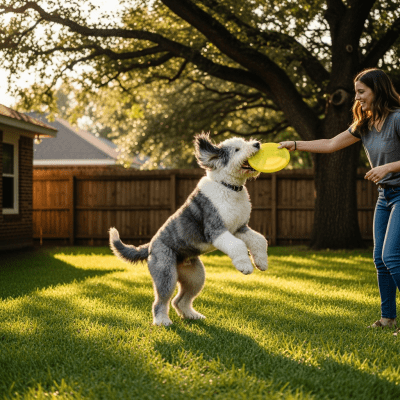
Historically bred as a drover’s dog, the Old English Sheepdog excelled at moving livestock to market. Today, it is cherished as a companion animal and show dog, valued for its gentle disposition and moderate energy. The breed thrives on regular exercise and mental stimulation, forming strong bonds with families and adapting well to both rural and urban environments. Its intelligence and sociability make it a versatile partner in herding, farm work, and home life.
Bring this kind into your world illustrated posters, mugs, and shirts.
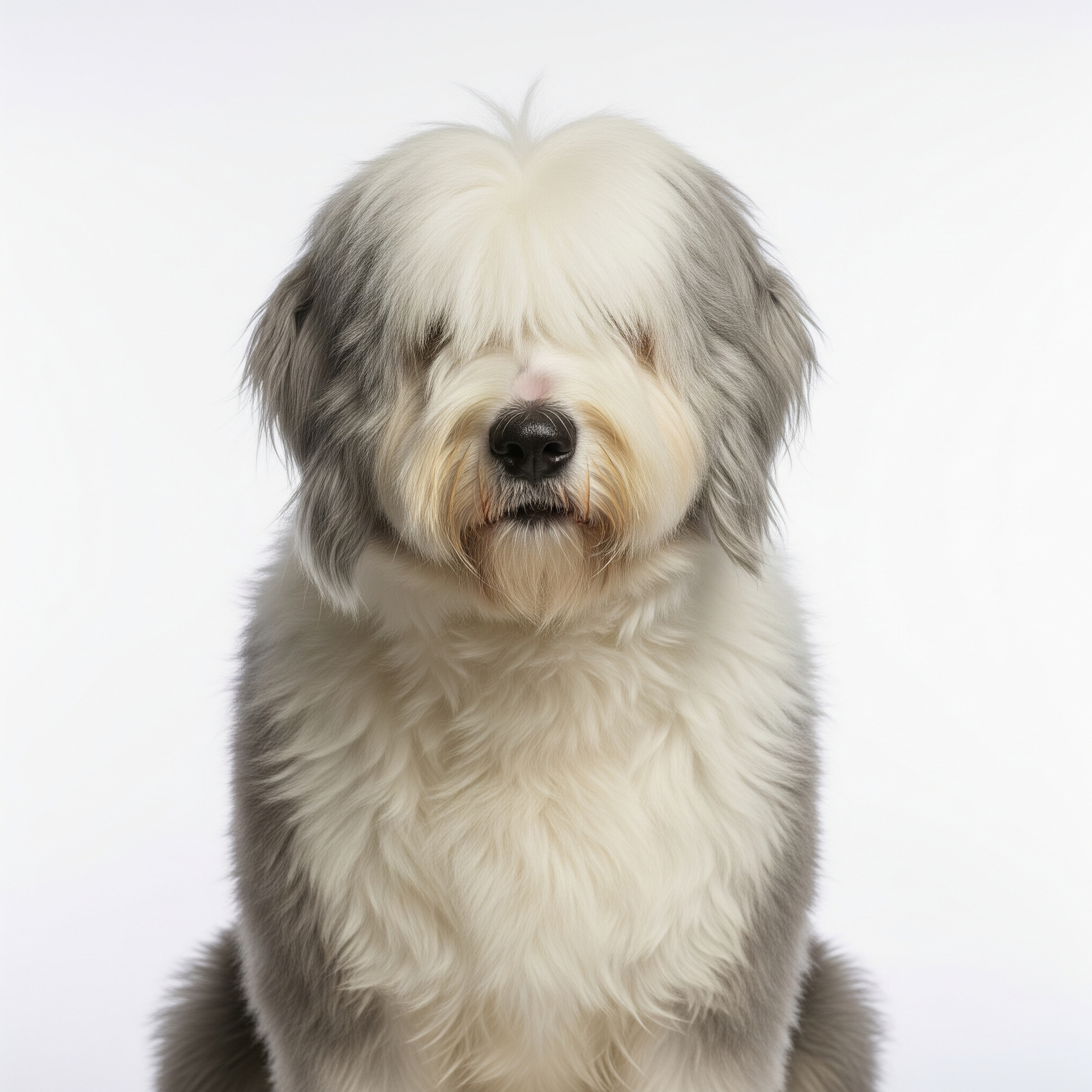
Archival print, museum-grade paper
Buy Poster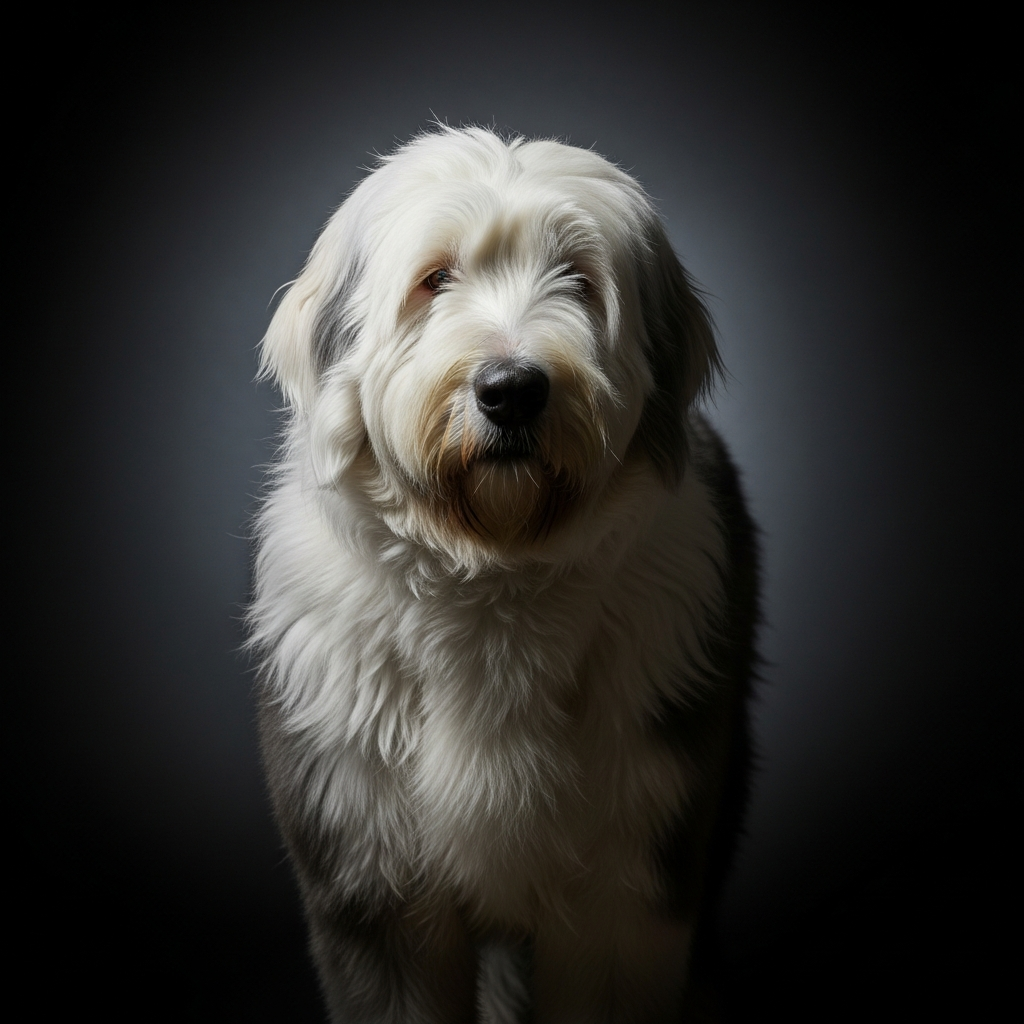
Stoneware mug, dishwasher safe
Buy Mug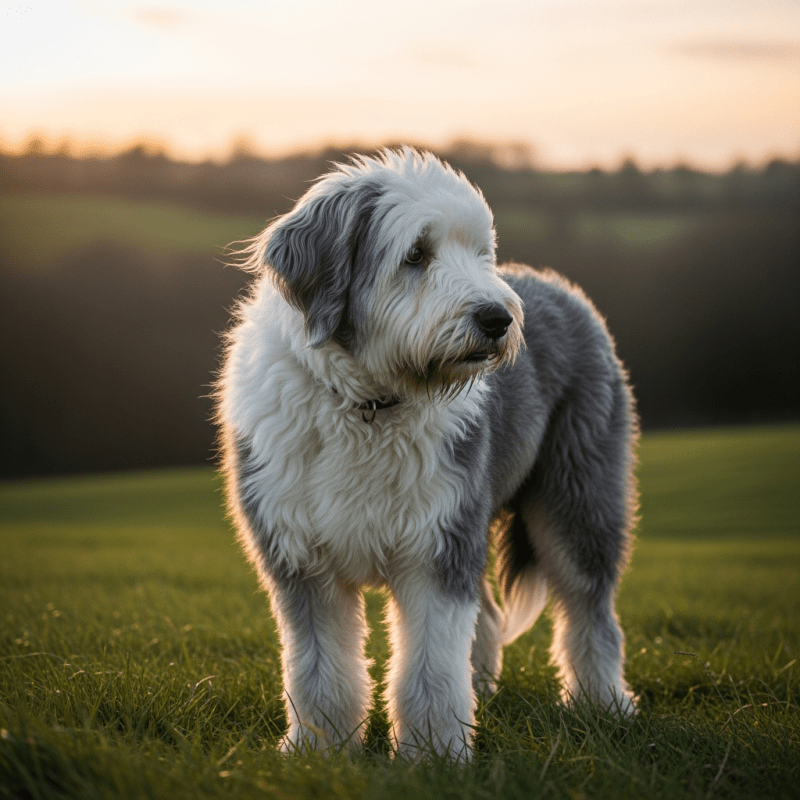
Soft cotton tee, unisex sizes
Buy ShirtThe Old English Sheepdog has become an enduring symbol in popular culture, most notably as the Dulux paint mascot in the UK. Its charming appearance and friendly nature have made it a favorite in film, advertising, and literature, representing warmth, loyalty, and a touch of whimsy. The breed’s image often evokes nostalgia for pastoral England and the classic countryside.
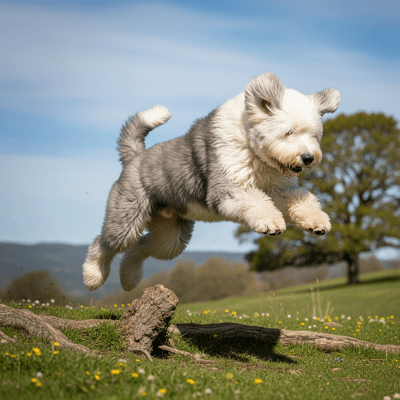
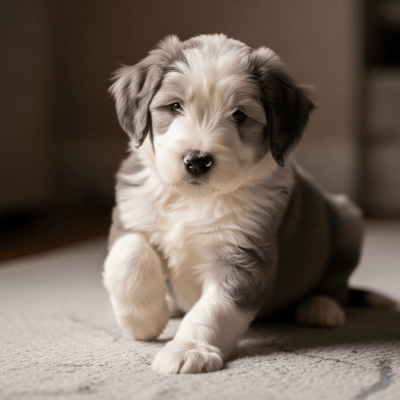
Alternate names include Bobtail, especially in the UK and Europe. The breed may also be referred to as Old English Sheepdog or simply Sheepdog in some contexts.
The Old English Sheepdog is a large breed, typically standing 53–61 cm (21–24 inches) at the shoulder and weighing between 27–45 kg (60–100 pounds). Its substantial frame and muscular build contribute to its robust working ability.
The breed boasts a dense, double coat that is long, profuse, and textured. Common color patterns include gray, blue, or grizzle, always accompanied by distinctive white markings. The coat requires regular, intensive grooming to remain healthy and free of mats.
Old English Sheepdogs are renowned for their amiable and gentle temperament. They possess moderate energy and thrive on regular exercise and mental challenges. Training is most successful with consistent, positive reinforcement and early socialization, as they are moderately trainable and eager to please.
Generally robust, Old English Sheepdogs may be prone to certain health issues, including hip dysplasia, progressive retinal atrophy, and some autoimmune disorders. Lifespan typically ranges from 10 to 12 years, with proper care and regular veterinary attention contributing to longevity.
Traditionally, the Old English Sheepdog served as a drover’s dog, moving sheep and cattle to market. Today, its primary roles are as a companion animal and show dog, though it still excels in herding and farm work when given the opportunity. Its friendly nature and striking appearance also make it a popular choice for advertising and media.
Regional variants are minimal due to strict breed standards. The most notable distinction is the presence of natural-tailed individuals in countries where tail docking is prohibited, resulting in subtle differences in appearance but not in temperament or function.