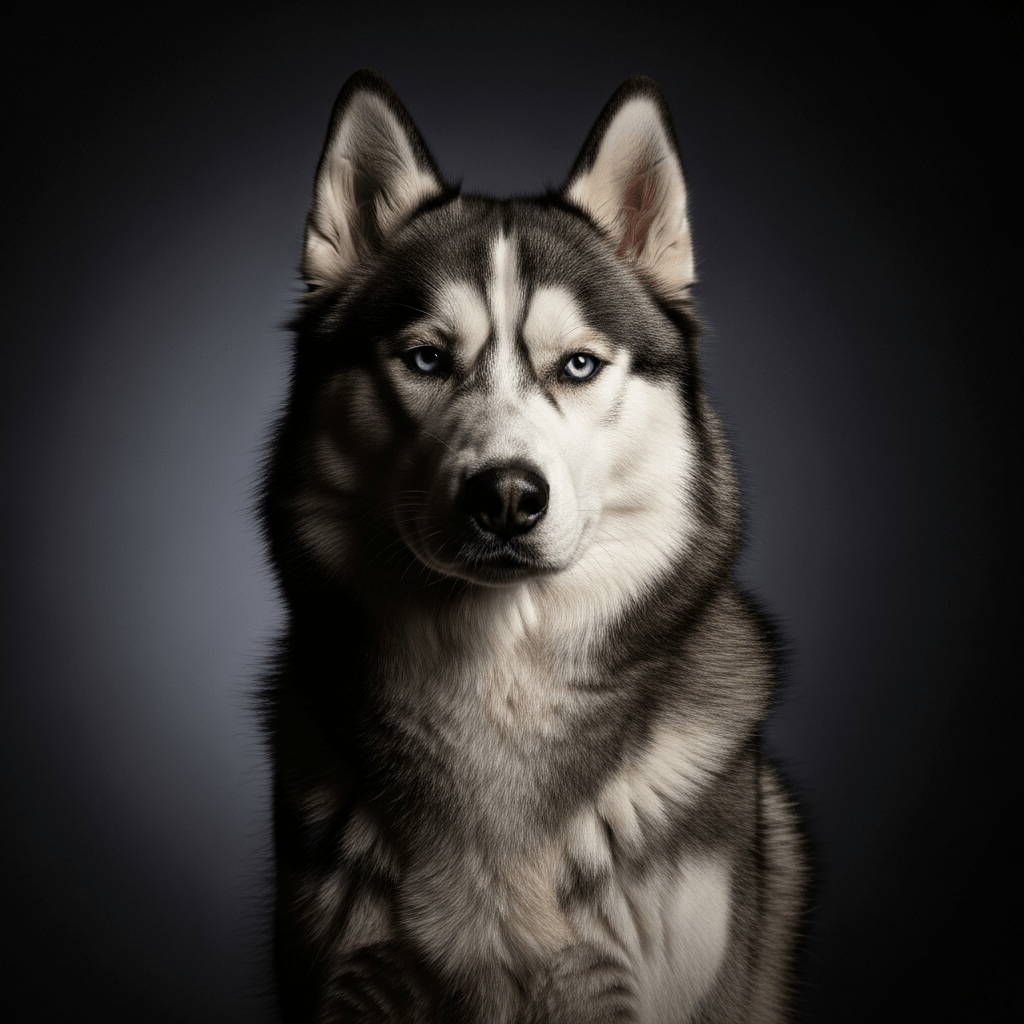
Siberian Husky
The Siberian Husky is a medium-sized working dog breed famed for its endurance, striking wolf-like looks, and sociable temperament.
The Siberian Husky is a medium-sized working dog breed famed for its endurance, striking wolf-like looks, and sociable temperament.
Originating in the harsh Arctic climate of northeastern Siberia, the Siberian Husky was developed by the Chukchi people over centuries as a sled dog and companion. Selectively bred for stamina and resilience, Huskies were introduced to North America in the early 20th century, gaining fame during the 1925 serum run to Nome, Alaska. Their ancestry is rooted in ancient Arctic sled dogs, and the breed was officially recognized by the American Kennel Club in 1930.
The Siberian Husky belongs to the Canidae family, classified as Canis lupus familiaris within the domestic dog taxonomy. It is grouped as a working breed by major kennel clubs, reflecting its historical role in sledding and pulling activities. Huskies are distinct from other Arctic breeds such as the Alaskan Malamute, and are recognized globally by organizations like the AKC, FCI, and The Kennel Club.
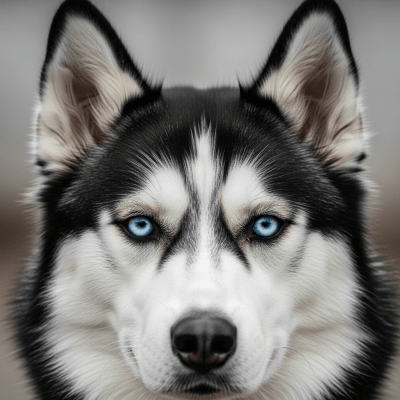
Siberian Huskies present an athletic, medium-sized build with a dense double coat that insulates against extreme cold. Their erect triangular ears, expressive eyes—which may be blue, brown, amber, or even bi-colored—and distinctive facial masks contribute to their wolf-like allure. The breed's coat comes in a variety of colors and markings, from black and white to red and agouti, always with a straight, medium-length outer layer over a soft undercoat.
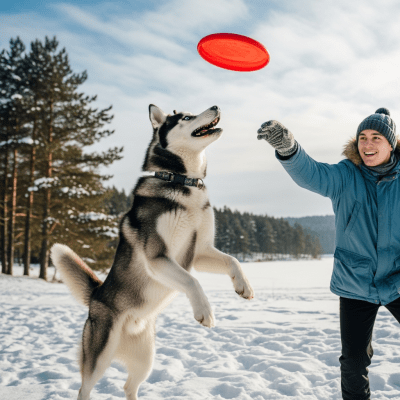
Renowned for their stamina and high energy, Siberian Huskies excel in activities requiring endurance such as sledding, skijoring, and other pulling sports. Their friendly, outgoing nature makes them popular companion animals, and they thrive on regular exercise and social interaction. While intelligent, Huskies are also independent and respond best to positive, consistent training methods.
Bring this kind into your world illustrated posters, mugs, and shirts.
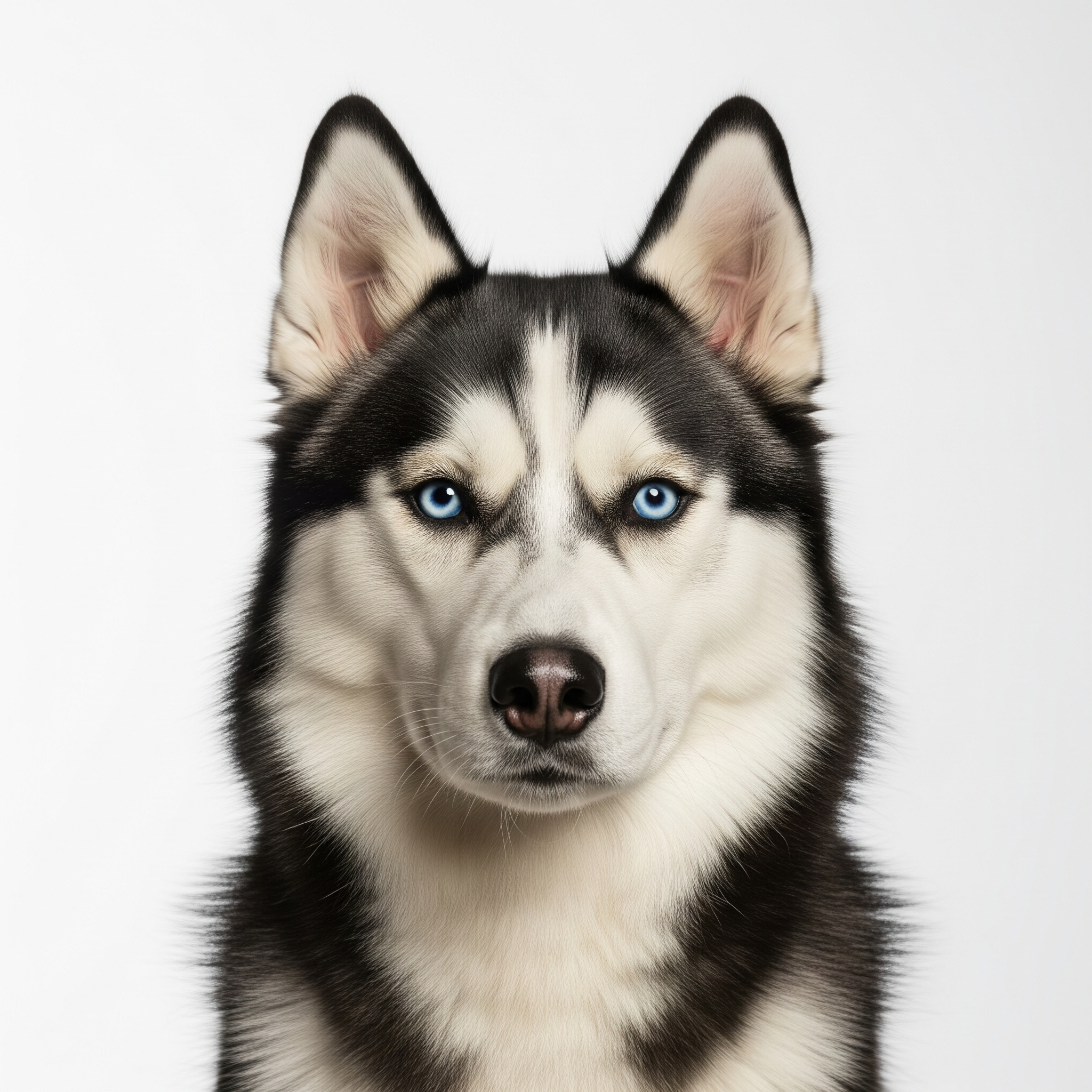
Archival print, museum-grade paper
Buy Poster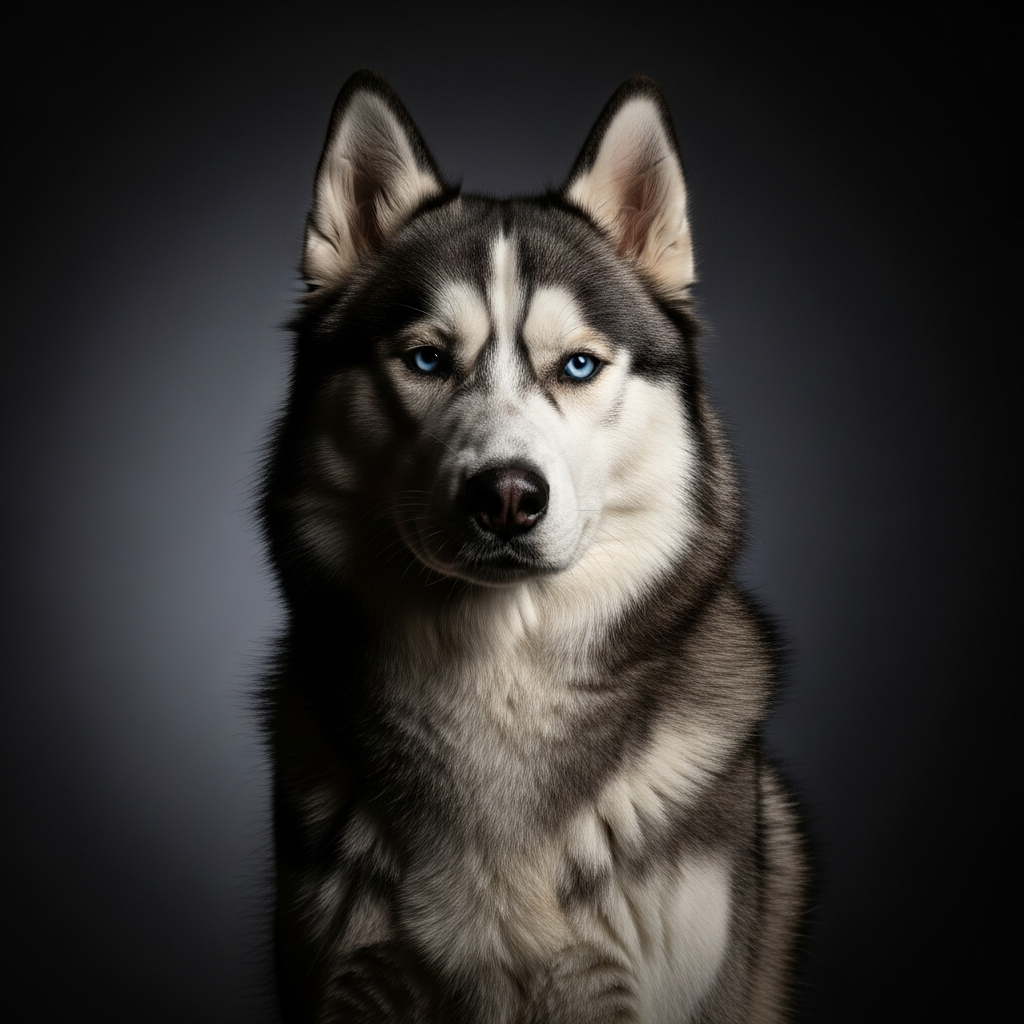
Stoneware mug, dishwasher safe
Buy Mug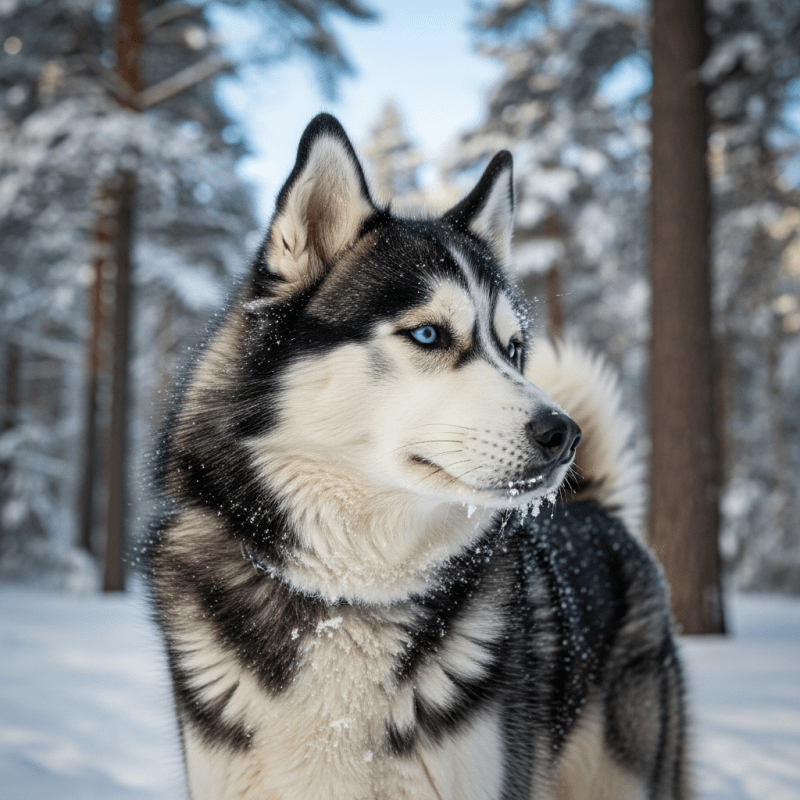
Soft cotton tee, unisex sizes
Buy ShirtThe Siberian Husky holds a storied place in Arctic exploration and folklore, most notably for its role in the heroic 1925 serum run to Nome. Its striking appearance and spirited personality have made it a favorite in popular culture, featured in films, literature, and as a symbol of endurance and teamwork. The breed's legacy continues in dog sports and as a beloved family pet worldwide.
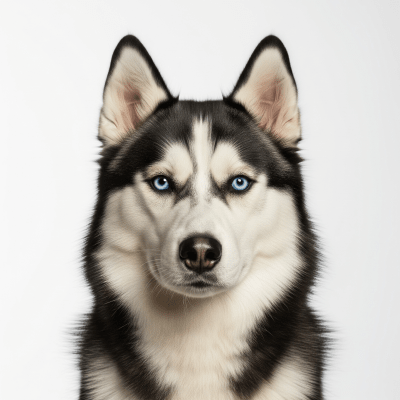

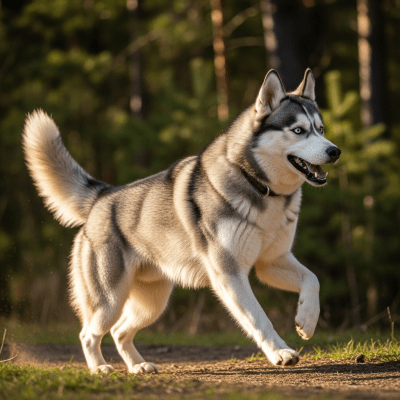
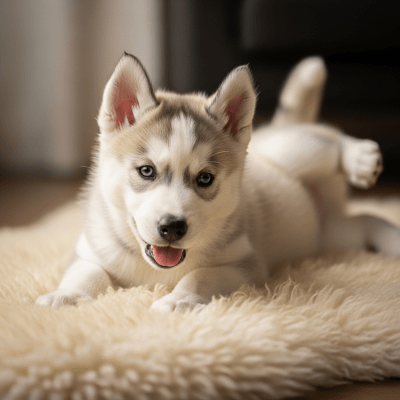
Siberian Huskies are classified as medium-sized dogs. Males typically stand 53–60 cm at the shoulder and weigh 20–27 kg, with females slightly smaller. Their athletic build is designed for endurance rather than brute strength.
Huskies sport a dense double coat: a soft undercoat for insulation and a straight, medium-length outer coat for protection. Common colors include black, white, gray, red, and agouti, often with unique markings and facial masks. Their coats are both functional and visually striking.
Siberian Huskies are friendly, outgoing, and highly social, with a playful and energetic spirit. They are intelligent but possess an independent streak, making training most effective with positive reinforcement and consistency. Their high activity level suits active owners and families.
Generally robust, Siberian Huskies have a typical lifespan of 12–15 years. They may be prone to hereditary health issues such as hip dysplasia and eye disorders, including cataracts. Regular veterinary care and responsible breeding practices help maintain their overall health.
Traditionally bred for sledding and pulling in Arctic conditions, Siberian Huskies excel in dog sports like skijoring and are valued as show dogs. Their friendly nature and adaptability also make them popular companion animals in homes around the world.
While the Siberian Husky is distinct from other Arctic breeds, such as the Alaskan Malamute, there are no widely recognized regional variants within the breed. In Russia, the breed may be referred to as "Sibirsky Khaski," but breed standards remain consistent internationally.