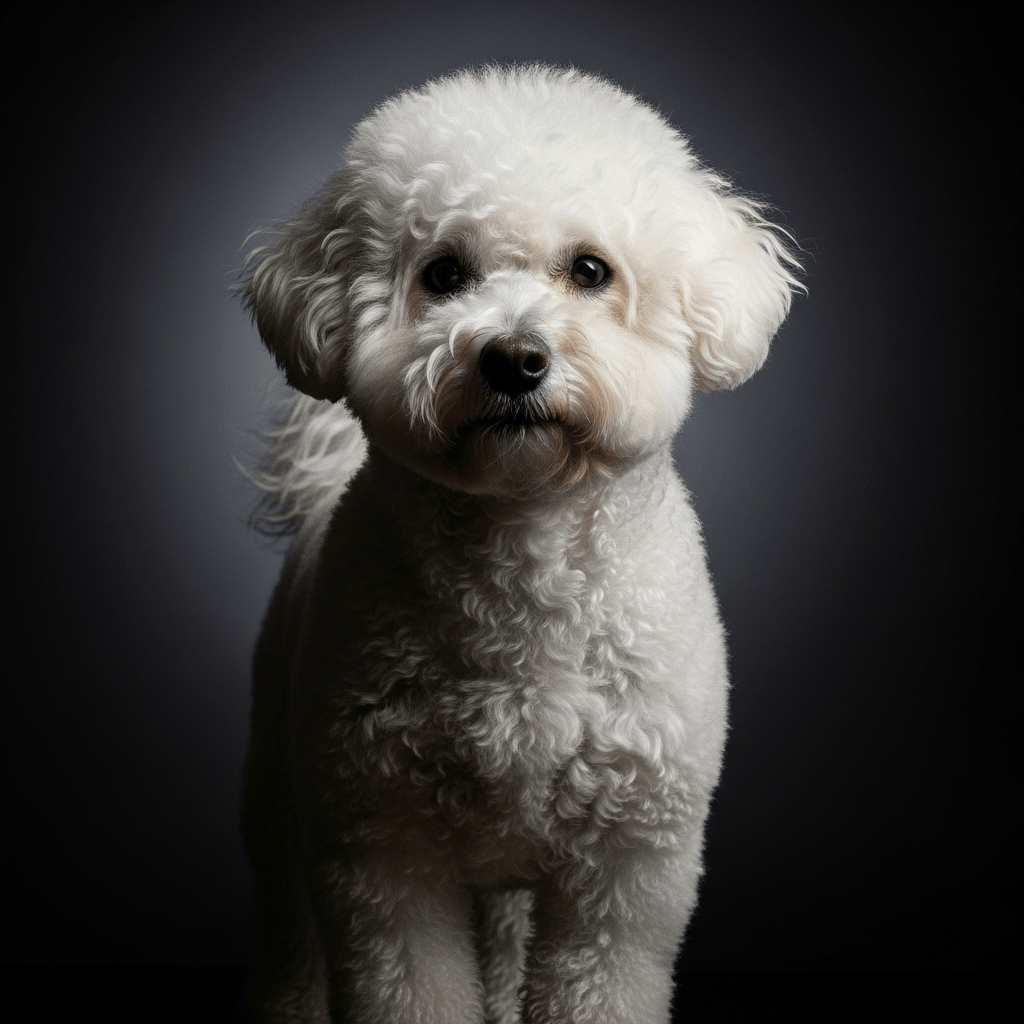
Bichon Frise
The Bichon Frise is a small, cheerful companion dog celebrated for its plush white coat, affectionate personality, and adaptability to family life.
The Bichon Frise is a small, cheerful companion dog celebrated for its plush white coat, affectionate personality, and adaptability to family life.
Originating in the Mediterranean region, the Bichon Frise was developed in France and Spain, descending from the Barbet and Water Spaniel. Its modern form emerged in France during the late 19th and early 20th centuries, where it charmed French nobility before being standardized by breeders and major kennel clubs in the 20th century.
The Bichon Frise belongs to the Canis lupus familiaris species within the Canidae family. It is classified as a toy breed by major authorities such as the American Kennel Club and the Fédération Cynologique Internationale, recognized for its companion role and distinctive appearance among small dog breeds.
Compact and sturdy, the Bichon Frise stands 24–29 cm at the shoulder and weighs 5.4–8.2 kg. Its hallmark is a dense, double-layered coat: a soft, thick undercoat topped by a curly, puffy outer coat, almost always pure white. The breed features a rounded skull, expressive dark eyes, and a black nose, giving it a lively and endearing expression.
Renowned for its playful and affectionate nature, the Bichon Frise thrives as a family companion. It is sociable, adaptable, and enjoys interacting with people of all ages. The breed excels in therapy and emotional support roles, and is often seen in obedience and agility competitions due to its intelligence and eagerness to please.
Bring this kind into your world illustrated posters, mugs, and shirts.

Archival print, museum-grade paper
Buy Poster
Stoneware mug, dishwasher safe
Buy Mug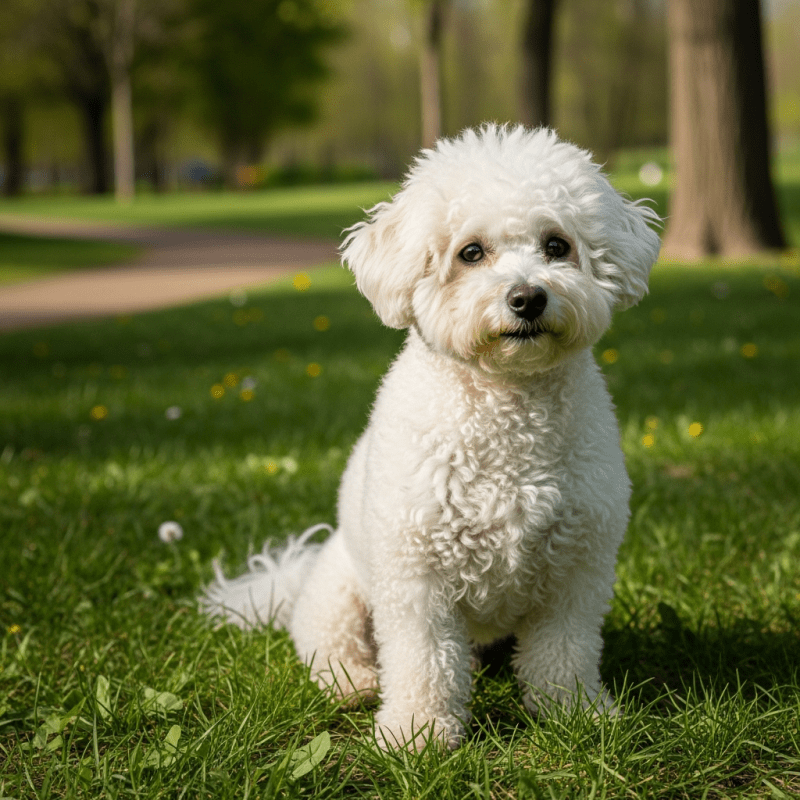
Soft cotton tee, unisex sizes
Buy ShirtHistorically favored by European nobility, the Bichon Frise has appeared in art and literature as a symbol of elegance and charm. Its popularity endures today, not only as a beloved pet but also as a breed featured in dog shows and cultural events, admired for its beauty and engaging personality.





The Bichon Frise is a small breed, typically standing 24–29 cm (9.5–11.5 inches) tall at the shoulder and weighing between 5.4–8.2 kg (12–18 pounds). Its compact, sturdy build contributes to its lively demeanor and agility.
The breed boasts a dense, double-layered coat with a soft, thick undercoat and a curly, puffy outer layer. The coat is predominantly pure white, though cream or apricot shadings may appear in puppies. The Bichon Frise's coat is prized for its hypoallergenic qualities and plush, cloud-like texture.
Cheerful, playful, and affectionate, the Bichon Frise is highly sociable and adapts well to various lifestyles. It is generally easy to train, excelling in obedience and agility activities, and responds well to positive reinforcement. Regular grooming is necessary for both appearance and health.
Bichon Frises are robust dogs with an average lifespan of 14–15 years. Common health concerns include allergies, patellar luxation, and dental issues. Routine veterinary care and diligent grooming help maintain their overall well-being.
Primarily cherished as a companion animal, the Bichon Frise also excels as a therapy and emotional support dog. Its intelligence and agility make it a strong contender in obedience and agility competitions, while its gentle nature suits families, singles, and seniors alike.
The Bichon Frise has minimal regional variants, with consistent breed standards recognized by major organizations worldwide. Alternate names such as Bichon Tenerife reflect historical roots, but the breed’s appearance and temperament remain uniform across regions.